Understanding Electric Vehicles: Pros and Cons
Explore understanding electric vehicles pros and cons with a balanced look at cost, range, maintenance, and environmental impact. This brief guide helps buyers decide whether an EV fits their lifestyle and budget.

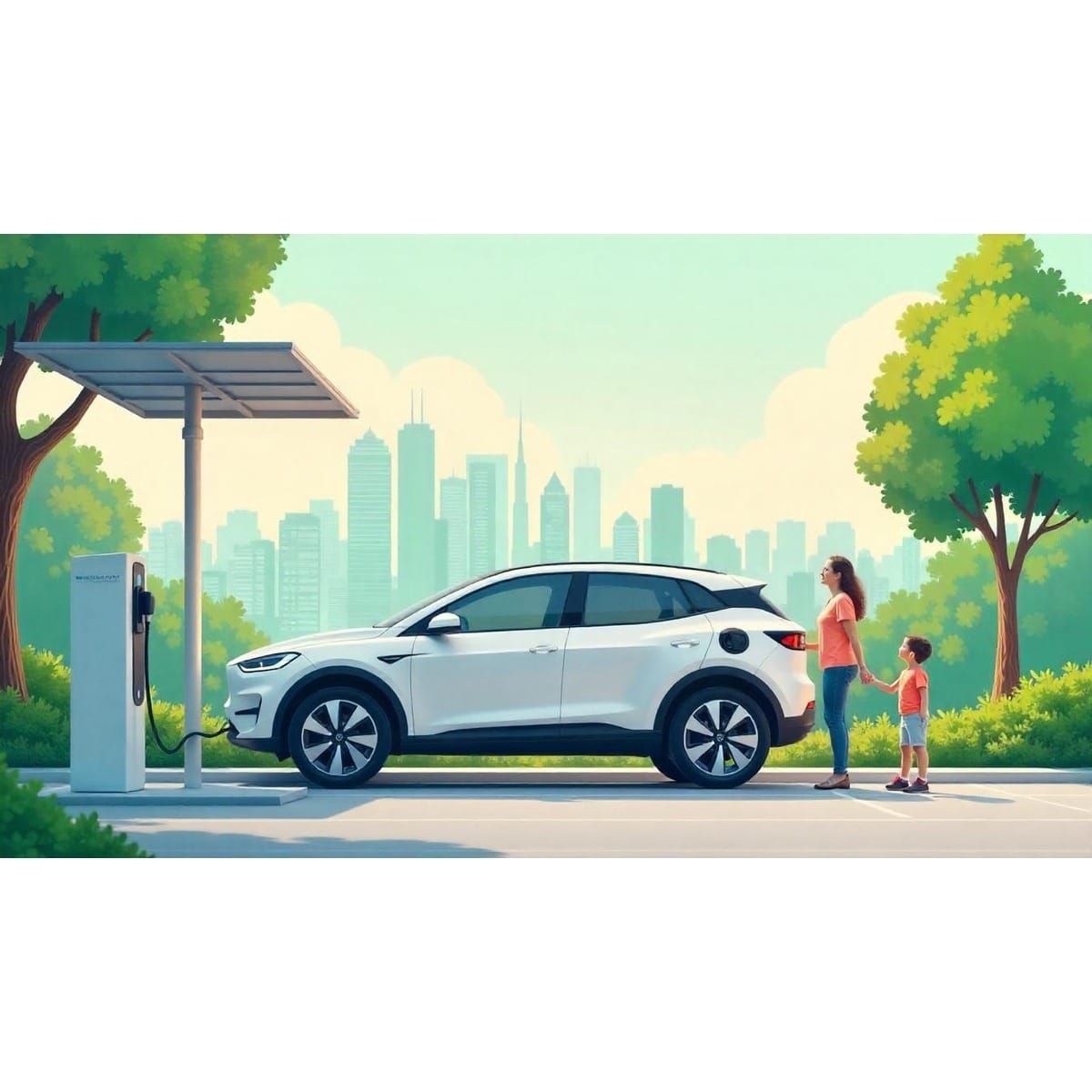
Electric vehicles (EVs) offer eco-friendly benefits and long-term savings but come with challenges like high upfront costs and charging infrastructure. Exploring the pros and cons of owning an electric car in 2025 reveals how EVs suit different lifestyles, especially for families weighing electric vehicle benefits and drawbacks for families.
Introduction: Why Are Electric Vehicles Taking Over the Roads?
Picture this: you’re driving silently through your neighborhood, no engine rumble, just the hum of the road. That’s the reality for millions of electric vehicle (EV) owners today. In 2025, EVs are no longer a futuristic dream—they’re mainstream, with over 20 million electric cars on global roads, according to the International Energy Agency. But is switching to an EV the right move for you or your family? Understanding electric vehicles: pros and cons helps demystify this choice, especially when considering the pros and cons of owning an electric car in 2025. Let’s dive into the benefits, drawbacks, and everything in between to help you decide if an EV fits your life.
EVs promise lower emissions, cheaper running costs, and cutting-edge tech. Yet, they also bring challenges like charging logistics and higher initial prices. For families, the electric vehicle benefits and drawbacks for families are critical to weigh, from safety features to road-trip practicality. This guide breaks it all down with real-world insights, data, and tips to make your decision easier.
What Are Electric Vehicles and How Do They Work?
Electric vehicles run on electricity stored in batteries, powering an electric motor instead of a gasoline engine. Unlike traditional cars, EVs produce zero tailpipe emissions, making them a cornerstone of sustainable transportation. In 2025, EVs come in various forms: fully electric (like the Tesla Model Y), plug-in hybrids (like the Toyota Prius Prime), and even electric trucks (like the Rivian R1T).
- Battery Power: Lithium-ion batteries store energy, charged via home outlets or public stations.
- Range: Most EVs in 2025 offer 200–400 miles per charge, with models like the Lucid Air hitting 500+ miles.
- Charging: Home charging takes 8–12 hours, while fast chargers can hit 80% in 20–30 minutes.
Understanding the pros and cons of owning an electric car in 2025 starts with knowing how EVs function and their role in reducing carbon footprints.

$750 Amazon Gift Card
A $750 Amazon gift card may be available to select users. Checking eligibility is quick. You can check if you’re one of them.
What Are the Key Benefits of Owning an Electric Vehicle?
EVs offer compelling advantages, from environmental impact to financial savings. Here’s a breakdown of why they’re gaining popularity.
Environmental Impact: Cleaner Air, Greener Planet
EVs produce zero tailpipe emissions, cutting down on urban air pollution. According to the U.S. Environmental Protection Agency, EVs reduce greenhouse gas emissions by 50–70% compared to gas-powered cars, even when accounting for electricity production. For families, this aligns with the electric vehicle benefits and drawbacks for families, offering a way to contribute to a healthier planet for future generations.
Lower Operating Costs: Save at the Pump
Electricity is cheaper than gasoline. The U.S. Department of Energy estimates EV owners save $1,000–$2,000 annually on fuel. Maintenance is also lower—no oil changes, fewer moving parts. For budget-conscious families, this is a major perk when weighing the pros and cons of owning an electric car in 2025.
Advanced Technology and Safety
EVs come packed with cutting-edge features:
- Autonomous Driving: Many EVs, like Tesla’s Model 3, offer advanced driver-assistance systems.
- Safety Ratings: EVs often score high in crash tests due to low centers of gravity and reinforced battery packs.
- Connectivity: Over-the-air updates keep software fresh, a plus for tech-savvy families.
These features make EVs appealing for those prioritizing safety and innovation, key aspects of electric vehicle benefits and drawbacks for families.
What Are the Drawbacks of Electric Vehicles?
Despite their advantages, EVs aren’t perfect. Here are the main challenges to consider.
High Upfront Costs
EVs often cost more upfront than gas-powered cars. In 2025, the average EV price is $40,000–$60,000, compared to $30,000 for a comparable gas vehicle. While federal tax credits (up to $7,500) and state incentives help, the initial investment can strain budgets, especially for families evaluating electric vehicle benefits and drawbacks for families.
Charging Infrastructure Challenges
Charging availability remains a hurdle. While urban areas have robust networks, rural regions lag. Home charging requires installation costs ($500–$2,000), and public fast chargers aren’t always convenient. For families planning road trips, this is a key factor in the pros and cons of owning an electric car in 2025.
Battery Life and Replacement Costs
EV batteries last 10–20 years, but replacement costs range from $5,000 to $15,000. Cold weather can reduce range by 20–30%, a concern for families in harsh climates. These are critical electric vehicle benefits and drawbacks for families to consider.
Are Electric Vehicles Practical for Families?
Families need vehicles that balance space, safety, and convenience. EVs shine in some areas but fall short in others.
- Space and Comfort: Models like the Hyundai Ioniq 5 offer spacious interiors and large cargo areas, ideal for family gear.
- Safety: High safety ratings and advanced features like lane-keeping assist make EVs family-friendly.
- Charging Logistics: Long road trips require planning around charging stations, which can be inconvenient compared to quick gas fill-ups.
For families, the electric vehicle benefits and drawbacks for families hinge on lifestyle. Urban families with home charging may find EVs ideal, while rural families might struggle with infrastructure.
How Do EVs Compare to Gas-Powered Cars?
Comparing EVs to traditional cars highlights trade-offs:
- Fuel Costs: EVs cost $0.03–$0.05 per mile vs. $0.12–$0.15 for gas cars.
- Maintenance: EVs require less upkeep, saving $500–$1,000 annually.
- Performance: EVs offer instant torque for quick acceleration, appealing to driving enthusiasts.
- Range Anxiety: Gas cars refuel faster and have more stations, easing long-distance travel.
This comparison is vital when exploring the pros and cons of owning an electric car in 2025.
How Does Charging Work for EV Owners?
Charging is a core part of EV ownership. Here’s what to know:
- Level 1 Charging: Uses a standard 120V outlet, adding 3–5 miles per hour.
- Level 2 Charging: Requires a 240V setup, adding 20–30 miles per hour.
- DC Fast Charging: Public stations add 100–200 miles in 20–30 minutes.
Families considering electric vehicle benefits and drawbacks for families should assess charging access at home and on the go.
What Incentives Are Available for EV Buyers in 2025?
Governments and utilities offer incentives to offset EV costs:
- Federal Tax Credit: Up to $7,500 for qualifying EVs.
- State Rebates: States like California offer $1,000–$4,000.
- Utility Discounts: Some providers offer lower electricity rates for EV charging.
These savings can tip the scales when weighing the pros and cons of owning an electric car in 2025.
How Do EVs Perform in Extreme Weather?
EVs handle most conditions well but face challenges:
- Cold Weather: Reduces range by 20–30% due to battery inefficiency.
- Hot Weather: Air conditioning draws power, slightly impacting range.
- Snow and Rain: EVs’ low centers of gravity improve traction.
Families in extreme climates should factor this into electric vehicle benefits and drawbacks for families.
Are EVs Worth the Investment in 2025?
The decision depends on your priorities:
- Cost Savings: Long-term fuel and maintenance savings offset high upfront costs.
- Environmental Impact: EVs align with eco-conscious values.
- Lifestyle Fit: Urban dwellers benefit more than rural drivers.
For families, the pros and cons of owning an electric car in 2025 often balance cost against convenience and values.
What’s the Future of Electric Vehicles?
By 2030, EVs are projected to account for 50% of global car sales, per BloombergNEF. Innovations like solid-state batteries could extend ranges to 600+ miles, and wireless charging may simplify refueling. These advancements will further shape the electric vehicle benefits and drawbacks for families.

$750 Cash App Gift Card
A $750 Cash App gift card may be available to select users. Checking eligibility is quick. You can check if you’re one of them.
Pros and Cons of Owning an Electric Car in 2025 – Frequently Asked Questions
What are the main benefits of owning an electric car in 2025?
EVs offer lower fuel costs, zero emissions, and advanced safety features. They’re ideal for eco-conscious families, with savings of $1,000–$2,000 annually on fuel.
What are the biggest drawbacks of electric vehicles for families?
High upfront costs ($40,000–$60,000) and limited charging infrastructure in rural areas are challenges. Battery replacement costs ($5,000–$15,000) also matter.
How long does it take to charge an electric vehicle?
Level 1 charging takes 8–12 hours, Level 2 takes 4–6 hours, and DC fast chargers take 20–30 minutes for 80% charge.
Are electric vehicles safe for families?
Yes, EVs like the Tesla Model Y score high in crash tests due to reinforced battery packs and advanced driver-assistance systems.
Can EVs handle long family road trips?
With planning, yes. EVs with 300+ mile ranges suit most trips, but charging stops add time compared to gas refueling.
Are there enough charging stations in 2025?
Urban areas have ample stations, but rural coverage is spotty. Check networks like Electrify America for availability.
How do EV incentives work in 2025?
Federal tax credits up to $7,500 and state rebates ($1,000–$4,000) reduce costs. Check local programs for details.
Conclusion
Understanding electric vehicles: pros and cons reveals a balance of innovation and challenges. EVs offer eco-friendly driving, lower costs, and advanced tech, but high prices and charging logistics require careful consideration. For families, the electric vehicle benefits and drawbacks for families depend on lifestyle and priorities. Ready to explore more? Check out our guides on EV models for 2025 or hybrid vs. electric cars, or share your EV experience below!
- Delhi Crime Season 3 Release Date Shocks Fans

- BB19 Shehbaz Girlfriend Reaction Goes Viral

- Why BB19 Gaurav Khanna Is Hinting at ‘Unfair Evictions’ Now

- 17 Best Cities for Street Food Every Traveler Should Visit to Avoid Missing Out on Incredible Eats

- 17 Unbeatable Factors That Explain Why Spider-Man Remains the Most Loved Superhero Worldwide

- Why the Delhi Red Fort Blast Probe Now Hinges on a Missing Third Car

- 15 World’s Most Peaceful Places to Disconnect & Recharge — And 5 Overrated Destinations to Skip in 2026

- 17 Essential Travel Safety Tips for Solo Travelers to Avoid Dangerous Mistakes and Travel Confidently

- Shehnaaz Gill Breaks Silence on Shubman Gill Rumors

- Abhishek Bajaj Responds to Ageism Over Bond With Ashnoor Kaur

- Dharmendra Discharged from Hospital, Set to Recover at Home: Official Statement

- Pakistan Warns Afghanistan After Deadly Attacks: ‘Will Pay Back in the Same Coin’