Understanding Car Emissions and Environmental Impact
Explore understanding car emissions and environmental impact with a clear breakdown of pollutants, regulations, and real-world effects. This brief guide helps readers see how driving habits and technology shape cleaner transportation.

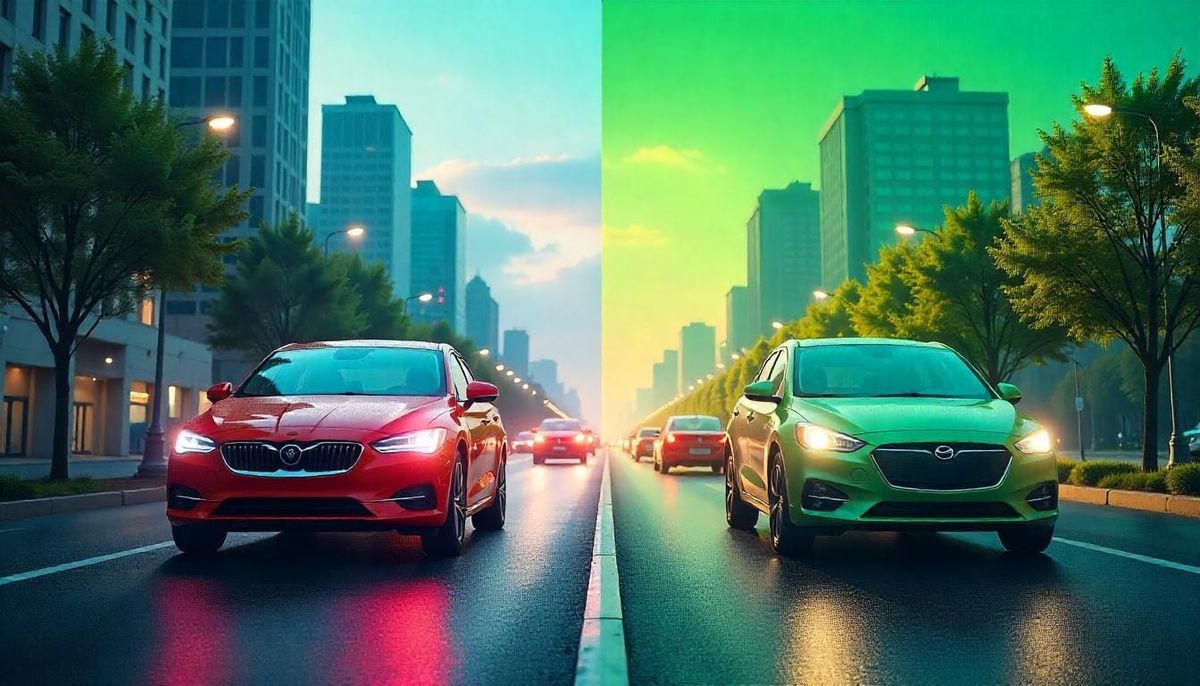
Car emissions significantly contribute to air pollution and climate change. This article explores the impact of vehicle emissions on air pollution and offers a diesel vs petrol car emissions comparison to help you make informed choices for a greener future.
Introduction: Why Do Car Emissions Matter?
Have you ever driven through a city and noticed a haze lingering in the air? That’s often the result of car emissions, tiny particles and gases released from hicles that impact both our health and the planet. Every time we drive, our cars release pollutants like carbon dioxide (CO2), nitrogen oxides (NOx), and particulate matter (PM), contributing to the impact of vehicle emissions on air pollution. Understanding car emissions and their environmental consequences is crucial for making eco-conscious decisions, whether you’re choosing between a diesel or petrol vehicle or advocating for cleaner transportation. In this guide, we’ll break down how car emissions affect the environment, compare diesel vs petrol car emissions, and share actionable insights to reduce your carbon footprint.
What Are Car Emissions?
Car emissions are the gases and particles released from a vehicle’s exhaust system during fuel combustion. These emissions vary depending on the type of fuel (diesel, petrol, or alternative), the vehicle’s efficiency, and driving conditions. The primary pollutants include:
- Carbon Dioxide (CO2): A greenhouse gas driving climate change.
- Nitrogen Oxides (NOx): Contributes to smog and respiratory issues.
- Particulate Matter (PM): Tiny particles that harm air quality and health.
- Carbon Monoxide (CO): A toxic gas reducing oxygen in the bloodstream.
- Hydrocarbons (HC): Contribute to ozone formation and smog.
The impact of vehicle emissions on air pollution is significant, as these pollutants degrade air quality, harm ecosystems, and affect human health. For instance, urban areas with heavy traffic often face smog, reducing visibility and increasing asthma rates.
How Do Car Emissions Affect the Environment?
Car emissions play a major role in environmental degradation. Here’s how:
- Climate Change: CO2 traps heat in the atmosphere, warming the planet. In 2023, transportation accounted for about 29% of global CO2 emissions, with cars being a major contributor.
- Air Pollution: NOx and PM create smog, reducing air quality. The impact of vehicle emissions on air pollution is evident in cities like Los Angeles, where vehicle-related pollutants make up over 50% of smog-forming emissions.
- Ecosystem Damage: Acid rain from NOx emissions harms soil, water, and wildlife.
- Ozone Depletion: Hydrocarbons contribute to ground-level ozone, damaging crops and forests.
By understanding these effects, we can make smarter choices, like opting for fuel-efficient vehicles or electric cars to reduce environmental harm.

$500 PayPal Gift Card
Not everyone qualifies for this $500 PayPal gift card. Checking only takes a moment. You can check if you’re eligible.
Diesel vs Petrol Car Emissions: A Detailed Comparison
When choosing a vehicle, many wonder about the diesel vs petrol car emissions comparison. Both fuel types have unique emission profiles, affecting air quality and the environment differently. Let’s break it down:
Diesel Emissions
- Pros: Diesel engines are typically more fuel-efficient, producing less CO2 per mile (about 15% less than petrol for similar vehicles).
- Cons: Diesel cars emit higher levels of NOx and PM, which significantly contribute to the impact of vehicle emissions on air pollution. For example, older diesel vehicles can produce up to 10 times more NOx than modern petrol cars.
- Health Impact: Particulate matter from diesel exhaust is linked to respiratory and cardiovascular diseases.
Petrol Emissions
- Pros: Petrol engines emit lower NOx and PM, making them less harmful to local air quality.
- Cons: Petrol cars produce more CO2 per mile, accelerating climate change. They also emit more hydrocarbons, contributing to smog.
- Efficiency: Petrol vehicles tend to be less fuel-efficient than diesel, increasing overall emissions.
Key Takeaways
- Diesel: Better for long-distance drivers due to fuel efficiency but worse for urban air quality.
- Petrol: Cleaner for city driving but emits more CO2 overall.
- Modern Standards: Newer vehicles (post-2015) with Euro 6 standards have reduced emissions for both fuel types.
For a deeper dive, check out our guide on choosing eco-friendly vehicles.
How Do Vehicle Emissions Contribute to Air Pollution?
The impact of vehicle emissions on air pollution is a pressing issue, especially in urban areas. Cars release pollutants that form smog, reduce visibility, and pose health risks. Here’s how it works:
- Smog Formation: NOx and hydrocarbons react with sunlight to create ground-level ozone, a key smog component. In 2022, the World Health Organization reported that 99% of the global population breathes air exceeding safe pollutant levels.
- Health Risks: PM and NOx are linked to asthma, lung cancer, and heart disease. Children and the elderly are particularly vulnerable.
- Urban Hotspots: Cities like Delhi and Beijing face severe air pollution due to high vehicle density. For example, Delhi’s air quality index often exceeds 300, largely due to vehicle emissions.
Reducing this impact requires cleaner fuels, better public transport, and policies like low-emission zones. Learn more about urban air quality solutions.
What Are the Health Impacts of Car Emissions?
Car emissions don’t just harm the planet—they affect our health. The impact of vehicle emissions on air pollution directly correlates with:
- Respiratory Issues: PM and NOx irritate lungs, increasing asthma and bronchitis cases.
- Cardiovascular Problems: Long-term exposure to CO and PM raises the risk of heart attacks.
- Premature Deaths: The WHO estimates that air pollution from vehicles contributes to 4.2 million premature deaths annually.
For example, a 2021 study in London found that children exposed to high levels of diesel emissions had a 10% higher risk of asthma. Choosing low-emission vehicles can mitigate these risks.
Electric Vehicles: A Solution to Car Emissions?
Electric vehicles (EVs) offer a promising way to reduce the impact of vehicle emissions on air pollution. Unlike diesel or petrol cars, EVs produce zero tailpipe emissions. However, their environmental impact depends on:
- Energy Source: EVs powered by renewable energy (e.g., solar) have a lower carbon footprint than those using coal-based electricity.
- Battery Production: Manufacturing EV batteries generates emissions, but lifecycle analyses show EVs are cleaner than traditional cars over time.
- Cost vs. Benefit: EVs can save drivers money on fuel (up to $1,500 annually in the U.S.) while reducing CO2 emissions by 50–70%.
For a diesel vs petrol car emissions comparison, EVs outperform both in urban settings, where tailpipe emissions directly affect air quality.
How Can We Reduce Car Emissions?
Reducing car emissions is achievable with practical steps:
- Drive Efficiently: Avoid rapid acceleration and maintain steady speeds to cut fuel consumption by up to 20%.
- Choose Low-Emission Vehicles: Opt for hybrids, EVs, or Euro 6-compliant diesel/petrol cars.
- Carpool or Use Public Transport: Reducing the number of vehicles on the road lowers emissions.
- Maintain Your Vehicle: Regular tune-ups and tire checks improve fuel efficiency by 4–10%.
- Advocate for Policy: Support low-emission zones and stricter emission standards.
These actions not only reduce the impact of vehicle emissions on air pollution but also save money and improve public health.
Government Regulations and Car Emissions
Governments worldwide are tackling car emissions through regulations:
- Emission Standards: Euro 6 (Europe) and Tier 3 (U.S.) set strict limits on NOx, PM, and CO2 emissions.
- Low-Emission Zones: Cities like London and Paris restrict high-polluting vehicles, reducing urban air pollution by up to 30%.
- Incentives for EVs: Tax credits and subsidies make EVs more affordable, boosting adoption.
For instance, the EU aims to ban new petrol and diesel car sales by 2035, pushing for zero-emission vehicles. These policies directly address the impact of vehicle emissions on air pollution.
Diesel vs Petrol: Which Is Better for the Environment?
Revisiting the diesel vs petrol car emissions comparison, the answer depends on your priorities:
- Climate Change: Petrol cars emit more CO2, so diesel may be better for long-term climate goals.
- Air Quality: Petrol cars produce less NOx and PM, making them preferable for urban environments.
- Future Trends: Hybrids and EVs are outpacing both, with 2024 seeing a 20% rise in global EV sales.
Ultimately, the best choice depends on your driving habits and local air quality needs.

$500 Walmart Gift Card
Not everyone qualifies for this $500 Walmart gift card. Checking only takes a moment. You can check if you’re eligible.
Understanding Car Emissions and Environmental Impact – Frequently Asked Questions
What Are Car Emissions Made Of?
Car emissions include CO2, NOx, PM, CO, and hydrocarbons, all contributing to the impact of vehicle emissions on air pollution.
How Do Car Emissions Affect Air Quality?
Emissions like NOx and PM form smog and reduce air quality, especially in cities. The impact of vehicle emissions on air pollution is a leading cause of urban health issues.
Are Diesel Cars Worse Than Petrol for Emissions?
In a diesel vs petrol car emissions comparison, diesel emits less CO2 but more NOx and PM, worsening local air quality. Petrol is cleaner for urban driving.
Can Electric Vehicles Eliminate Car Emissions?
EVs produce no tailpipe emissions, significantly reducing the impact of vehicle emissions on air pollution. However, their environmental benefit depends on clean energy sources.
How Can I Reduce My Car’s Emissions?
Drive efficiently, maintain your vehicle, or switch to EVs or hybrids. These steps lower emissions and save fuel.
Why Are Car Emissions Harmful to Health?
NOx and PM from car emissions cause respiratory and heart issues, contributing to millions of premature deaths annually.
Conclusion
Understanding car emissions and their environmental impact empowers us to make greener choices. From the impact of vehicle emissions on air pollution to the diesel vs petrol car emissions comparison, every decision—whether choosing a fuel type or supporting clean policies—matters. Share your thoughts on reducing emissions or explore our guides on eco-friendly driving and urban air quality for more insights.
Latest blogs to read
- Delhi Crime Season 3 Release Date Shocks Fans

- BB19 Shehbaz Girlfriend Reaction Goes Viral

- Why BB19 Gaurav Khanna Is Hinting at ‘Unfair Evictions’ Now

- 17 Best Cities for Street Food Every Traveler Should Visit to Avoid Missing Out on Incredible Eats

- 17 Unbeatable Factors That Explain Why Spider-Man Remains the Most Loved Superhero Worldwide

- Why the Delhi Red Fort Blast Probe Now Hinges on a Missing Third Car

- 15 World’s Most Peaceful Places to Disconnect & Recharge — And 5 Overrated Destinations to Skip in 2026

- 17 Essential Travel Safety Tips for Solo Travelers to Avoid Dangerous Mistakes and Travel Confidently

- Shehnaaz Gill Breaks Silence on Shubman Gill Rumors

- Abhishek Bajaj Responds to Ageism Over Bond With Ashnoor Kaur

- Dharmendra Discharged from Hospital, Set to Recover at Home: Official Statement

- Pakistan Warns Afghanistan After Deadly Attacks: ‘Will Pay Back in the Same Coin’