Mountain Treks in India: Your Guide to Unforgettable Adventures
Discover the best mountain treks in India with a concise guide to scenic routes, difficulty levels, and essential planning tips designed to help you choose the right adventure and prepare confidently for your next journey.
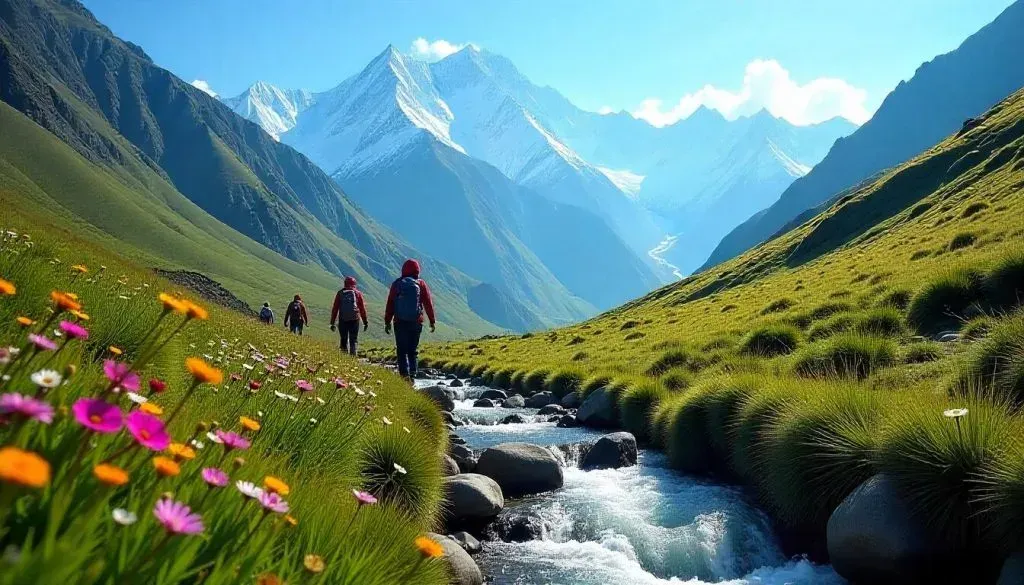
Discover the best mountain in India, from the Himalayan trails of Himachal Pradesh to the rugged Western Ghats. This guide covers top trekking destinations, tips, and FAQs for an epic adventure.
Introduction: Why Mountain Treks in India Are a Must-Do
Have you ever stood at the edge of a mountain, feeling the cool breeze and gazing at peaks that seem to touch the sky? That’s the magic of mountain in India—a land where ancient trails wind through snow-capped Himalayas, lush valleys, and sacred sites. Trekking in India isn’t just a physical journey; it’s a soul-stirring adventure that connects you with nature, culture, and yourself. Whether you’re chasing the thrill of high-altitude trails or seeking serene escapes, mountain in India offer something for every adventurer.
India’s diverse landscapes make it a global trekking hotspot. From the beginner-friendly trails of Himachal Pradesh to the challenging routes in Uttarakhand, mountain in India promise breathtaking views and unforgettable experiences. Let’s explore the best destinations, practical tips, and everything you need to plan your next trek.
Why Choose India for Mountain Trekking?
India’s trekking routes are world-renowned for their variety and beauty. The country boasts over 200 trekking trails, ranging from easy day hikes to multi-week expeditions. Here’s why mountain in India stand out:
- Diverse Terrains: From the snowy peaks of the Himalayas to the tropical forests of the Western Ghats.
- Cultural Richness: Many trails pass through ancient villages, temples, and monasteries.
- Accessibility: Options for all skill levels, from beginners to seasoned trekkers.
- Affordability: Trekking in India is budget-friendly compared to global destinations.
With trails like the Chadar Frozen River Trek and the Valley of Flowers, mountain treks in India cater to every adventurer’s dream.
Top Mountain Treks in India for Beginners
Triund Trek, Himachal Pradesh
Located in the Dhauladhar Range, the Triund Trek is a perfect introduction to mountain treks in India. This 9-km trail offers stunning views of the Kangra Valley and the snow-covered Dhauladhar peaks.
- Difficulty: Easy
- Duration: 1–2 days
- Best Time: March to June, September to December
- Why Go: Ideal for first-timers, with camping under a starlit sky.
The trail is well-marked, and local guides make it accessible for beginners exploring mountain treks in India.
Nag Tibba Trek, Uttarakhand
Known as the “Serpent’s Peak,” Nag Tibba is a weekend getaway for those seeking short mountain treks in India. At 3,022 meters, it’s a moderate climb with rewarding views of the Garhwal Himalayas.
- Difficulty: Easy to moderate
- Duration: 2 days
- Best Time: October to March
- Why Go: Close to Delhi, perfect for a quick escape.
Challenging Mountain Treks in India for Experts
Roopkund Trek, Uttarakhand
The Roopkund Trek, often called the “Skeleton Lake Trek,” is one of the most thrilling mountain treks in India. At 4,800 meters, it leads to a glacial lake surrounded by mysterious human skeletons.
- Difficulty: Moderate to difficult
- Duration: 7–8 days
- Best Time: May to June, September to October
- Why Go: Combines adventure with a historical mystery.
Pin Parvati Pass Trek, Himachal Pradesh
This high-altitude trek connects the lush Parvati Valley with the arid Spiti Valley, crossing the Pin Parvati Pass at 5,319 meters. It’s one of the most demanding mountain treks in India.
- Difficulty: Difficult
- Duration: 10–12 days
- Best Time: July to September
- Why Go: Offers a dramatic shift in landscapes, from green valleys to barren highlands.
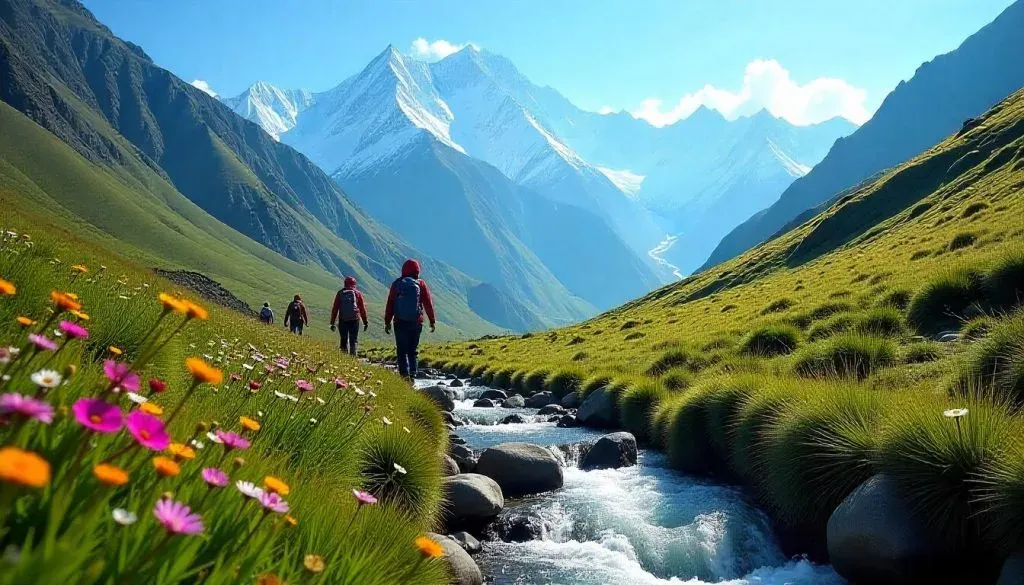
Himalayan Treks: The Heart of Mountain Treks in India
The Himalayas are the crown jewel of mountain treks in India, offering trails that range from spiritual journeys to adrenaline-pumping challenges.
Valley of Flowers Trek, Uttarakhand
Declared a UNESCO World Heritage Site, the Valley of Flowers is a vibrant meadow bursting with alpine flora. This trek is a favorite among nature lovers exploring mountain treks in India.
- Difficulty: Moderate
- Duration: 6 days
- Best Time: July to September
- Why Go: A paradise of wildflowers and Himalayan vistas.
Chadar Frozen River Trek, Ladakh
Walking on the frozen Zanskar River is a surreal experience, making the Chadar Trek one of the most unique mountain treks in India.
- Difficulty: Difficult
- Duration: 8–9 days
- Best Time: January to February
- Why Go: A rare chance to trek on a frozen river in sub-zero temperatures.
Western Ghats: The Southern Gem of Mountain Treks in India
While the Himalayas disparity: Himalayas dominate mountain treks in India, the Western Ghats offer scenic trails in southern states like Karnataka, Kerala, and Tamil Nadu.
Kumara Parvatha Trek, Karnataka
This trek in Coorg is a hidden gem among mountain treks in India, leading to the highest peak in the Pushpagiri Wildlife Sanctuary.
- Difficulty: Moderate
- Duration: 1–2 days
- Best Time: October to March
- Why Go: Lush forests, waterfalls, and panoramic views.
Chembra Peak Trek, Kerala
Located in Wayanad, this trek takes you to the heart-shaped Chembra Lake, surrounded by tea plantations and misty hills.
- Difficulty: Easy to moderate
- Duration: 1 day
- Best Time: September to February
- Why Go: A scenic escape with moderate effort.
Best Seasons for Mountain Treks in India
Timing is critical for mountain treks in India. Here’s a quick guide:
- Himalayas:
- Summer (April–June): Ideal for most Himalayan treks due to clear skies and moderate weather.
- Monsoon (July–September): Best for Valley of Flowers and green trails but avoid high-altitude routes due to landslides.
- Winter (December–February): Perfect for unique treks like Chadar.
- Western Ghats:
- Post-Monsoon (October–March): Cool and dry, ideal for trekking.
- Summer (April–May): Warm but manageable for lower-altitude trails.
Essential Tips for Planning Mountain Treks in India
- Gear Up: Invest in sturdy trekking shoes, layered clothing, and a good backpack.
- Acclimatization: For high-altitude treks, spend 1–2 days adjusting to avoid altitude sickness.
- Guides and Permits: Some treks require permits and local guides for safety and navigation.
- Eco-Friendly Trekking: Carry reusable water bottles and avoid littering to preserve trails.
- Fitness Prep: Regular cardio and strength training help tackle challenging treks.
For more trekking tips, check our Guide to Trekking Essentials.
Safety Considerations for Mountain Treks in India
Trekking in India is exhilarating but comes with risks. Here’s how to stay safe:
- Weather Awareness: Check forecasts, as mountain weather changes rapidly.
- Hydration and Nutrition: Carry enough water and high-energy snacks.
- Group Trekking: Travel with a group or guide, especially on remote trails.
- Emergency Plan: Carry a first-aid kit and know the nearest help points.
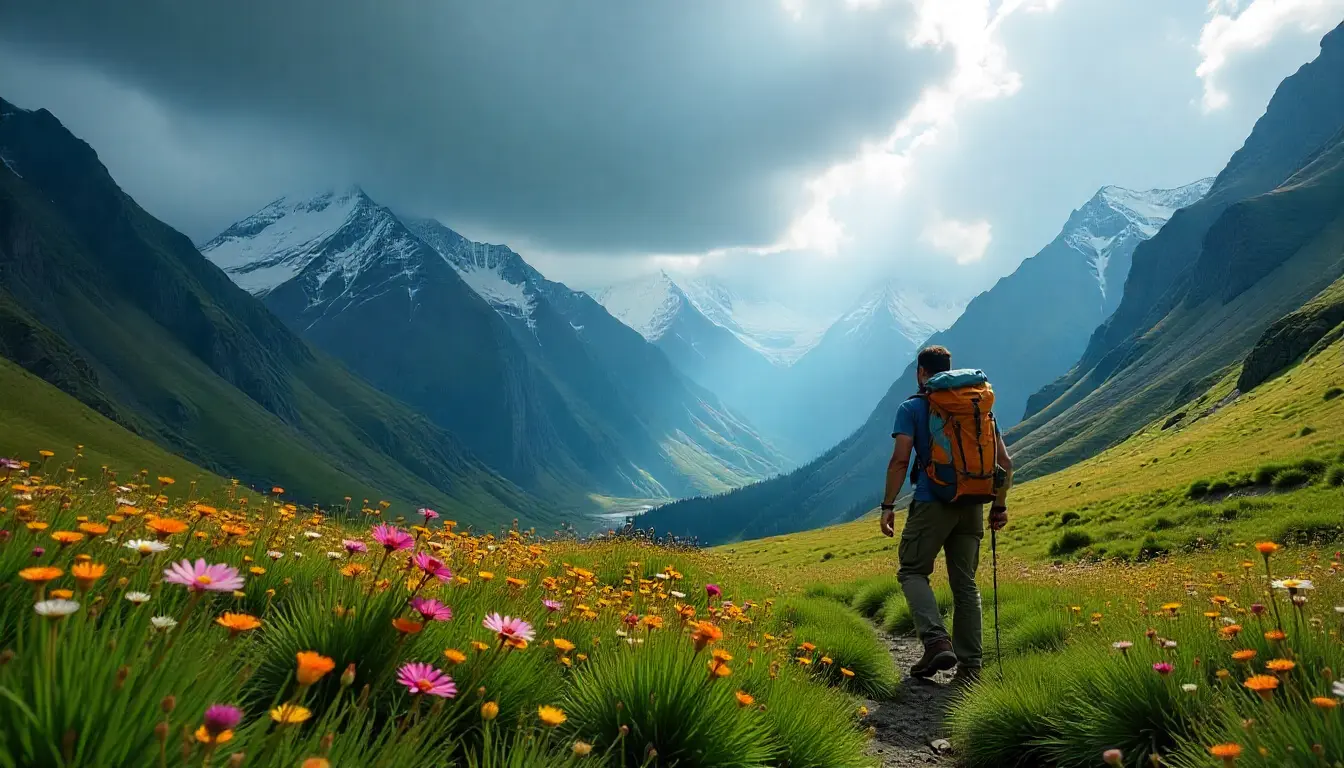
Cultural Highlights Along Mountain Treks in India
Many mountain treks in India pass through culturally rich areas:
- Ladakh: Visit ancient monasteries like Hemis and Thiksey.
- Uttarakhand: Explore spiritual sites like Badrinath and Kedarnath.
- Himachal Pradesh: Interact with local tribes like the Gaddis and Kinnauris.
These cultural encounters make mountain treks in India more than just a physical journey.
Budgeting for Mountain Treks in India
Trekking in India is affordable, with costs varying by region:
- Himalayan Treks: $20–$50 per day, including guides and permits.
- Western Ghats Treks: $10–$30 per day, often self-guided.
- Additional Costs: Gear rentals, travel to trailheads, and food.
For budget tips, see our Trekking on a Budget Guide.
Mountain Treks in India – Frequently Asked Questions
What are the best mountain treks in India for beginners?
Beginner-friendly mountain treks in India include Triund and Nag Tibba, offering manageable trails and stunning views.
How difficult are Himalayan mountain treks in India?
Himalayan treks range from easy (Triund) to difficult (Pin Parvati Pass), depending on altitude and duration.
When is the best time for mountain treks in India?
Summer (April–June) and post-monsoon (September–March) are ideal for most mountain treks in India.
Do I need a guide for mountain treks in India?
Guides are recommended for high-altitude or remote treks like Roopkund or Chadar for safety and navigation.
Are mountain treks in India safe for solo travelers?
Solo trekking is possible on popular trails like Triund but safer with groups or guides on remote routes.
What gear is essential for mountain treks in India?
Sturdy shoes, layered clothing, a backpack, and hydration gear are must-haves.
Conclusion: Start Your Mountain Trekking Adventure
Mountain treks in India offer an unbeatable blend of adventure, nature, and culture. From the serene Valley of Flowers to the challenging Pin Parvati Pass, there’s a trail for every explorer. Plan wisely, pack smart, and embark on a journey that will leave you with stories to tell. Have you trekked in India? Share your experience below or check our Ultimate Himalayan Trekking Guide for more inspiration.
Latest blogs to read
- Delhi Crime Season 3 Release Date Shocks Fans

- BB19 Shehbaz Girlfriend Reaction Goes Viral

- Why BB19 Gaurav Khanna Is Hinting at ‘Unfair Evictions’ Now

- 17 Best Cities for Street Food Every Traveler Should Visit to Avoid Missing Out on Incredible Eats
- 17 Unbeatable Factors That Explain Why Spider-Man Remains the Most Loved Superhero Worldwide

- Why the Delhi Red Fort Blast Probe Now Hinges on a Missing Third Car
- 15 World’s Most Peaceful Places to Disconnect & Recharge — And 5 Overrated Destinations to Skip in 2026
- 17 Essential Travel Safety Tips for Solo Travelers to Avoid Dangerous Mistakes and Travel Confidently
- Shehnaaz Gill Breaks Silence on Shubman Gill Rumors

- Abhishek Bajaj Responds to Ageism Over Bond With Ashnoor Kaur

- Dharmendra Discharged from Hospital, Set to Recover at Home: Official Statement
- Pakistan Warns Afghanistan After Deadly Attacks: ‘Will Pay Back in the Same Coin’