Ceasefire Between Iran and Israel: What It Means for the Middle East
A clear look at the ceasefire between Iran and Israel and its potential impact on regional stability. This brief analysis highlights the key strategic shifts shaping the Middle East in the months ahead.


The recent ceasefire Iran Israel agreement, brokered by U.S. President Donald Trump, has paused a tense 12-day conflict, but both nations accuse each other of violations, raising questions about its longevity. Understanding the ceasefire Iran Israel deal is key to grasping its impact on regional stability and global energy markets.
Introduction: A Fragile Pause in a Heated Rivalry
Imagine waking up to news of missiles lighting up the skies over Tehran and Jerusalem, only for a sudden announcement of peace to silence the chaos. On June 24, 2025, U.S. President Donald Trump declared a ceasefire Iran Israel agreement, halting what he called the “12 Day War.” This unexpected truce between two Middle Eastern powerhouses has gripped the world’s attention, offering hope for peace but leaving many skeptical about its durability. Why does this ceasefire Iran Israel matter? Beyond stopping immediate violence, it could reshape regional alliances, global oil prices, and even nuclear talks. Let’s dive into the story of this fragile peace, its origins, and what it means for the future.
Why Did the Iran-Israel Conflict Escalate in 2025?
The ceasefire Iran Israel didn’t emerge in a vacuum. Tensions between Iran and Israel have simmered for decades, rooted in ideological differences, regional influence, and Iran’s nuclear ambitions. In June 2025, the conflict exploded when Israel launched Operation Rising Lion, targeting Iran’s nuclear facilities, missile production, and military leadership. Israel claimed these strikes were necessary to prevent Iran from developing nuclear weapons, a long-standing concern for Tel Aviv. Iran retaliated with missile barrages, killing 28 in Israel, while Israeli strikes claimed 610 lives in Iran.
This escalation wasn’t just about military might—it was a high-stakes chess game with global implications. The U.S. joined Israel, launching bunker-buster bombs on Iran’s nuclear sites, though a U.S. intelligence report later suggested these strikes only delayed Iran’s nuclear program by months. The world watched as oil prices surged and stock markets wobbled, fearing disruptions in the Strait of Hormuz, a critical oil route controlled by Iran.

$750 Amazon Gift Card
A $750 Amazon gift card may be available to select users. Checking eligibility is quick. You can check if you’re one of them.
How Was the Ceasefire Iran Israel Brokered?
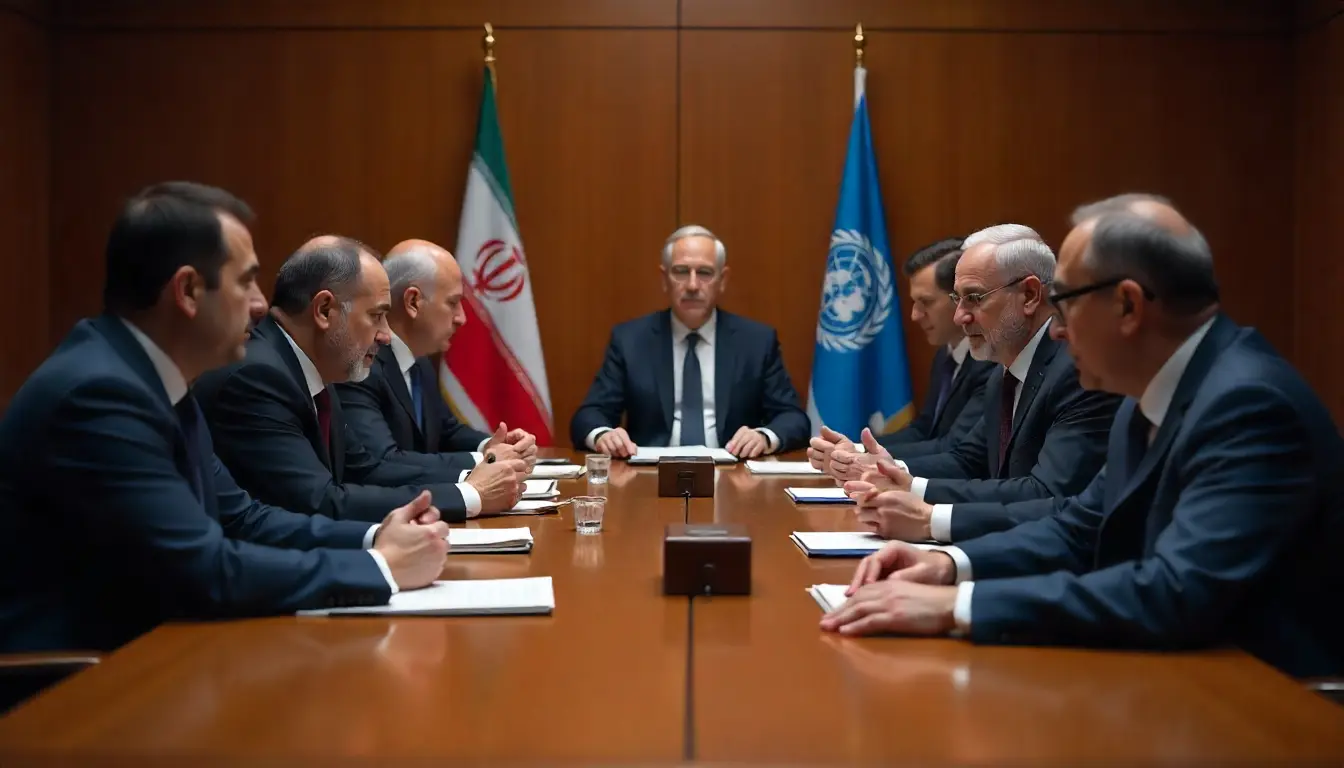
The ceasefire Iran Israel was a diplomatic sprint led by President Trump, with Qatar playing a pivotal mediation role. On June 23, 2025, Trump announced on Truth Social that both nations agreed to a “complete and total ceasefire,” starting with Iran halting attacks for 12 hours, followed by Israel. Qatar facilitated communication between the U.S. and Iran, leveraging its neutral stance to bridge the gap.
However, the truce stumbled at the start. Israel accused Iran of launching missiles hours after the ceasefire began, while Iran denied the claims, alleging Israel struck Tehran first. Trump, frustrated, publicly scolded both sides, urging Israel to “bring your pilots home” and warning of “major violations.” Despite the rocky start, both nations eventually committed to the truce, with Israeli Defense Minister Israel Katz and Iranian President Masoud Pezeshkian pledging compliance—provided the other side did the same.
What Are the Terms of the Ceasefire Iran Israel?
The ceasefire Iran Israel agreement is structured around two 12-hour phases:
- Iran’s Pause: Iran halts all military actions first, starting at 04:00 GMT on June 24, 2025.
- Israel’s Response: Israel follows 12 hours later, ceasing operations by 16:00 GMT.
- Mutual Commitment: Both nations agree to refrain from attacks, with the ceasefire becoming permanent if no violations occur.
The deal aims to end the “12 Day War,” but its fragility is evident. Both sides have accused each other of breaches, and Israel’s military remains on high alert, ready to “respond forcefully” to any violations. Iran’s Supreme National Security Council has similarly vowed a “decisive response” to Israeli aggression.
Why Is the Ceasefire Iran Israel So Fragile?
The ceasefire Iran Israel hangs by a thread due to deep mistrust. Here’s why:
- Mutual Accusations: Israel claims Iran fired missiles post-ceasefire, while Iran insists Israel launched a “three-phase” strike after the truce began.
- Nuclear Tensions: Israel’s strikes aimed to cripple Iran’s nuclear program, but a U.S. report suggests key components, like enriched uranium, were moved to secret sites before the attacks.
- Regional Dynamics: Iran’s proxies, like Hezbollah and the Houthis, remain active, complicating the truce. Israel’s strikes on Hezbollah in Lebanon during the ceasefire period highlight ongoing tensions.
This fragility has real-world consequences. For example, oil prices dropped 2% after the ceasefire announcement, reflecting market relief, but volatility persists due to fears of renewed conflict.
What Are the Global Implications of the Ceasefire?
The ceasefire Iran Israel reverberates beyond the Middle East:
- Energy Markets: Iran’s control of the Strait of Hormuz makes it a linchpin for global oil supply. The ceasefire stabilized crude prices, but any violation could spike them again.
- Nuclear Talks: The International Atomic Energy Agency’s Rafael Grossi urged Iran to resume cooperation, seeing the ceasefire as a chance for diplomatic progress.
- U.S. Role: Trump’s mediation underscores U.S. influence, but his public frustration with both nations highlights the challenges of maintaining the truce.
For everyday people, the ceasefire means a pause in fear. In Haifa, Israel, resident Daniel Kopylkov told Reuters, “I don’t care much about what Trump said. He helped end this war, and that’s what matters.”
How Has the Ceasefire Affected Israel’s Military Strategy?
Israel’s Operation Rising Lion achieved significant goals, including damaging Iran’s Natanz nuclear facility and killing key military figures like IRGC commander Hossein Salami. However, the ceasefire has shifted Israel’s focus:
- Reduced Operations: Israel lifted wartime restrictions, reopening Ben Gurion Airport and resuming normal activities.
- Continued Vigilance: Defense Minister Katz emphasized that Israel will “respond forcefully” to any Iranian violations, maintaining a high state of readiness.
- Resource Strain: U.S. officials noted Israel’s munitions shortages, which may limit its ability to sustain prolonged conflict.
What Is Iran’s Response to the Ceasefire?
Iran’s leadership has framed the ceasefire Iran Israel as a tactical pause rather than a defeat. President Pezeshkian emphasized Iran’s commitment to the truce, provided Israel complies. Iran’s actions include:
- Denial of Violations: Iran rejected claims of post-ceasefire missile launches, accusing Israel of fabricating pretexts for further attacks.
- Nuclear Defiance: Iran’s parliament is exploring withdrawal from the Non-Proliferation Treaty, signaling resistance to Western pressure on its nuclear program.
- Regional Posturing: Iran’s missile strike on a U.S. base in Qatar was a symbolic gesture to save face domestically, avoiding direct escalation with the U.S.
How Does the Ceasefire Impact Gaza and Other Conflicts?
The ceasefire Iran Israel has ripple effects on other regional conflicts. Hamas, backed by Iran, reported progress in Gaza ceasefire talks, with Egypt and Qatar pushing for a deal to release 50 hostages. Analysts suggest Israel’s success against Iran may give Prime Minister Netanyahu leverage to negotiate in Gaza, though his far-right allies resist concessions. Meanwhile, Israel’s strikes on Hezbollah in Lebanon during the ceasefire show that proxy conflicts remain a flashpoint.
What Role Did Qatar Play in the Ceasefire?
Qatar’s mediation was crucial to the ceasefire Iran Israel. As a neutral player with ties to both the U.S. and Iran, Qatar facilitated backchannel talks. Sheikh Mohammed, Qatar’s foreign minister, urged both sides to honor the truce, earning praise from Al Jazeera for another “victory for Qatari diplomacy.” This role highlights Qatar’s growing influence in Middle Eastern peace efforts, building on its success in Gaza negotiations.
Can the Ceasefire Lead to Lasting Peace?
The ceasefire Iran Israel is a pause, not a resolution. Experts like Ori Goldberg, a Tel Aviv-based commentator, argue that Israel’s claims of achieving all objectives are “ridiculous,” given unclear goals ranging from nuclear disruption to regime change. Iran’s resilience, backed by its vast oil reserves and geostrategic position, makes capitulation unlikely. For lasting peace, renewed UN inspections and a nuclear deal resembling the 2015 JCPOA could be a path forward, though Trump’s past withdrawal from that agreement complicates prospects.

$750 Cash App Gift Card
A $750 Cash App gift card may be available to select users. Checking eligibility is quick. You can check if you’re one of them.
Ceasefire Iran Israel – Frequently Asked Questions
What is the ceasefire between Iran and Israel?
The ceasefire Iran Israel is a U.S.- and Qatar-brokered agreement announced on June 24, 2025, to halt a 12-day conflict involving Israeli strikes on Iran’s nuclear and military sites and Iran’s retaliatory missile attacks.
Why did Iran and Israel agree to a ceasefire?
Both nations faced mounting pressure from global markets and allies. Israel achieved partial success in damaging Iran’s nuclear program, while Iran sought to avoid further U.S. involvement after strikes on its facilities. Trump’s mediation and Qatar’s diplomacy facilitated the truce
Has the ceasefire Iran Israel been violated?
Yes, both sides accused each other of violations. Israel claimed Iran fired missiles hours after the truce began, while Iran alleged Israel launched strikes on Tehran. Trump’s intervention calmed tensions, and the ceasefire appears to hold as of June 25, 2025.
How does the ceasefire affect oil prices?
The ceasefire Iran Israel eased fears of disruptions in the Strait of Hormuz, leading to a 2% drop in oil prices. However, market volatility persists due to the truce’s fragility.
Will the ceasefire lead to nuclear talks with Iran?
The ceasefire opens a window for diplomacy, with the IAEA urging Iran to cooperate. However, Iran’s parliament is considering leaving the Non-Proliferation Treaty, complicating negotiations. See Iran’s response.
How does the ceasefire impact Gaza?
The ceasefire Iran Israel has spurred progress in Gaza ceasefire talks, with Egypt and Qatar pushing for a hostage release deal. Israel’s bolstered position may influence negotiations, though challenges remain.
Conclusion: A Step Toward Peace or a Temporary Truce?
The ceasefire Iran Israel has paused a dangerous escalation, offering a glimmer of hope for the Middle East. By halting the 12-day conflict, it has stabilized oil markets, reopened airspaces, and sparked progress in Gaza talks. However, mutual accusations and unresolved issues, like Iran’s nuclear program, threaten its stability. Only time will tell if this ceasefire Iran Israel leads to lasting peace or merely delays the next clash. Share your thoughts on this truce or explore our guides on Middle East conflicts and global diplomacy for more insights.
Latest blogs to read
- Delhi Crime Season 3 Release Date Shocks Fans

- BB19 Shehbaz Girlfriend Reaction Goes Viral

- Why BB19 Gaurav Khanna Is Hinting at ‘Unfair Evictions’ Now

- 17 Best Cities for Street Food Every Traveler Should Visit to Avoid Missing Out on Incredible Eats

- 17 Unbeatable Factors That Explain Why Spider-Man Remains the Most Loved Superhero Worldwide

- Why the Delhi Red Fort Blast Probe Now Hinges on a Missing Third Car

- 15 World’s Most Peaceful Places to Disconnect & Recharge — And 5 Overrated Destinations to Skip in 2026

- 17 Essential Travel Safety Tips for Solo Travelers to Avoid Dangerous Mistakes and Travel Confidently

- Shehnaaz Gill Breaks Silence on Shubman Gill Rumors

- Abhishek Bajaj Responds to Ageism Over Bond With Ashnoor Kaur

- Dharmendra Discharged from Hospital, Set to Recover at Home: Official Statement
- Pakistan Warns Afghanistan After Deadly Attacks: ‘Will Pay Back in the Same Coin’