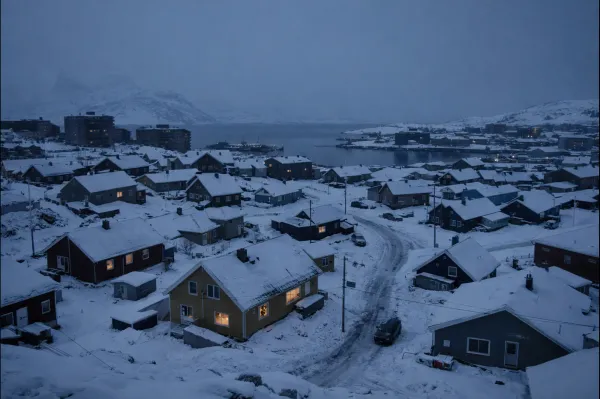
Why Power Outages Are Especially Serious in Arctic Cities
In Arctic cities, electricity supports heating, water systems, healthcare, and communication. This explainer shows why even short power outages can become serious safety risks in extreme cold environments.

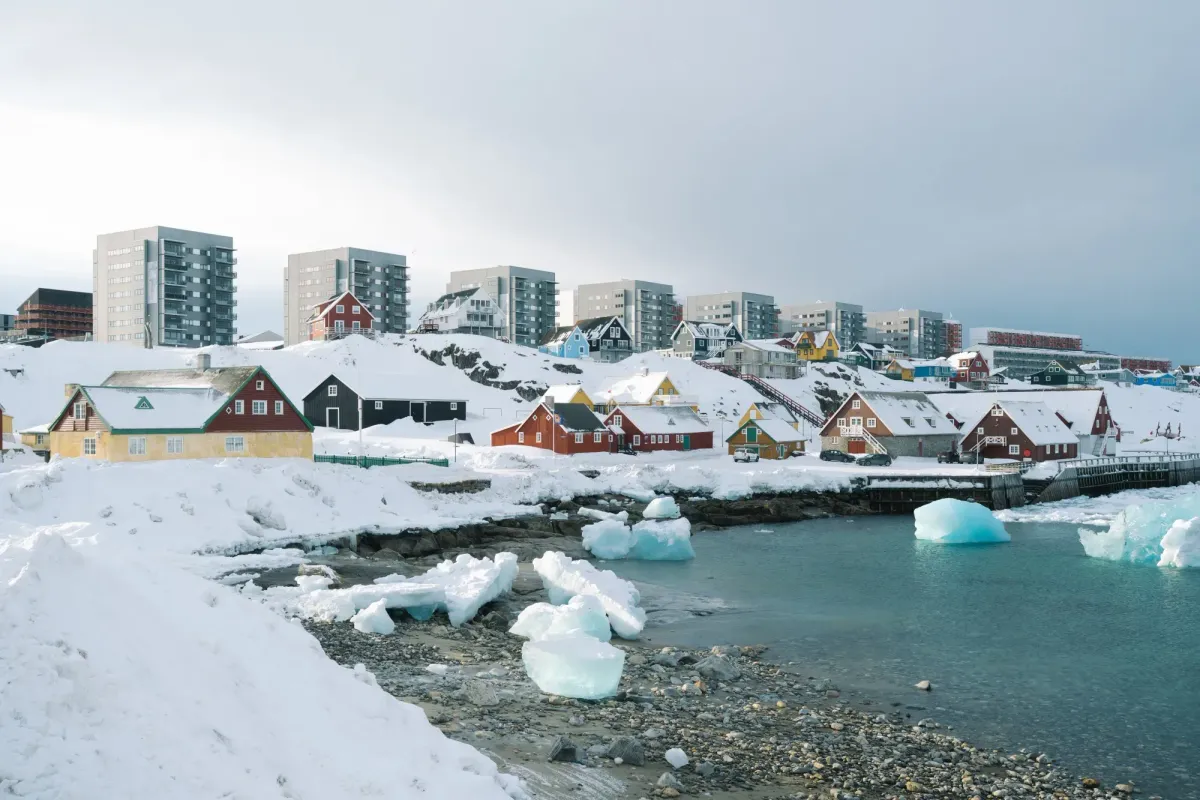
Why This Question Comes Up So Often
People living in milder climates are used to short power cuts that mainly affect lighting, internet access, or appliances. When they hear about outages in Arctic cities, the response is often confusion rather than concern.
The reason this topic matters is simple: in extreme cold, electricity is closely tied to basic living conditions. Understanding why outages are taken so seriously requires looking at how Arctic cities function day to day.

$750 Cash App Gift Card
Not everyone qualifies for this $750 Cash App gift card. Checking only takes a moment. You can check if you’re eligible.
What a Power Outage Really Means in the Arctic
In Arctic cities, electricity supports systems that are essential rather than optional.
Places such as Nuuk, Iqaluit, and Tromsø depend on continuous power for heating, water circulation, healthcare services, and communication networks.
When electricity stops, these systems do not fail one by one. They often fail together. That interconnectedness is what makes outages particularly serious in cold regions.
Why the Stakes Are Higher Today
Arctic cities are more energy-dependent than they were in the past.
Modern buildings rely on electric controls for heating systems. Water supply and wastewater treatment depend on powered pumps. Emergency services and hospitals require stable electricity to operate safely. Digital communication has become central to coordination and public safety.
At the same time, Arctic environments are becoming less predictable. Temperature fluctuations, ice buildup, and changing weather patterns place additional stress on infrastructure that was designed for consistently cold conditions.
What has not changed is isolation. Arctic cities remain geographically remote, which limits redundancy and slows repairs.
 Shyamli Singh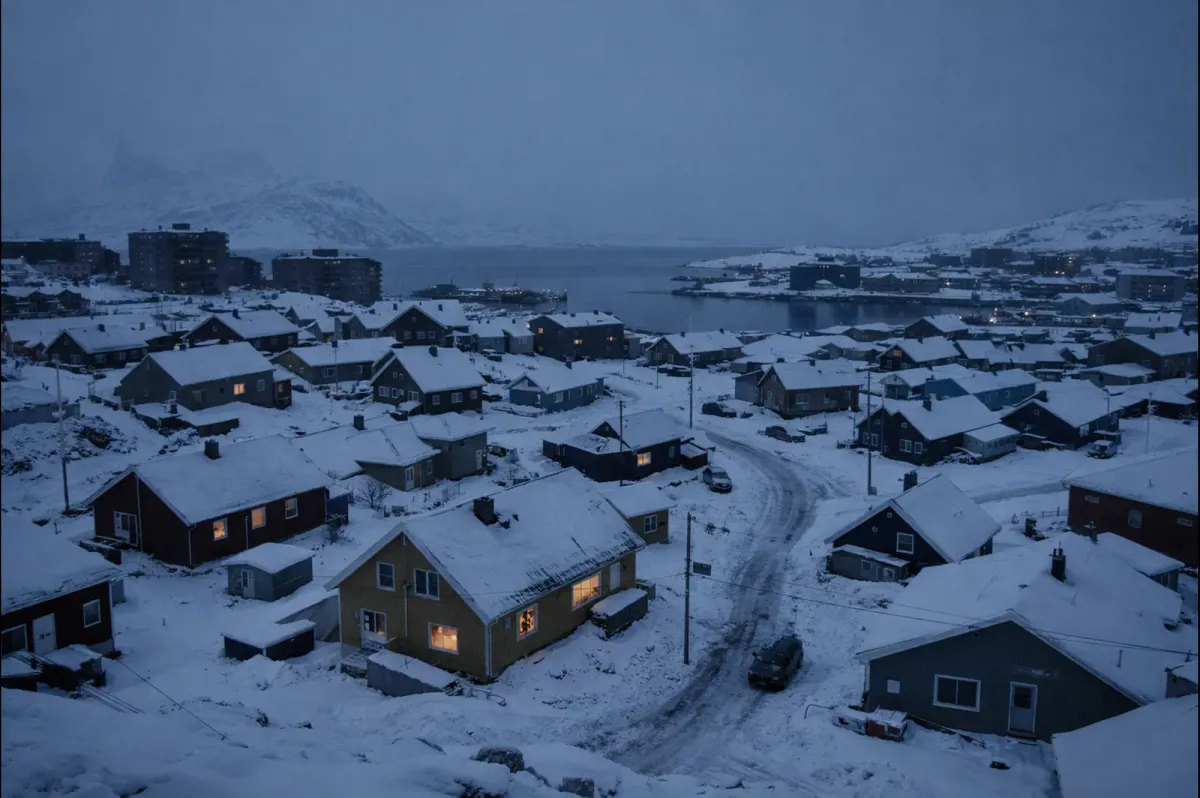
How Power Systems Behave in Extreme Cold
Electricity systems in Arctic cities tend to share a few defining characteristics.
Heating dependence is one of the most important. Even when buildings use fuel-based heating, electricity often controls circulation, ventilation, and safety systems. Without power, heat may not reach living spaces.
In many Arctic regions, winter temperatures regularly fall below −20°C (−4°F). At those levels, indoor heating is not about comfort—it is about preventing freezing and maintaining safe conditions.
Infrastructure design also plays a role. Power grids are often compact and centralized. A fault at a single substation or transmission line can affect large parts of a city at once, with limited alternative routes available.
Cold temperatures further complicate recovery. Batteries drain faster, mechanical components become brittle, and systems must be restarted carefully to avoid additional damage.
How This Plays Out in Real Life
During winter outages, residents may be asked to limit water use because pumping systems are unstable. Even after electricity returns, frozen pipes can require days of repairs.
Another common experience involves communication. Mobile networks often rely on limited backup power. As outages continue, signal strength can drop, making it harder for residents to receive instructions or seek help.
These outcomes are often surprising to people who associate power outages mainly with temporary discomfort.
In Plain Language
Power outages are more serious in Arctic cities because electricity supports heating, water systems, healthcare, and communication at the same time. Extreme cold, centralized infrastructure, and geographic isolation mean outages affect large areas and take longer to resolve. Even short disruptions can create safety risks that are uncommon in warmer regions.
Common Misunderstandings
One common misunderstanding is assuming that Arctic power systems are poorly designed. In reality, they are designed for local conditions but face limits imposed by climate and geography.
Another is comparing Arctic cities directly to large mainland cities without considering scale, redundancy, and access to repair resources.
It is also easy to underestimate how quickly indoor environments can become unsafe when heating systems lose power in extreme cold.
What to Read Next
- Why the US and Europe Are Competing for Greenland’s Strategic Future
- Trump’s ‘No Going Back’ Greenland Push Raises Alarm Across Europe
- Why Trump’s Greenland Threats Are Affecting Global Trade and Diplomacy

$500 Walmart Gift Card
Not everyone qualifies for this $500 Walmart gift card. Checking only takes a moment. You can check if you’re eligible.
Questions People Often Ask
Why are power outages more dangerous in Arctic cities?
Because electricity supports essential systems like heating and water, outages can quickly affect health and safety.
Do Arctic cities rely only on electricity for heating?
Not always, but electricity often controls or supports heating systems, even when other fuels are used.
Are Arctic power grids unreliable?
They are generally stable but face unique challenges related to cold, isolation, and limited backup pathways.
Why does restoration take longer in cold regions?
Extreme weather slows repairs, and systems must be restarted gradually to prevent further failures.
Can Arctic cities eliminate outages entirely?
No power system can eliminate outages completely, especially in extreme environments.
Key Observations to Take Away
In Arctic cities, electricity underpins daily life in ways that are easy to overlook elsewhere. Power outages matter more because the margin for error is small, the environment is unforgiving, and recovery takes time. Seeing outages through this lens explains why they are treated as serious events rather than routine disruptions.