USA vs India: Used Car Secrets You Should Know
This comparison of the USA vs India used car market uncovers hidden pricing factors, buying risks, and smart negotiation tricks—revealing the key secrets every buyer should know before choosing their next vehicle.


Introduction
The USA used car market is worth over a trillion dollars — larger than the entire new car industry in most countries. From electric Teslas to certified Toyotas, the American resale ecosystem runs on trust, transparency, and technology.
But here’s the twist: the U.S. model doesn’t just benefit Americans. It offers invaluable lessons for India’s fast-evolving second-hand car sector — one that’s on track to outpace new car sales within the next five years.
So, what can Indian buyers learn from America’s finely tuned used car engine? Let’s take a ride through the systems, secrets, and strategies that make the U.S. market so efficient — and what India can do to replicate its success.
Key Takeaways:
- The USA used car market thrives on trust, data, and certification.
- India’s pre-owned market is catching up fast — but lacks system maturity.
- Smart buyers can learn how to evaluate, price, and future-proof their cars.
What Is the USA Used Car Market and Why Is It So Successful?
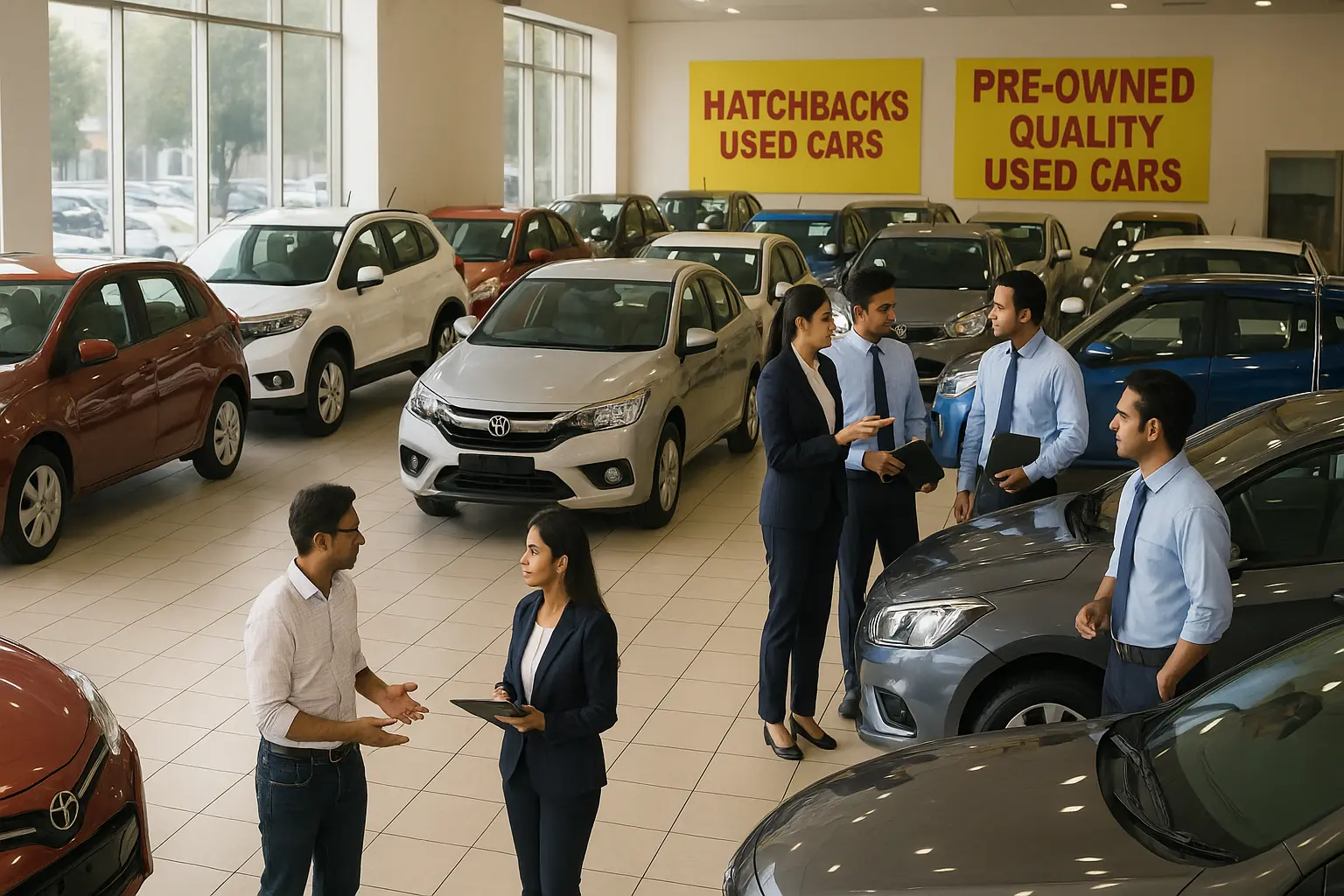
The USA used car market refers to the massive network of dealerships, digital platforms, and private sellers trading pre-owned vehicles. Unlike in many countries, buying a used car in the U.S. is not seen as a compromise — it’s a smart, practical decision.
Why It Works So Well:
- Transparency in Pricing: Vehicle history reports, mileage tracking, and service logs are mandatory.
- Certified Pre-Owned (CPO) Programs: Automakers guarantee inspection, refurbishment, and warranties.
- Technological Ecosystem: Online listings include financing, home delivery, and digital test drives.
- Consumer Protection Laws: Strict lemon laws protect buyers from defective vehicles.
This mix of regulation and innovation keeps the market dynamic, profitable, and trusted.

$750 Cash App Gift Card
Some users qualify for a $750 Cash App gift card. You can check if you qualify.
Why the USA Model Matters for India
India’s used car segment is booming — but it’s fragmented. Platforms like Spinny, Cars24, and OLX have professionalized parts of the market, yet the trust deficit persists. The U.S. market shows how structure and standardization can create nationwide credibility.
Here’s why the U.S. experience is relevant:
- India’s demand-supply gap: New car ownership remains aspirational, making used cars the entry point for millions.
- Value retention lessons: The U.S. data-driven approach to depreciation can help Indian buyers make smarter purchase decisions.
- Transition to EVs: As electric vehicles enter the Indian used car market, America’s EV resale trends provide a playbook for pricing and warranties.
In short, the U.S. market demonstrates that a used car can be a trusted asset, not a gamble.
What Makes the USA Used Car Market So Efficient?
1. Data Transparency Builds Trust
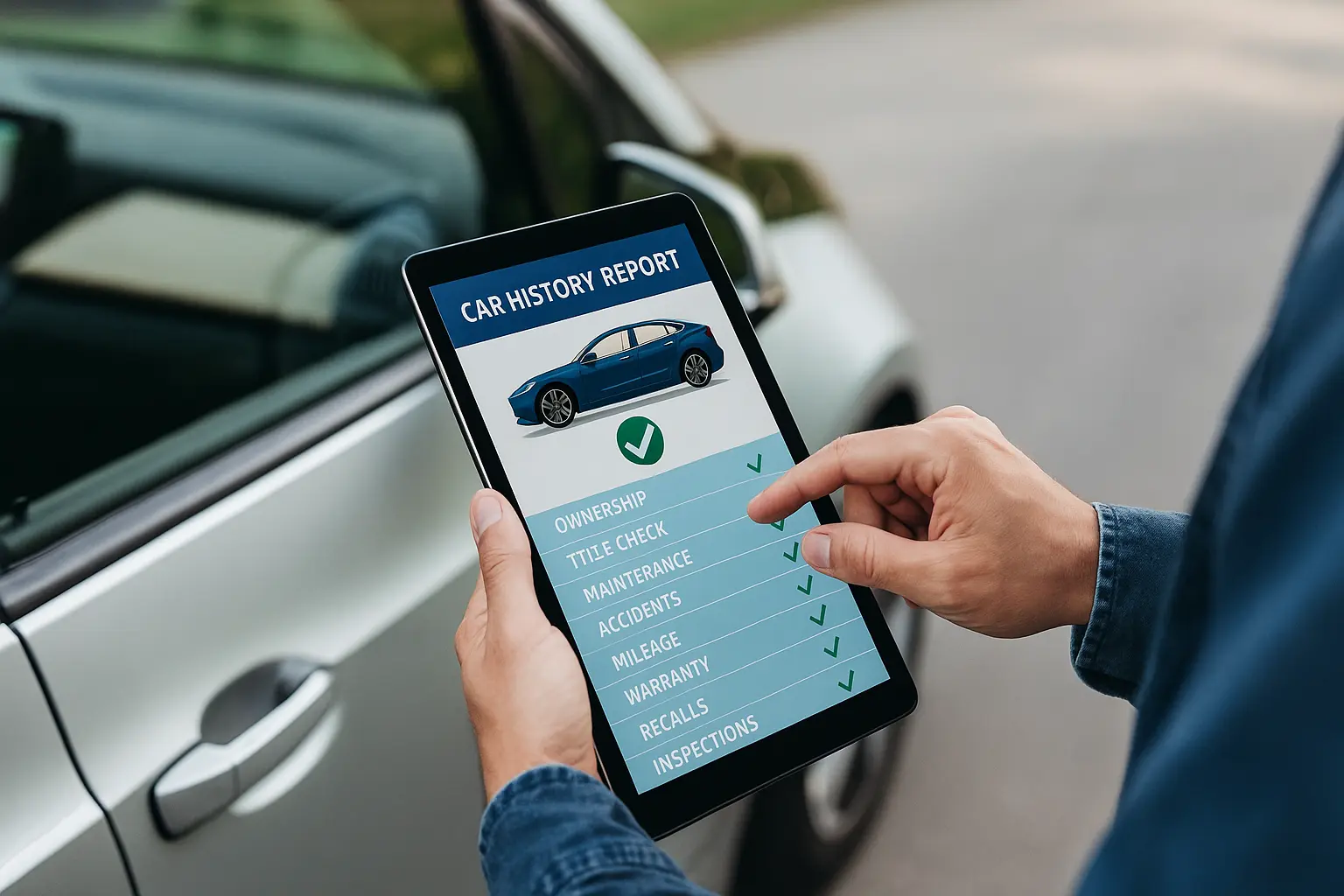
Every car sold in the U.S. carries a complete record — ownership history, accident data, insurance claims, and maintenance logs. This transparency transforms negotiation from guesswork into informed decision-making.
2. Certified Programs Create Confidence
Brands like Toyota, BMW, and Ford run “Certified Pre-Owned” (CPO) programs where used cars are refurbished and guaranteed like new. India can adapt this model through automaker-backed certifications to bridge the trust gap.
3. Financing Fuels Accessibility
Over 40% of used cars in the U.S. are financed — often with low interest rates. India’s financial ecosystem can follow suit, encouraging banks to finance used cars more aggressively, especially EVs.
4. Digital Transformation
American buyers browse, compare, and buy online — with complete price breakdowns and doorstep delivery. Indian platforms are evolving but must standardize quality checks and digital warranties to build similar confidence.
5. Market Maturity
Unlike India’s emotion-driven market, U.S. consumers focus on long-term value. They use data tools to track depreciation and predict resale timelines.
What Can Indian Buyers Learn from the USA Used Car Market?
Lesson 1: Know the True Value of a Car
In the U.S., online calculators and AI tools predict resale prices accurately. Indian buyers should adopt this mindset — research depreciation, service history, and upcoming model updates before buying.
Lesson 2: Inspect Before You Invest
American dealerships rely on detailed inspections — checking engine health, battery performance, and safety. Indian buyers must insist on professional third-party inspections to avoid future regrets.
Lesson 3: Prioritize Ownership History
A single-owner, low-mileage car in the U.S. fetches higher resale value. In India, transparency around ownership and accident history should be a buyer’s top priority.
Lesson 4: Understand Depreciation Timing
In the U.S., cars lose 20–25% value in the first year. Knowing when to buy (2–3 years old) ensures you get maximum value. The same principle applies to Indian buyers targeting nearly-new vehicles.
Lesson 5: Embrace Digital Trust
Digital contracts, verified listings, and AI-powered price benchmarks are key to the U.S. model. Indian marketplaces should evolve toward transparent, verified, and data-backed resale ecosystems.
How Can India Adapt the U.S. Approach?
- Introduce a Nationwide Vehicle History Database
India’s VAHAN portal is a start, but integrating service and insurance records can mirror U.S.-style transparency. - Develop Local CPO Programs
Manufacturers like Maruti and Hyundai can scale certified used car programs to ensure inspection-based warranties. - Encourage Used EV Certification
Battery degradation tracking should become standard. This builds trust as India transitions to electric mobility. - Create Smart Financing Options
Used car loans in India should match the flexibility of new car financing. FinTech platforms can bridge this gap. - Reward Ethical Dealers
Just as U.S. regulators grade dealerships, India can introduce compliance ratings for sellers who uphold transparency.
Common Mistakes and Myths in India’s Used Car Market
Myth 1: Used cars are unreliable.
Modern vehicles are built for longevity; with proper inspection, they can easily last over a decade.
Myth 2: Buying from individuals is always cheaper.
Dealerships often offer warranties and post-sale support that justify slightly higher prices.
Myth 3: Mileage is the only indicator of value.
Condition, accident history, and brand reliability matter more than kilometers driven.
Myth 4: EVs have poor resale value.
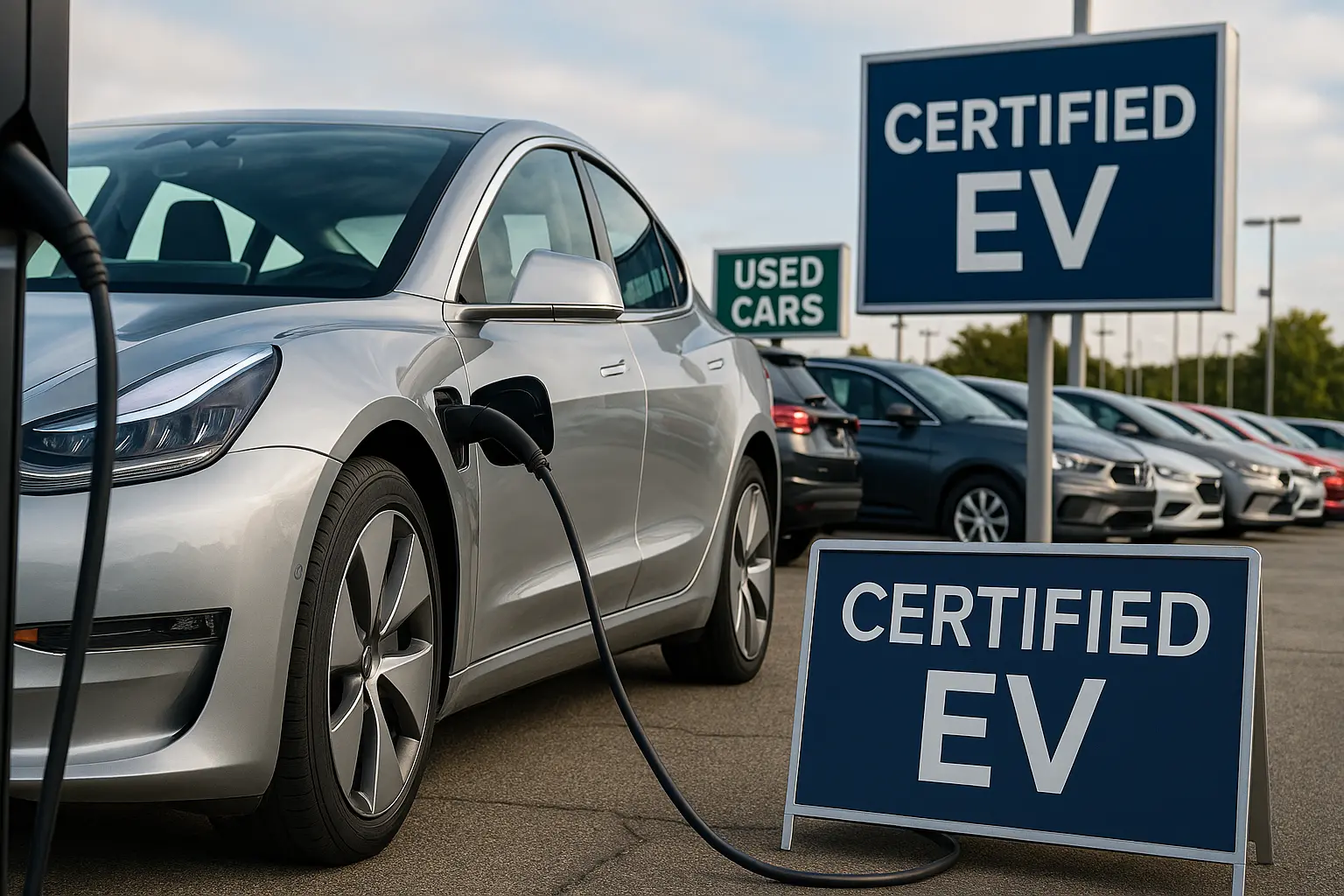
In the U.S., electric resale markets are rising fast — India will follow as charging infrastructure expands.
Expert Views and Case Studies
Industry analysts predict India’s used car-to-new car sales ratio will hit 2:1 by 2028, mirroring the U.S. market’s maturity. Experts emphasize that data transparency and digital validation will define the winners in this segment.
Auto economists note that as India electrifies, battery health and software updates will replace traditional mileage-based valuation — a lesson directly borrowed from the U.S. EV resale model.
Dealerships that merge trust + tech + transparency will become the dominant players, creating a trillion-rupee industry by 2030.

$750 Amazon Gift Card
Not everyone qualifies for this $750 Amazon gift card. Checking only takes a moment. You can check if you’re eligible.
FAQs
Q1. What makes the USA used car market a benchmark?
It’s highly organized, transparent, and driven by certified, data-backed systems ensuring fair pricing and buyer protection.
Q2. How can Indian buyers use these insights?
By demanding vehicle history, professional inspection, and transparent pricing from dealers or platforms.
Q3. Are EVs included in the U.S. used car market lessons?
Yes. Battery certification and range testing are now central to resale value — key lessons for India’s EV future.
Q4. What’s the biggest difference between the two markets?
Trust and data access — the U.S. uses technology to ensure integrity, while India still relies heavily on verbal assurance.
Q5. Can India surpass the U.S. in used car growth?
In volume, yes. With digital adoption and local certification programs, India could lead the next wave of global used car innovation.
Key Takeaways
- The USA used car market thrives on data transparency, certification, and consumer trust.
- India’s second-hand car ecosystem can evolve by adopting these same principles.
- The key lies in building inspection systems, digital histories, and ethical dealer frameworks.
- As India moves toward electric mobility, lessons from America’s EV resale system will shape long-term success.
- The future of electric cars is not “second-hand” — it’s smart, sustainable, and certified.
Conclusion
The USA used car market offers more than economic efficiency — it offers a blueprint for cultural transformation. In America, buying used means buying smart. For India, embracing that mindset could redefine how millions experience mobility.
As both nations move toward electric, connected, and circular economies, the U.S. model serves as both a mirror and a map. It shows that sustainability isn’t only about new technology — it’s about reusing wisely, valuing longevity, and building systems people trust.
If India learns from these lessons, the next time you buy a used car, you won’t just be saving money — you’ll be driving change.