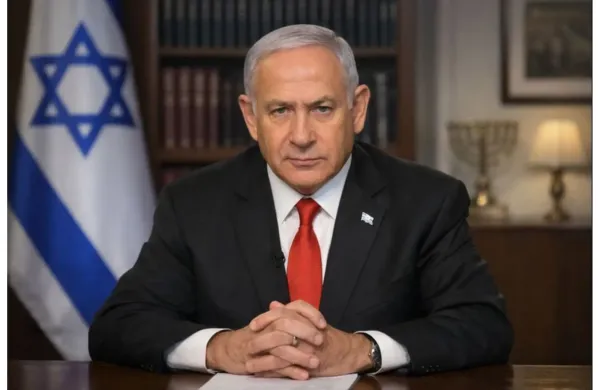
Trump Consults Israel and Saudi Arabia on Iran as Military and Diplomatic Tracks Diverge
Senior Israeli and Saudi officials are in Washington as the Trump administration weighs possible military action against Iran. With oil prices jumping, diplomacy strained, and pressure building from all sides, the next US move could reshape the region.

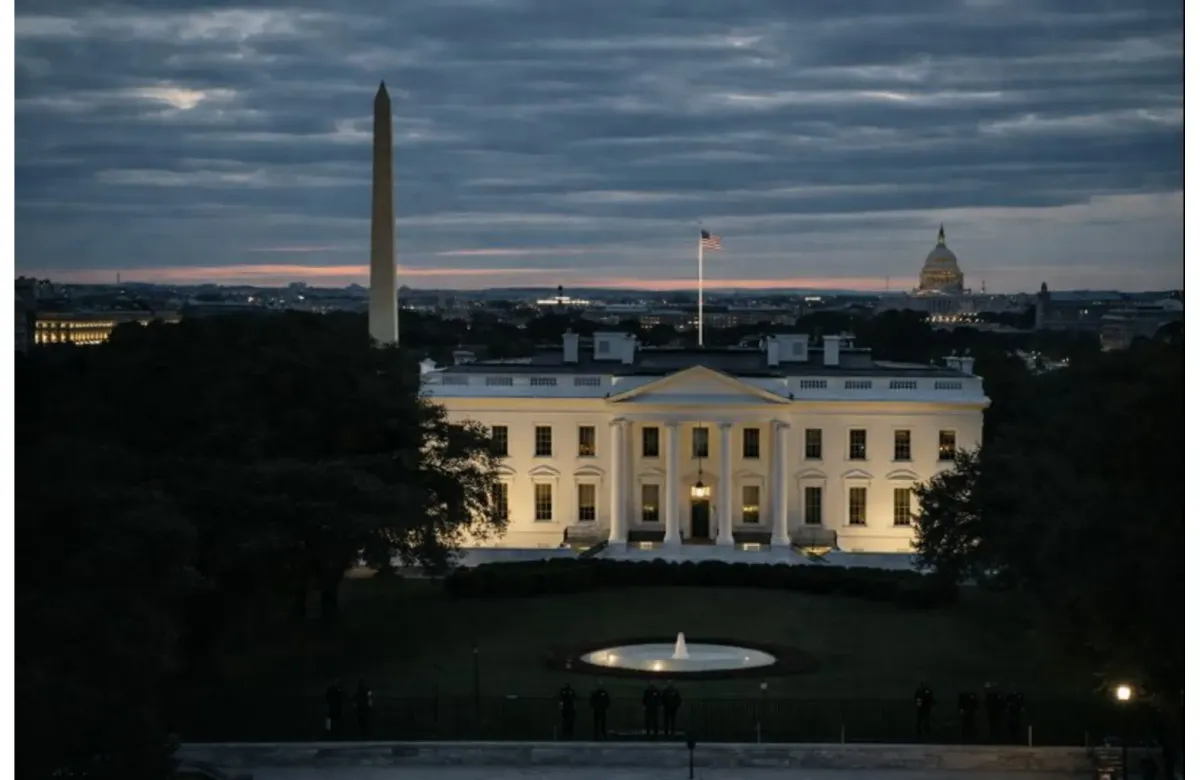
Trump Administration Hosts Israeli and Saudi Officials Amid Iran Tensions
The Trump administration is hosting senior defense and intelligence officials from Israel and Saudi Arabia. According to reports, top Israeli and Saudi officials are in Washington DC this week to hold talks with the Trump administration about possible US military strikes on Iran. This comes as President Donald Trump is actively considering military options against Tehran.
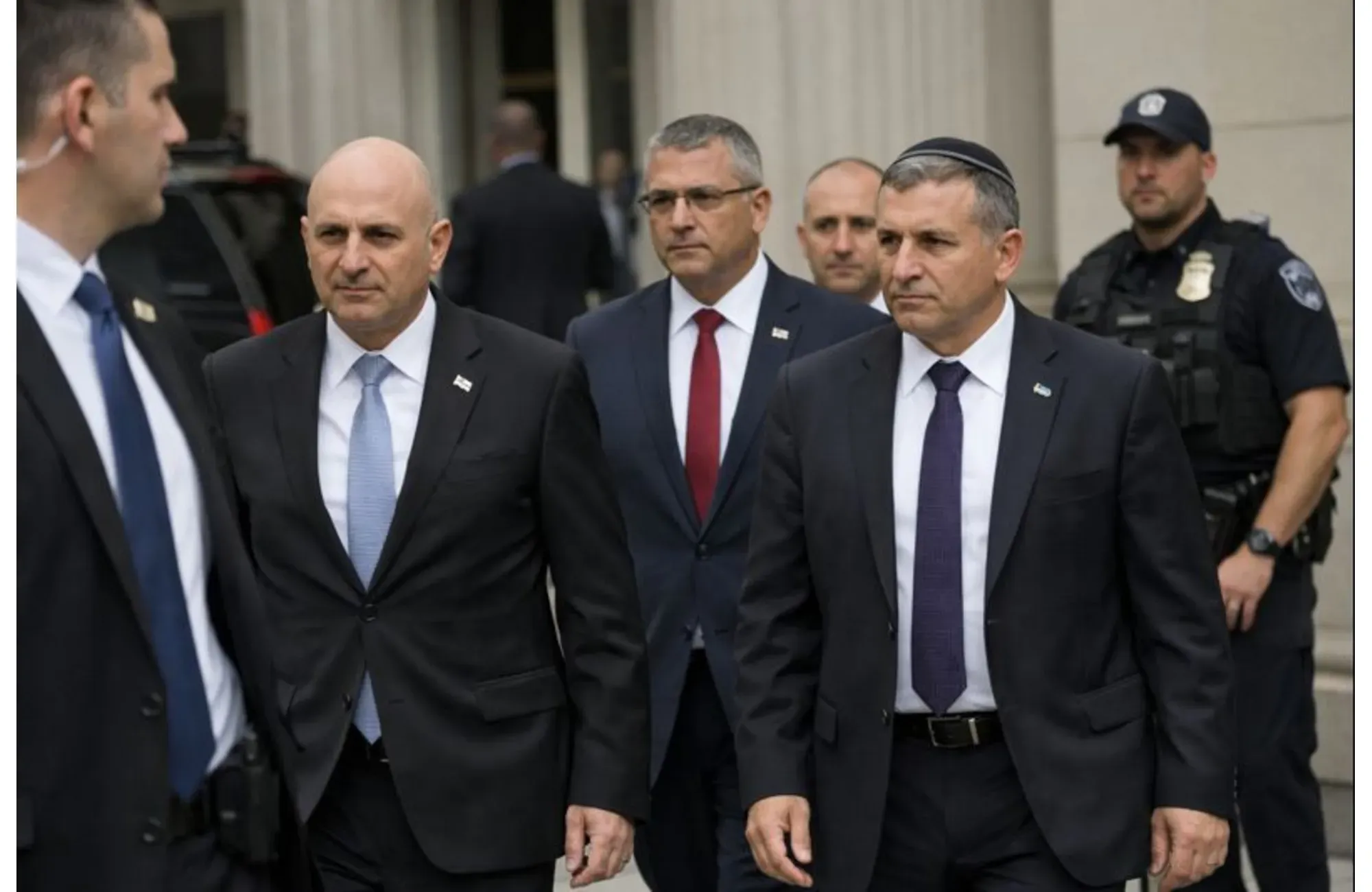
Israeli officials, including the head of the IDF Intelligence Directorate, Shlomi Binder, are sharing intelligence on potential targets inside Iran. At the same time, Saudi officials are pursuing diplomatic efforts aimed at preventing war.
High-Level Meetings in Washington
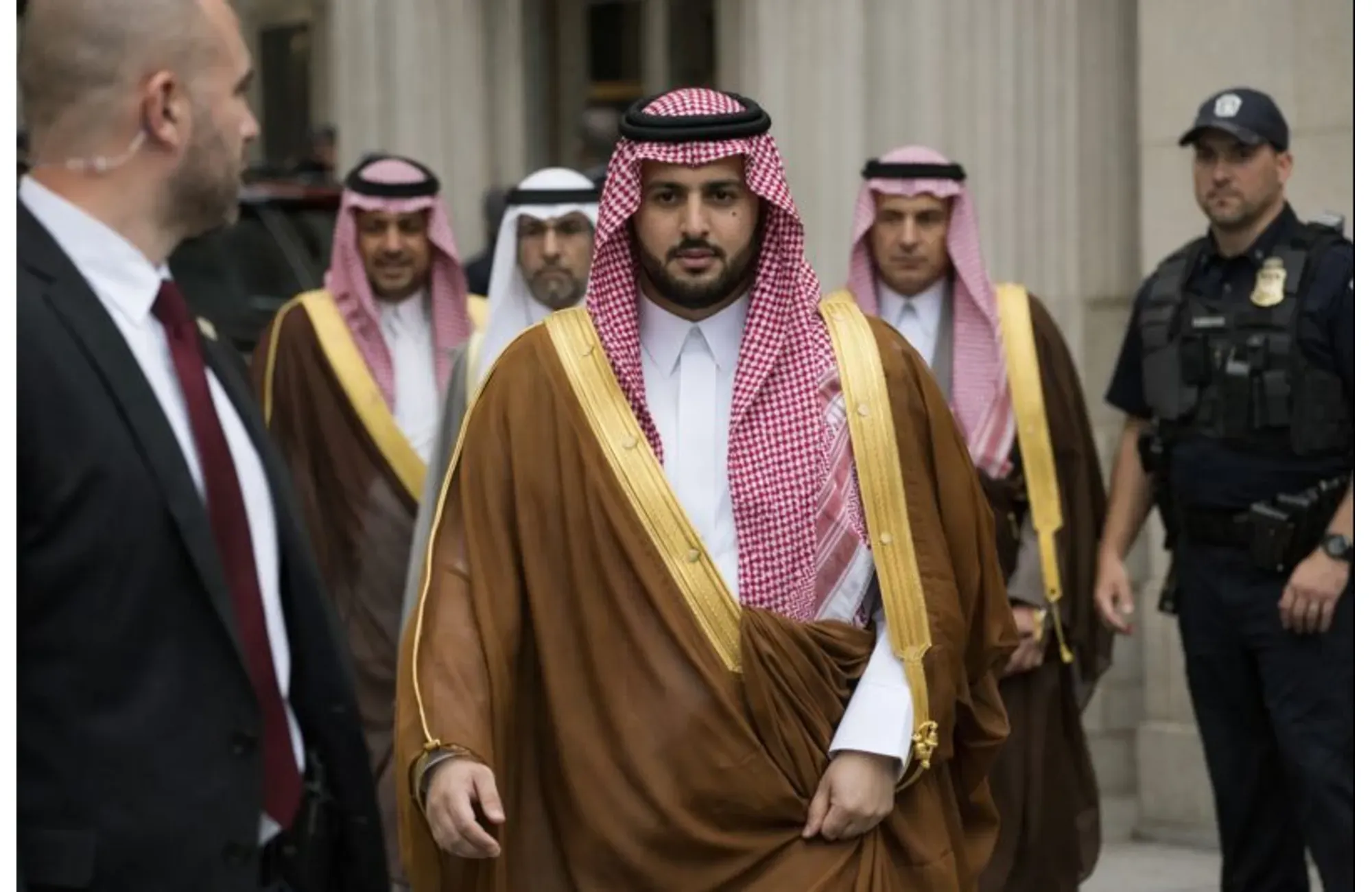
Shlomi Binder met senior officials from the Pentagon, CIA, and the White House on Tuesday and Wednesday. Meanwhile, Saudi Defense Minister Khalid bin Salman—brother of Crown Prince Mohammed bin Salman—is meeting US Secretary of State Marco Rubio and Trump’s special envoy Steve Witkoff today and tomorrow.
Saudi Arabia has made its position clear. Crown Prince Mohammed bin Salman told Iranian President Masoud Pezeshkian that Riyadh will not allow its airspace or territory to be used for military action against Iran. The United Arab Emirates has also stated it will not permit the use of its airspace or land for attacks on Iran.

$750 Amazon Gift Card
A $750 Amazon gift card may be available to select users. Checking eligibility is quick. You can check if you’re one of them.
Russia and Global Reactions as Oil Prices Rise

At the same time, Russian President Vladimir Putin met UAE President Mohammed bin Zayed Al Nahyan in Moscow. Putin said Russia is closely monitoring the situation involving Iran and wants to discuss it further. As tensions rose, oil prices jumped in London trading. US benchmark crude oil, West Texas Intermediate, surged 5.1 percent to $64.43 a barrel.
Iran again warned that it would respond with crushing force to any attack. Meanwhile, the European Union designated Iran’s Revolutionary Guards as a terrorist organization.
Escalating Warnings Between Washington and Tehran
Washington and Tehran have been exchanging sharp warnings since protests spread across Iran. President Trump previously threatened military action in response to Iran’s crackdown on protesters. Iran has described the unrest as riots and blamed the United States and Israel.
This confrontation is sending shockwaves through the region. Calls for diplomacy and de-escalation are growing, drawing in major regional and global actors.
Two Different Paths: Israel and Saudi Arabia
There is intense diplomatic activity around US–Iran tensions. Israeli and UAE officials are meeting the Trump administration in Washington. Israeli and Saudi officials are both present in the US—but they are pursuing very different approaches.
The Israeli side is working closely with the Trump administration and sharing intelligence about potential targets inside Iran. The Saudi side, by contrast, is focused on easing tensions and preventing escalation, hoping to reduce the risk of war.
Stalled US–Iran Talks and What Comes Next
Despite multiple diplomatic channels, the most critical one—direct talks between the US and Iran—remains frozen. Reports say negotiations have been stalled for years, with no breakthrough in sight. Positions on both sides remain unchanged.
Iran insists it will not abandon its nuclear capabilities, which it says are for civilian purposes, nor its ballistic missile program. The United States, across multiple administrations, has demanded the complete dismantling of Iran’s nuclear program and missile capabilities.
It feels like a familiar cycle repeating again. President Trump is expected to hold a cabinet meeting shortly, which may provide more clarity on where US–Iran diplomacy stands and what steps could follow. Still, Trump is known for keeping his plans close. It will be interesting to see what happens in the next few hours and days
Related Stories
- Israel Warns Iran of Unprecedented Response as Regional Tensions Rise
- What Is Happening in Iran? Violent Protests, Rising Death Toll, and Political Fallout
- Scary information came from Iran, Trump again threatened, but kept suspense on the action
- Iran Under Pressure: Internal Unrest, External Threats, and a System Under Strain
- Trump’s Decision Not to Strike Iran: Caution or Calculated Strategy?
- Trump Signals a Major Iran Move as US Forces Take Strategic Positions

$500 PayPal Gift Card
Not everyone qualifies for this $500 PayPal gift card. Checking only takes a moment. You can check if you’re eligible.
People Also Ask queries-FAQs
1. Why are Israeli and Saudi officials meeting the Trump administration now?
They are in Washington to discuss rising tensions with Iran as the US considers military options, while Israel and Saudi Arabia pursue different approaches—one focused on intelligence sharing and the other on preventing escalation.
2. What role is Israel playing in these talks?
Israeli officials are sharing intelligence with the US on potential targets inside Iran, signaling readiness for stronger action if tensions escalate.
3. How is Saudi Arabia’s approach different?
Saudi Arabia is pushing for de-escalation and has made clear it will not allow its airspace or territory to be used for military action against Iran.
4. Why are oil prices rising amid these developments?
Oil prices jumped as fears grew that any conflict involving Iran could disrupt supplies, especially through key routes like the Strait of Hormuz.
5. Are the US and Iran in direct talks?
No. Reports say direct US–Iran negotiations have been stalled for years, with both sides holding firm positions on nuclear and missile programs.