Greenland Power Outage Explained: What Happened During the Nuuk Blackout
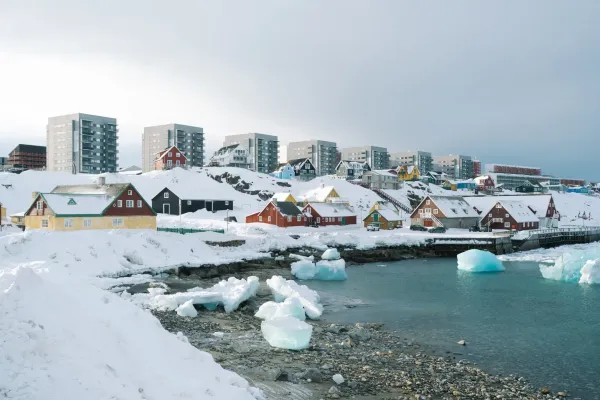
In late January 2026, Nuuk experienced a city-wide power outage that disrupted electricity and heating. This explainer breaks down what happened, why Greenland’s electricity system behaves differently, and what the blackout reveals about Arctic infrastructure.

Why So Many People Looked for Answers
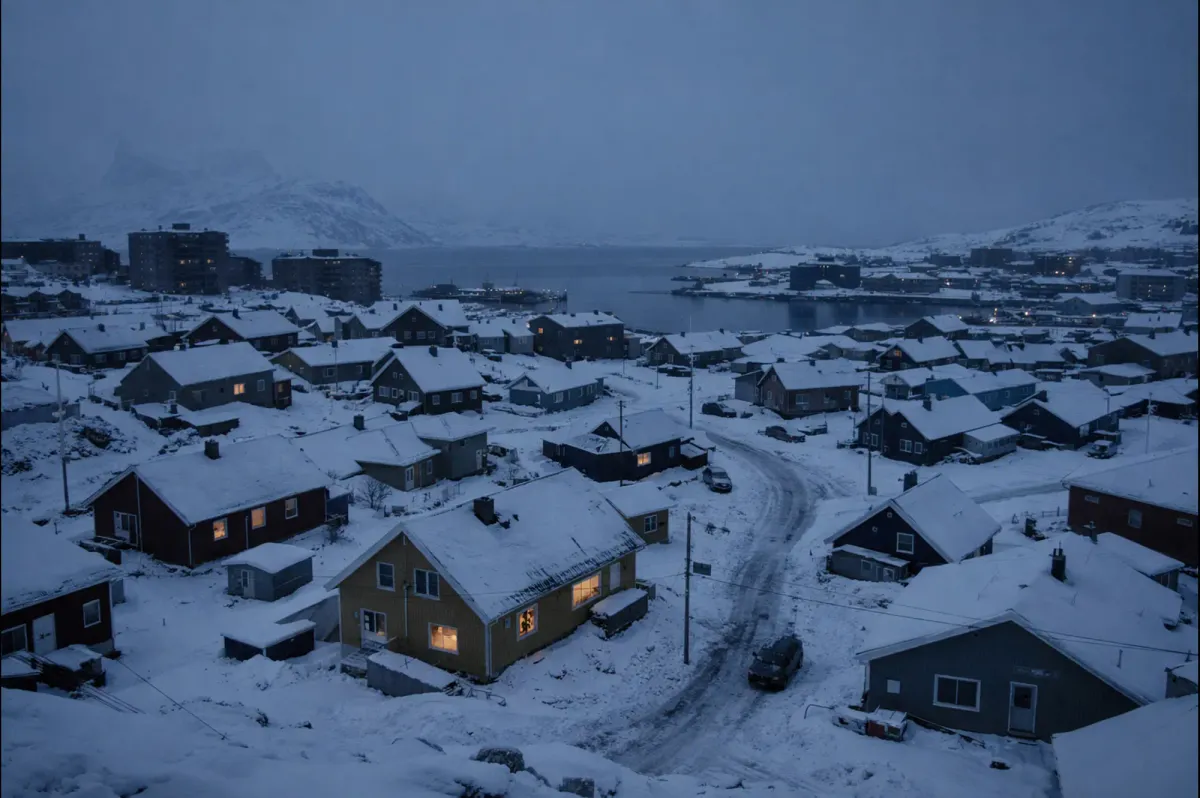
In late January 2026, a large part of Nuuk experienced a sudden power outage that disrupted electricity and heating across the city. For residents, the blackout was immediate and disruptive. For observers elsewhere, it raised a broader question: how can an entire capital city lose power at once?
The interest is not only about what failed, but about how Greenland’s electricity system works and why outages behave differently in Arctic regions compared with larger countries.

$500 Walmart Gift Card
Not everyone qualifies for this $500 Walmart gift card. Checking only takes a moment. You can check if you’re eligible.
What Happened During the Nuuk Power Outage
The Nuuk power outage began when a fault occurred within the local electricity distribution system. As a safety response, automated protection mechanisms shut down key parts of the grid. This led to a city-wide blackout that affected homes, businesses, and public services.
Electricity and heating were both disrupted. Power was restored in stages over several hours as engineers carefully restarted sections of the grid and confirmed system stability. There was no indication that electricity production itself had collapsed; the issue lay in distribution and grid protection rather than generation.
This pattern is typical of a Greenland power outage in a centralized system designed to prevent long-term damage.
What a Power Outage Means in Greenland’s Capital
A Nuuk blackout cannot be understood in the same way as outages in large, interconnected countries.
Nuuk receives most of its electricity from nearby hydropower plants. These facilities feed into a compact electricity network with a limited number of substations and transmission paths. Unlike national grids with many alternate routes, Nuuk’s system depends on a few critical components.
When one of those components shuts down—whether due to a fault or as a precaution—the impact can spread quickly across the city. The outage reflects system structure rather than a single dramatic failure.
Why This Matters Beyond Nuuk
This event matters because it highlights broader challenges facing Arctic infrastructure.
Extreme cold, ice, and rapid temperature changes place constant stress on electrical equipment. At the same time, Nuuk’s growing population has increased reliance on uninterrupted electricity for heating, healthcare, water supply, and digital communication.
Events like this often renew attention on Arctic infrastructure resilience and Greenland’s growing strategic importance. As the region gains more global attention, the reliability of essential systems becomes a concern not only for residents but for long-term planning and stability.
How the Greenland Electricity System Works in Practice
The Greenland electricity system is built around local, renewable production rather than large-scale redundancy.
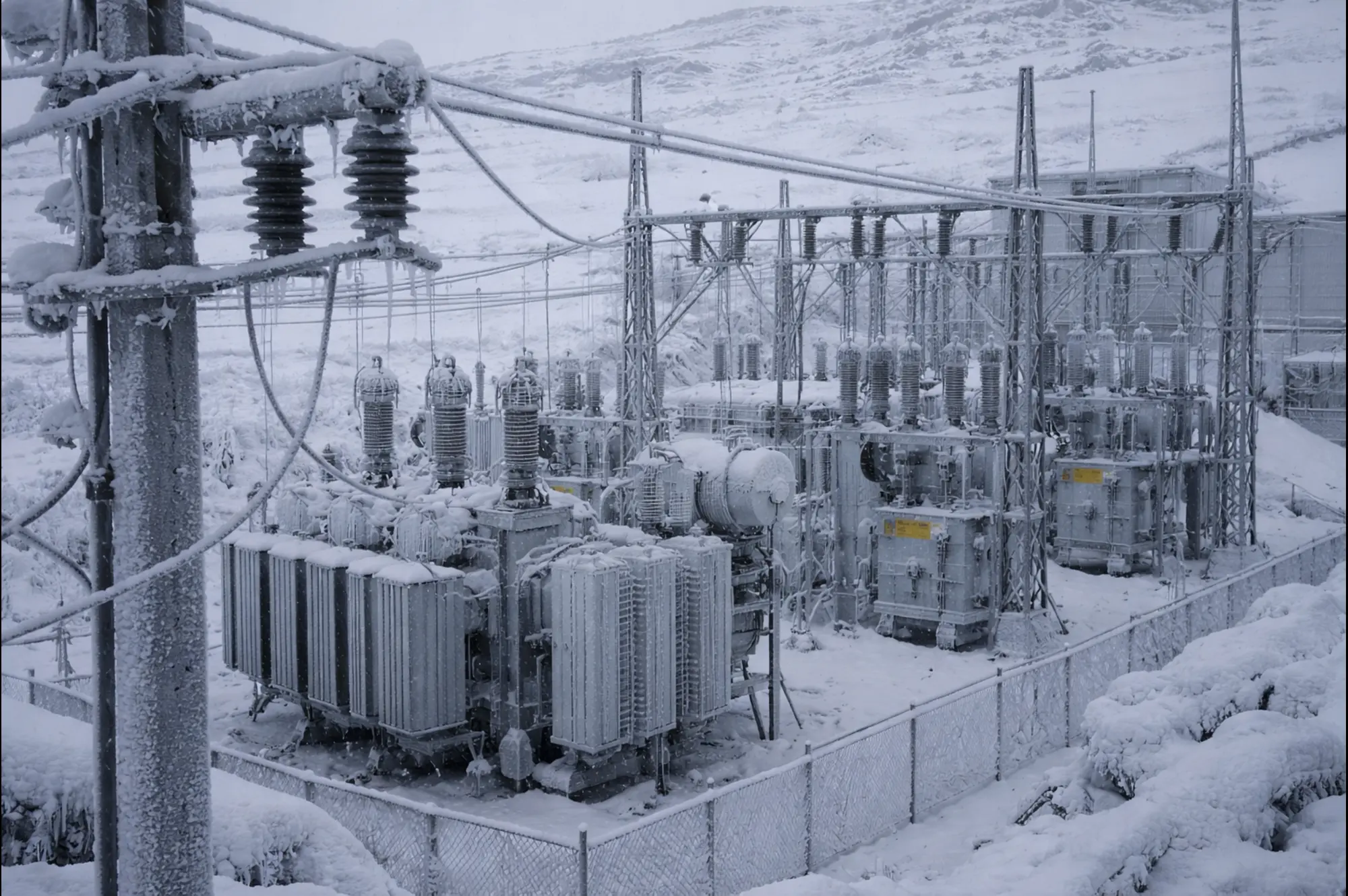
Hydropower plants generate electricity outside the city and send it through high-voltage lines to substations. These substations regulate voltage and distribute power to neighborhoods and critical services.
When abnormal conditions are detected, protective systems disconnect affected sections automatically. Restarting the grid requires careful sequencing. Power must be reintroduced gradually to avoid overloads, especially during winter when demand is high and equipment is under stress.
The system prioritizes safety and long-term reliability, even when that results in slower restoration.
How Residents Experienced the Nuuk Blackout
For residents, the Nuuk power outage meant more than temporary darkness. Heating interruptions were a serious concern in winter conditions. Internet access, mobile networks, and some essential services were also affected.
A common misconception was that the blackout was caused by fuel shortages or external political factors. In reality, Nuuk’s daily electricity supply does not depend on imported fuel. The disruption was the result of internal grid operations responding to a fault.
Understanding this distinction helps explain both the sudden onset of the outage and the cautious approach to restoring power.
A Clear Way to Understand the Event
The Nuuk power outage was caused by a fault in Greenland’s centralized electricity distribution system. Automatic safety shutdowns affected large parts of the city at once, even though hydropower generation remained stable. Arctic conditions and limited redundancy explain both the scale of the blackout and the time required to restore electricity.
Common Misunderstandings About the Nuuk Power Outage
One frequent misunderstanding is assuming that hydropower itself failed. In most cases, electricity generation continues normally during outages.
Another is comparing Nuuk’s grid directly to those of large mainland cities. Those systems rely on scale, geography, and interconnection that Greenland does not have.
It is also easy to underestimate how difficult it is to build redundant infrastructure in remote, icy terrain where maintenance and access are limited.
In Case You Missed It
- Why the US and Europe Are Competing for Greenland’s Strategic Future
- Trump’s ‘No Going Back’ Greenland Push Raises Alarm Across Europe
- Why Trump’s Greenland Threats Are Affecting Global Trade and Diplomacy

$750 Cash App Gift Card
Not everyone qualifies for this $750 Cash App gift card. Checking only takes a moment. You can check if you’re eligible.
Frequently Asked Questions
What caused the Nuuk power outage?
A fault in the electricity distribution system triggered automatic protective shutdowns.
How long did the Nuuk power outage last?
Power was restored gradually over several hours as engineers restarted the grid in stages.
How does Greenland generate electricity?
Most urban areas, including Nuuk, rely primarily on hydropower.
Was heating affected during the outage?
Yes. Many buildings lost both electricity and electric-based heating.
Are Greenland power outages common?
They are relatively rare, but when they occur, they often affect large areas due to centralized grid design.
What This Event Shows
The Nuuk blackout was not an exceptional breakdown but a predictable outcome of how Greenland’s electricity system is designed. Clean, local energy provides long-term benefits, but limited backup routes mean faults can have wide effects. Understanding that balance makes the outage easier to explain and places it in proper context.