6 Startling Figures About Delhi Air Quality Index After Diwali Fireworks — From Bright Skies to Breathless Mornings
Discover the startling figures about the Delhi Air Quality Index after Diwali fireworks—from bright skies to breathless mornings. This concise, research-driven breakdown highlights pollution spikes, health risks, and the urgent need for cleaner celebrations.

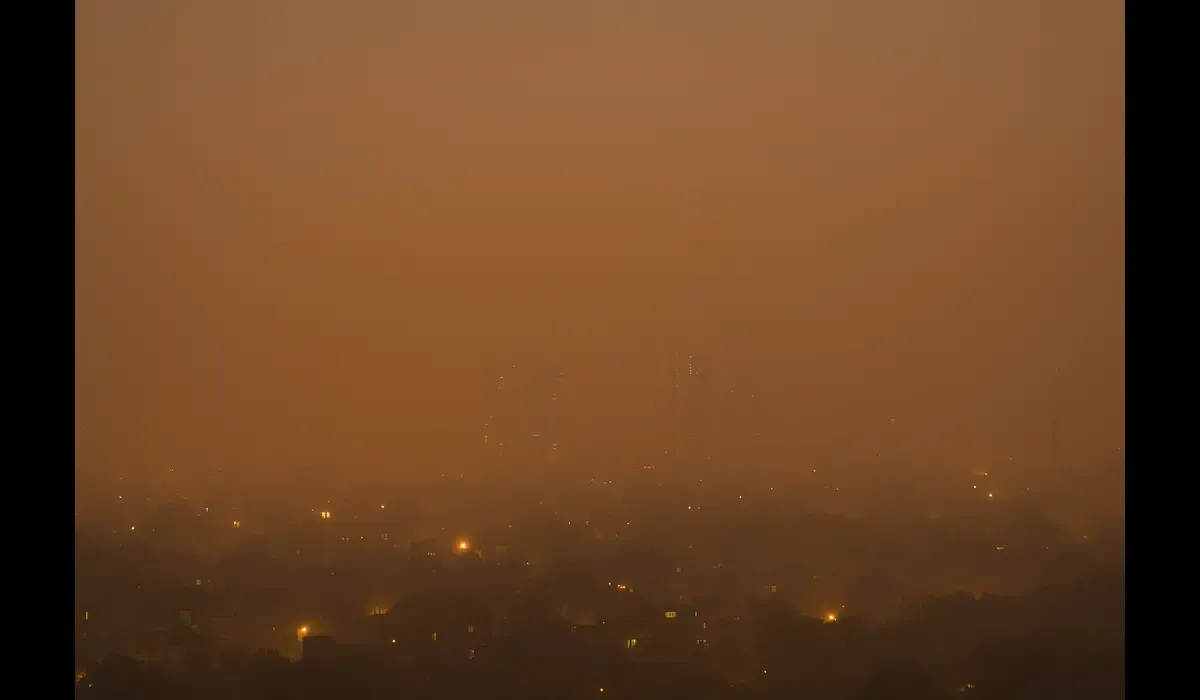
Delhi air quality index after Diwali fireworks once again plunged into the “hazardous” category this year, marking one of the city’s worst post-festival pollution spikes in recent memory. Within hours of celebrations, AQI readings across Delhi-NCR crossed the 400 mark, signaling a severe health emergency.
The pattern has become predictable — bright skies followed by thick, choking smog. Experts warn that this seasonal trend is not just a festival issue but a reflection of India’s deep-rooted environmental crisis.
- Delhi’s AQI crossed 400 post-Diwali.
- Fireworks, low wind speed, and stubble burning made air toxic.
- Health experts issue red alerts for residents.
Quick Context
The Delhi air quality index after Diwali fireworks refers to the measurement of pollutants in the atmosphere immediately after the Diwali festival, when large-scale bursting of firecrackers, combined with seasonal factors, leads to a dangerous surge in air contamination.

$500 Walmart Gift Card$500 Walmart Gift Card
Some users qualify for a $500 Walmart gift card. You can check if you qualify.
Latest Post
Latest Update
On the morning after Diwali 2025, Delhi’s average AQI ranged between 420 and 460, placing the city firmly in the “severe” category. Some regions like Anand Vihar and Jahangirpuri recorded readings above 480, among the highest in the world that day.
Authorities noted that calm winds and cooler temperatures prevented pollutant dispersion, trapping harmful gases and particulates close to the ground. Visibility dropped to just a few hundred meters in some areas, affecting road and air traffic movement.
Despite bans on fireworks, local enforcement struggles and widespread cracker use worsened the situation. The capital’s skyline turned grey overnight, forcing the government to issue health advisories and restrict outdoor activities for children and senior citizens.
Details and Key Facts
1. How the AQI is Measured
The Air Quality Index (AQI) measures pollutants like PM2.5, PM10, nitrogen dioxide (NO₂), sulfur dioxide (SO₂), carbon monoxide (CO), and ozone (O₃).
- PM2.5 and PM10 are the most dangerous pollutants — tiny enough to penetrate deep into the lungs.
- Safe AQI range: 0–50.
- Post-Diwali range: often 400+, classified as “severe/hazardous.”
2. Main Causes of Post-Diwali Spike
- Fireworks: Firecrackers release heavy metals, sulfur, and toxic chemicals that sharply elevate PM2.5 levels.
- Weather: Low wind speed and temperature inversion prevent pollutant dispersion.
- Stubble burning: Seasonal crop residue burning in Punjab and Haryana adds a thick layer of particulate matter to Delhi’s air.
- Urban emissions: Vehicular pollution and construction dust compound the festival surge.
3. Data Comparison with Previous Years
| Year | Average AQI (Post-Diwali) | Category |
|---|---|---|
| 2023 | 360 | Very Poor |
| 2024 | 430 | Severe |
| 2025 | 450+ | Severe/Hazardous |
4. Health Impact
The Delhi air quality index after Diwali fireworks directly affects respiratory and cardiovascular health. Doctors report a rise in emergency cases related to:
- Asthma and bronchitis flare-ups.
- Eye and throat irritation.
- Shortness of breath and chest congestion.
- Fatigue and headaches among healthy adults.
Children and the elderly face the highest risk, as prolonged exposure to toxic air reduces lung function and weakens immunity.
Why It Matters
The Delhi air quality index after Diwali fireworks matters because it demonstrates how environmental neglect can threaten public health, urban sustainability, and even cultural practices.
- Public Health Emergency:
Hospitals across Delhi report a surge in respiratory distress within 24 hours after Diwali. Doctors warn that short-term exposure during this period is equivalent to smoking several cigarettes per day. - Environmental Warning:
This recurring post-Diwali spike reflects how deeply embedded pollution has become in urban life. Despite crackdowns and green campaigns, the city’s air continues to reach globally alarming levels. - Policy Wake-Up Call:
The failure to curb fireworks use and enforce emission norms shows gaps in governance. Experts call for stricter implementation of bans, improved air monitoring, and better waste management systems. - Cultural Responsibility:
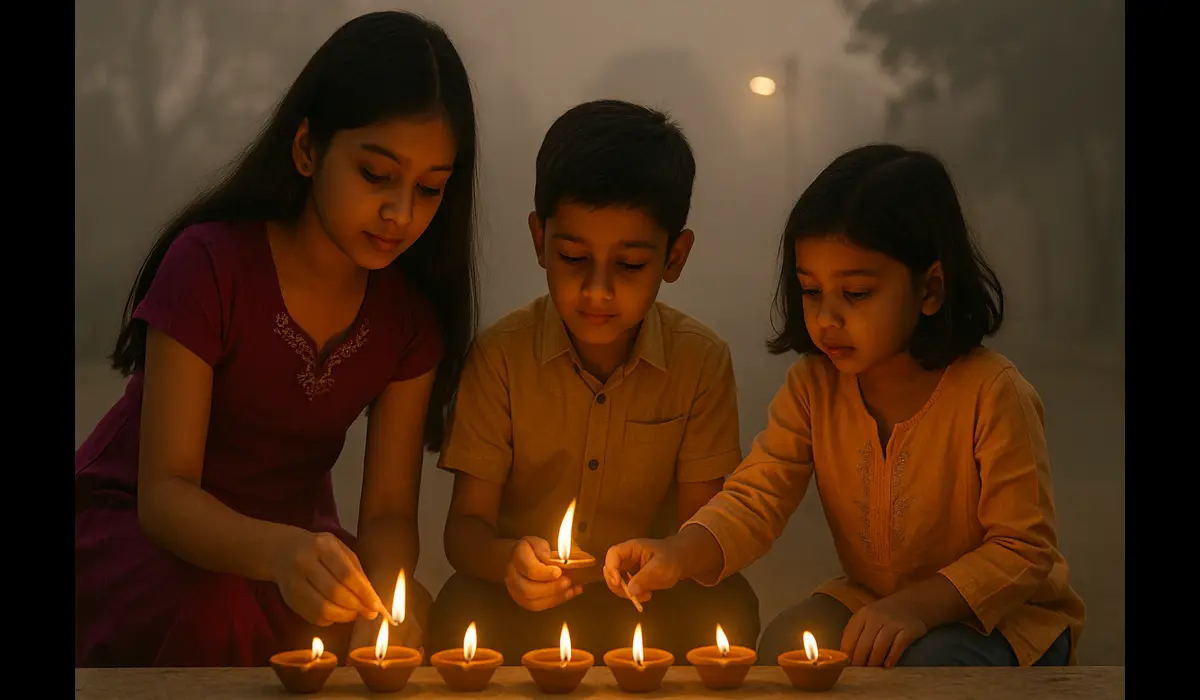
Diwali’s significance as a festival of light need not be compromised. Eco-friendly alternatives like laser shows, community lighting, and silent fireworks can celebrate tradition without endangering health.
Expert Opinions
Environmental experts say the spike is not limited to fireworks but a symptom of multiple overlapping factors. Meteorologists add that Delhi’s winter atmosphere naturally traps pollutants, making any added emissions catastrophic.
Health professionals suggest that post-Diwali smog behaves like a toxic blanket. Even limited exposure can cause inflammation and breathing problems, particularly for those with asthma or COPD. They recommend avoiding outdoor exercise for several days post-festival.
Practical Takeaways
- Monitor AQI Regularly: Use air quality apps or official CPCB updates to plan outdoor activities.
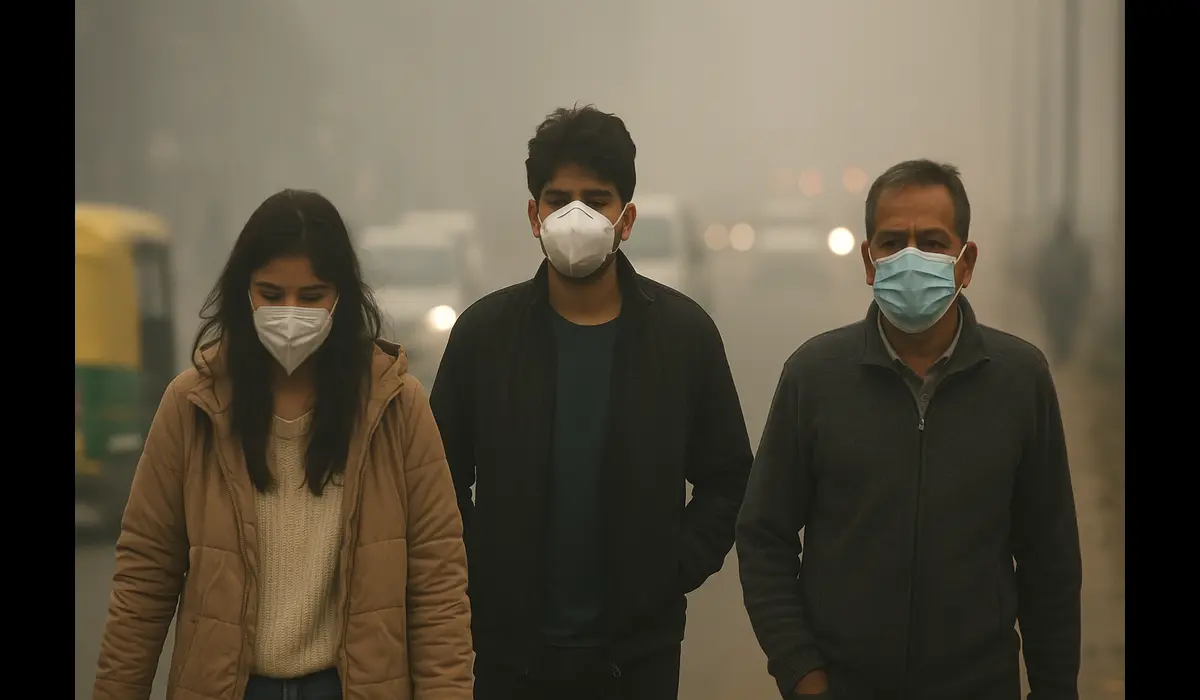
- Use Protective Gear: Wear N95 or N99 masks when stepping outside in high-pollution conditions.
- Maintain Indoor Air Quality: Keep windows closed, use purifiers, and add air-cleaning plants like snake plants or peace lilies indoors.
- Avoid Morning Walks: Early morning hours are when particulate matter is densest. Exercise indoors instead.
- Promote Eco-Friendly Diwali: Choose LED diyas, avoid crackers, and support community initiatives for a cleaner celebration.

$750 Amazon Gift Card$750 Amazon Gift Card
Not everyone qualifies for this $750 Amazon gift card. Checking only takes a moment. You can check if you’re eligible.
FAQs about Delhi air quality index after Diwali fireworks
Q1: What is the current Delhi air quality index after Diwali fireworks?
AQI levels across Delhi have averaged between 420 and 460, placing the air quality in the “severe” to “hazardous” range.
Q2: How long does the air remain polluted after Diwali?
Typically, the poor air quality persists for 3–5 days post-festival until wind speed increases or light rain helps disperse the pollutants.
Q3: Are firecracker bans effective in Delhi?
Despite repeated bans, enforcement remains weak. Public participation and awareness are critical to achieving any real reduction in pollution.
Q4: What can be done to improve Delhi’s AQI?
Strengthened regulation, better crop-residue management, cleaner transportation, and community-driven green festivals can gradually bring improvement.
Key Takeaways about Delhi air quality index after Diwali fireworks
- Delhi air quality index after Diwali fireworks consistently crosses hazardous levels every year.
- Fireworks, stubble burning, and cold weather combine to trap pollutants.
- The health risk is serious, especially for children and older adults.
- Collective civic responsibility and stricter enforcement are essential for cleaner future celebrations.
Conclusion : Delhi air quality index after Diwali fireworks
The Delhi air quality index after Diwali fireworks is not just a yearly headline — it’s a wake-up call for every resident and policymaker. Unless strict control, public awareness, and eco-friendly habits align, Delhi’s festive nights will continue to end in smog-filled mornings.