“I Meant What I Said in Davos,” Carney Says, Rejecting Claims of Backtracking
Mark Carney says he stood by his Davos remarks after a phone call with Donald Trump, rejecting claims that he softened his position and stressing consistency between public statements and private discussions.

Intro
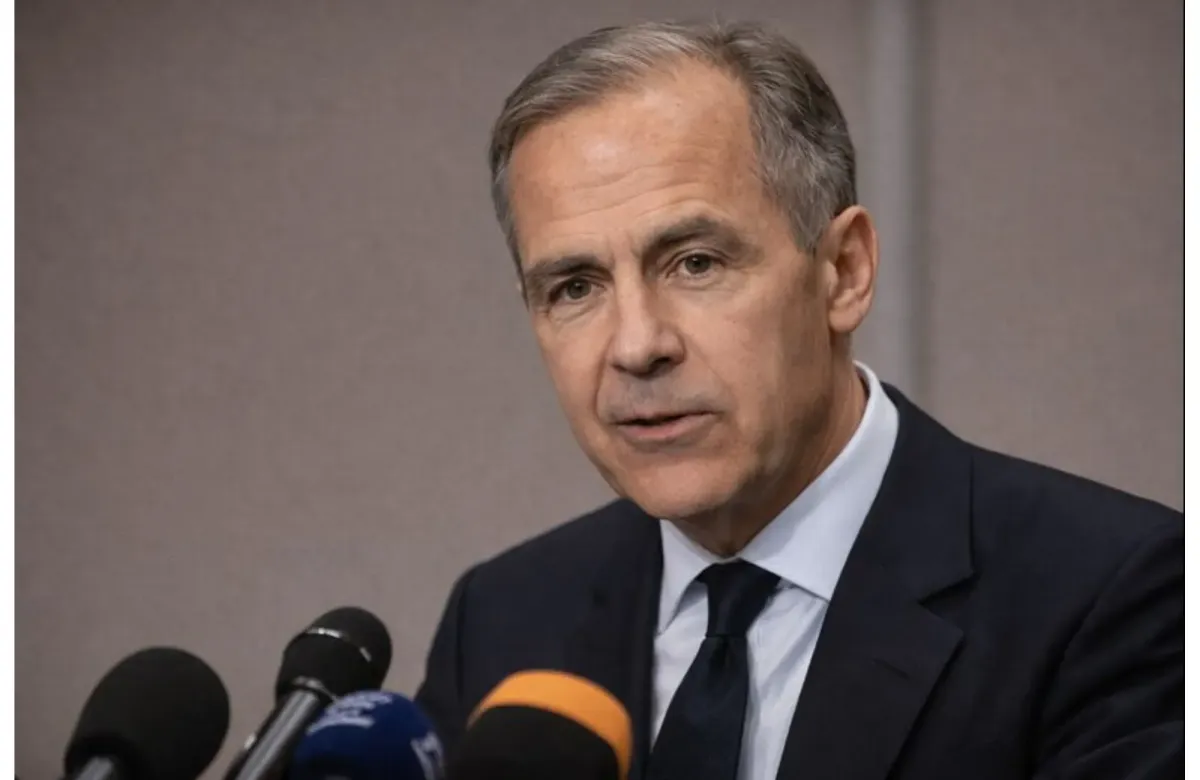
“I meant what I said in Davos,” Canadian Prime Minister Mark Carney said after a phone call with U.S. President Donald Trump, rejecting suggestions that he softened his position. The remark, delivered calmly but firmly, came as questions grew over whether private diplomacy had changed Carney’s public message.
What Sparked the Debate
The controversy began after Carney’s speech at the World Economic Forum in Davos, where he spoke about economic stability, political responsibility, and the risks created by unpredictable leadership.
Although Carney did not mention Trump by name, the themes of the speech were widely interpreted as a critique of political approaches that challenge institutional norms and global economic coordination. The speech drew attention internationally and prompted questions at home about how it would affect Canada–U.S. relations.
The Trump Call: What Carney Actually Said
According to Carney, the phone call with Trump took place after the Davos speech and was “a good call.” He described it as respectful and constructive, emphasizing that disagreement does not prevent dialogue between leaders.
In the video, Carney makes clear that the call did not involve pressure to retract or reframe his Davos remarks. He said the discussion covered broader issues, including economic conditions and bilateral relations, not a rewriting of his speech.

$500 PayPal Gift Card
Some users qualify for a $500 PayPal gift card. You can check if you qualify.
Related Stories
- Why Mark Carney’s Davos Speech Is Being Seen as a Turning Point for the Global Order
- Trump’s Davos Speech: Attacks on Europe, Biden, and the World Order
- Trump’s ‘No Going Back’ Greenland Push Raises Alarm Across Europe
- Why Trump’s Greenland Threats Are Affecting Global Trade and Diplomacy
“No Retreat” From Davos
Carney directly addressed claims that he had walked back his Davos comments.
He said he had not retreated, had not reworded, and had not changed his position in any way. The Davos speech, he explained, reflected long-standing views on economic governance and leadership accountability, not a situational response aimed at any single individual.
The video underscores that Carney’s message was intentional and carefully prepared.
Why Davos Matters in Global Politics
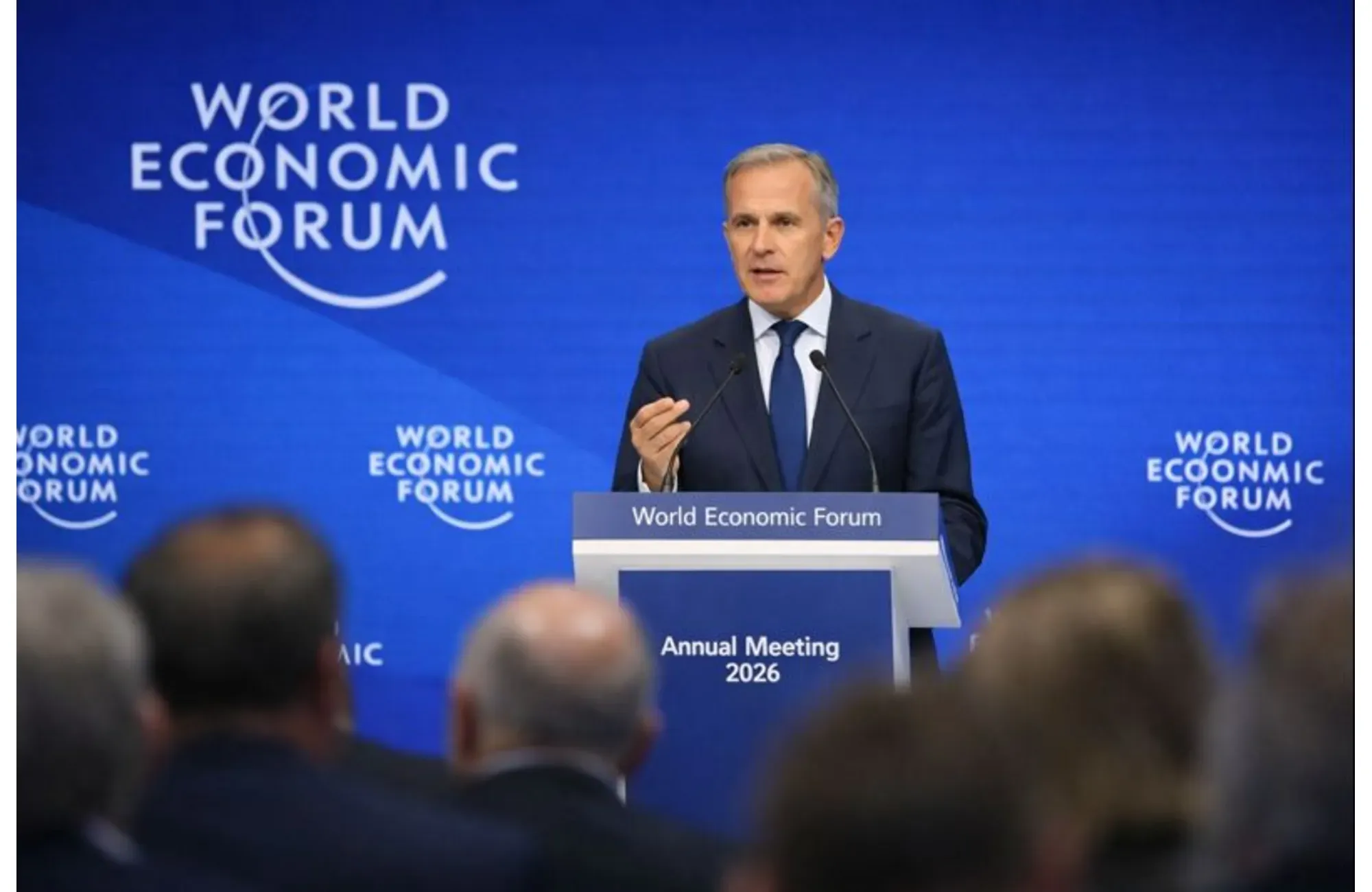
The World Economic Forum is not a casual setting. Speeches delivered there are treated as policy signals by governments, markets, and institutions around the world.
Carney’s insistence that he stood by his remarks reinforces a key principle of Davos diplomacy: statements made there are meant to last beyond the conference hall. They are not trial messages or negotiable talking points.
This is why the question of whether Carney would backtrack drew such attention.
Balancing Diplomacy With Principle
The episode highlights a broader challenge for political leaders: maintaining open communication with powerful counterparts while remaining consistent in public positions.
Carney’s approach, as shown in the video, was to separate dialogue from concession. He framed the call with Trump as part of normal diplomatic engagement, while making clear that it did not alter his views or values.
This distinction is central to understanding why he addressed the issue so directly.
Reaction Inside Canada
Domestically, Carney’s comments were aimed at shutting down speculation. By stating plainly that he “meant what he said,” he removed ambiguity about whether Canada’s position had shifted.
Political observers noted that the clarity helped prevent a prolonged debate over mixed messaging, especially at a time when Canada’s economic and trade relationships are under close scrutiny.
Why This Moment Resonated
The moment resonated not because of confrontation, but because of consistency. In an era where leaders often soften or recalibrate statements after private conversations, Carney’s refusal to do so stood out. The video emphasizes that this was less about Trump personally and more about how leaders handle public accountability.
What Comes Next
There is no indication of policy changes following the call. Carney has said his government will continue engaging with international partners while maintaining the positions outlined in Davos.
Attention is now shifting back to the substance of those ideas—economic stability, governance, and global cooperation—rather than the political back-and-forth surrounding them.
Conclusion
By saying “I meant what I said in Davos,” Mark Carney closed the door on speculation that private diplomacy reshaped his public stance. The video makes clear that while dialogue with global leaders continues, his Davos message was not provisional. It was a statement he intended to stand by—and still does.

$500 Walmart Gift Card
A $500 Walmart gift card may be available to select users. Checking eligibility is quick. You can check if you’re one of them.
FAQs
1. What did Mark Carney mean by saying he “meant what he said in Davos”?
Carney was confirming that his Davos speech reflected his true position and was not altered or softened after speaking privately with Donald Trump.
2. Did the phone call with Donald Trump change Carney’s stance?
No. Carney described the call as constructive but said it did not lead him to retreat from or revise his Davos remarks.
3. What was Carney’s Davos speech about?
The speech focused on economic stability, responsible leadership, and the risks created by political uncertainty in global markets.
4. Why did people think Carney had walked back his comments?
Speculation arose after news of the Trump call, prompting questions about whether private diplomacy influenced his public message.
5. Why does this issue matter beyond one phone call?
It highlights how global leaders balance open dialogue with accountability, and why consistency between public statements and private conversations matters.
Recommended for you
 Deepak Singh
 Deepak Singh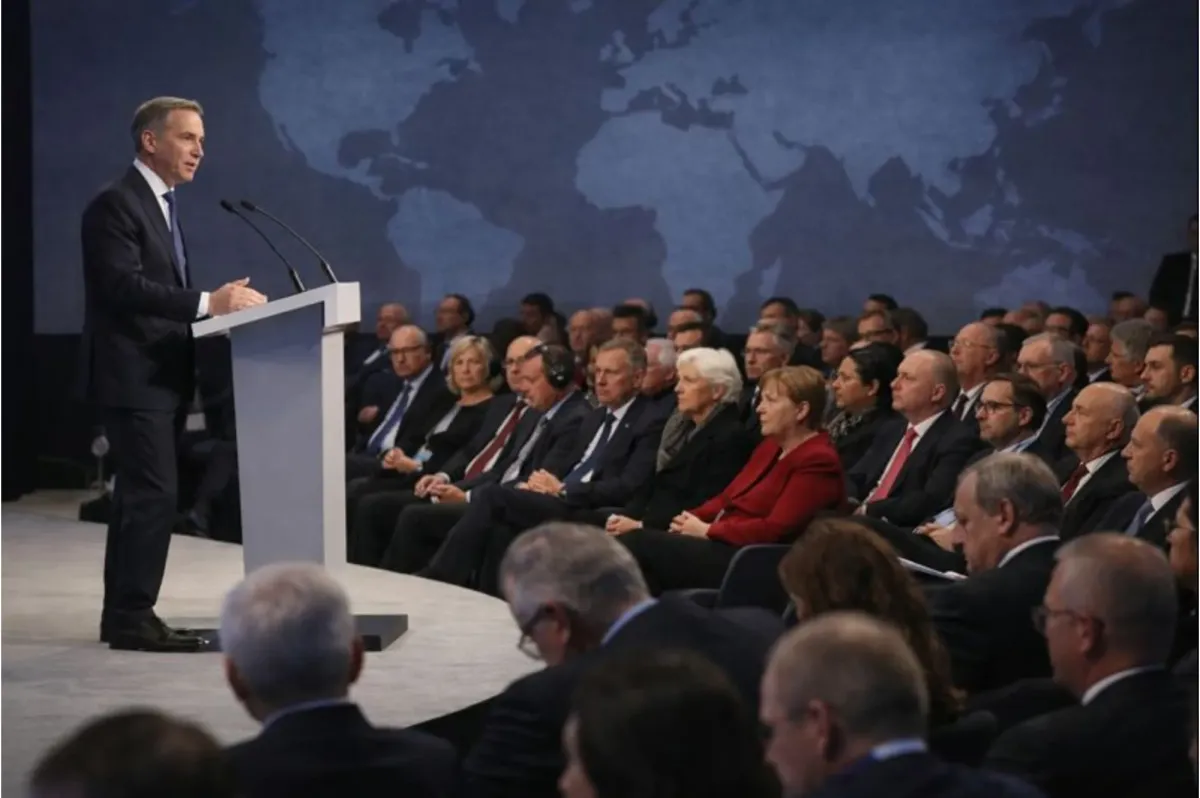
 Deepak Singh