Why Apple’s iPhone Air Production Was Slashed
Apple’s iPhone Air production cut reveals a deeper shift in market demand. This breakdown explains the real

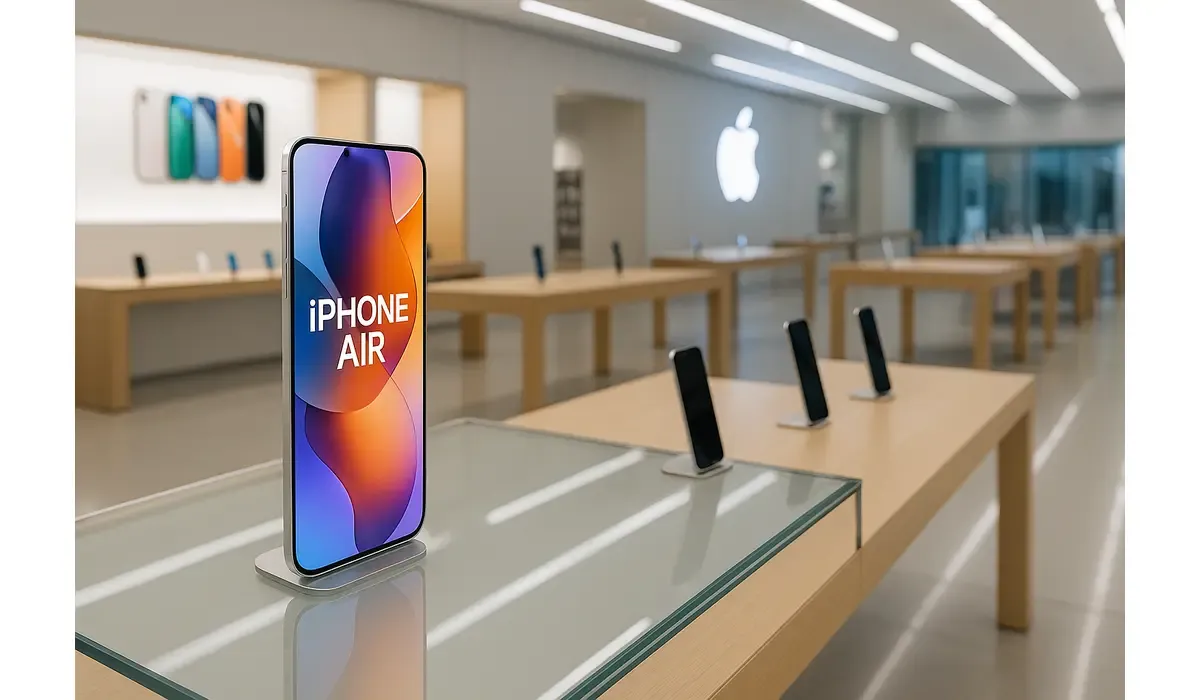
In a move that surprised both fans and analysts, Apple cuts iPhone Air production after weaker-than-expected global demand. The ultra-thin iPhone that was meant to redefine minimalism in Apple’s design language now appears to be struggling to find its audience.
The company’s decision marks a rare setback for Apple, which has historically dominated smartphone innovation. But what exactly went wrong with the iPhone Air — and what does this mean for Apple’s next generation of devices?
Understanding the iPhone Air
The iPhone Air was introduced earlier this year as part of Apple’s push toward ultra-light, ultra-slim devices. At just 5.6 mm thick, it was billed as the “thinnest iPhone ever,” offering a futuristic titanium frame, edge-to-edge display, and a lighter chassis compared to the iPhone 17 lineup.
While its design earned instant admiration, the trade-off became evident: reduced battery capacity, heating issues, and minimal differentiation from the more powerful iPhone 17.
Consumers quickly realized that the iPhone Air’s elegance came with limitations — a combination that may have caused its early fall from grace.

$500 PayPal Gift Card
A $500 PayPal Gift card may be available to select users. Checking eligibility is quick. You can check if you’re one of them.
The Breaking News: Apple Scales Back Production
According to multiple insider reports, Apple cuts iPhone Air production by nearly 80% just two months after its release. The company has reportedly asked key manufacturing partners to halt further expansion of Air’s assembly lines.
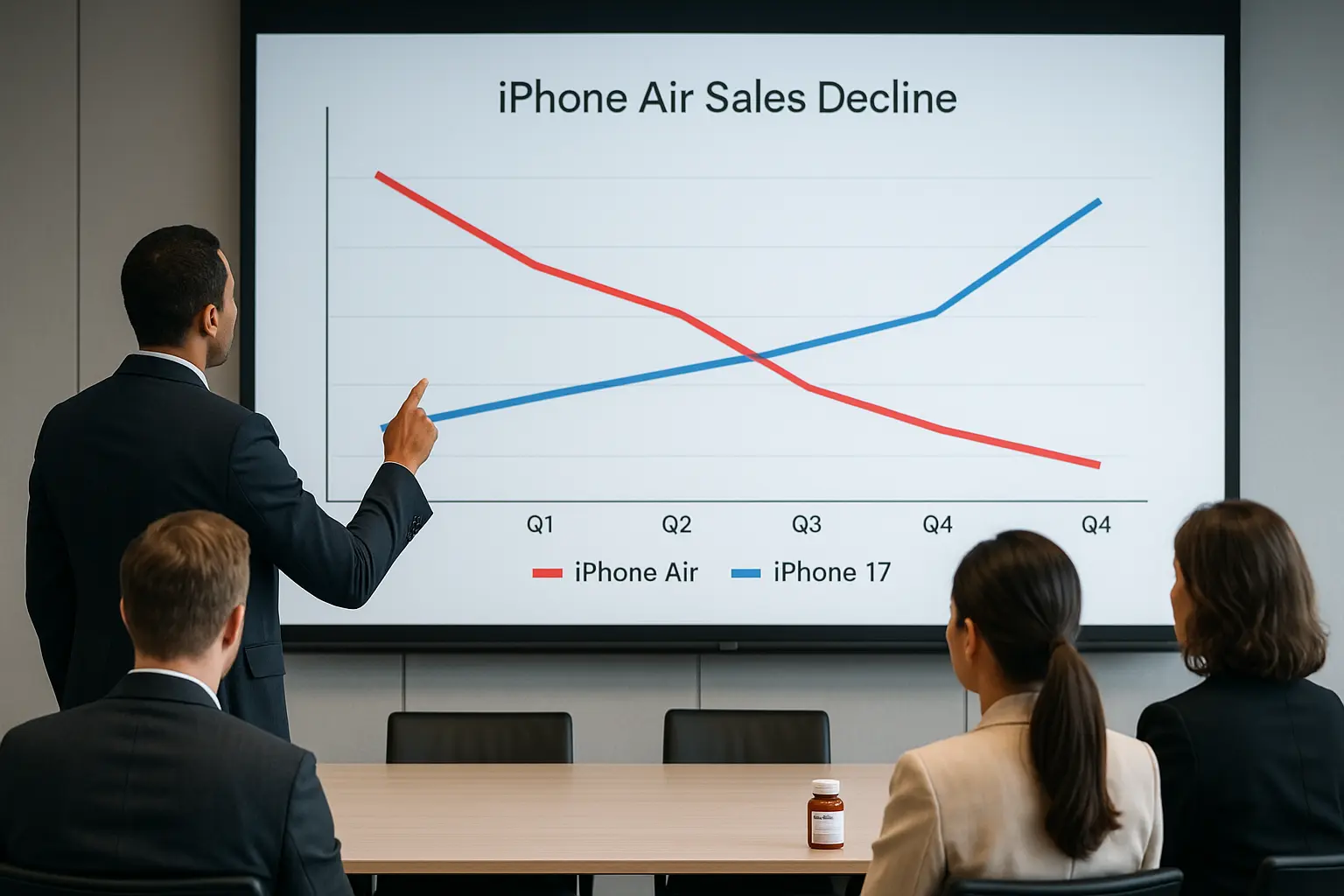
Sources within Apple’s supply chain indicated that global pre-orders for the iPhone Air fell 35% below expectations. Major markets such as North America and Europe displayed little enthusiasm, while Asia — particularly China — preferred the iPhone 17 and iPhone 17 Pro models.
Retailers have started reporting slower restocks and fewer display units, signaling a deliberate pullback rather than a temporary supply adjustment.
Why the iPhone Air Failed to Take Off
1. A Price-Performance Mismatch
At launch, the iPhone Air’s price started dangerously close to the iPhone 17 — yet lacked the processing power, camera upgrades, and battery longevity of its sibling models. Consumers perceived it as a downgrade disguised in premium packaging.
2. Compromised Battery Life
While Apple proudly marketed the iPhone Air as its thinnest device, the design sacrificed battery size. Many early users reported that the device could barely last a full day under typical usage.
3. Poor Differentiation
In the eyes of consumers, the iPhone Air wasn’t revolutionary. Its design resembled a flattened version of the iPhone 17, offering no distinctive camera bump, lens innovation, or exclusive features.
4. Market Fatigue
With new models arriving annually, users are becoming less inclined to upgrade unless the changes are dramatic. The iPhone Air, despite its sleek profile, failed to offer a compelling reason to switch
What This Means for Apple
The fact that Apple cuts iPhone Air production so soon after launch hints at a strategic recalibration. Apple’s usual approach of balancing innovation with practicality may have been stretched too far this time.
A Shift in Priorities
Analysts suggest that Apple is refocusing its efforts on the iPhone 17 lineup, which has outperformed expectations in most markets. This move ensures that resources are channeled toward higher-margin models with better consumer traction.
Impact on Apple’s Supply Chain
The production cut also affects suppliers who had invested heavily in tooling and materials for the iPhone Air. Some manufacturing plants in Asia are reportedly reallocating capacity toward the iPhone 17 Pro Max instead.
Lessons for Future Models
This setback may influence how Apple approaches its rumored foldable and hybrid designs for 2026. The company now understands that premium design alone cannot replace functionality — especially when consumers already expect perfection from Apple.
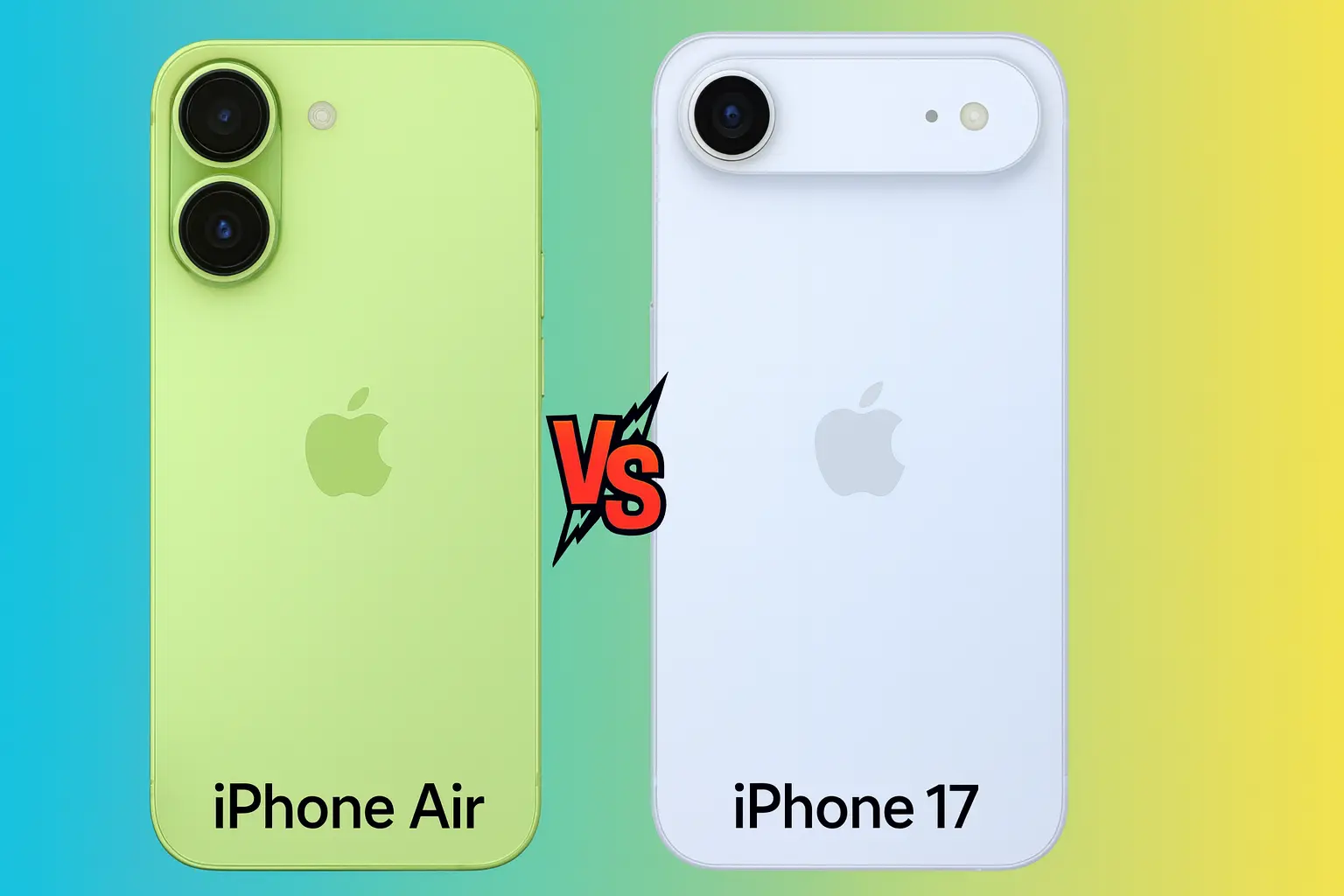
Comparing iPhone Air vs iPhone 17
| Feature | iPhone Air | iPhone 17 |
|---|---|---|
| Thickness | 5.6 mm | 7.8 mm |
| Weight | 146g | 178g |
| Battery Life | 18 hours | 23 hours |
| Processor | A17 Lite | A17 Pro |
| Price (Base) | $899 | $999 |
| Sales Performance (Q4 2025) | Underperforming | Strong demand |
From this comparison, it’s clear why consumers leaned toward the iPhone 17. The marginal price difference and performance gap made the Air less appealing to mainstream buyers.
Expert Opinions: Analysts React
Tech strategist Arjun Menon calls Apple’s decision “a necessary correction.”
“The iPhone Air was a design triumph but a market mismatch. It solved a problem nobody had — people aren’t asking for thinner phones; they want better batteries and smarter AI.”
Market analyst Lillian Moore adds:
“Apple misread its audience. The Air appealed to design enthusiasts, not to the mass market. Cutting production was inevitable to protect profit margins.”
Some insiders also believe that this move will push Apple to diversify its design approach rather than chase minimalism for its own sake.
What Consumers Should Do
If you’re among those considering buying the iPhone Air, the production cut could actually work to your advantage.
- Expect Discounts Soon: With excess inventory, some retailers may reduce prices before the holiday season.
- Check Warranty and Longevity: As production winds down, ensure the device will receive full support and updates for several years.
- Compare Before Buying: The iPhone 17 offers better performance and long-term value for a small price increase.
- Watch Future Models: Apple’s next design iteration could learn from the Air’s missteps — potentially resulting in a truly balanced ultra-slim flagship.
Latest Post
FAQs
Q1: Why did Apple cut iPhone Air production?
Because of weaker-than-expected global demand, particularly in markets where buyers preferred the iPhone 17 lineup.
Q2: Will Apple discontinue the iPhone Air completely?
Not immediately, but production is being drastically reduced. It may quietly phase out after existing inventory clears.
Q3: Is the iPhone Air still worth buying?
Yes, if design and portability matter more to you than battery life or top-tier performance — but buyers should wait for price cuts.
Q4: What does this mean for Apple’s future designs?
It signals a shift back toward practical innovation and away from design extremes like ultra-thin builds.
Key Takeaways
- Apple cuts iPhone Air production by nearly 80% after disappointing global sales.
- Battery issues, pricing, and overlap with iPhone 17 models drove low demand.
- The move reflects Apple’s shift toward more profitable models.
- Consumers may benefit from potential price drops as inventory clears.
- Apple’s design priorities may evolve from minimalism toward functionality.
Conclusion
The fact that Apple cuts iPhone Air production so early in its product cycle serves as a reminder that even the world’s most influential tech company can misread the market. The iPhone Air was bold, elegant, and futuristic — but in the real world, it simply wasn’t enough.
As Apple refocuses on the iPhone 17 and future models, the story of the iPhone Air will likely be remembered as a lesson in balance: innovation is exciting, but relevance is essential.