7 Smart Amazon Home Organization Finds That Eliminate Daily Clutter and Costly Storage Mistakes
Not all home organization products improve daily life. This guide breaks down which Amazon storage finds genuinely solve space problems, which trade-offs matter most, and how to choose organizers that stay useful long after setup day.

Organizing a home usually starts with a simple goal: less clutter, easier routines.
The problem is that most organization products solve only one part of that problem.
When the wrong items are chosen, they create wasted space, daily friction, or constant re-buying.
This guide explains how to evaluate home organization products so you choose systems that hold up in real use, not just in photos.

$750 Cash App Gift Card
Some users qualify for a $750 Cash App gift card. You can check if you qualify.
How to Evaluate Home Organization Products
Start with friction, not storage volume
Most people shop for organizers based on how much they can store. In practice, satisfaction depends more on how often you interact with the system. Items used daily need open access and visibility. Items used occasionally can be stacked, boxed, or tucked away. Products that hide everyday items often increase mess instead of reducing it.
 Shyamli Singh
Fit matters more than flexibility
Adjustable and modular organizers sound ideal, but many fail because they don’t fit the actual space. Measure drawer depth, cabinet height, shelf width, and door clearance before buying anything. A perfectly sized simple bin usually works better than a flexible system that never quite fits.
Material choice affects long-term use
Plastic organizers are lightweight and affordable, but thin plastic warps under weight and heat. Wire organizers improve visibility but can snag soft items. Fabric bins look tidy but collapse when underfilled. The right material depends on load, humidity, and how often items are removed.
Stackability is often overrated
Stacking saves space only when access frequency is low. In kitchens, bathrooms, and entryways, stacked systems slow users down. If you need to unstack items daily, the system will fail, regardless of how compact it looks.
Marketing claims to ignore
Terms like “space-saving,” “customizable,” or “multi-purpose” are vague. What matters is whether the product reduces steps, decisions, and reaching. If an organizer adds complexity, it is not saving space in any meaningful way.
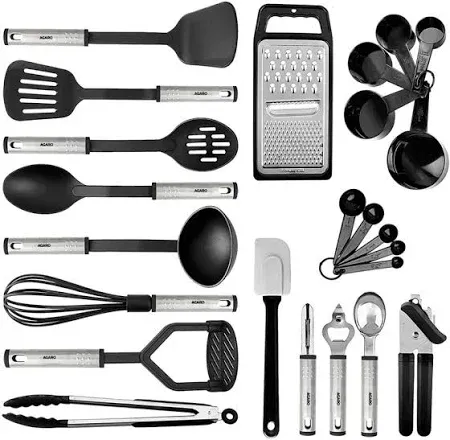
Upgrade your cooking experience with these kitchen tools
Recommended Options
For kitchens with frequent access needs
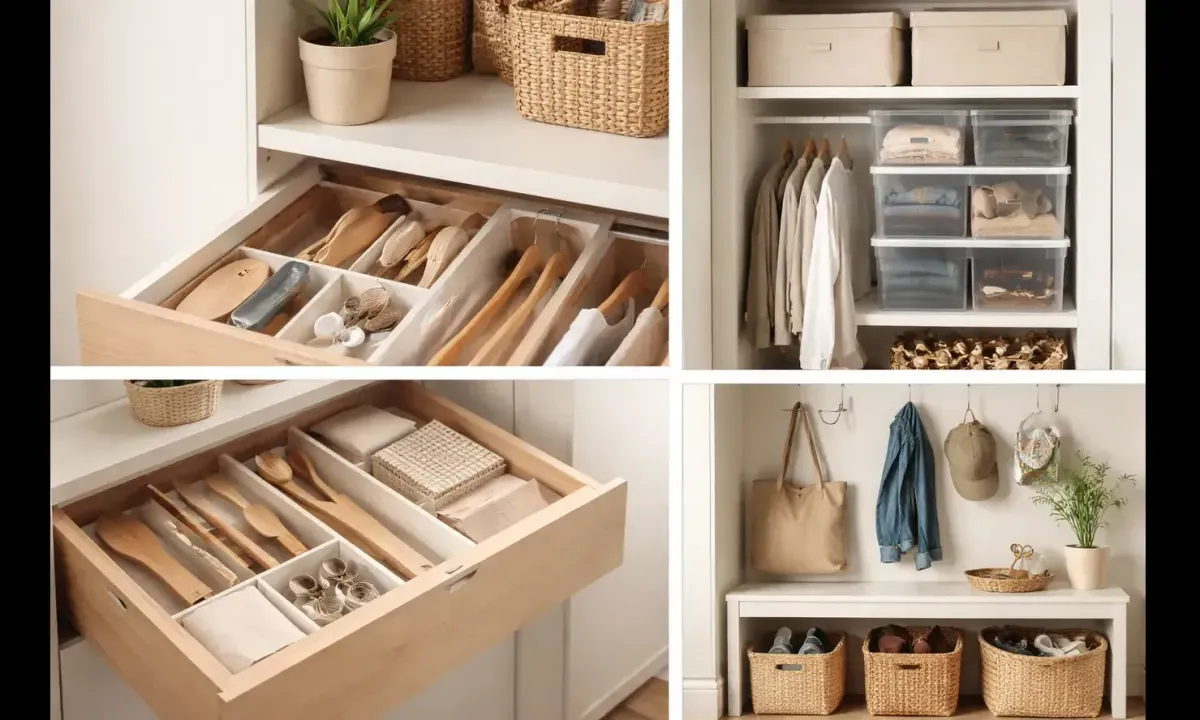
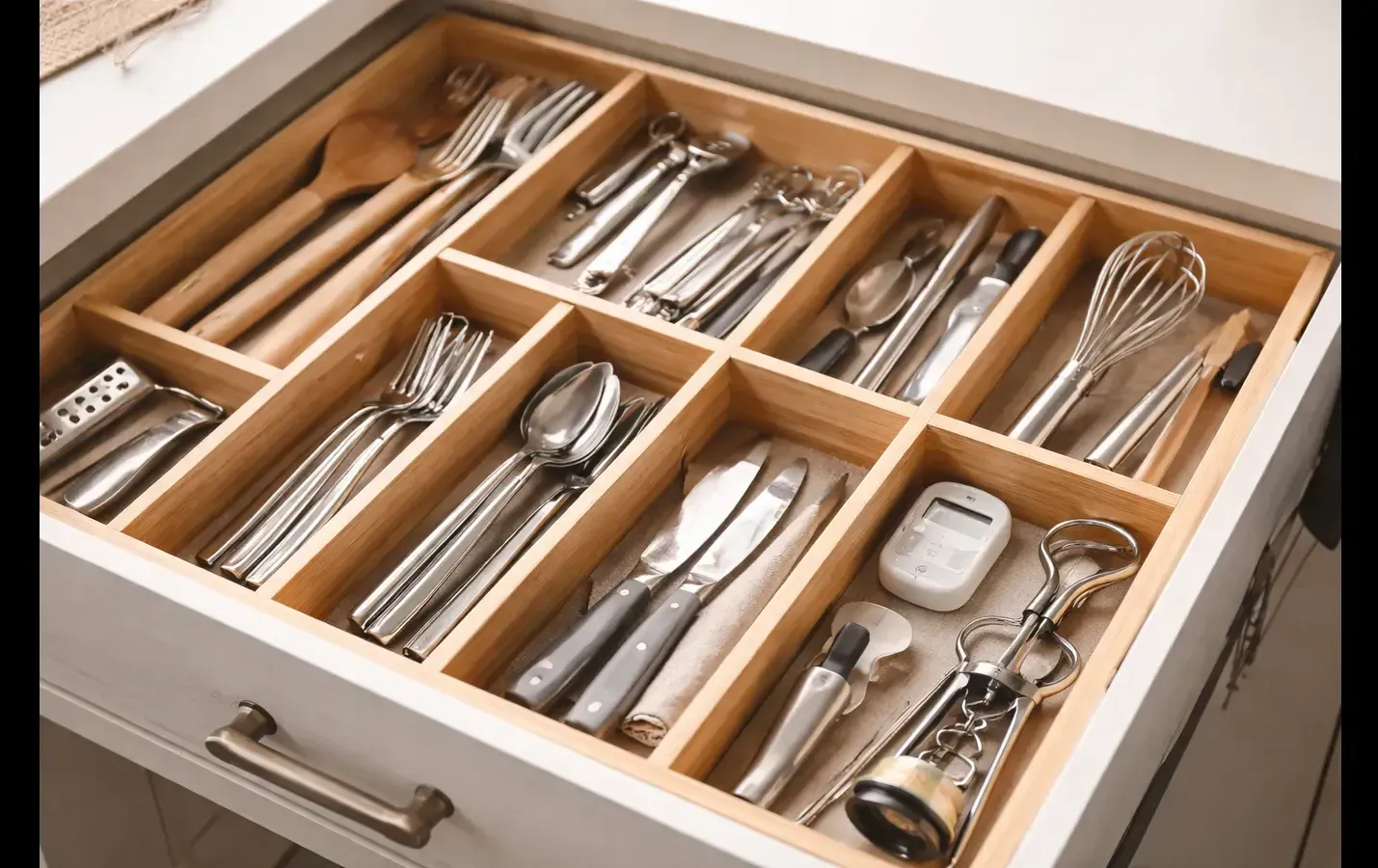
Drawer dividers, expandable cutlery trays, and shallow bins work best here. They separate items visually without stacking. The limitation is capacity — these solutions favor usability over volume and won’t suit bulk storage.
For closets and wardrobes
Clear stackable bins and shelf dividers help categorize clothing and accessories without hiding them. These work well for seasonal items. Avoid deep bins for daily wear, as they encourage overfilling and forgotten items.
For bathrooms and small storage zones
Under-sink organizers with pull-out drawers or tiered trays improve access around pipes. Materials matter here; moisture-resistant plastic or coated metal lasts longer than fabric. These systems sacrifice aesthetics for durability.
For entryways and high-turnover areas
Open baskets, wall hooks, and narrow shelving reduce decision time. Closed cabinets often look neat but slow users down. The compromise is visual clutter, which needs consistent maintenance to stay tidy.
For home offices and utility storage
Modular drawer units and labeled bins work well when contents change over time. They support reconfiguration but require upfront planning to avoid mismatched sizes later.
Comparison Summary
Open-access systems favor speed and habit formation but require visual discipline.
Closed storage hides clutter but increases friction if overused.
Rigid, size-specific organizers outperform flexible systems long term, but reduce adaptability.
Shoppers should avoid deep stacking unless items are rarely accessed.
Maintenance effort, not storage capacity, determines whether an organization system lasts.
Quick Buying Summary
Choose home organization products based on access frequency, space fit, and material durability.
Use open organizers for daily items and closed bins only for seasonal or backup storage.
Avoid stacking in high-use areas and prioritize exact-fit products over flexible designs.
The best system is the one that reduces daily effort, not the one that stores the most.
Common Buying Mistakes
- Buying organizers before measuring cabinets or drawers
- Choosing stackable systems for items used every day
- Overpaying for modular systems that never get reconfigured
- Ignoring humidity and load when selecting materials
- Mixing incompatible sizes that can’t scale together later

$500 Walmart Gift Card
A $500 Walmart gift card may be available to select users. Checking eligibility is quick. You can check if you’re one of them.
FAQs
Do clear bins really make a difference?
Yes. Visibility reduces forgotten items and duplicate purchases, especially in pantries and closets.
Is it better to organize by category or by room?
By room first. Cross-room systems often fail because usage patterns differ.
Are fabric organizers worth it?
They work for lightweight, low-access items but lose structure over time.
How much should I organize at once?
One zone at a time. Large overhauls increase decision fatigue and lead to abandoned systems.
Do expensive organizers last longer?
Sometimes, but fit and material matter more than price.
Conclusion
Effective home organization is about reducing friction, not maximizing storage.
When products fit the space, match usage patterns, and hold up over time, order becomes automatic.
Focus on daily behavior, and the right choices become clear.