Why Your Car Makes Noise While Driving and What It Usually Means
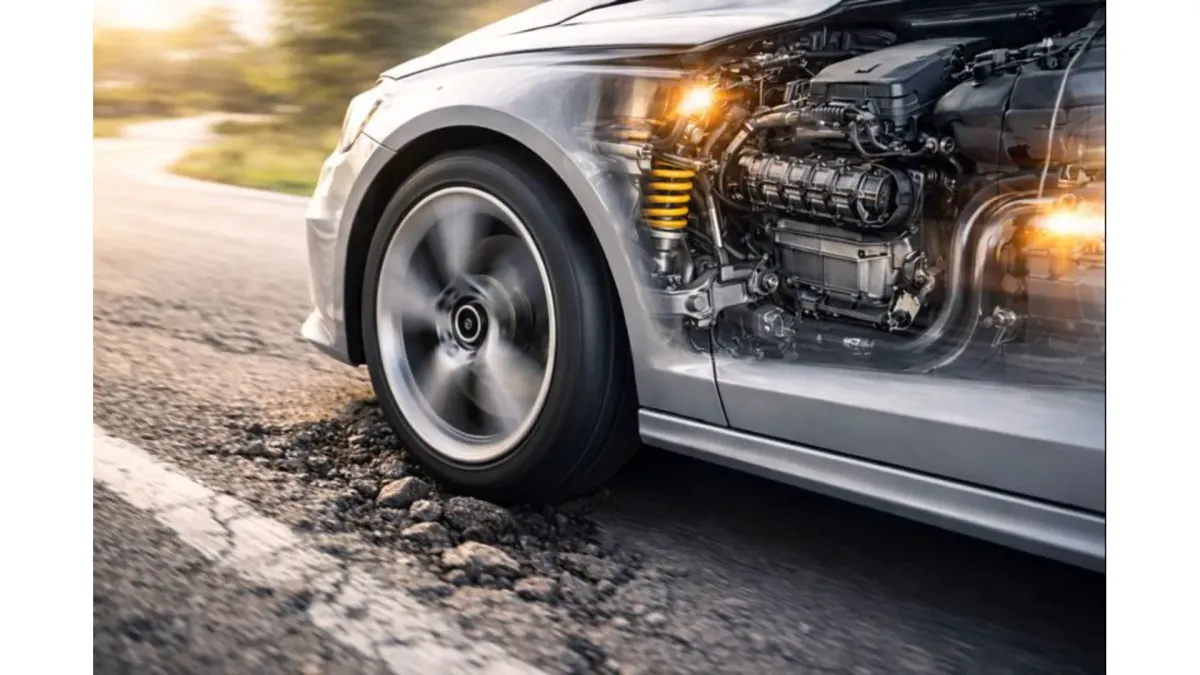
When a car makes noise while driving, it often signals a real mechanical issue such as worn wheel bearings, suspension joints, brakes, or engine mounts. This article explains how different noises relate to specific technical faults and when they need attention.

The Real question behind this
When a car starts making noise while driving, the concern is rarely about sound alone. Drivers want to know whether something is failing, wearing out, or becoming unsafe. The confusion comes from not knowing which noises are normal and which indicate damage. This explanation connects specific noises to real mechanical problems.
What this means
A car making noise while driving usually indicates wear, looseness, imbalance, or friction in a mechanical system that is under load.
Unlike warning lights, noise is an early mechanical signal. Components such as wheel bearings, suspension joints, brake hardware, drivetrain parts, and engine accessories produce sound when tolerances change or lubrication breaks down. These sounds are not random; they are a result of physical stress, motion, and degradation.
If read alone, this means: driving noise often reflects a developing mechanical fault rather than a harmless anomaly.

$750 Amazon Gift Card
Some users qualify for a $750 Amazon gift card. You can check if you qualify.
Why this matters today
Modern vehicles are quieter due to better insulation and refined engines. This makes abnormal noises easier to notice but harder to identify.
Cars are also kept on the road longer, which increases wear-related failures. Ignoring early noise symptoms can turn a manageable repair into a safety issue or costly breakdown. However, not every noise is urgent. Understanding which system is involved matters more than how loud the noise is.
What changes over time is vehicle design. What remains constant is that mechanical failure announces itself through sound before failure occurs.
How this works in practice
Wheel bearings and rotating components
A low humming, growling, or droning noise that increases with speed often points to worn wheel bearings. Technically, bearing surfaces lose smoothness, creating vibration proportional to wheel rotation.
Takeaway: Speed-related noise often signals rotational component wear.
Suspension joints and bushings
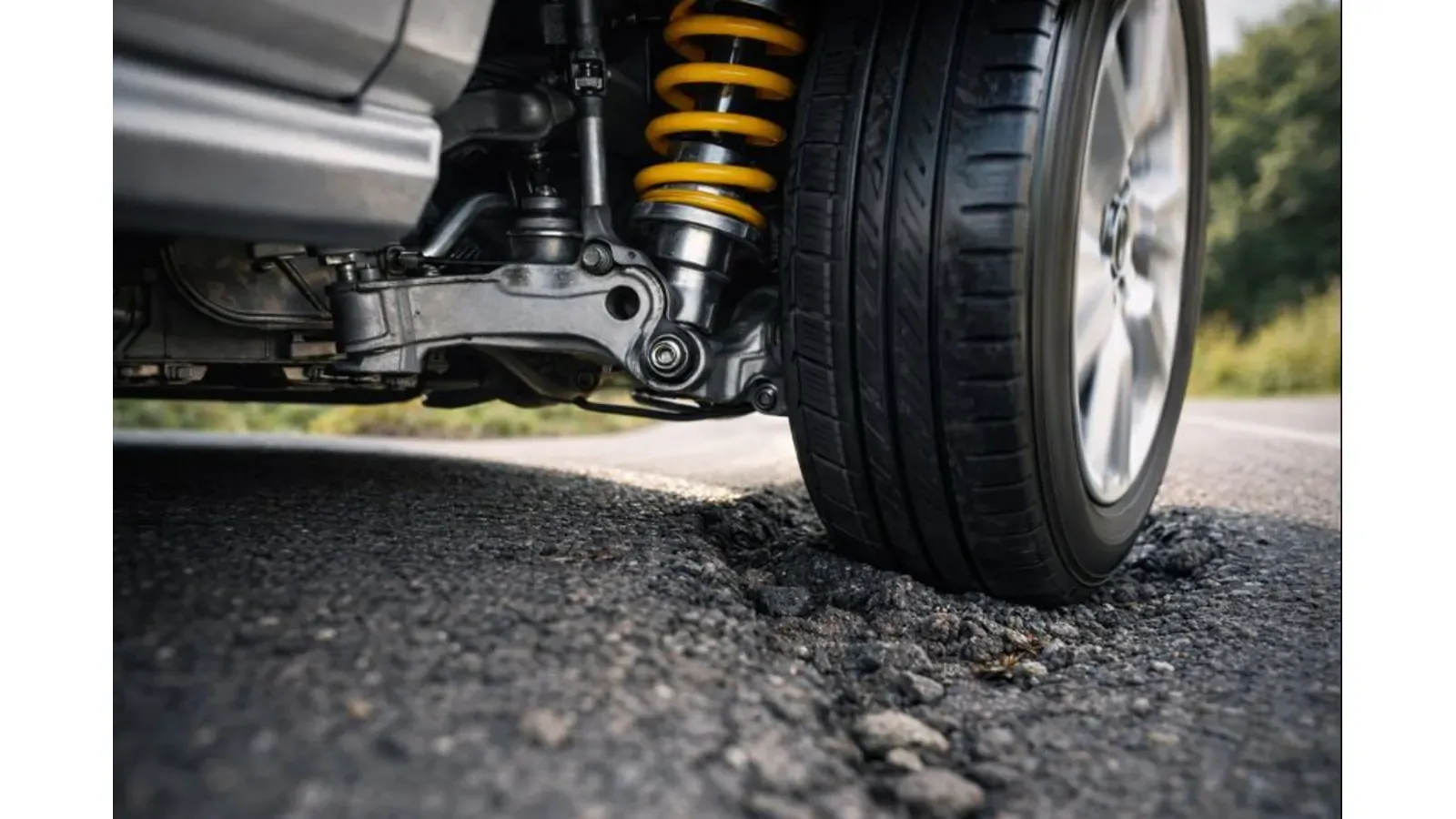
Clunking or knocking noises over bumps usually come from worn control arm bushings, ball joints, or stabilizer links. These parts are designed to absorb impact, and when rubber or joints degrade, metal movement becomes audible.
Takeaway: Impact-related noise usually means suspension looseness.
Brake system faults
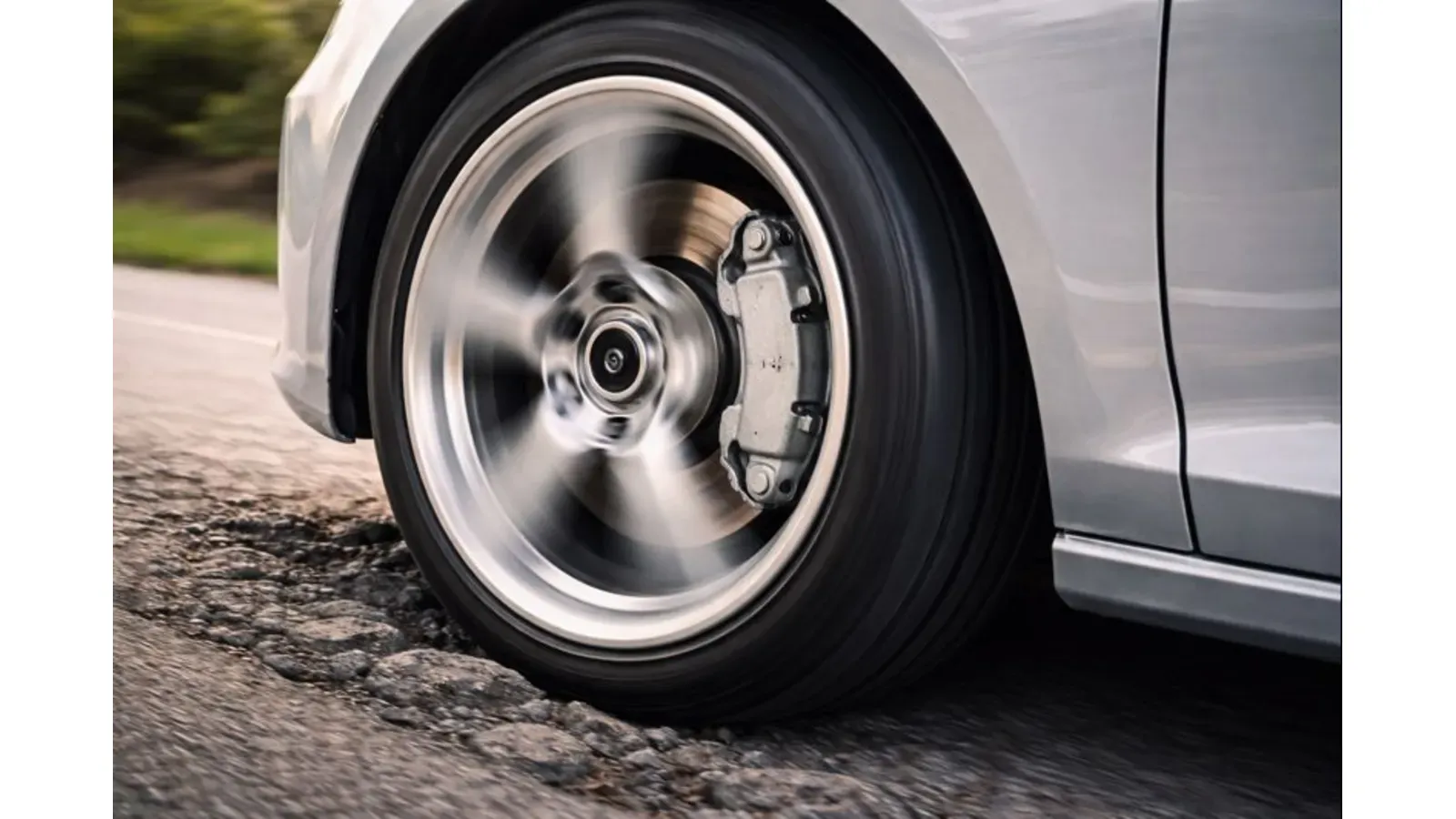
Squealing, grinding, or scraping noises often indicate worn brake pads, glazed rotors, or loose anti-rattle hardware. Brakes operate under high friction, making them one of the most common noise sources.
Takeaway: Braking noises often indicate friction material wear, not engine issues.
Engine accessories and mounts
Rattling or vibration noises during acceleration may come from worn engine mounts, loose heat shields, or failing belt-driven accessories. These parts respond directly to engine torque and speed changes.
Takeaway: Noise that changes with throttle often relates to engine load transfer.
Tires and road contact
Uneven tire wear, cupping, or low pressure can create rhythmic road noise. This noise may be mistaken for mechanical failure but originates from inconsistent tire contact.
Takeaway: Not all driving noise comes from internal vehicle parts.
Real-world scenarios or examples
A driver hears a humming sound that gets louder above 60 km/h but disappears when turning slightly. This behavior commonly indicates a failing wheel bearing rather than tire noise.
Another driver hears a sharp clunk when braking or accelerating at low speed. This often points to worn suspension bushings or engine mounts responding to load changes.
These scenarios show that when the noise happens matters more than how it sounds.
Quick Understanding Summary
When a car makes noise while driving, it usually indicates wear or failure in a specific mechanical system such as wheel bearings, suspension joints, brakes, or engine mounts. Noise often changes with speed, bumps, braking, or acceleration, helping identify the affected system. Understanding the conditions that trigger the sound is key to determining whether the issue is minor or requires immediate attention.

$500 Walmart Gift Card
Not everyone qualifies for this $500 Walmart gift card. Checking only takes a moment. You can check if you’re eligible.
Common mistakes to avoid
One common mistake is assuming louder noises are always more serious than subtle ones. Another is replacing parts based on sound alone without considering when the noise occurs. Ignoring early-stage noise often leads to larger mechanical failures.
Comparisons / Alternatives
| Noise condition | Likely technical cause | System involved |
|---|---|---|
| Noise increases with speed | Worn wheel bearing | Wheel assembly |
| Clunk over bumps | Worn bushings or joints | Suspension |
| Noise during braking | Pad or rotor wear | Braking system |
| Rattle during acceleration | Loose mounts or shields | Engine support |
This comparison narrows fault diagnosis without guesswork.
User real review / expert perspective

Automotive technician Chris Fix explains that “most serious car failures give warning through noise long before breakdown.”
Independent repair data consistently shows that early diagnosis of noise-related issues reduces repair costs and improves safety outcomes.
Future trends and predictions
As electric vehicles reduce engine noise, sounds from tires, suspension, and bearings will become more noticeable. Advanced diagnostic systems may integrate sound analysis, but mechanical noise will remain a key indicator of physical wear.
FAQs
Is any driving noise dangerous?
Not all noise is dangerous, but new or worsening sounds should be inspected.
Can I drive with a noisy wheel bearing?
Short-term driving may be possible, but failure can lead to wheel damage or loss of control.
Why does noise disappear at certain speeds?
Some components resonate only under specific loads or rotations.
Do cold temperatures increase car noise?
Yes, rubber and metal behave differently when cold, revealing wear.
Conclusion
Car noises while driving are not random sounds but mechanical signals. Identifying when and how the noise occurs helps pinpoint real technical problems before they become serious failures.