7 Powerful Reasons Why German Inflation Increased to 2.4% in September 2025 Despite Slow Growth
Explore seven powerful reasons why German inflation increased to 2.4% in September 2025 despite sluggish growth. This concise, research-driven teaser highlights the structural pressures, policy shifts, and market forces behind the unexpected rise.

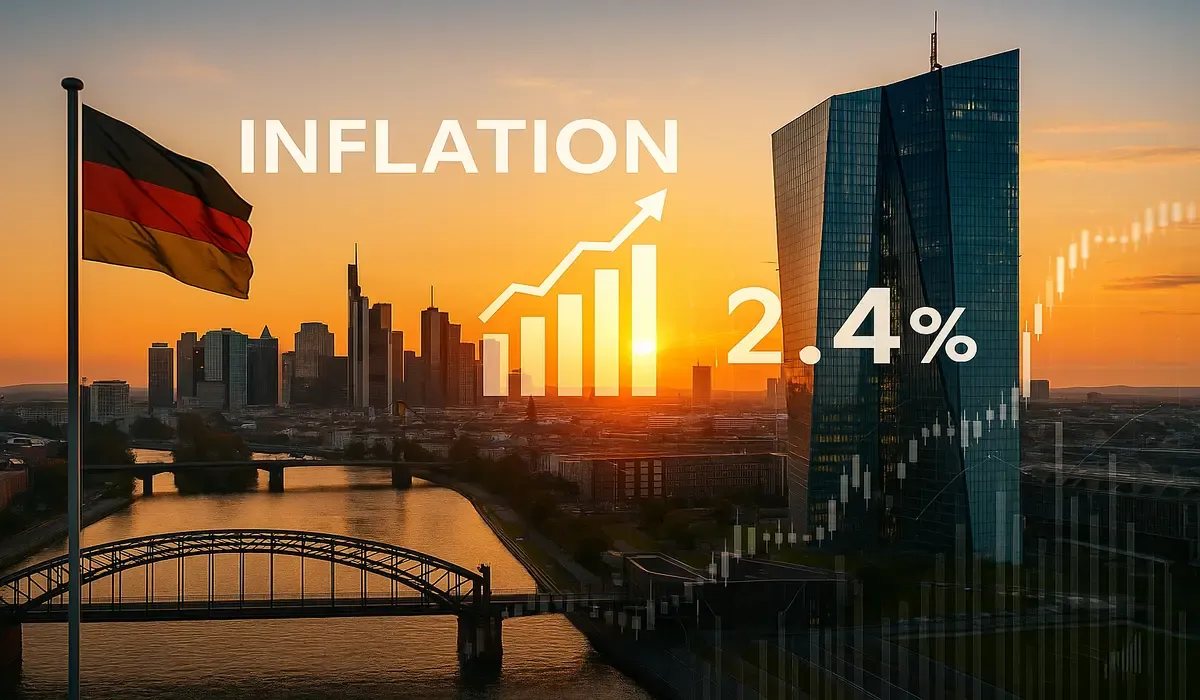
The question why german inflation increased to 2.4% in september 2025 holds key insight into shifting economic pressures. Germany’s consumer prices rose by 2.4% year-on-year in September. That increase reflects stronger service inflation and weaker downward pull from energy prices.
- Services prices jumped, especially transport and health.
- Energy prices declined less sharply, reducing downward drag.
- Food inflation remained elevated, and core inflation showed broad strength.
What the Data Says
- The official consumer price index for german inflation rose 2.4 % in September 2025 compared to the same month a year earlier.
- Month-on-month prices rose 0.2 %.
- Energy product prices were down 0.7 % compared to prior year — a much smaller decline than in recent months.
- Food prices increased 2.1 %.
- Core inflation (excluding food & energy) was 2.8 %.
- Service prices rose 3.4 %, with notable increases in transport, health services, insurance, repairs, and social services.

$500 PayPal Gift Card $500 PayPal Gift Card
Some users qualify for a $500 PayPal gift card. You can check if you qualify
Latest Post
Key Drivers Behind the Rise
1. Strong Service Inflation
Service costs are a major contributor. Rising fees in passenger transport (+11.2 %), health services (+6.5 %), insurance, vehicle repairs, and social facility services pushed overall inflation upward.
Services often reflect labor, maintenance, and overhead costs — all sensitive to wage growth and input price pressures.
2. Energy Price Slide Losing Momentum
Previously, falling energy costs provided a counterbalance to inflation. In September 2025, that downward pressure softened — energy fell only 0.7 % year-on-year.
More importantly, motor fuels turned positive (+1.1 %) for the first time since May—a sign that energy is no longer a deflationary force.
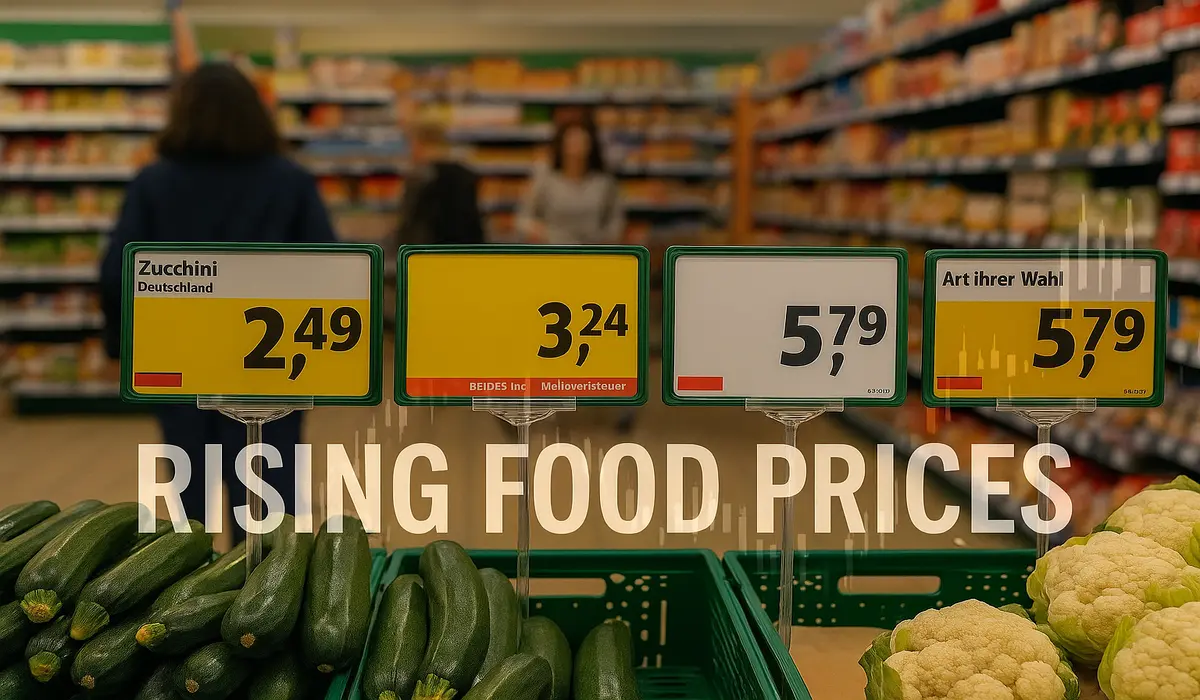
3. Persistent Food Inflation
Food prices, rising 2.1 %, added further pressure. In particular, sugar, jam, honey, confectionery (+6.5 %), fruit (+5.1 %), and meat products (+3.2 %) registered solid gains.
Even small upward shifts in staple food categories can contribute meaningfully to headline inflation due to their weight in consumer baskets.
4. Broad-Based Price Pressures
Core inflation (excluding food and energy) climbed to 2.8 %. That indicates that inflation is not just about volatile items — price pressures are broad.
Many goods and services beyond energy and food are becoming more expensive, reflecting general cost-push and demand-side dynamics.
5. Supply & Cost Pressures
Several factors boosted input costs:
- Higher wages in some sectors.
- Supply chain constraints for parts, especially in auto and repair services.
- Elevated import costs, especially for intermediate goods.
These cost pressures feed into consumer prices over time.
6. Base Effects & Past Weak Prices
A year ago, energy prices had experienced a deeper decline. So the weaker negative base effect now amplifies year-on-year growth.
Similarly, goods categories like electronics continued to push upward from very low comparative levels.
Why It Matters
- Monetary Policy Implications: With german inflation staying above 2 %, the European Central Bank (ECB) may hesitate to cut rates further.
- Purchasing Power Erosion: Households — especially low-income — will feel pressure as essentials cost more.
- Wage-Price Spiral Risk: If labor demands escalate, costs could feed further inflation.
- Expectations Anchoring: Persistent inflation undermines confidence in price stability and may shift consumer expectations upward.
Practical Takeaways
- Track core german inflation trends — they offer a clearer signal than volatile items.
- Manage exposure to energy and food costs — plan budgets keeping inflation in mind.
- Watch ECB signals — rate decisions will respond to persistent price pressures.
- Support productivity & supply chain resilience — helps contain cost pass-through over time.

$750 Amazon Gift Card $750 Amazon Gift Card
Some users qualify for a $750 Amazon gift card. You can check if you qualify.
FAQs
Q1: Why german inflation increased to 2.4% in september 2025?
It was driven by strong service german inflation, a softer decline in energy prices, sustained food price hikes, and broad core inflation pressures.
Q2: Did energy contribute or reduce inflation?
Energy’s downward drag weakened — especially since motor fuel prices turned positive — making energy a less significant disinflation factor.
Q3: Is this rise temporary or persistent?
While some components may revert, core inflation indicates structural upward pressure, so some persistence is likely.
Q4: What sectors saw the highest price increases?
Services — transport, health, insurance, repairs — led the price increases. Food categories like confectionery, fruit, and meat also saw strong gains.
Key Takeaways
- The rise illustrates why german inflation increased to 2.4% in september 2025 — chiefly from services and weaker energy drag.
- Core inflation (2.8 %) underscores that price pressures are broad, not limited to volatile sectors.
- Food and service inflation remain key contributors.
- Policy and consumer responses will matter in shaping future inflation trends.
Conclusion
Understanding why german inflation increased to 2.4% in september 2025 is crucial for anticipating Europe’s economic trajectory. The blend of service inflation, weakening energy declines, and sustained food price growth reveals that inflation is becoming more entrenched. It’s a warning: price stability cannot be taken for granted.