7 Crucial Insights on Why Delhi’s Artificial Rain Plan Got Stuck After Diwali Pollution
Discover crucial insights into why Delhi’s artificial rain plan got stuck after Diwali pollution. This concise, research-driven breakdown explains technical hurdles, administrative delays, and the missed opportunity to combat the capital’s toxic air.

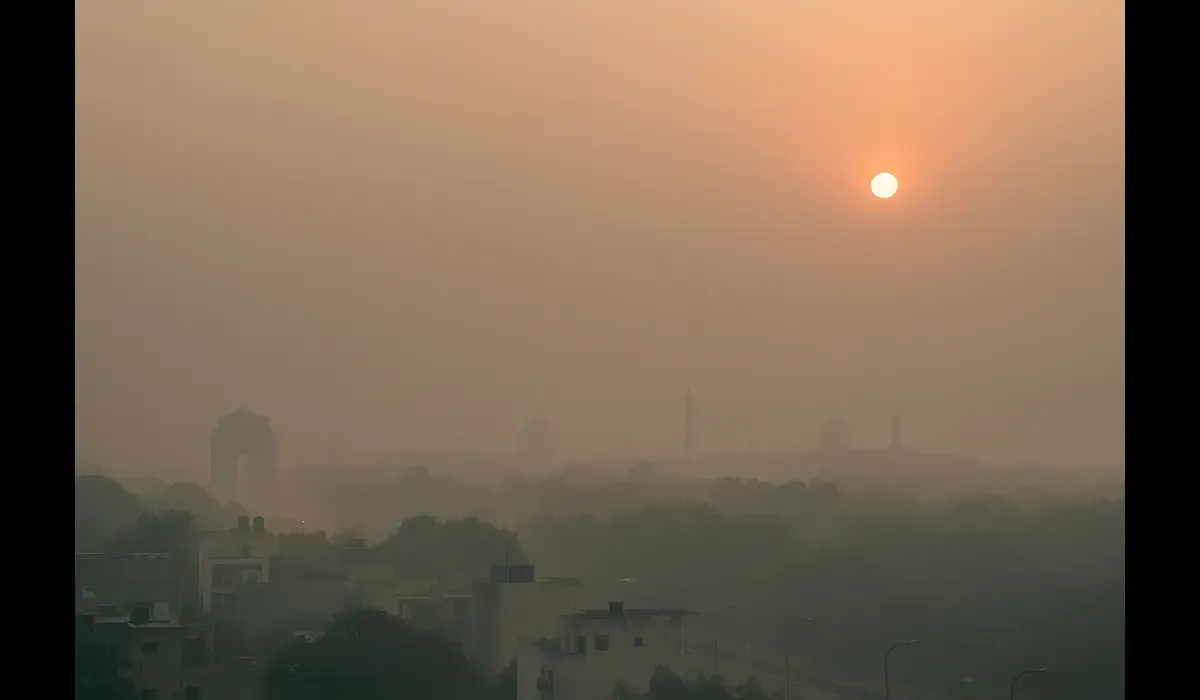
The delhi artificial rain plan was announced as a quick response to the city’s worsening air quality, but it remains on hold even after the post-Diwali pollution spike. As residents struggle with hazardous smog, the question grows louder: why hasn’t the much-discussed artificial rain begun?
- All permissions, aircraft, and logistics are ready.
- The operation is delayed due to lack of suitable cloud cover.
- Authorities await a weather window after Diwali.
Quick Context
The delhi artificial rain plan is a cloud-seeding initiative designed to trigger rainfall and reduce air pollution in the National Capital Region. The project uses weather-modification techniques to disperse aerosols (like silver iodide or sodium chloride) into clouds, encouraging condensation and artificial rain.
The goal is simple: wash down pollutants from the atmosphere and offer temporary relief during peak smog months.

$500 PayPal Gift Card$500 PayPal Gift Card
Some users qualify for a $500 PayPal gift card. You can check if you qualify.
Latest Post
Current Status: Why the Plan Is Delayed
Despite the severe post-Diwali smog, the delhi artificial rain plan has not started because of unfavorable meteorological conditions. The Indian Meteorological authorities have reported insufficient moisture and lack of dense cloud formations needed for effective seeding.
Prepared But Paused
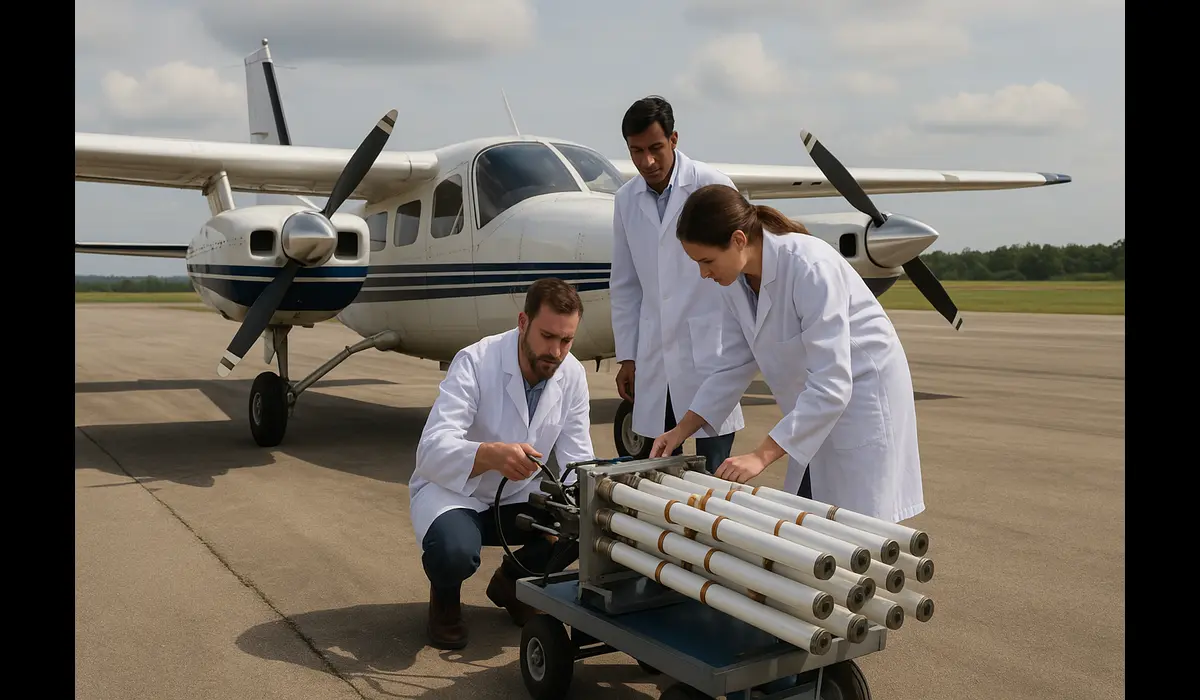
- The aircraft (a Cessna 206H) and chemical dispersal systems are fully equipped.
- All necessary approvals have been granted by aviation, meteorological, and environmental bodies.
- However, the weather does not yet meet the technical criteria for cloud seeding.
Officials state that clear skies and dry atmospheric layers over Delhi have made seeding impractical for now.
Key Details and Project Timeline
1. Technical Overview
- Objective: Reduce air pollution temporarily through artificial rainfall.
- Method: Cloud seeding using a small aircraft equipped with silver iodide flares.
- Institutions involved: IIT Kanpur, Delhi Government’s Environment Department, and the Meteorological Department.
- Target region: Central and north-west Delhi.
- Ideal window: October to November, before winter inversion traps pollutants near the ground.
2. Initial Plan
The operation was initially expected to begin immediately after Diwali, coinciding with the rise in particulate matter levels. However, the delhi artificial rain plan was postponed when the required cumulus cloud density was missing.
3. On-Ground Readiness
- Crew and pilots are trained and stationed in Delhi.
- Equipment is loaded and waiting for cloud activity.
- Monitoring systems are tracking moisture levels daily.
Why Weather Is the Main Obstacle
Artificial rain requires specific meteorological conditions:
- Cloud Presence: Only medium to dense clouds containing moisture can be seeded.
- Humidity: Minimum 65–70% relative humidity is needed for condensation.
- Temperature: Lower atmospheric layers must support droplet formation.
Currently, Delhi’s atmosphere remains too dry and stagnant. Without the right clouds, even a well-equipped delhi artificial rain plan cannot deliver results.
Post-Diwali Pollution Situation
The Air Quality Index (AQI) in Delhi crossed 350–400 after Diwali, entering the ‘severe’ category. Firecracker smoke, vehicular emissions, stubble burning, and low wind speed have combined to form a dense pollution blanket over the city.
Authorities hoped artificial rain would provide short-term relief, but meteorological constraints have forced a wait. Experts warn that even if artificial rain occurs, its effect would be temporary unless emission sources are addressed.
Why the Delay Matters
1. Health Impact
Delhi’s residents continue to suffer prolonged exposure to hazardous air, increasing respiratory illnesses, asthma cases, and cardiovascular risks. The delhi artificial rain plan was expected to provide quick relief, but its delay prolongs health risks for millions.
2. Public Expectation
The government’s announcement created high public anticipation. The postponement, though scientifically justified, has triggered frustration and skepticism about feasibility.
3. Policy Timing
Each winter, Delhi faces the same pollution crisis. The delay shows the limits of technological interventions when nature doesn’t cooperate. It also underlines the need for preemptive pollution management.
Alternatives to Artificial Rain
| Measure | Description | Effectiveness |
|---|---|---|
| Dust Suppression Vehicles | Water sprinklers used on roads and construction zones. | Moderate, localized effect. |
| Odd-Even Traffic Policy | Restricting vehicles based on registration numbers. | Short-term reduction in vehicular emissions. |
| Industrial Regulation | Limiting factory operations during smog episodes. | Effective if strictly enforced. |
| Crop Burning Control | Coordination with neighboring states to reduce residue burning. | Long-term improvement if compliance improves. |
While none of these options can instantly clear the air, they target the root causes — unlike the delhi artificial rain plan, which only offers temporary relief.
Expert Viewpoints
- Meteorologists emphasize that artificial rain cannot be forced in clear skies. Cloud seeding amplifies existing weather conditions — it cannot create rain from nothing.
- Environmental scientists note that even if successful, rainfall will reduce pollution only for a few days before emissions rise again.
- Health experts stress that public behavior (fireworks, waste burning, vehicle use) must change to make any rain-based solution meaningful.
These opinions align with the consensus that the delhi artificial rain plan is a short-term emergency measure, not a replacement for sustainable environmental policy.
What Citizens Should Do Now
- Monitor AQI Daily: Use verified government apps to check pollution levels.
- Protect Health: Wear N95 or KN95 masks outdoors; use air purifiers indoors.
- Minimize Emissions: Avoid unnecessary vehicle use, reduce generator and firework activity.
- Support Long-Term Policy: Engage in public consultations and support emission-reduction drives.
- Stay Updated: Follow official bulletins for the next possible window of the delhi artificial rain plan.

$750 Cash App Gift Card$750 Cash App Gift Card
Some users qualify for a $750 Cash App gift card. You can check if you qualify.
FAQs
Q1: What is the purpose of the delhi artificial rain plan?
It aims to trigger rainfall through cloud seeding to temporarily reduce air pollution in Delhi.
Q2: Why is the delhi artificial rain plan delayed after Diwali?
The delay is due to lack of suitable clouds and insufficient atmospheric moisture for effective seeding.
Q3: Can artificial rain permanently solve Delhi’s pollution?
No. It offers short-term relief, but pollution will return unless emissions are reduced at the source.
Q4: When might the delhi artificial rain plan resume?
Authorities expect a potential weather window around late October or early November, depending on cloud conditions.
Q5: How effective is cloud seeding for pollution control?
Effectiveness varies widely. If successful, it can temporarily lower particulate matter levels, but results are unpredictable.
Key Takeaways
- The delhi artificial rain plan is delayed primarily due to unfavorable weather conditions.
- All logistical and technical preparations are complete, awaiting suitable clouds.
- Artificial rain is not a permanent solution to Delhi’s pollution crisis.
- Sustainable emission control remains the only long-term path to clean air.
- Citizens can take proactive health and lifestyle measures while waiting for updates.
Conclusion
The delhi artificial rain plan symbolizes both hope and limitation — hope for short-term relief, and limitation in its dependence on nature’s timing. Despite readiness on every front, the absence of clouds has grounded the mission for now. As Delhi waits for the sky to cooperate, the bigger challenge remains below — cutting emissions at their source.