Why Car Engines Overheat and What Actually Causes It
Car engines overheat when the heat produced inside the engine is not released properly through the cooling system. This article explains how heat builds up, what parts usually fail, and why understanding the cause early helps prevent serious engine damage.

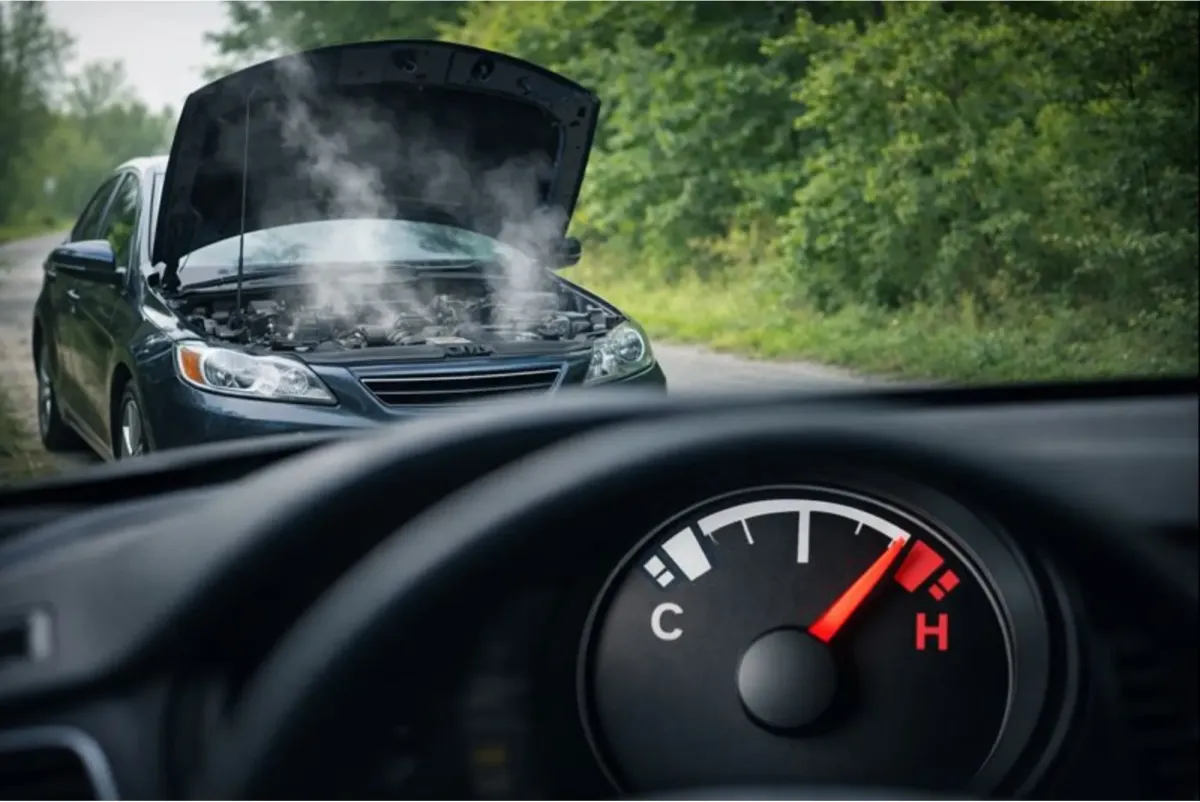
The real question behind this
Most drivers know overheating is bad, but they don’t know why it happens.
The temperature rises suddenly, even when the car seemed fine earlier.
The confusion is whether overheating comes from driving conditions or a hidden fault.
Understanding this helps prevent panic, damage, and costly repairs.
What This Means
A car engine overheats when heat produced inside the engine is not released properly.
Engines burn fuel to create power, and heat is a natural result of this process. The cooling system controls that heat by absorbing it and releasing it into the air. When cooling fails, heat stays trapped inside metal engine parts. Over time, this causes parts to expand, weaken, or fail.
Overheating is not a single problem. It is a warning sign that the heat control system is no longer working as designed.
Why This Matters Today
Modern cars run hotter than older vehicles. Engines are smaller, more powerful, and tightly packed. This makes them more sensitive to cooling problems.
Traffic congestion, long idle times, delayed servicing, and ignored warning lights increase overheating risk.
The real danger is continuing to drive while overheating, which can damage the engine permanently.
The real solution is not just stopping the car, but understanding what causes the heat buildup so it does not happen again.

$750 Amazon Gift Card
Some users qualify for a $750 Amazon gift card. You can check if you qualify.
How This Works in Practice
Engine heat increases faster than cooling can remove it
Every time the engine runs, heat is produced continuously.
Technical facts:
- Combustion creates extreme internal heat
- Metal engine parts absorb heat quickly
- Heat must be carried away constantly
- Any slowdown in cooling causes rapid temperature rise
Effective solution:
A fully functioning cooling system must run continuously, not occasionally.
Here’s how your car engine stays cool under extreme heatpic.twitter.com/b91Xb4VNR5
— Massimo (@Rainmaker1973) November 21, 2025
Clear takeaway:
Overheating begins when heat removal slows, not when heat production increases.
Coolant fails to absorb or move heat
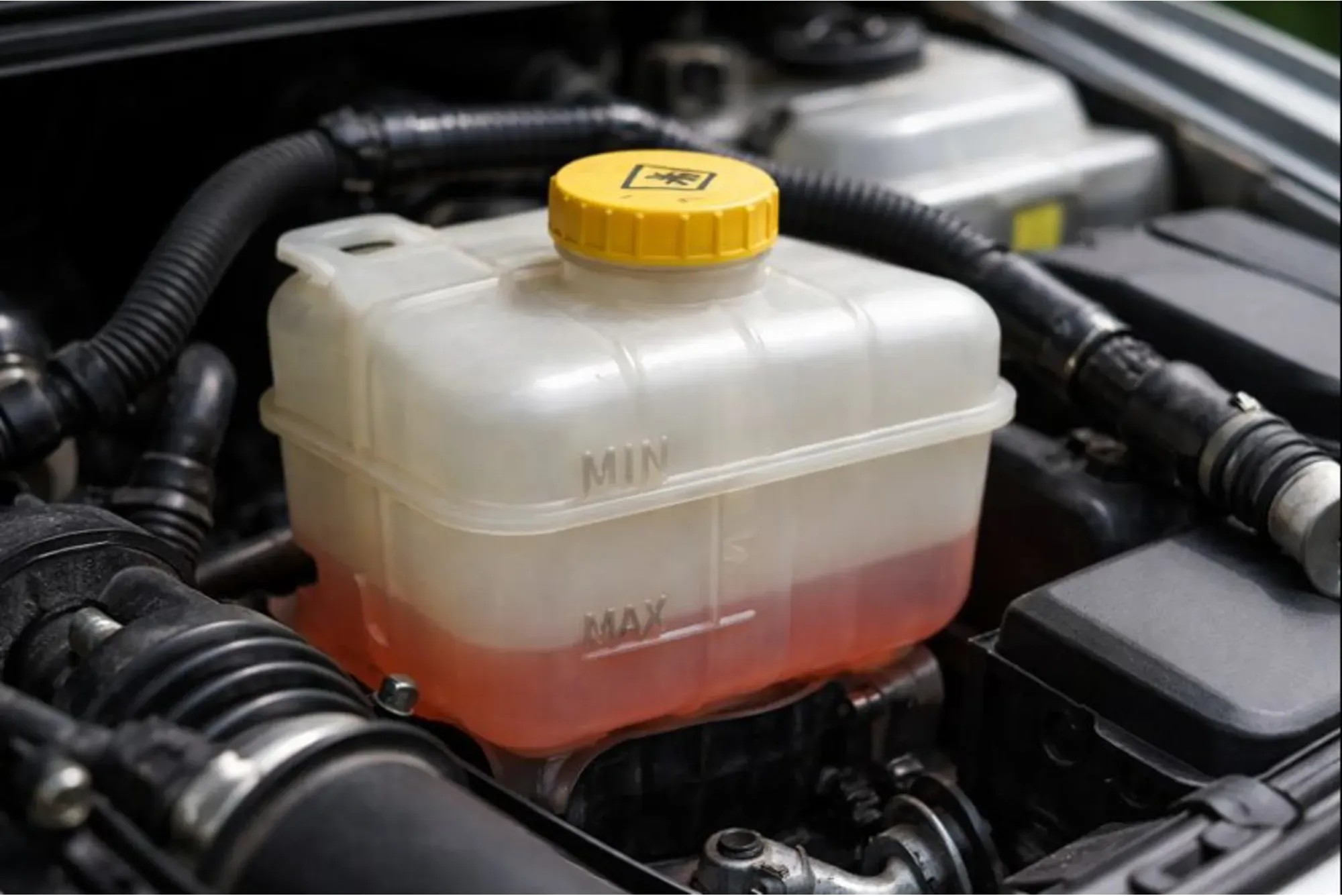
Coolant is the main carrier of heat away from the engine.
Technical facts:
- Coolant absorbs heat from engine walls
- Low coolant reduces heat absorption
- Air pockets block circulation
- Engine temperature rises unevenly
Effective solution:
Fix leaks, remove air from the system, and maintain proper coolant levels.
Clear takeaway:
An engine can overheat even without visible leaks if circulation is poor.
Radiator cannot release heat into the air
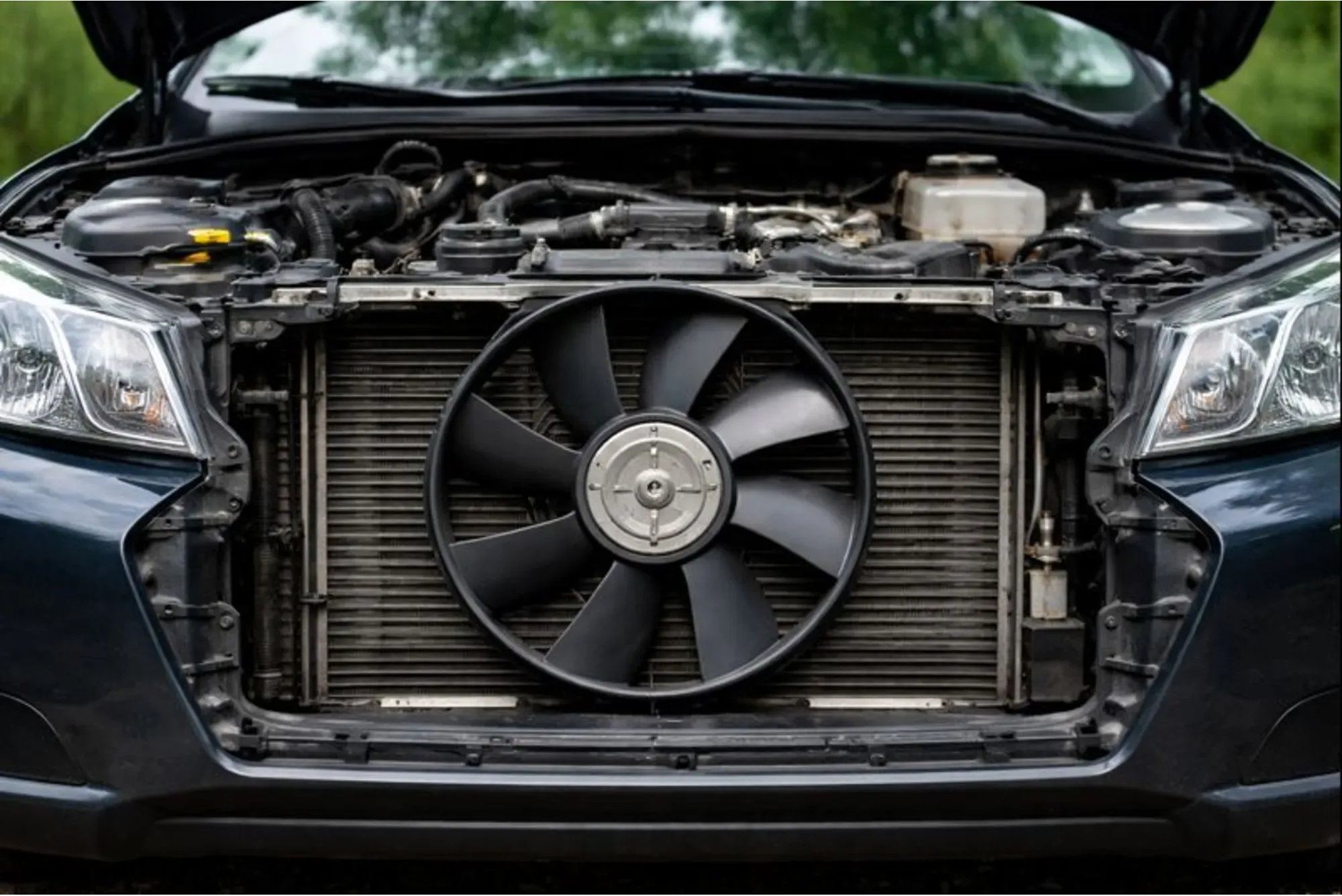
The radiator transfers heat from coolant to outside air.
Technical facts:
- Radiator fins increase surface area
- Dirt or corrosion blocks heat release
- Poor airflow traps hot coolant
- Heat returns to the engine
Effective solution:
Keep the radiator clean and undamaged.
Clear takeaway:
Heat must leave the radiator or it returns to the engine.
Cooling fan fails at low speed
At slow speeds or traffic stops, airflow depends on the fan.
Technical facts:
- Fans replace airflow when the car is stationary
- Electrical faults stop fan operation
- Heat rises quickly in traffic
- Highway driving may temporarily cool the engine
Effective solution:
Repair fan motors, sensors, or wiring.
Clear takeaway:
Overheating in traffic usually means airflow failure.
Thermostat blocks coolant flow
The thermostat controls when coolant circulates.
Technical facts:
- Closed thermostat traps hot coolant
- Engine temperature spikes suddenly
- Radiator stays cool while engine overheats
- Overheating happens quickly
Effective solution:
Replace faulty thermostats early.
Clear takeaway:
Small control parts can cause big temperature problems.
Water pump cannot move coolant
Coolant must keep moving to carry heat.
Technical facts:
- Pump failure stops circulation
- Heat builds up rapidly
- Leaks or grinding noise may appear
- Overheating worsens fast
Effective solution:
Repair or replace the water pump.
Clear takeaway:
Coolant must flow, not just exist.
Real-World Scenarios or Examples
A car overheats only in traffic but runs fine on highways. The cooling fan is not working.
Another car overheats shortly after refilling coolant. Air trapped in the system blocks circulation.
These situations show overheating usually comes from cooling system imbalance, not driving style.
Quick Understanding Summary
Car engines overheat when heat produced during operation cannot escape through the cooling system. Causes include low coolant, blocked radiators, failed fans, stuck thermostats, or water pump problems. Overheating is a warning, not a failure. Understanding the cause early helps prevent engine damage.
Common Mistakes to Avoid
Many drivers keep driving after the temperature warning appears. Others keep adding water without fixing leaks or circulation issues. Temporary fixes hide the problem and increase damage risk.
Comparisons / Alternatives
| Overheating Pattern | Likely Cause |
|---|---|
| Only in traffic | Fan or airflow issue |
| Always overheating | Coolant loss or circulation failure |
| Sudden spike | Thermostat problem |
| Gradual rise | Radiator efficiency issue |
These patterns help identify causes logically.
User Real Review / Expert Perspective
User experience – Suresh Malhotra:
“My car overheated during traffic jams. I kept adding water. Later, the fan motor was replaced and the problem stopped completely.”
Expert perspective – Auto Mechanic Anil Verma:
“Most overheating damage happens because drivers ignore early signs. Small fixes prevent big repairs.”
Future Trends / Predictions
Cars are adding smarter sensors and automatic engine shutdown features. While technology will reduce damage, cooling systems will still rely on the same basic principles: heat absorption, circulation, and release.
Final Answer or Solution
A car engine overheats because heat is not removed fast enough. The effective solution is to identify which part of the cooling system is failing—coolant, airflow, circulation, or control—and repair it early. Understanding the cause protects the engine and avoids expensive repairs.
 Deepak Singh

$750 Cash App Gift Card
Not everyone qualifies for this $750 Cash App gift card. Checking only takes a moment. You can check if you’re eligible.
FAQs
Is overheating always serious?
It becomes serious if ignored.
Can I drive a short distance while overheating?
It becomes serious if ignored.
Does water fix overheating?
Only temporarily. It does not fix the cause.
Conclusion
Engine overheating is not sudden or random. It is the result of cooling failure over time. Understanding how heat moves through the engine helps drivers act early and protect their vehicle.