What Is Forbidden During Navratri? The Ultimate Guide
This guide clarifies what is forbidden during Navratri, helping readers follow traditions correctly and avoid common mistakes. A concise, practical overview for anyone observing the festival with authenticity and confidence.


What is forbidden during Navratri is a question asked by millions of devotees preparing for the nine-day festival of Goddess Durga. Navratri is not only about fasting and prayer but also about following certain navratri rules to maintain purity and discipline.
The Spiritual Significance of Restrictions
Navratri, meaning “nine nights,” symbolizes the victory of good over evil. To channel spiritual energy, devotees avoid tamasic (impure) and rajasic (excessive) behaviors, focusing instead on sattvic (pure) living.
The restrictions help cleanse the body, mind, and soul, creating an environment for deeper devotion to Goddess Durga.
Grains & Lentils
- Rice, wheat, oats, corn, and pulses are avoided.
- Reason: Considered heavy and rajasic, not ideal for fasting.
Onion & Garlic
- Believed to increase negativity and distract from spiritual focus.
Non-Vegetarian Food
- Meat, fish, and eggs are strictly forbidden.
- Reason: Associated with violence, conflicting with Navratri’s spirit of purity.
Alcohol & Tobacco
- Both are prohibited as they pollute the body and mind.
Regular Salt
- Rock salt (sendha namak) replaces common iodized salt.
Lifestyle Restrictions During Navratri
Cutting Hair & Nails
- Avoided as a mark of respect for Goddess Durga.
Wearing Black Clothes
- Considered inauspicious during the festival.
Anger & Arguments
- Maintaining peace and positivity is vital.
Sleeping During the Day
- Believed to reduce spiritual merit gained from fasting.
Ritual Restrictions During Navratri
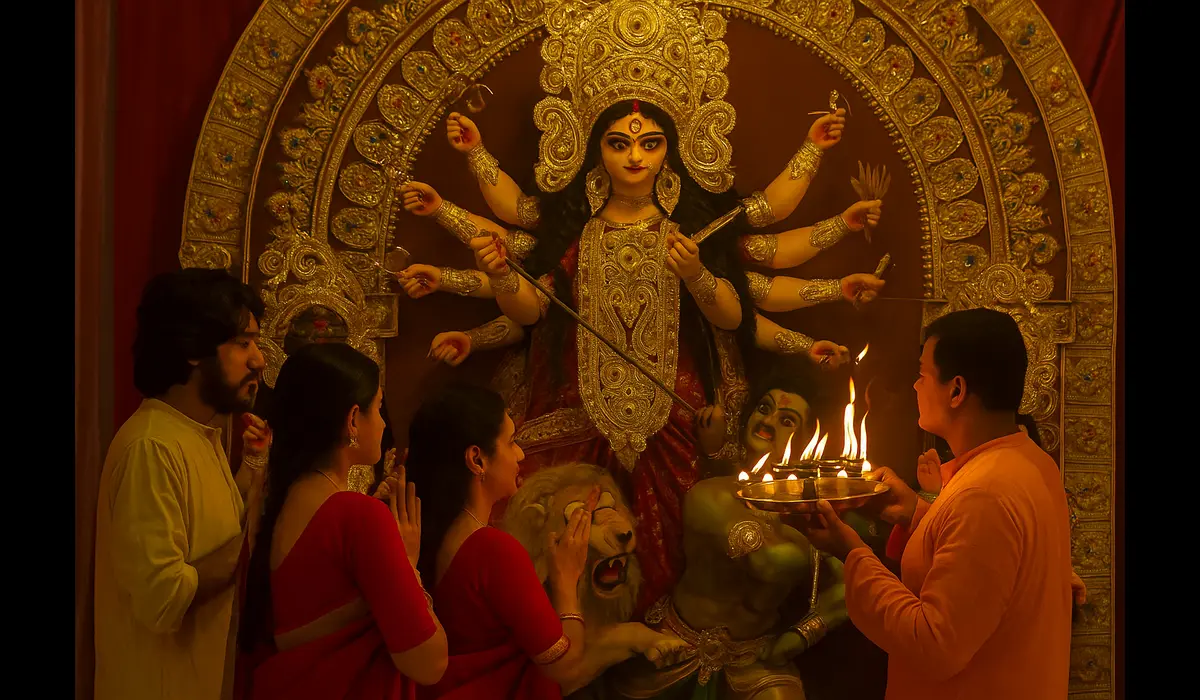
- Skipping daily puja and aarti is considered disrespectful.
- Breaking the fast with prohibited food reduces the benefit of vrat.
- Ignoring day-specific rituals for each goddess can weaken spiritual impact.
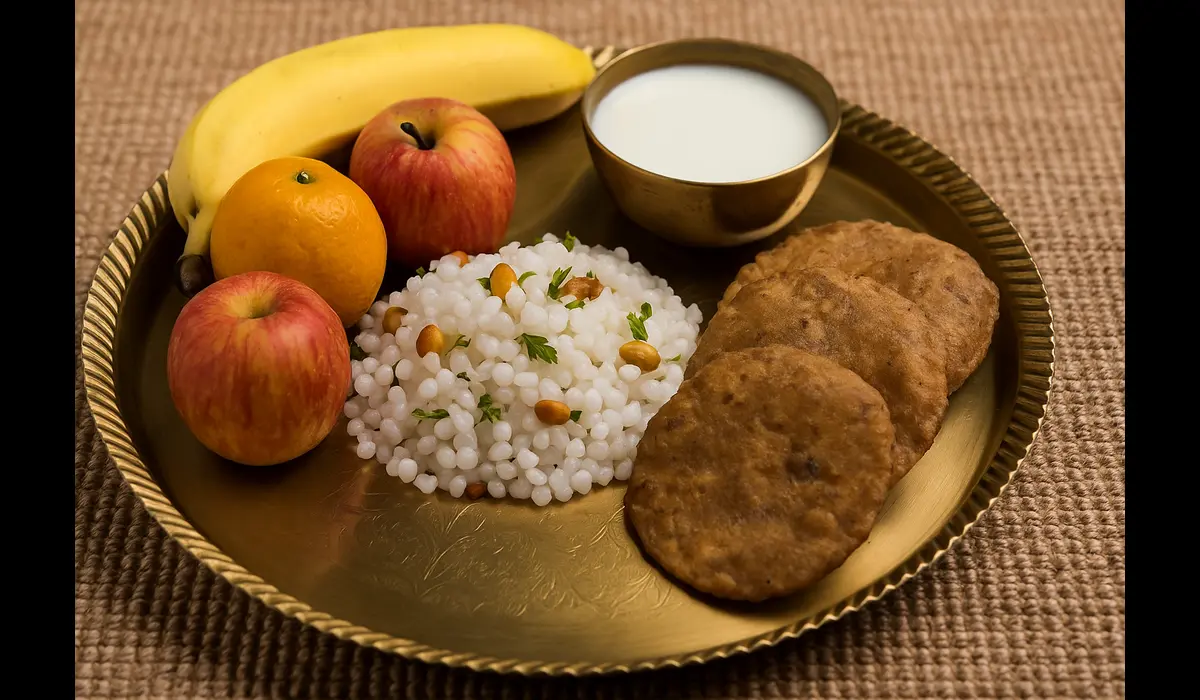
What You Can Eat Instead
Fruits
- Banana, apple, pomegranate, papaya.
Vrat Flours
- Kuttu (buckwheat), singhada (water chestnut), rajgira (amaranth).
Sabudana & Potatoes
- Used in khichdi, vadas, or cutlets.
Dairy
- Milk, yogurt, paneer are sattvic and energizing.
Rock Salt
- Used instead of regular salt in all vrat recipes.
Why These Rules Matter
The restrictions during Navratri are not about strictness but about discipline. By avoiding negative influences, devotees can:
- Strengthen spiritual focus.
- Purify body and mind.
- Align lifestyle with the divine energy of Goddess Durga.
Comparisons Across India
| Region | Restrictions Focus | Special Practice |
|---|---|---|
| North India | Strict fasting, no grains | Kanya Pujan on Day 8 or 9 |
| Gujarat | Avoid heavy foods | Garba and Dandiya at night |
| West Bengal | Meat, alcohol forbidden | Durga Puja rituals |
| South India | No tamasic food | Golu doll displays |
Practical Takeaways about What is forbidden during Navratri
- Replace regular salt with sendha namak.
- Avoid onion, garlic, non-veg, alcohol, and tobacco.
- Follow sattvic diet with fruits, dairy, and vrat flours.
- Stay calm, avoid arguments, and dedicate time to prayer.
FAQs about What is forbidden during Navratri
Q1: What is forbidden during Navratri fasting?
A: Grains, pulses, onion, garlic, non-veg, alcohol, tobacco, and regular salt are forbidden.
Q2: Can we drink tea or coffee during Navratri?
A: Yes, but without milk for strict fasting. Most devotees allow light tea/coffee.
Q3: Why is onion and garlic not eaten in Navratri?
A: They are considered tamasic foods, creating restlessness and reducing spiritual purity.
Q4: Can we cut nails or hair during Navratri?
A: Traditionally, devotees avoid cutting nails and hair during Navratri as a sign of respect.
Key Takeaways
- The answer to what is forbidden during Navratri includes grains, onion, garlic, non-veg, alcohol, tobacco, and tamasic habits.
- Lifestyle restrictions like not cutting nails, avoiding black clothes, and maintaining positivity are equally important.
- The festival focuses on purity, devotion, and discipline.
Conclusion
The guidance on what is forbidden during Navratri helps devotees align their lifestyle with devotion. By following food restrictions, lifestyle rules, and ritual discipline, Navratri becomes more than a festival — it becomes a spiritual journey of purity and divine connection.