What Cloud Computing Is and How It Works
Cloud computing has quietly changed how data is stored, shared, and protected in everyday digital life. This article explains what cloud computing really is, how it works behind the scenes, and why it has become the backbone of modern apps, businesses, and online services.

The real question behind this
Many people use cloud services every day without realizing it.
Files sync automatically, apps run without being installed, and data is accessible anywhere. The confusion is not about using the cloud, but about what it actually is.
Understanding this removes the mystery behind modern digital services
What This Means
Cloud computing means using computing resources—such as storage, software, and processing power—over the internet instead of relying only on a personal computer or local server.
Instead of owning and maintaining physical machines, users access shared resources hosted in large data centers. These resources are managed by providers who handle hardware, maintenance, and availability. The connection between users, networks, and remote servers is what makes cloud computing function as a system.
This definition stands alone: cloud computing shifts computing work from local devices to remote infrastructure accessed on demand.

$750 Amazon Gift Card
Some users qualify for a $1000 Walmart gift card. You can check if you qualify.
Why This Matters Today
Computing needs have changed. People now work across multiple devices, collaborate remotely, and store large amounts of data. Traditional local systems struggle to scale quickly or remain accessible everywhere.
Cloud computing matters because it supports flexibility, remote access, and rapid growth. At the same time, it does not solve every problem. It depends on internet connectivity and introduces questions around data control and privacy.
What changes over time are tools and platforms. What remains stable is the core idea: shared computing resources delivered over a network.
How This Works in Practice
Remote infrastructure
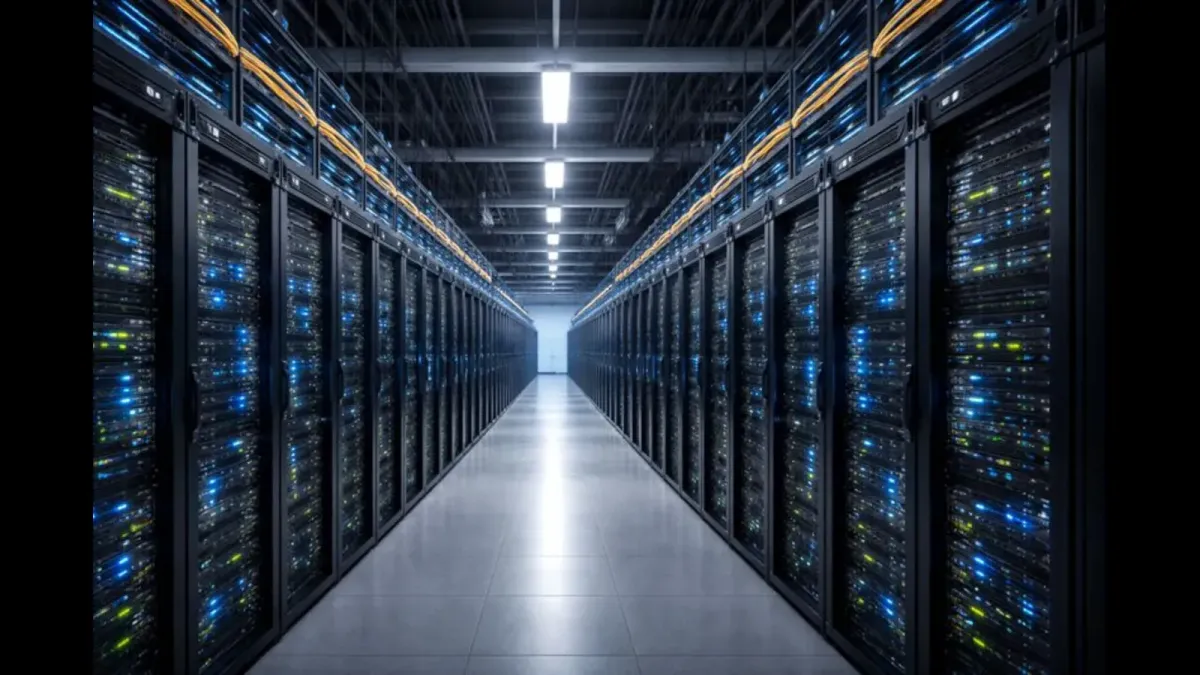
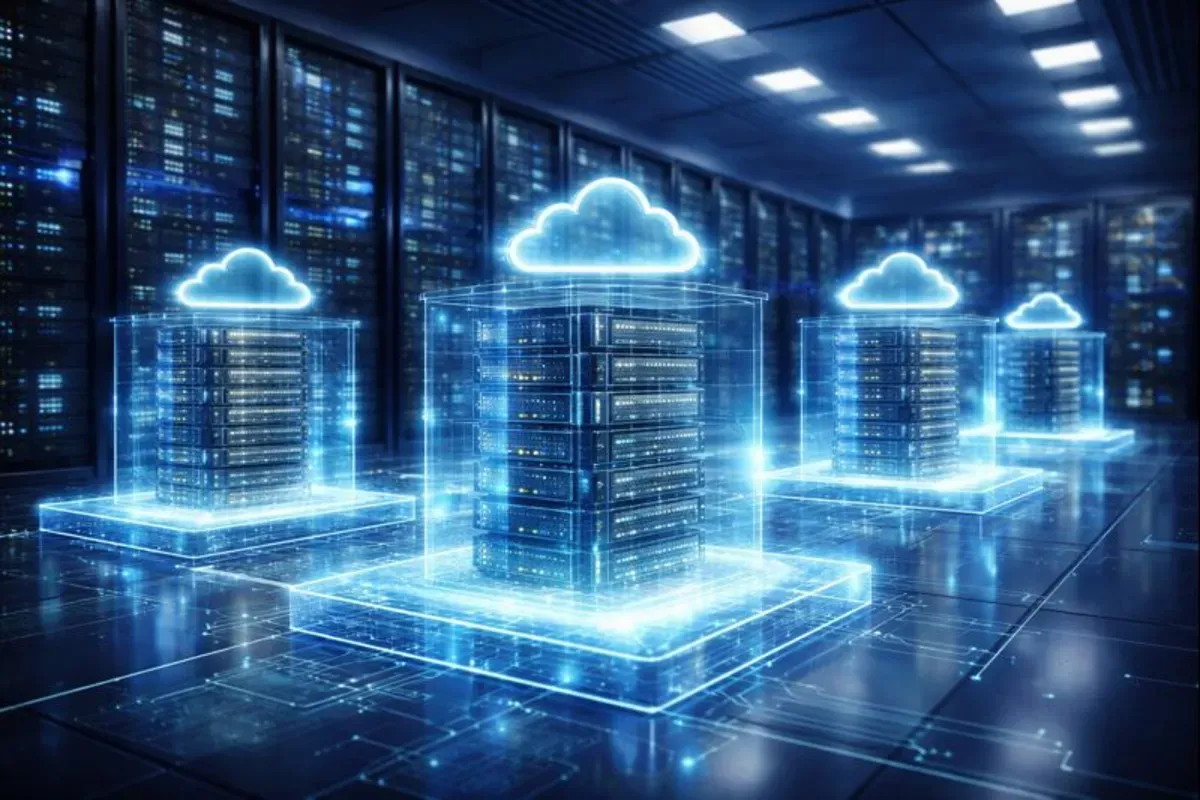
Cloud computing relies on data centers that house thousands of servers. These servers provide storage, computing power, and applications that users access through the internet.
Resource Sharing and Scaling
Resources are shared among many users, allowing systems to scale up or down based on demand. This avoids the need to buy extra hardware for occasional use.
Access Through Networks
Users interact with cloud systems through browsers, apps, or software interfaces. The complexity of hardware management stays hidden, while functionality remains available.
Constraints and Trade-offs
Cloud computing reduces local maintenance but increases reliance on networks and providers. Performance, cost, and data location can vary depending on usage patterns.
Real-World Scenarios
A student saves documents in an online drive and accesses them from a phone, laptop, or shared computer. The files are not stored on one device but retrieved from remote servers.
A business runs its website on cloud servers that handle traffic spikes automatically. Without this understanding, one might assume the website runs on a single physical machine.
These scenarios show how cloud computing changes access, not just location.
Quick Understanding
Cloud computing means using storage, software, and computing power over the internet instead of on local machines. It works through remote data centers that share resources among many users. This approach enables flexibility and scalability but depends on network access and provider systems. Cloud computing is a long-term shift in how digital services are delivered and used.
Common Mistakes to Avoid
A common mistake is thinking the cloud is not physical, when it actually runs on real servers. Another is assuming cloud computing automatically guarantees security or low cost. Ignoring internet dependency can also lead to unrealistic expectations about availability and performance.

$500 PayPal Gift Card
A $500 PayPal gift card may be available to select users. Checking eligibility is quick. You can check if you’re one of them.
FAQs
Is cloud computing the same as the internet?
No. The internet is the network; cloud computing is a way of using computing resources over that network.
Do files stored in the cloud exist on my device?
They are stored on remote servers and accessed from your device when needed.
Can cloud computing work without internet access?
Most cloud services require an active internet connection.
Is cloud computing only for large companies?
No. Individuals, students, and small businesses use it daily.
Conclusion
Cloud computing changes where and how computing happens. By moving resources to remote systems, it enables flexibility while introducing new limits that are important to understand.