7 Alarming Walking Problems That Could Reveal Early Dementia Signs You Should Never Ignore
Discover the alarming walking problems that could reveal early dementia signs you should never ignore. This concise, research-driven guide highlights subtle mobility changes, neurological clues, and when to seek professional evaluation.

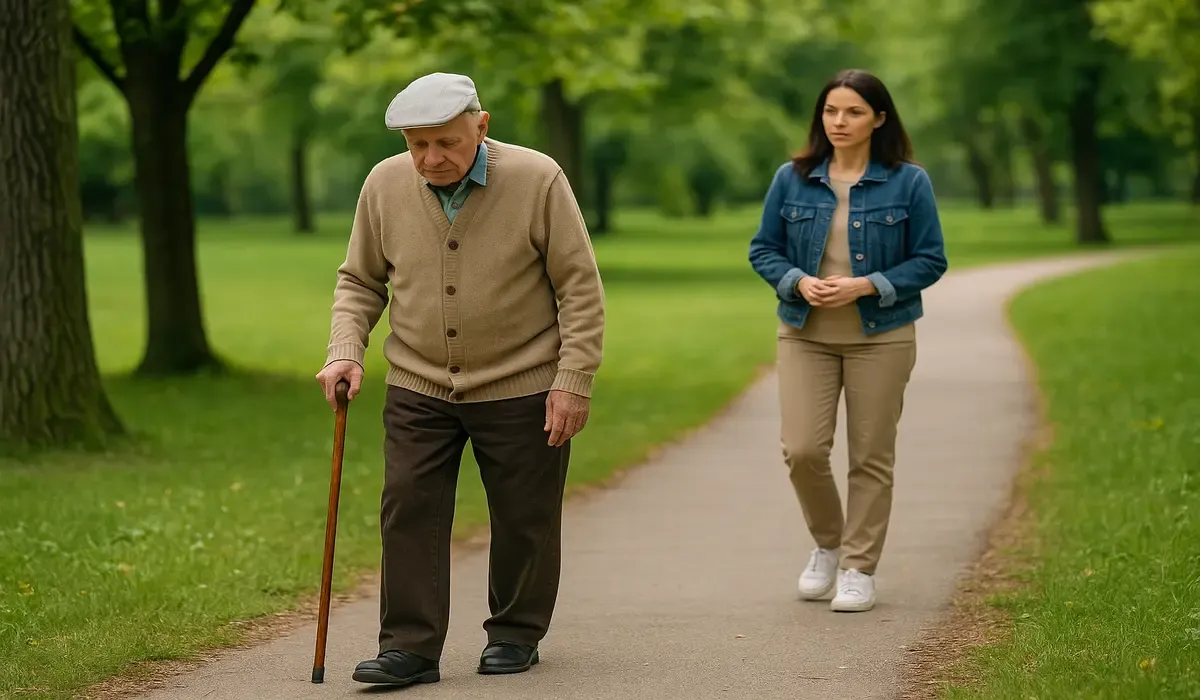
Walking problems could indicate early dementia, experts suggest, as growing evidence links mobility issues with cognitive decline. Studies now show that subtle changes in gait, balance, and coordination may appear years before memory loss or confusion set in.
- Subtle walking issues can signal early brain decline.
- Gait speed, balance, and coordination are key dementia predictors.
- Early detection can slow progression through timely intervention.
Quick Context
Early dementia refers to the initial phase of brain decline where memory, reasoning, and behavior start to change. Unlike mild forgetfulness, it often involves measurable loss in thinking skills that affect daily life. Researchers now believe that physical signs—especially walking changes—can precede these cognitive symptoms.

$500 Walmart Gift Card$500 Walmart Gift Card
Some users qualify for a $500 Walmart gift card. You can check if you qualify.
Latest Post
How Walking Problems Reveal Early Dementia
Recent neurological research suggests that the brain’s motor control regions, especially those linked to movement and memory, may show early dysfunction in dementia. These changes subtly affect gait patterns long before more visible memory symptoms occur.
Key Observations from Studies:
- People who walk more slowly or unevenly are more likely to develop dementia within five years.
- Walking requires coordination between several brain regions; damage in these areas can disrupt motor signals.
- Dual-task walking tests—asking someone to walk while performing a simple task—often expose early cognitive decline.
For example, a 2023 study published in Alzheimer’s & Dementia Journal found that individuals with both slow walking speed and memory loss had a much higher risk of progressing to dementia compared to those with either symptom alone.
The Science Behind the Connection
Walking is not just a mechanical process; it’s a complex cognitive function. The brain’s prefrontal cortex, hippocampus, and cerebellum all coordinate to maintain balance, rhythm, and posture. Early dementia often affects these very regions.
- Prefrontal Cortex: Handles decision-making and planning; early dysfunction can cause slower steps.
- Hippocampus: Controls memory and spatial navigation; its decline leads to disoriented movement.
- Cerebellum: Regulates balance and coordination; early changes can cause unsteady gait.
When these systems weaken, people may begin walking with shorter strides, slower pace, or poor rhythm—signs easily overlooked as aging.
Why Early Detection Matters
IdentifyingWalking problems could indicate early dementia through walking patterns can be a game-changer for prevention and care. According to neurologists, gait analysis provides a non-invasive, inexpensive screening tool that detects risk years before full dementia develops.
Why It Matters:
- Timely Intervention: Early therapy, medication, and cognitive training can delay symptom progression.
- Lifestyle Adjustments: Improved diet, exercise, and mental stimulation can enhance brain resilience.
- Fall Prevention: Addressing mobility issues early reduces injuries among older adults.
Moreover, walking-based tests could help general physicians identify at-risk patients without costly scans.
Expert Opinions and Studies
Dr. Manuel Montero-Odasso, a leading geriatrician at Western University, notes, “Walking is a window into the brain. When walking changes, something is happening neurologically.”
Other major findings include:
- A 2022 Lancet Neurology study found that people with slow gait speed had a 67% higher risk of developing dementia.
- MRI scans revealed reduced gray matter volume in brain areas controlling movement in individuals showing early gait decline.
- Combining walking assessments with memory tests improved diagnostic accuracy by 40%.
These insights underline that gait monitoring can be an early biomarker for dementia, comparable to cognitive tests.
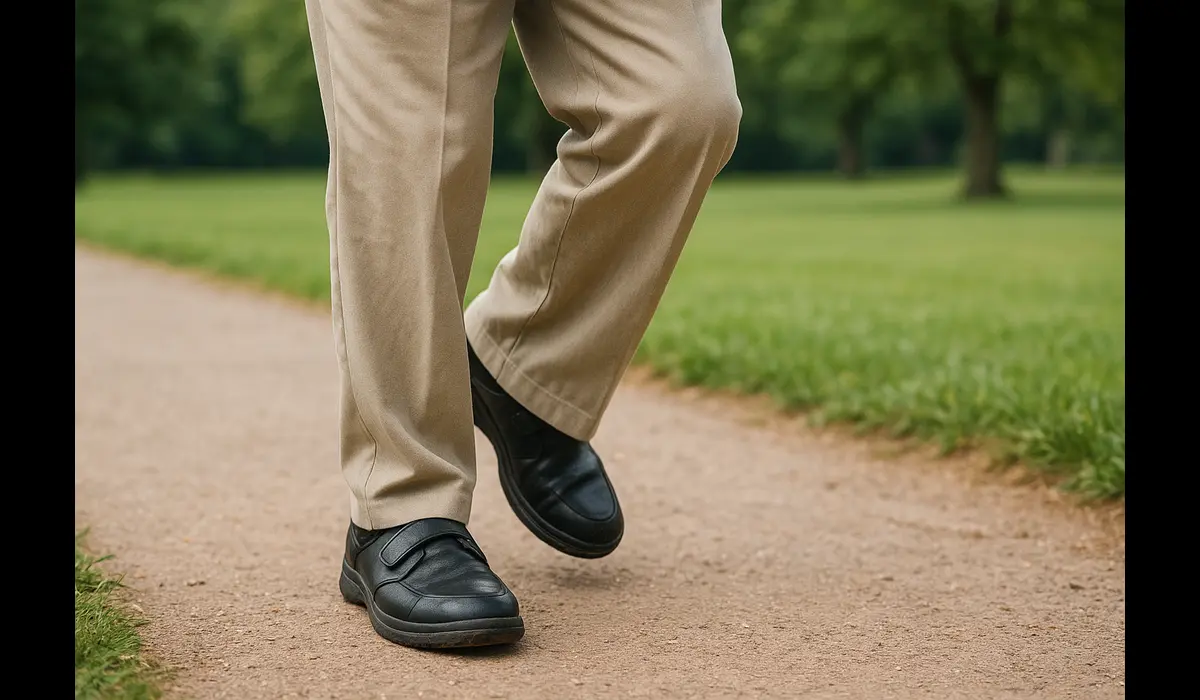
What Readers Should Do
If you or someone you know shows new walking difficulties, consider these practical steps:
- Monitor Changes Early: Track walking speed, stride length, and stability. Small shifts may indicate underlying brain issues.
- Seek Medical Evaluation: A neurologist or geriatric specialist can perform cognitive and motor tests.
- Adopt Brain-Healthy Habits: Regular physical activity, social engagement, and mental exercises support both brain and mobility health.
- Ensure Safe Movement: Install home supports like handrails, use stable footwear, and avoid slippery floors.
Proactive monitoring and lifestyle adaptation can delay or even prevent dementia progression.

$500 PayPal Gift Card$500 PayPal Gift Card
Some users qualify for a $500 PayPal gift card. You can check if you qualify.
FAQs about Walking problems could indicate early dementia
Can walking problems really predict dementia?
Yes. Studies show that walking problems could indicate early dementia because gait control relies on brain regions often affected early in the disease.
What kind of walking changes should I watch for?
Look for slower speed, smaller steps, imbalance, and hesitation during turns—especially when multitasking
Are walking issues always linked to dementia?
Not always. Arthritis, stroke, or muscle weakness can cause similar symptoms, so a full medical assessment is essential.
Can improving walking habits reduce dementia risk
Yes. Regular exercise improves blood flow to the brain, strengthening neural connections and delaying decline.
Key Takeaways
- Walking problems could indicate early dementia and serve as an early warning sign.
- Gait analysis is a simple, non-invasive screening tool.
- Slow or unsteady walking often precedes memory loss.
- Early detection allows interventions that slow cognitive decline.
Conclusion
Walking problems could indicate early dementia, making gait observation a crucial diagnostic tool for physicians and families. By recognizing physical signs early, individuals can seek timely help, adopt preventive measures, and maintain independence longer.