Inside Venezuela’s 2026 Crisis: Maduro’s Arrest, Power Shift, and Global Impact
Venezuela is at a critical turning point after Nicolás Maduro’s arrest, facing political uncertainty, deep economic distress, and global scrutiny. The unfolding power shift may reshape the country’s future and impact regional stability.

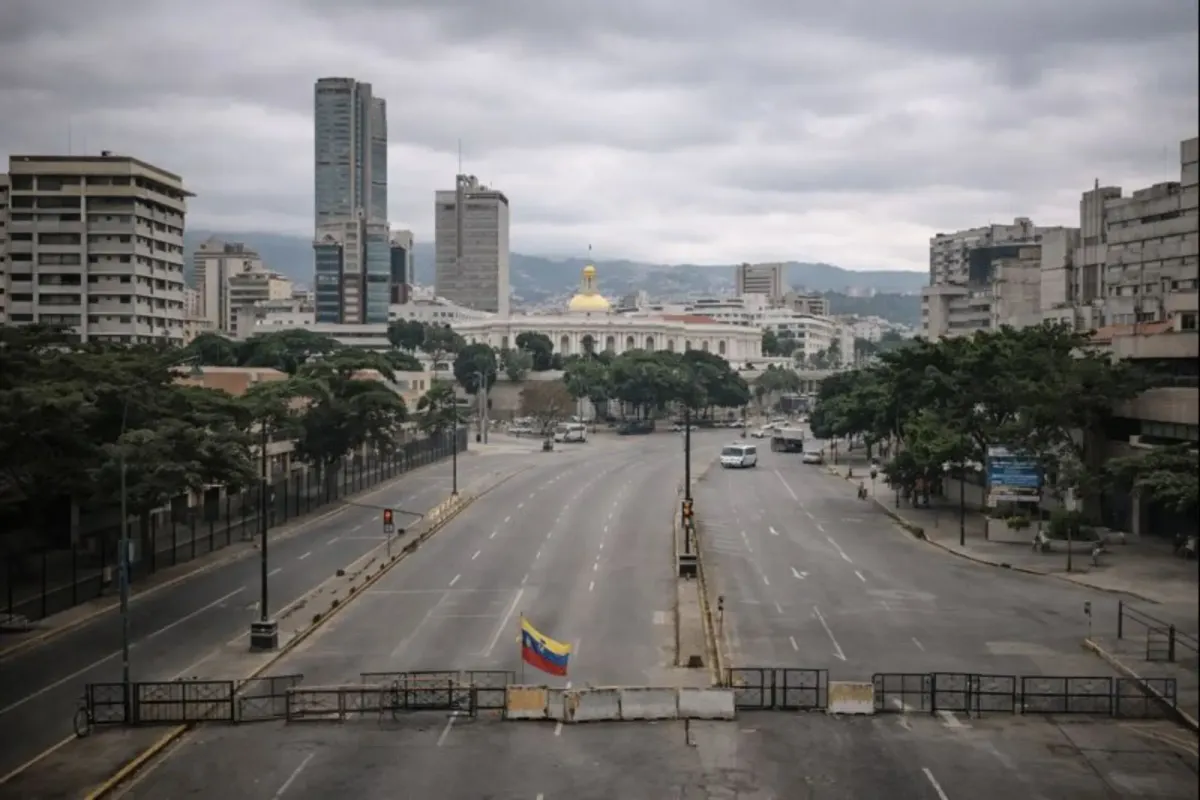
In January 2026, Venezuela’s situation represents a combination of a major geopolitical shift and an ongoing humanitarian crisis. Following U.S. military intervention, the country is undergoing an uncertain political transition.
Arrest and Legal Status of Nicolás Maduro
On January 3, 2026, during a U.S. special forces military operation called “Operation Absolute Resolve,” then-President Nicolás Maduro and his wife, Cilia Flores, were detained from their residence in Caracas, Venezuela. They were immediately transported to New York City, United States, where they are currently being held at the Metropolitan Detention Center (MDC) in Brooklyn.
Maduro faces multiple federal criminal charges filed in 2020, including narco-terrorism, conspiracy to traffic narcotics, and possession of machine guns. On January 5, 2026, he made his first appearance in a federal court in Manhattan, where he pleaded not guilty.

$750 Cash App Gift Card
A $750 Cash App gift card may be available to select users. Checking eligibility is quick. You can check if you’re one of them.
Current Leadership and Political Landscape
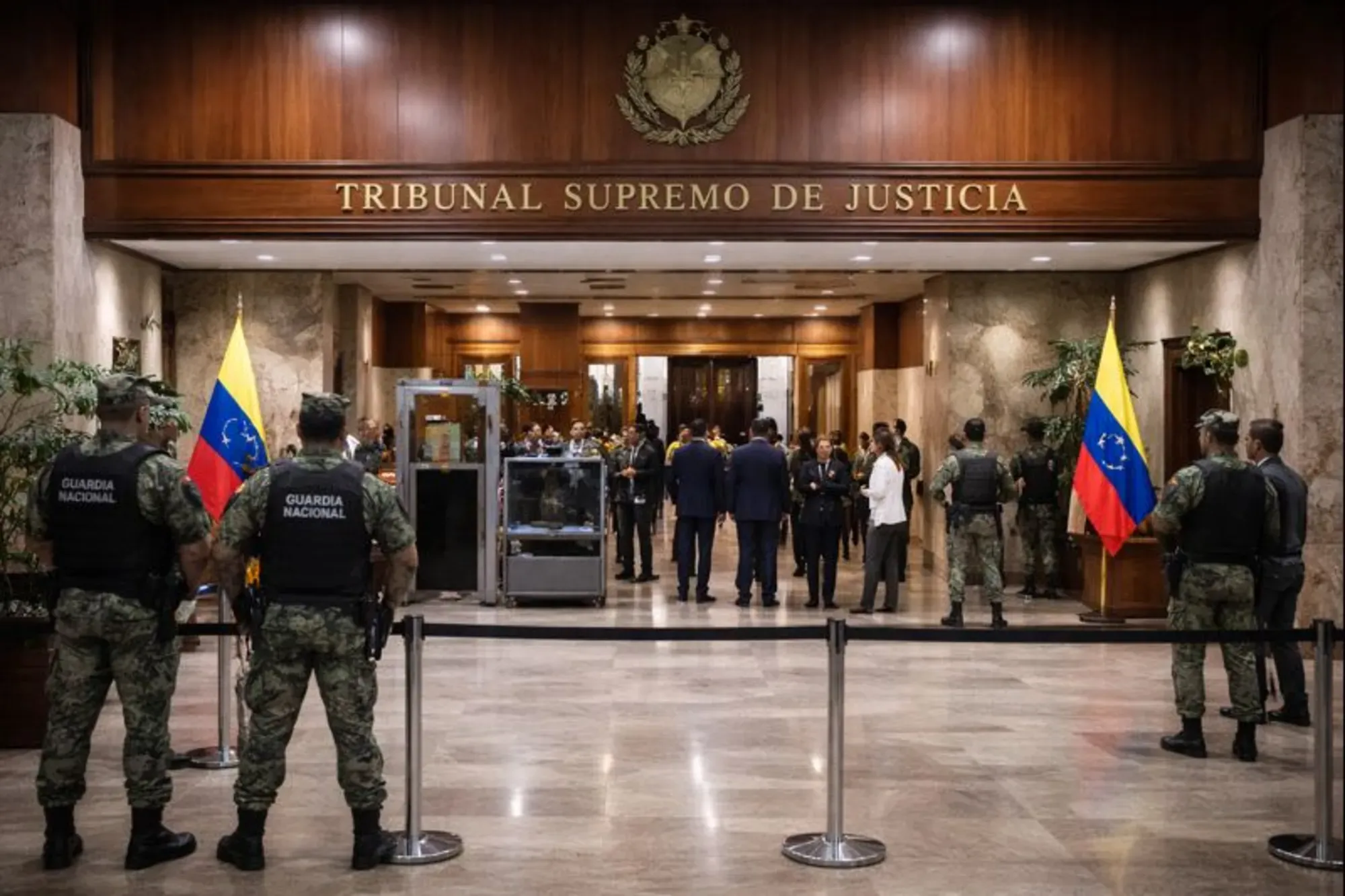
Following Maduro’s arrest, Venezuela’s Supreme Court (TSJ) swore in Vice President Delcy Rodríguez as Acting President. Venezuelan military units have also pledged loyalty to Rodríguez, indicating that much of Maduro’s state machinery remains intact.
However, the legitimacy of this leadership is being questioned internationally. The United Nations and international law experts have described the U.S. action as a violation of Venezuela’s sovereignty, while the United States and its allies have refused to recognize Rodríguez’s interim government.
In a gesture aimed at promoting goodwill and stability, the interim government has so far released 116 political prisoners—a step long demanded by human rights organizations. However, rights groups estimate that more than 800 political prisoners still remain incarcerated.
Economic and Humanitarian Crisis
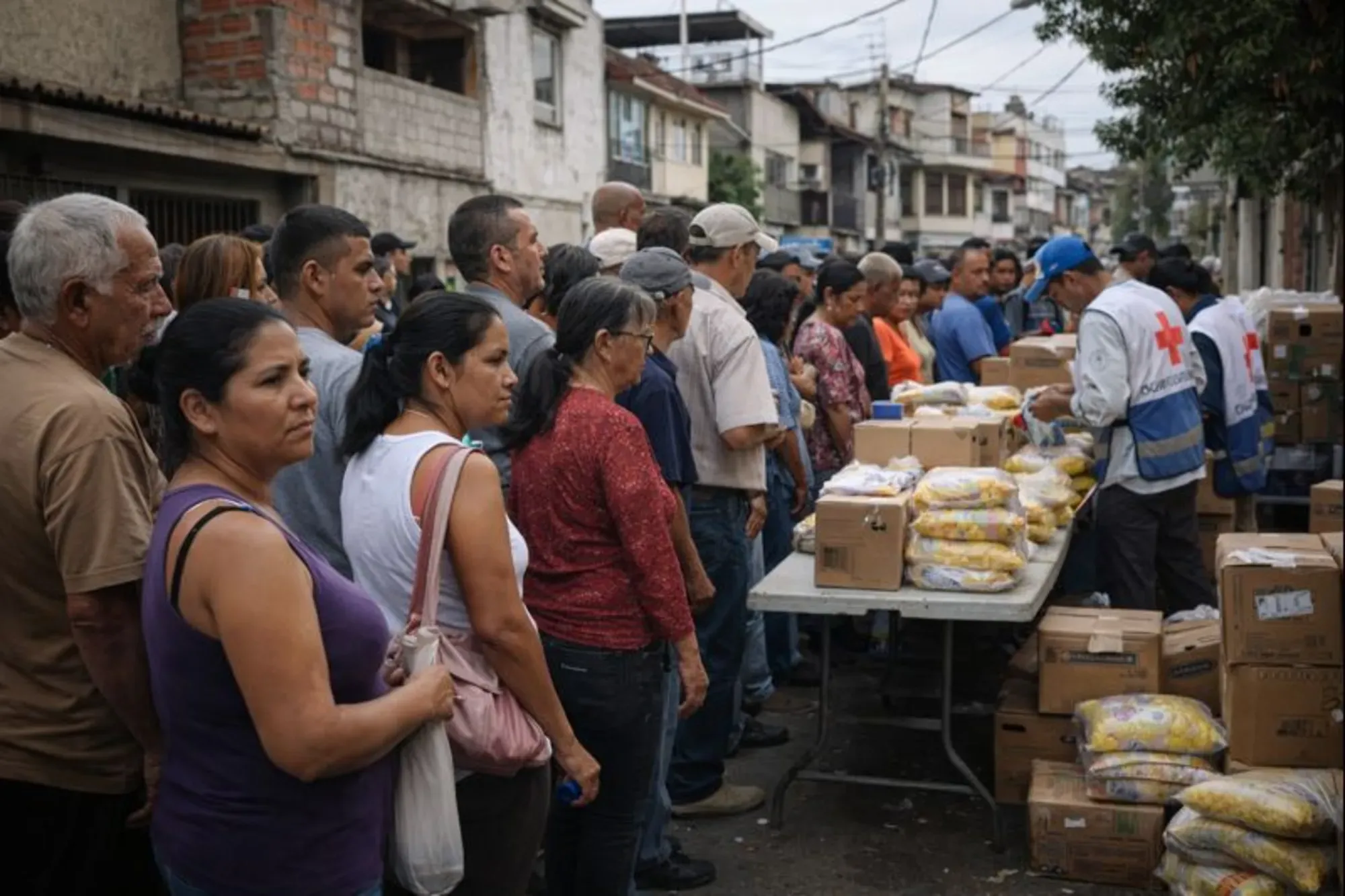
Venezuela’s economic collapse is considered one of the worst in modern history outside a wartime context. Nearly 80% of the population lives in poverty, and approximately 7.9 million people—about a quarter of the population—depend on humanitarian aid to meet basic needs.
Prospects for economic recovery depend largely on the removal of U.S. sanctions and renewed investment in the oil sector. Venezuela holds the world’s largest proven oil reserves. U.S. President Donald Trump has indicated that if Venezuela’s government agrees to work exclusively with the United States, American oil companies may be allowed to return and invest, potentially reviving the country’s crumbling oil infrastructure.
However, oil industry officials remain cautious due to uncertainties surrounding Venezuela’s legal framework and ongoing political instability, which continue to deter large-scale investment.
Global Impact
The event has sparked a global debate over international law and national sovereignty. Russia, China, Brazil, and Colombia have condemned the U.S. military intervention, while Venezuelan diaspora communities have welcomed the move.
The situation could also increase regional instability, raising the risk of a new refugee crisis in neighboring countries, particularly Colombia.
In summary, Venezuela stands at a critical crossroads. The Maduro era has come to an end, but the path forward remains politically uncertain and economically challenging.
Trump's statement after Venezuelan President was arrested
🚨 PRESIDENT TRUMP: “ALL political and military leaders in Venezuela should understand that what happened to Maduro can happen to THEM”
— Nick Sortor (@nicksortor) January 3, 2026
“We will CRASH the cartels and we WILL defend our citizens against all enemies — foreign and domestic.” 🇺🇸 pic.twitter.com/or5pr4nawa
 Deepak Singh

$500 PayPal Gift Card
Not everyone qualifies for this $500 PayPal gift card. Checking only takes a moment. You can check if you’re eligible.
Venezuela: Frequently Asked Questions (FAQs) About the Current Situation
What are the main political challenges in Venezuela?
Political instability, power struggles, and a divided opposition.
What are the main problems facing Venezuela’s economy?
Extreme inflation, shortages of essential goods, and a decline in oil production.
How has the international community responded to Venezuela?
Many countries have imposed sanctions on the current government and called for democratic change.
Why are people leaving Venezuela?
Due to economic hardship, political instability, and the humanitarian crisis.
Is humanitarian aid reaching Venezuela?
Yes, several international organizations are providing assistance, but there are challenges in access and distribution.
What are the prospects for Venezuela’s future?
Political solutions, economic reforms, and improvements in the humanitarian situation are necessary, but the path ahead is difficult.
Conclusion and Future Expectations
Venezuela is facing a severe crisis involving political, economic, and humanitarian dimensions. Stability and reform are critical for the country’s future.
Looking ahead, international cooperation, internal political dialogue, and changes in economic policies could influence Venezuela’s trajectory. Continued instability will remain a concern for neighboring countries and the global community.