Why the US and Europe Are Competing for Greenland’s Strategic Future
Greenland’s strategic location, military role, mineral resources, and push for independence have turned the Arctic island into a focal point of rivalry between the US and Europe, raising questions about power, security, and Greenland’s right to decide its future.

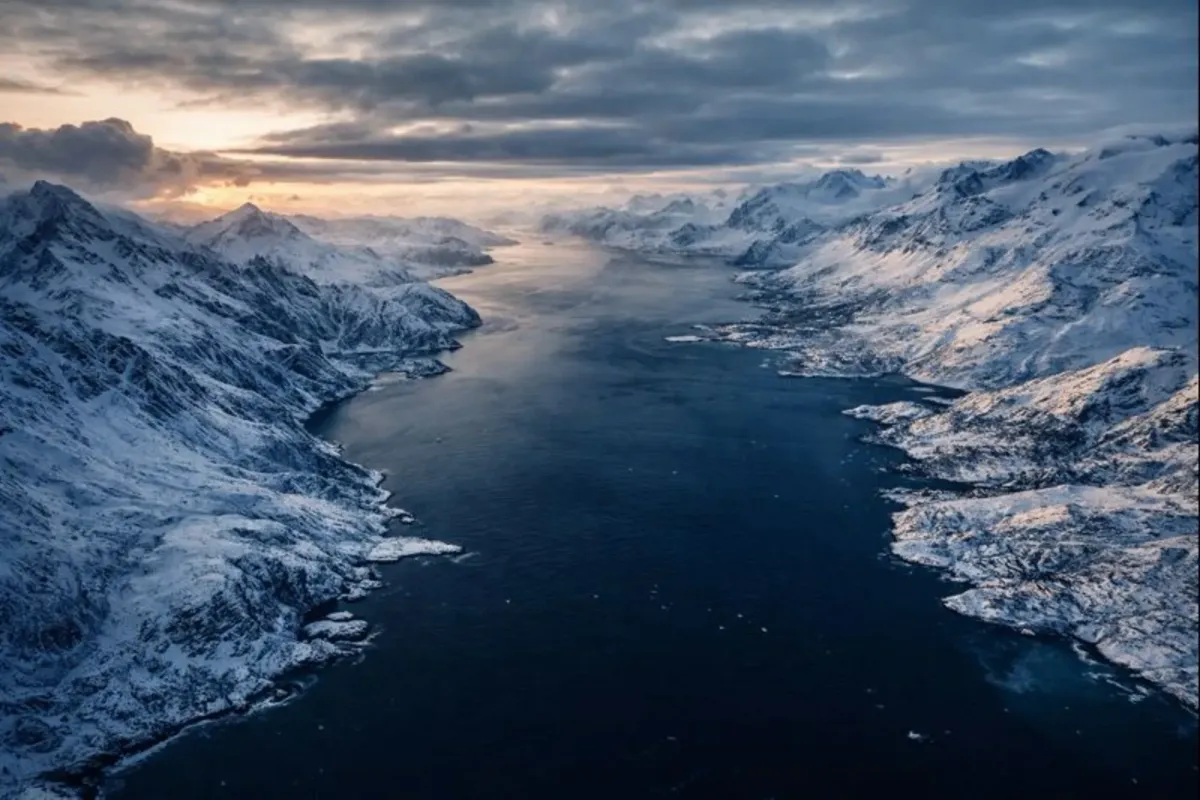
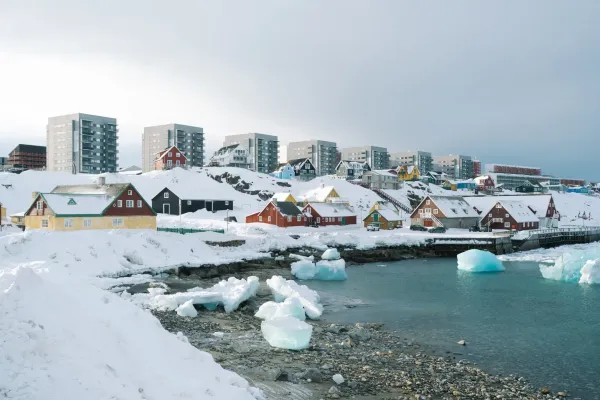
Greenland's coast. This remote island in the Arctic is now facing a problem.
Key Points
Strategic position: Missile detection from Thule Air Base and Arctic route control.
Resources: Minerals exposed by melting ice, but environmental and logistical challenges.
Greenland's position: Wants independence from Denmark, partnership with America acceptable but purchase rejected.
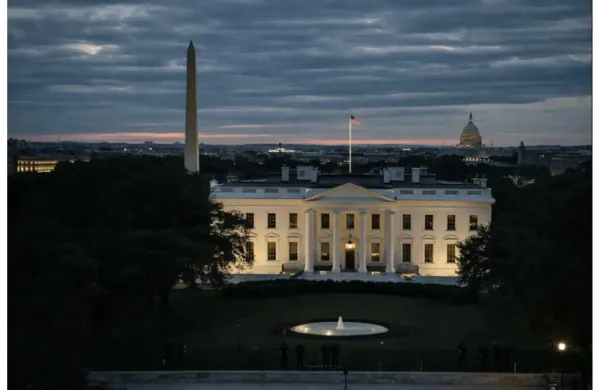
Donald Trump’s Statement on Greenland
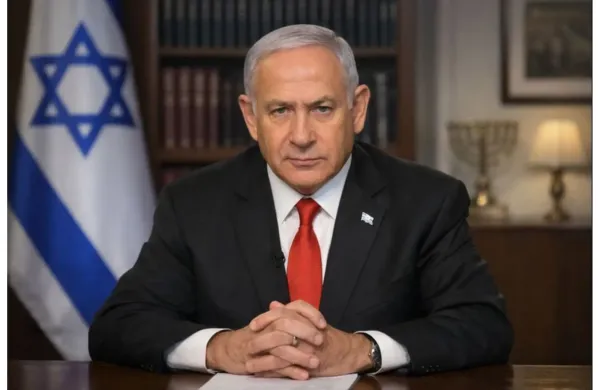
Donald Trump Says–
"We need Greenland for national security. One way or another, we will get it."
Geographically part of North America, Greenland has close ties with America. But politically it is part of Europe—Denmark's kingdom.
Earlier this was not an issue. America and Denmark are NATO allies and have cooperated on this island for a long time. But until now. Donald Trump did not rule out using military force to take control of the island. Denmark's Prime Minister is racing across the continent to garner support from allies.

$750 Cash App Gift Card
Not everyone qualifies for this $750 Cash App gift card. Checking only takes a moment. You can check if you’re eligible.
Why has this island in the north suddenly become so important?
Greenland’s Unique Geographic Position
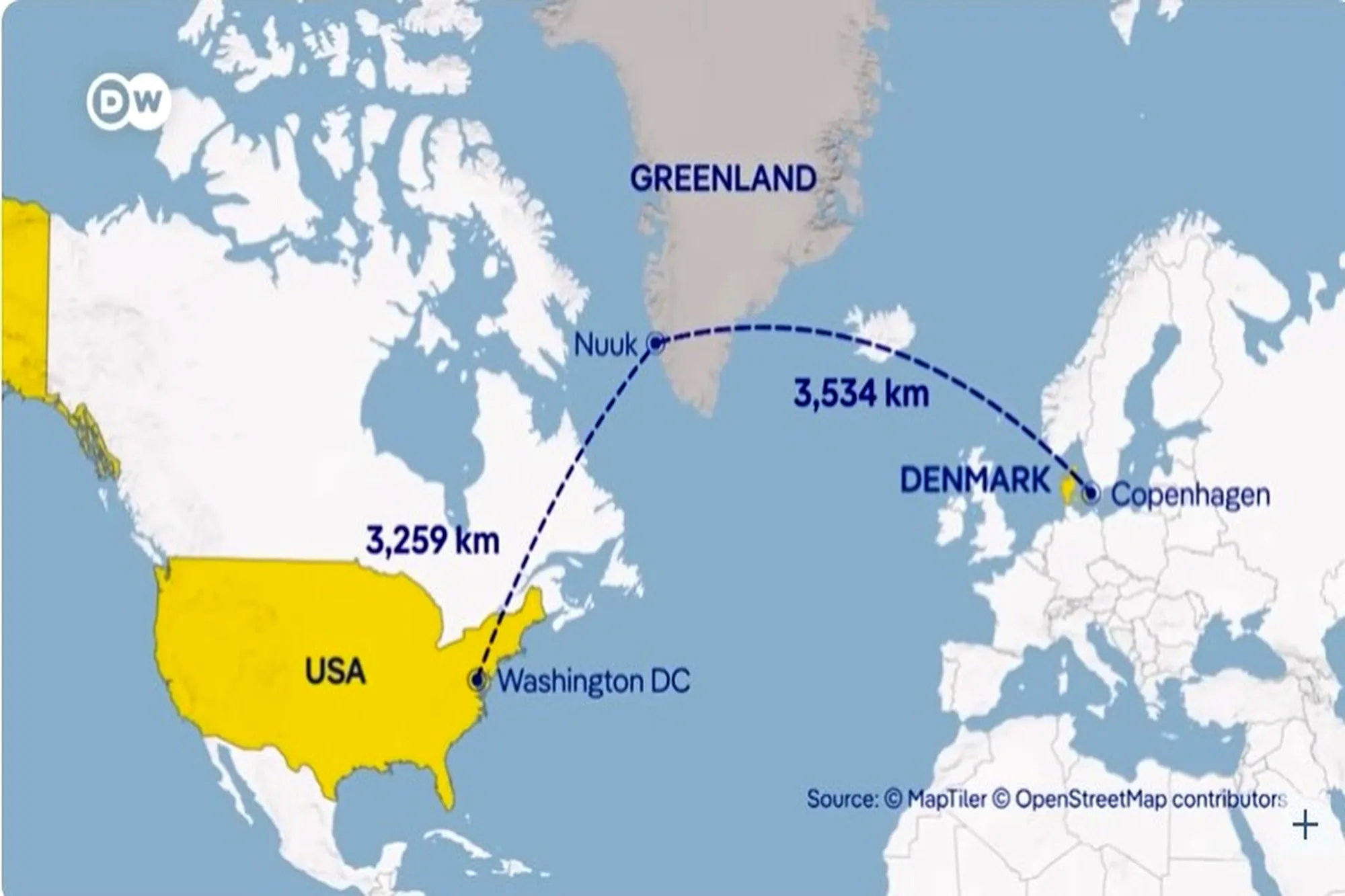
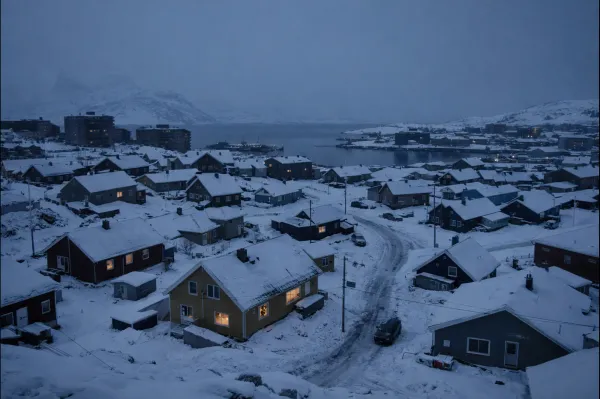
You can think of Greenland as a giant aircraft carrier situated in an amazing position. The world's largest island, Greenland, has only 57 thousand people. Greenland's cities and settlements are scattered along the coast, including the capital Nuuk.
The island is located between America, Canada, the European Union, and Russia. And on the shortest route between European Russia and America.
Thule Air Base and America’s Military Presence
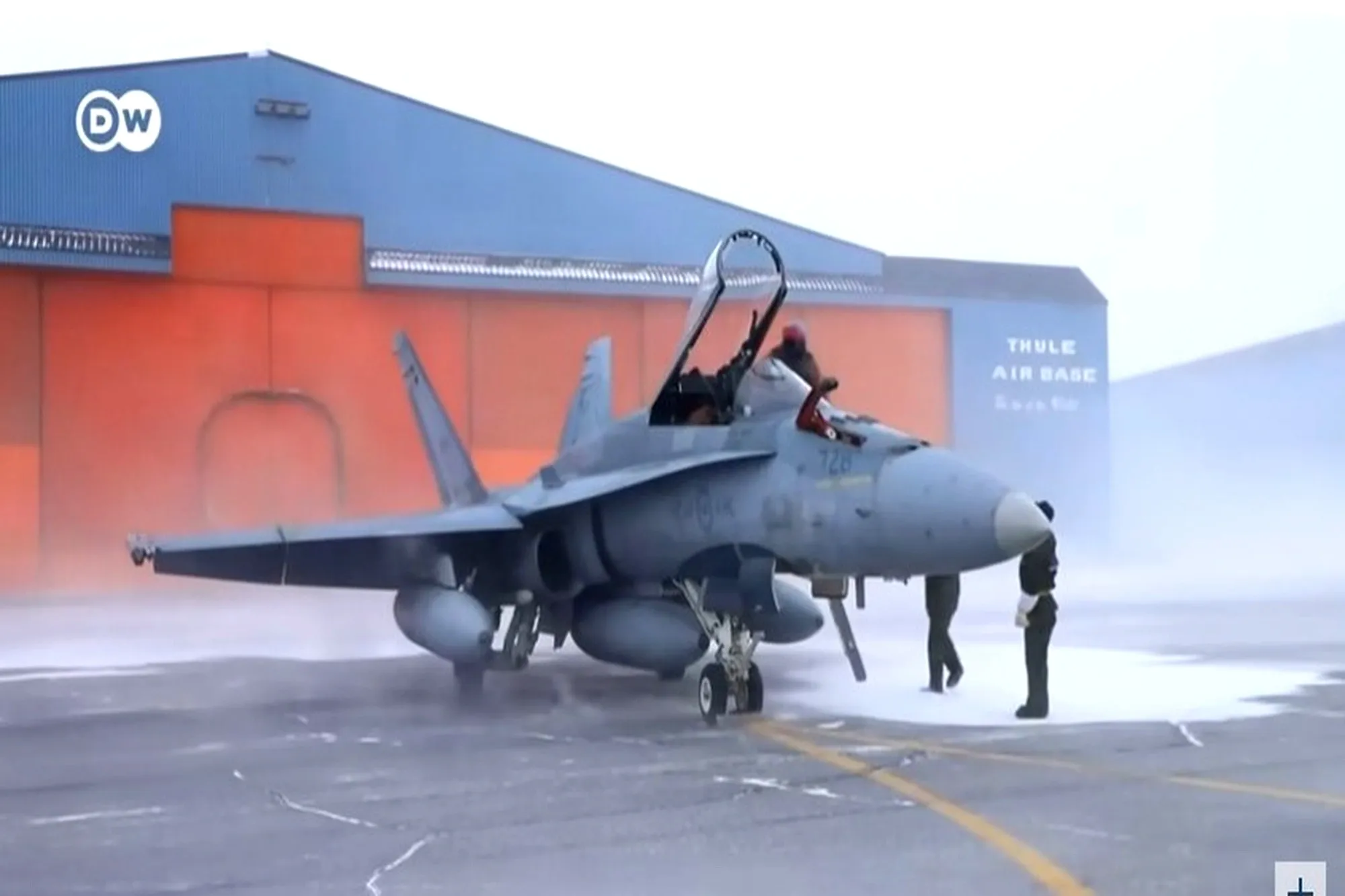
This is why America built one of its most important radar stations here—Pituffik Space Base, previously known as Thule Air Base.
The American facility was established during the Cold War to detect Soviet Union missile launches and prepare for counterattacks. Today it remains the northernmost American military base in the world. And winters there are brutal.
Despite this significant American base, Greenland is actually part of Denmark's kingdom. How did this happen? We will get to that.
Denmark’s Role in Greenland
Denmark is a small European country with 6 million people. And its capital Copenhagen is farther from Greenland's capital Nuuk than Washington DC.
Denmark has a light military presence in Greenland. Danish soldiers patrol inland areas on dog sleds and a few navy ships monitor the coasts.
Expert View: American Power in Greenland
Berry Scot Zellen (American researcher at the University of Connecticut, expert in Arctic geopolitics) Says –
"It is American power that provides security, not Danish power. Because Greenlanders know that our base there will ultimately guarantee their security, and the Danes know that too. And therefore, Greenland's strategic role and the forward military presence for the US military already means they are part of our security system."
Trump’s Concern About Russia and China
But Donald Trump is taking it to the next level. He says America must control Greenland due to Russian and Chinese cooperation in the Arctic.
Donald Trump Says–
"Look outside, Chinese ships are everywhere. Russian ships are everywhere. We won't let that happen."
Danish Concerns Over US Pressure
Marc Jacobsen (Researching Arctic security and diplomacy at the Defense College, under Danish armed forces.) Says–
"In Denmark, we are also asking what exactly does America want us to do? We know they want Denmark to increase surveillance of Greenland. It's important to remember that Greenland is as big as Europe. So even if Denmark spent its entire military budget on increasing surveillance of Greenland, we would never know everything that's happening there. We are now the biggest threat to Danish unity. Not Russia, not China, but America, their NATO partner."
 Deepak Singh
The Importance of the GIUK Gap
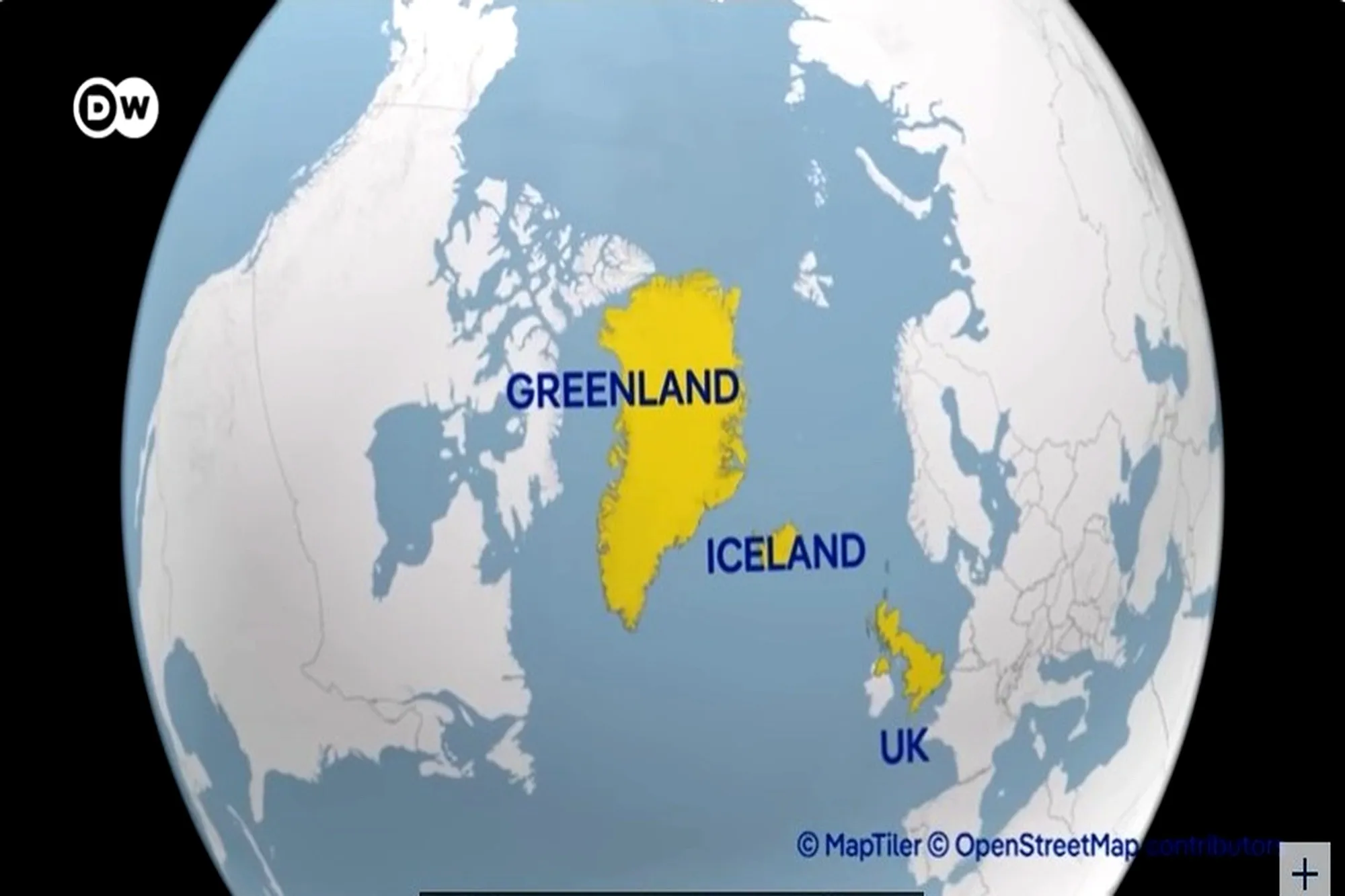
Surveillance is especially important in the GIUK Gap area between Greenland, Iceland, and Britain. This naval chokepoint is a crucial part of NATO strategy to detect and contain Russian ships, especially submarines moving between the Arctic and the Atlantic.
Denmark is now investing in new ships and drones to deploy in the far north. It wants to share Greenland's defense responsibility with America.
How US–Greenland Defense Cooperation Began
This cooperation began after Nazi Germany occupied Denmark in World War II. The Danish ambassador in Washington agreed that America should occupy Greenland and build military bases on the island to prevent German invasion.
America’s Attempt to Buy Greenland
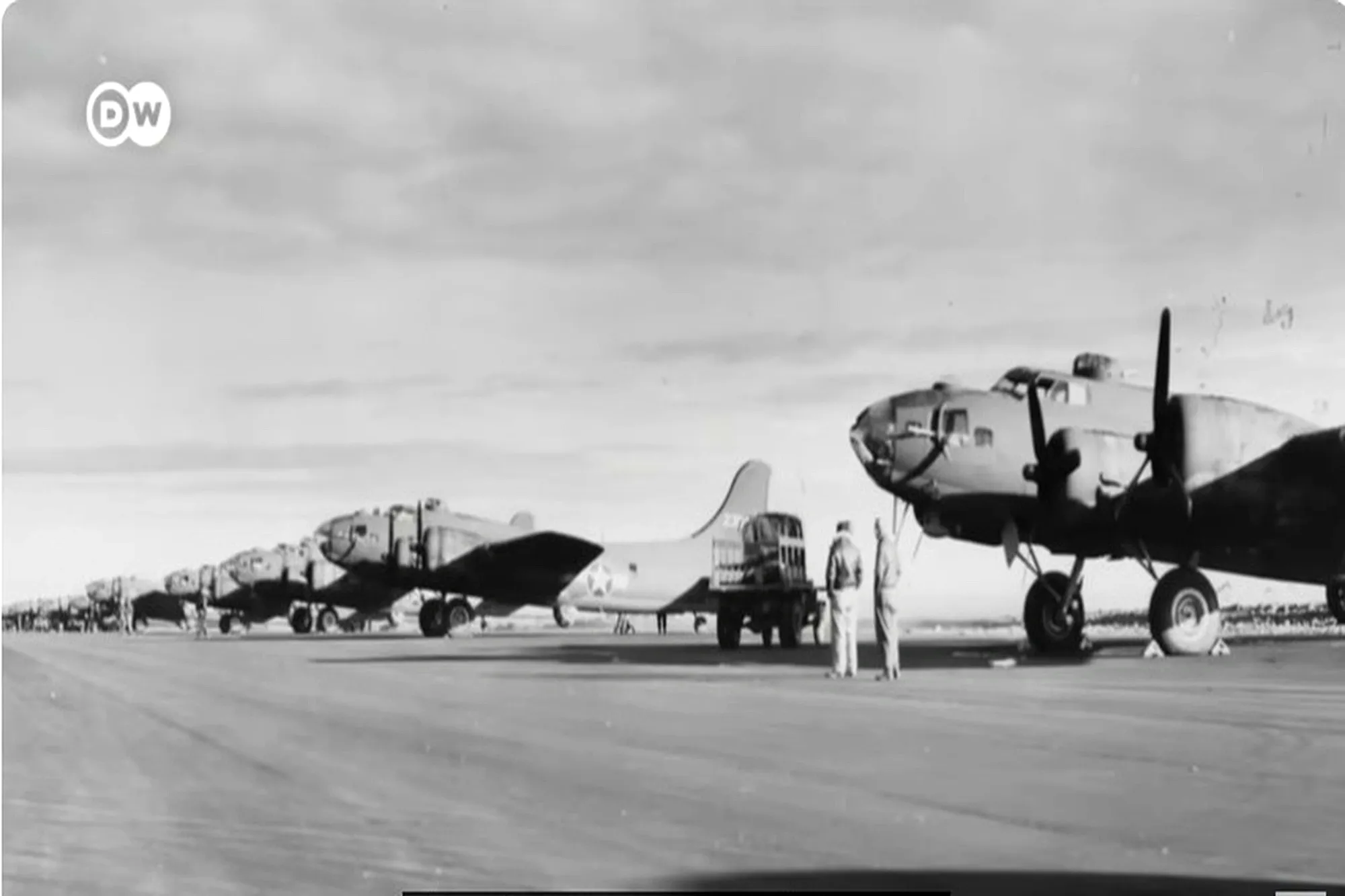
More than 10 thousand American fighters and bombers landed in Greenland on their way to the war in Europe. Greenland proved such a strategic asset that in 1946 America wanted to buy it for 100 million dollars in gold.
The offer was rejected but both countries kept it secret. Soon both became founding members of NATO. Denmark agreed for American troops to stay. And in 1951, both countries signed a treaty on the joint defense of Greenland. It is still in effect today.
This is why Trump's threat to take Greenland is such a big issue.
Mining and Economic Interests
And this tension is not just about security. In February 2025, a US Senate committee held a hearing revealing broader interest in the island, such as from the American mining industry.
Anthony Marchese (Texas Mineral Resources) Says–
"Greenland's entire coastline indisputably holds one of the world's greatest collections of minerals. Throw a dart at any part of the coastline and you'll hit a world-class target."
 Deepak Singh
Reality of Greenland’s Mineral Wealth
See the map of mineral resources provided by the Greenland government. Precious metals, base metals, industrial rocks, and rare metals—including rare earths. This is just a hint of Greenland's resources. But most remain largely untapped.
Marc Jacobsen Says–
"It's important to remember that there is very little mining activity in Greenland. All stories about Greenland's riches in terms of mineral resources are still far on the horizon."
Challenges of Mining in Greenland
There are only two active mines in Greenland. And currently only about a hundred people work in Greenland's mining sector.
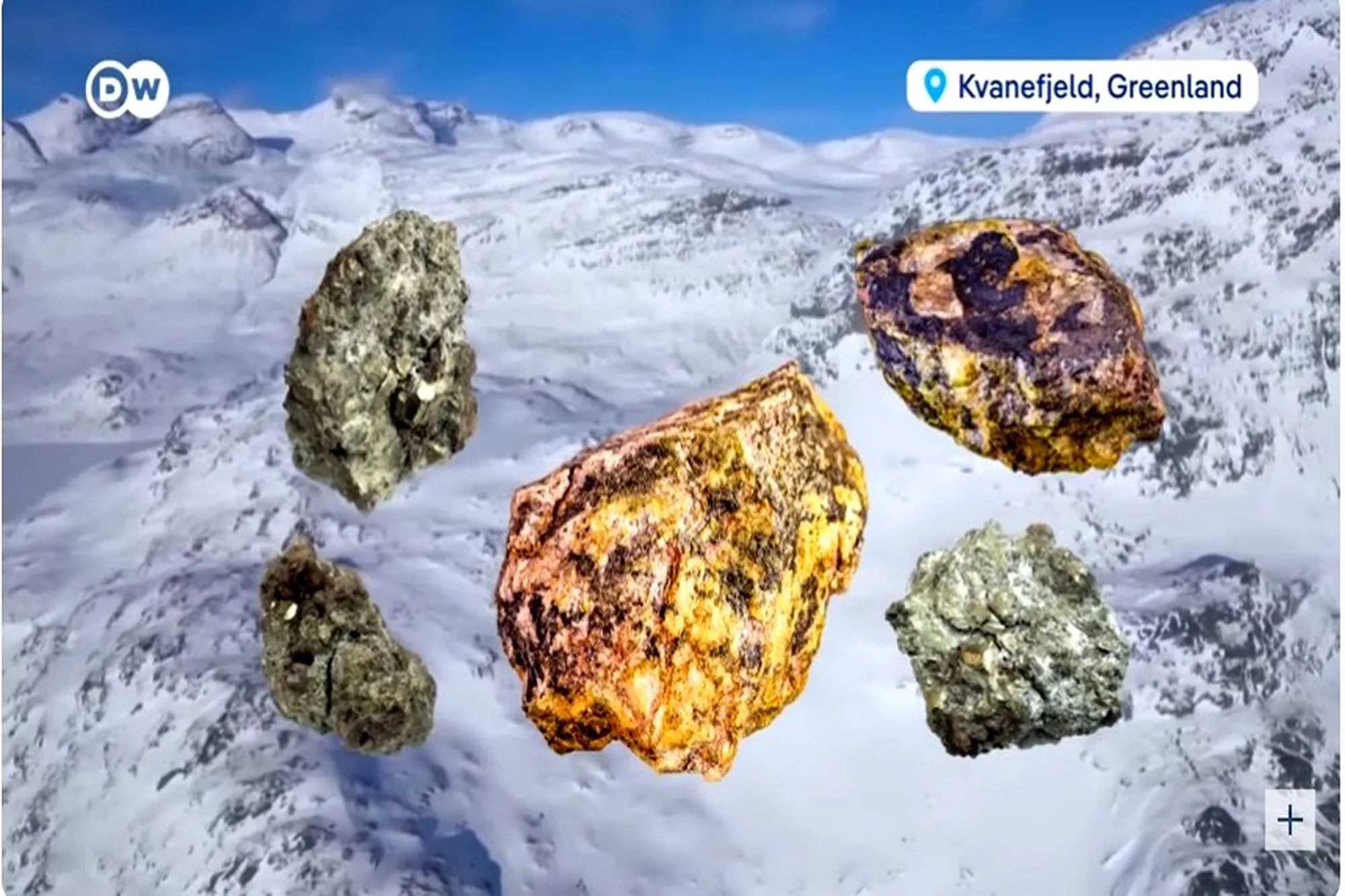
Exploration is very challenging. For example, this mineral deposit site in southern Greenland. It is said to be among the world's top rare earth deposits outside China. But in 2021 the Greenland government stopped exploration here. Because the site also contains radioactive uranium and is near populated areas.
Climate Change and New Opportunities
But it's not just environmental concerns. Extracting resources here is much costlier than in most other places. There are no roads connecting Greenland's settlements. And the terrain is rough, with deep fjords, glaciers, and icy mountain ranges.
The climate is harsh. But it is changing due to the climate crisis. And it is also affecting the ocean around Greenland.
Berry Scot Zellen Says –
"Whether you're for or against it, ice melts. It's melting faster, and over time as ice retreats, it's creating opportunities for greater access to interior natural resources."
Arctic Shipping Routes and Economic Limits
NASA's visualization shows the reduction of ice in the Arctic between the 1980s and 2019. But instead of a wake-up call, many companies and countries see it as an economic opportunity. They are waiting for new shipping routes to open in the Arctic. Especially three: Northwest Passage, Northern Sea Route, and Transpolar Sea Route.
These routes could cut shipping time between Asia and Europe. For now, navigation in the Arctic is limited and relies on expensive icebreakers.
Denmark’s Financial Support to Greenland
Therefore, mining and new shipping routes are still future prospects. Currently, fishing is the mainstay of Greenland's economy. But it's not enough. Every year Denmark sends a grant of about 500 million euros to Greenland's government. It's about half of its budget—nearly 10 thousand euros per resident every year.
Berry Scot Zellen Says –
"This money runs everything and without it you end up with impoverished native villages whose economies implode socially."
Why Denmark Holds On
But it's not charity. Denmark gets something out of it too. Whether Denmark likes it or not—most Greenlanders do not see their long-term future with Denmark.
Marc Jacobsen Says–
"Because we have Greenland, we have a lot to say with great powers like America, Canada, and Russia. It has great political significance. Denmark punches above its weight in international politics."
Inuit History and Colonial Trauma
Image 6
Inuit people have lived on the island for thousands of years.They survived by subsistence hunting of whales and seals. Their culture was based in the middle of nature. Modern Danish colonization began in 1721 with the first Danish settlements. Over the next 200 years, Christianity and Danish language were imposed on the Inuit, their families were torn apart. And that trauma left a legacy.
Autonomy and the Right to Independence
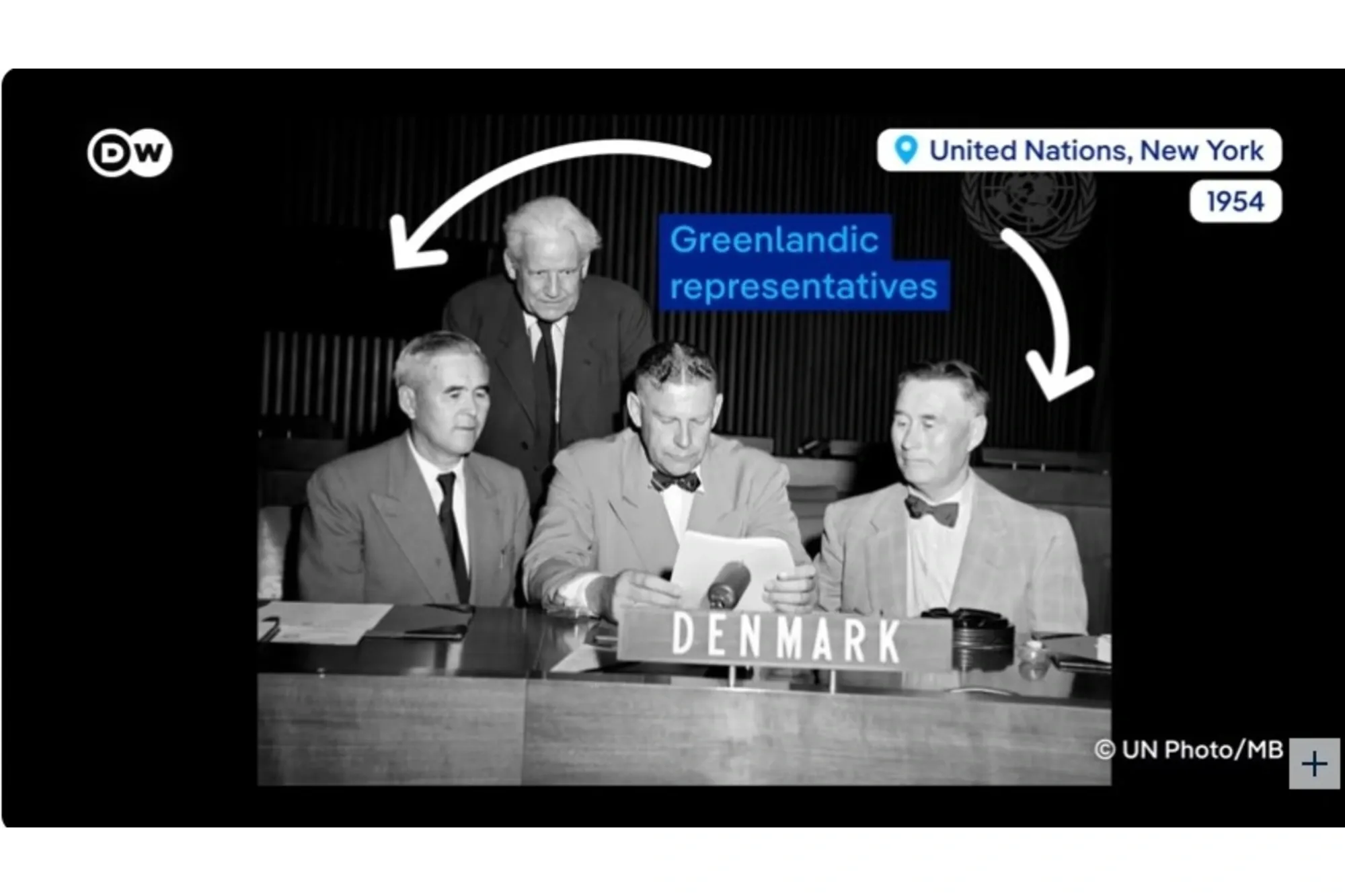
Only after World War II did a slow decolonization process begin. Step by step, Greenland became an equal part of the Kingdom of Denmark, elected its own parliament and government. Today, it is a semi-autonomous territory. This means it governs its own domestic affairs. Denmark is still responsible for security and foreign policy.
But Greenland has the right to declare independence if it decides so in a referendum. And the Greenland government says that's its goal. Polls show clear majority support.

$500 Walmart Gift Card
Not everyone qualifies for this $500 Walmart gift card. Checking only takes a moment. You can check if you’re eligible.
What Greenlanders Say About the Future
The people of Greenland say–
"Of course, in the future I prefer an independent Greenland. We are our own people. We are not Danes, we are Greenlandic people and we want to be free."
Question: Do you want Greenland to be bought?
First Person Says–
"No, not at all. Why not? Because it is our land and we have our culture, language and we are starting to get our own way of life."
Second Person Says–
"I don't really like this idea of being part of the United States of America. But what I do like is to work with them for example."
Partnerships and an Uncertain Future
This is a common opinion here. Building the island's economy is the biggest challenge on the way to independence. Therefore Greenland is looking for partners. It has representative offices in Iceland, the European Union, America, and China. It has also signed cooperation agreements on mineral exploration with America and the EU.
For Greenland, America is becoming an increasingly important business partner and has long guaranteed its security. Therefore, Trump's interest could lead to a wider discussion about Greenland's future.
A New World Order?
Berry Scot Zellen Says–
"This kind of attention from the White House is like a once-in-a-generation opportunity. Trump is really talking about doing to Denmark what Putin is doing to Ukraine and what China wants to do to Taiwan."
Marc Jacobsen Says–
"The Danish government has been very clever not to make this an issue between America and Denmark but between Europe and America."
Final Question
In a world determined by the whims of great powers,
will Greenlanders even get a say in determining their own future?