Why Trump’s Greenland Threats Are Affecting Global Trade and Diplomacy
Trump’s statements about Greenland were not just diplomatic rhetoric. They exposed how trade pressure, strategic geography, and political signaling intersect—and why institutions reacted even without direct force.

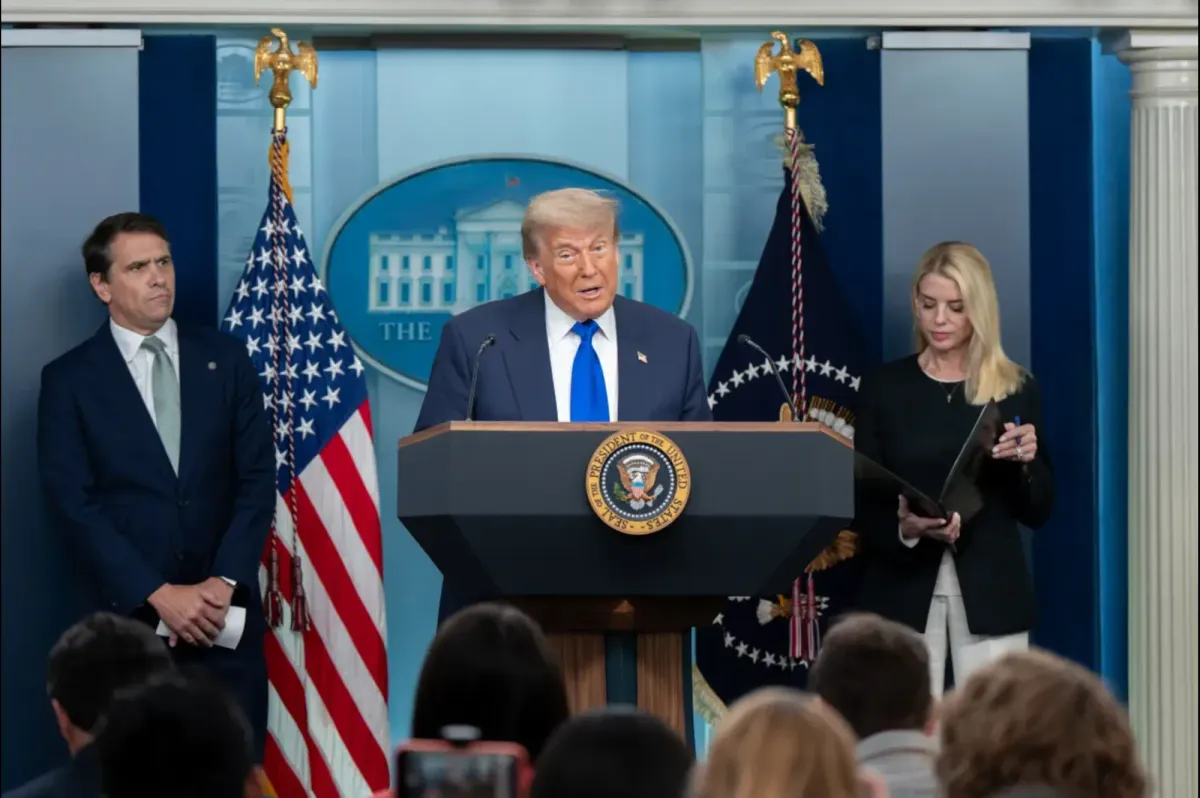
Why This Issue Felt Absurd — and Then Suddenly Serious
When headlines first linked Donald Trump and Greenland, many people assumed it was symbolic, exaggerated, or unserious. The idea of a modern nation discussing territorial control in the 21st century felt outdated—almost theatrical.
Yet the reaction from governments and institutions suggested something else was happening beneath the surface. Trade negotiations paused. Diplomatic language tightened. Allies responded carefully, not dismissively.
The confusion comes from treating the story as a personality-driven controversy, rather than as an example of how modern geopolitical pressure actually works.

$750 Amazon Gift Card
Some users qualify for a $750 Amazon gift card. You can check if you qualify.
What the Greenland Statements Really Represent
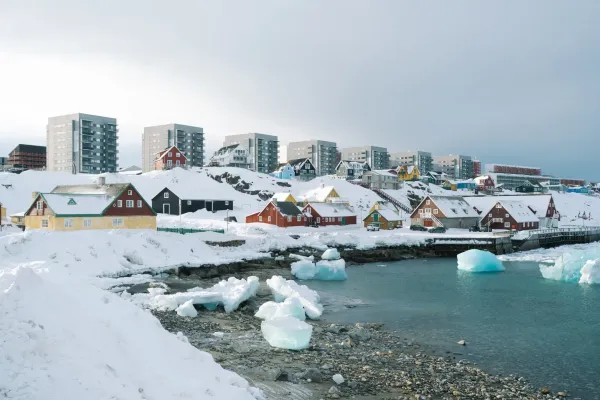
Greenland is not an independent state. It is a self-governing territory within the Kingdom of Denmark, with its own local government but no authority to alter sovereignty alone.
Trump’s remarks did not create a legal pathway for control, nor did they initiate military action. What they did instead was link strategic geography to economic leverage—implicitly suggesting that resistance could carry consequences beyond diplomacy.
This distinction matters. The issue was never about feasibility. It was about signaling.
 Deepak Singh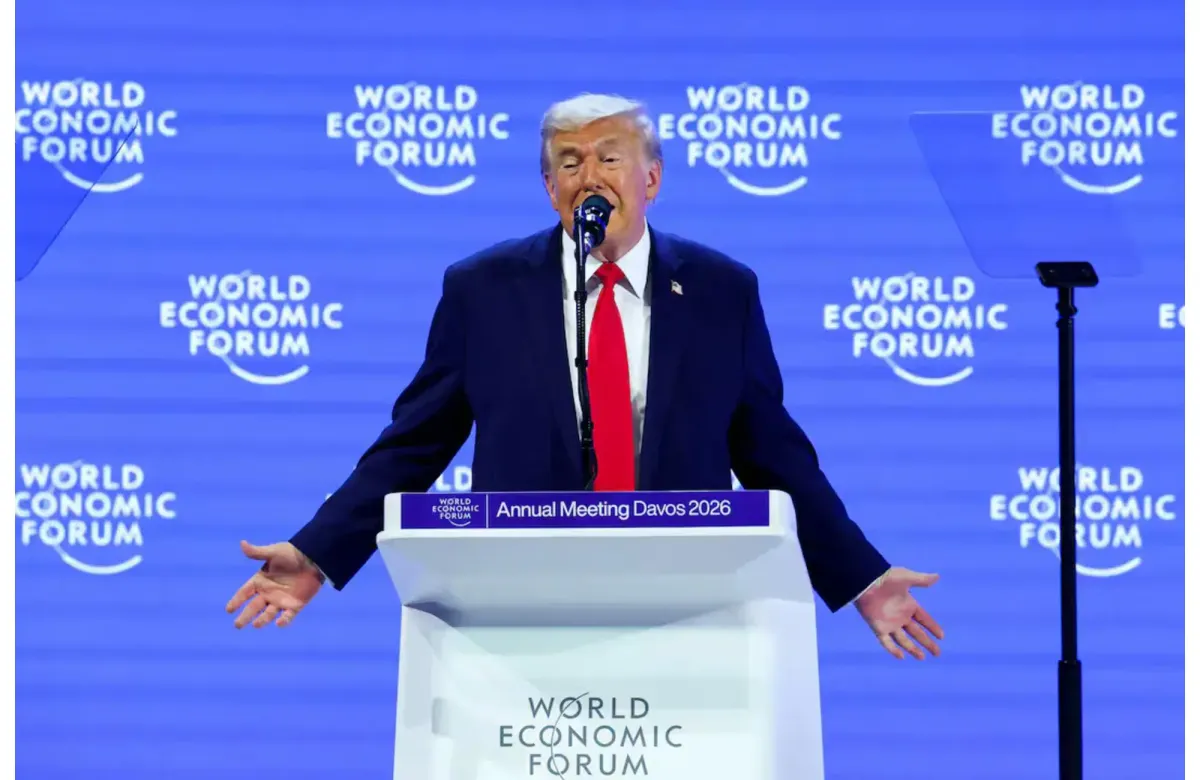
The Strategic Weight of a Place With Few People
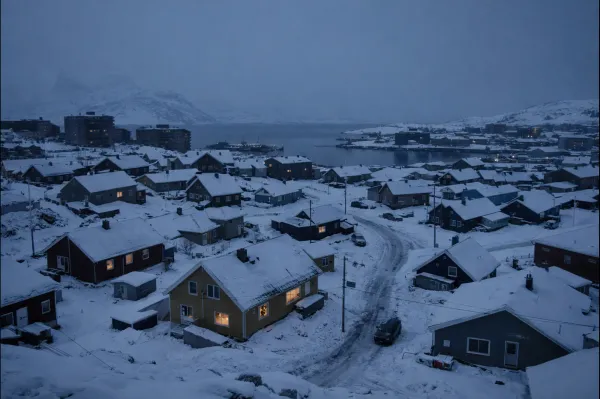
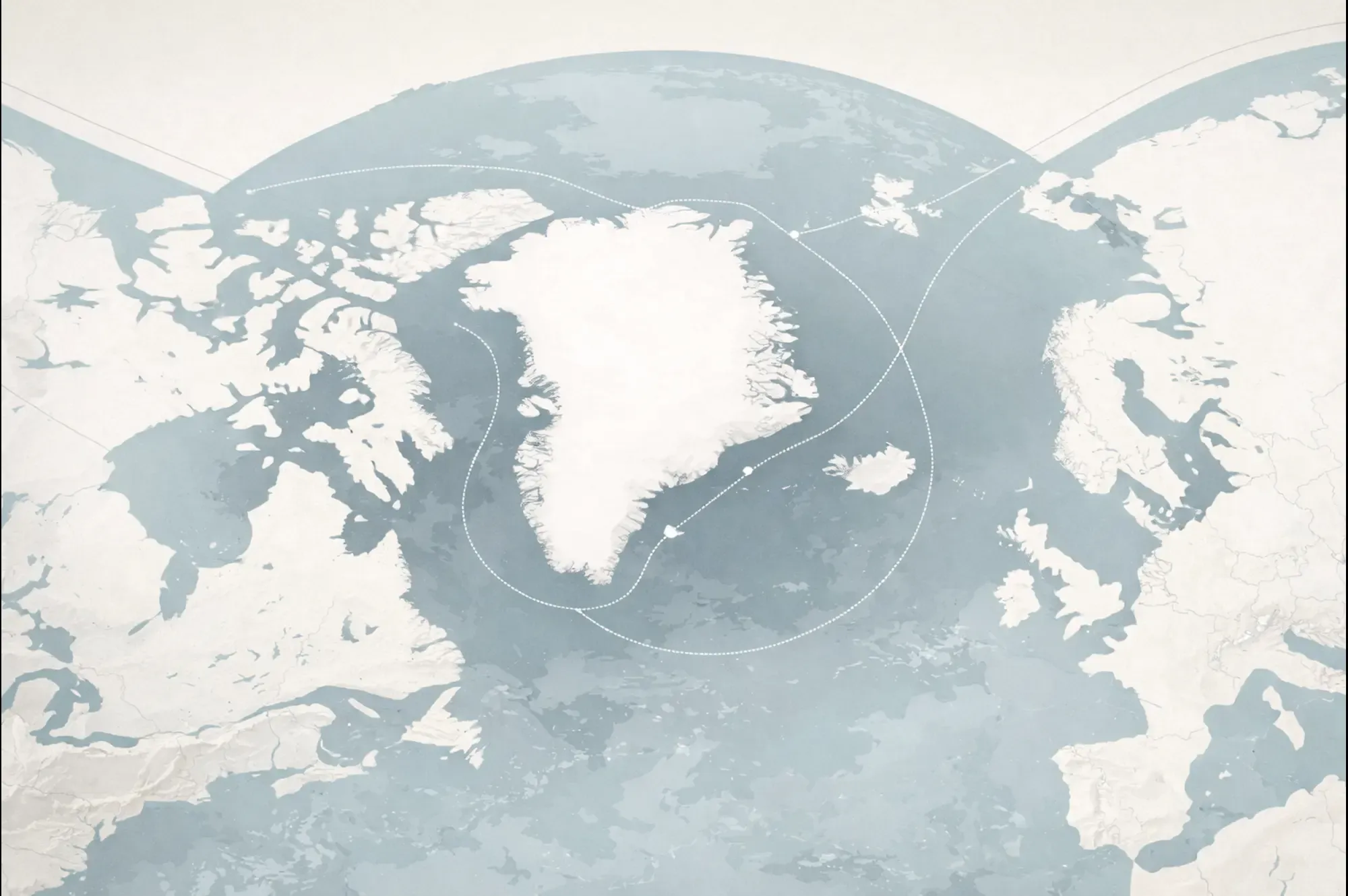
On paper, Greenland seems peripheral. Its population is small. Its economy is limited. But geography does not scale with population.
Greenland sits at the intersection of:
- Arctic security routes
- Emerging shipping corridors
- Long-term climate-driven access to resources
For military planners and global strategists, this makes the territory structurally important even if it is politically quiet. That strategic relevance is why rhetorical pressure around Greenland triggered responses far beyond Copenhagen.
This is where the conversation moved from absurd to consequential.
When Rhetoric Crosses Into Institutional Territory
The most revealing response did not come from Greenland itself, but from Europe. The European Parliament chose to pause progress on a major trade agreement with the United States.
This was not retaliation. It was boundary-setting.
Institutions operate differently from leaders. They respond not to tone, but to precedent. When economic tools appear to be connected to territorial ambition—even rhetorically—institutions intervene to prevent normalization.
That pause mattered more than any statement because it showed where the real guardrails still exist.
How Pressure Is Applied Without Force
Strategic Ambiguity
Modern power rarely announces itself clearly. Vague statements allow flexibility while testing reactions. If resistance is strong, retreat is easy. If it is weak, pressure escalates quietly.
Key insight: ambiguity is a feature, not a flaw.
Economic Leverage as a Signal
Trade agreements depend on predictability. Even the suggestion that access could become conditional introduces instability, which institutions are designed to resist.
Key insight: leverage does not need to be used to be effective.
Institutional Correction
Legislative bodies act as stabilizers. Their responses are often procedural, not emotional—but they shape outcomes more reliably than rhetoric.
Key insight: institutions slow escalation without amplifying it.
Two Scenarios That Clarify the Impact
Scenario one:
A government makes no formal move, yet partners quietly recalibrate because uncertainty has entered the system.
Scenario two:
A trade framework stalls, not because its terms changed, but because trust around unrelated issues weakened.
In both cases, the pressure works indirectly. The outcome is not acquisition, but constraint.
What This Episode Is Often Misread As
It is tempting to frame the Greenland episode as:
- A negotiation tactic
- A personal fixation
- A media distraction
Each of these explanations misses the structural layer. The episode is better understood as a demonstration of how power is exercised through implication rather than action in contemporary geopolitics.
A Short, Clear Way to Understand It
Trump’s Greenland statements were not about immediate territorial change. They functioned as strategic signals that linked geography, security, and economic pressure. The significance lies in how institutions—particularly in Europe—responded to preserve diplomatic norms. The episode shows how modern power operates through rhetoric, leverage, and institutional resistance rather than force.

$750 Cash App Gift Card
Some users qualify for a $750 Cash App gift card. You can check if you qualify.
FAQs
Was Greenland ever realistically at risk of being taken?
No. Legal and political frameworks make unilateral control impossible.
Why did trade agreements become involved?
Because economic pressure was implied, not because trade itself was the goal.
Is this a common diplomatic tactic?
Economic leverage is common; linking it to territorial ambition is far more sensitive.
Did this permanently damage relations?
No, but it introduced friction that required institutional correction.
What This Leaves Us With
The Greenland episode is not a footnote or a headline anomaly. It is a case study in how global power behaves when overt force is off the table but influence is still contested.
Understanding it requires shifting focus away from personalities and toward systems—because systems, not statements, are what ultimately decide how far pressure can go.