7 Strict Rules Tourists Must Follow in North Korea – The Shocking Truth Behind the World’s Most Secretive Country
Understand the little-known rules that shape how tourists travel to North Korea, from restricted movement to controlled interactions. This concise teaser reveals the hidden realities and strict protocols behind visiting the world’s most secretive nation.

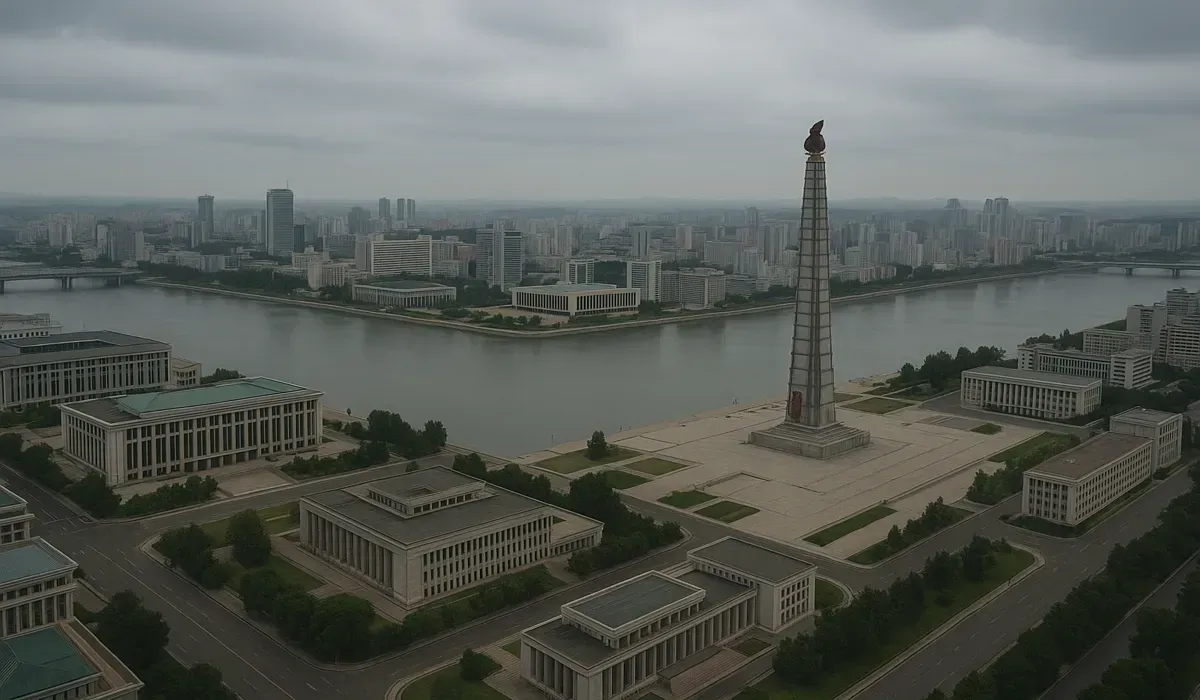
Can tourists travel to North Korea is one of the most asked—and most misunderstood—questions in international travel. While most countries are open to tourism, North Korea (officially the Democratic People’s Republic of Korea, or DPRK) remains one of the world’s most restricted destinations.
The reality is that tourists can visit North Korea, but only under extremely tight rules, permits, and state-approved arrangements. There’s no independent backpacking, no casual exploration, and no open interaction with locals. Every moment is monitored, and every itinerary is pre-determined by government authorities.
- Yes, tourists can travel to North Korea, but only through government-approved guided tours.
- All visitors need a DPRK tourist visa and must obey strict regulations on movement, photography, and communication.
- Safety, ethics, and legality vary by nationality—especially for U.S. citizens, who currently face travel restrictions.
What Does Tourist Travel to North Korea Mean?
Tourist travel to North Korea refers to visiting the country for cultural or leisure purposes under state-supervised tours. Unlike most destinations, travelers cannot plan or roam independently. Instead, tourism in North Korea operates as a controlled system, designed to present a curated version of the country.
Historically, North Korea opened limited tourism in the late 1980s to a handful of foreign nationals, primarily through agencies in China. Over time, tour routes expanded, but the model remained tightly controlled. All tourist itineraries are pre-approved by the government and accompanied by official guides.
Key Characteristics
- Pre-determined itineraries: Tourists visit approved sites such as Pyongyang landmarks, the DMZ, or Mount Myohyang.
- State-monitored guides: Every group includes two Korean guides and a government minder.
- Group-only entry: Independent travel is prohibited.
- Restricted communication: No open internet or private local interaction.
Why These Rules and Permits Matter
Tourism in North Korea operates within a framework of national security, political control, and propaganda management. For travelers, understanding these rules is not only a matter of compliance—it’s a matter of safety.
1. Safety and Legal Protection
The DPRK enforces laws vastly different from most nations. Seemingly minor actions—such as taking unauthorized photos or criticizing leaders—can result in detention or expulsion.
2. Diplomatic Sensitivity
Visiting North Korea carries diplomatic implications. Governments like the U.S., Canada, and Japan warn citizens against travel due to political tensions and limited consular assistance.
3. Ethical Responsibility
Tourists indirectly contribute to North Korea’s economy, which is heavily centralized. Knowing the implications helps travelers make informed, ethical choices.
Can Tourists Travel to North Korea?
Yes, tourists can travel to North Korea, but under a specific set of rules, permits, and regulations. These requirements determine who can go, how they can enter, and what they can do once inside.
1. Tour Group Requirement
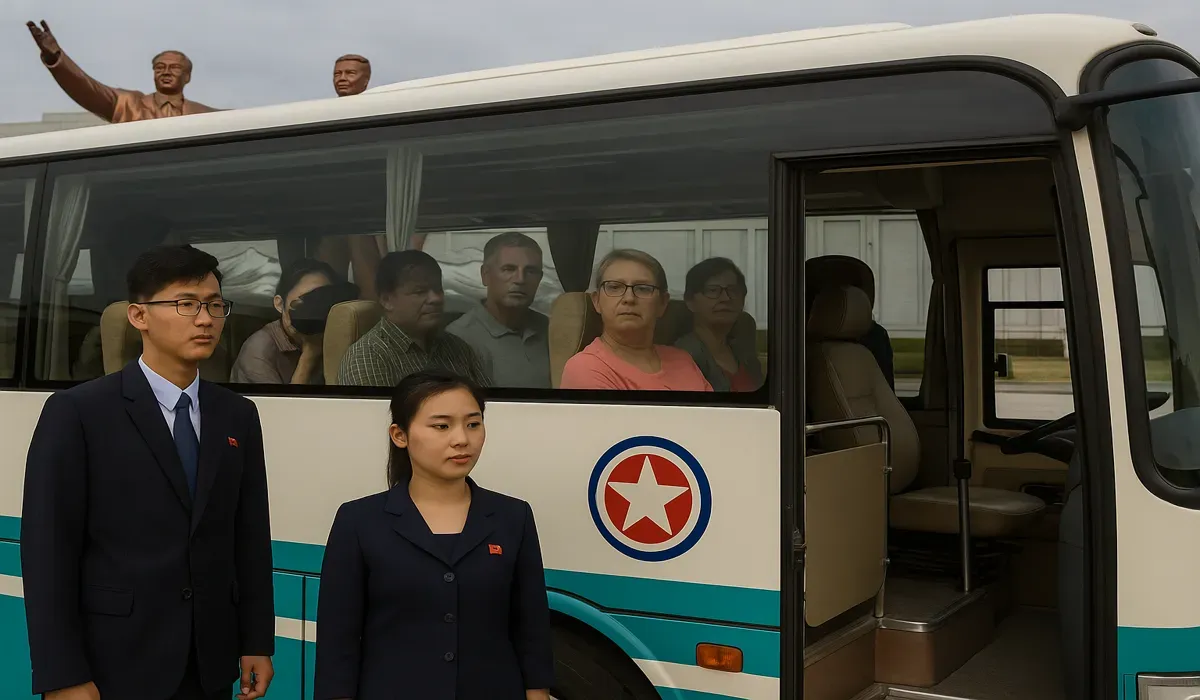
Individual travel is prohibited. All visits must be conducted through licensed tour operators partnered with North Korean agencies. These tours are typically 4–10 days long and follow pre-approved routes.
2. DPRK Tourist Visa
Visitors must obtain a DPRK tourist visa or tourist card. It’s often issued separately from your passport and arranged by your tour provider.
3. Entry Gateways
Most travelers enter North Korea via Beijing (China) or Vladivostok (Russia). Direct entry from South Korea is prohibited.
4. Guided Supervision
Tourists are constantly accompanied by two official guides. Movement without supervision is not allowed.
5. Restricted Photography
Only approved sites can be photographed. Sensitive locations (military areas, construction sites, ordinary citizens) are off-limits.
6. Limited Freedom of Speech
Criticism of the state, its leaders, or political systems is strictly forbidden.
7. Exit Control
All devices and luggage may be inspected before departure to ensure no unauthorized materials are taken.
What Are the Permit and Visa Rules?
Visa Application Process
- Apply through an authorized tour operator.
- Submit passport, photo, occupation details, and personal background.
- Wait for DPRK approval (typically 2–3 weeks).
- Receive a tourist card instead of a passport stamp.
Transit Visa
Because entry occurs via China or Russia, travelers must also secure valid Chinese or Russian visas before joining the DPRK tour.
Nationality Restrictions
- U.S. citizens: Cannot legally use U.S. passports for DPRK travel.
- South Koreans: Generally prohibited due to national law.
- Most other nationals: Allowed through approved agencies.
Tourist Insurance
Visitors must purchase North Korea-approved travel insurance, covering medical emergencies under state oversight.
Rules Tourists Must Follow Inside North Korea
Behavioral Expectations
- Follow guides at all times.
- Do not attempt to explore alone.
- Dress modestly—especially when visiting monuments or memorials.
- Avoid gestures, jokes, or language that could be seen as disrespectful.
Photography Guidelines
- Only photograph designated sites.
- Do not delete, edit, or share images without permission.
- Avoid close-ups of soldiers, citizens, or unfinished structures.
Communication
- Internet access is unavailable for tourists.
- Foreign SIM cards are disabled upon entry.
- Contact with locals outside the tour group is prohibited.
Currency and Payment
- Use Euros, Yuan, or U.S. Dollars for purchases. Local won currency is not available to foreigners.
- Most payments are cash-only—no ATMs or cards.
Step-by-Step Guide: How to Visit North Korea as a Tourist
Step 1 – Choose an Authorized Tour Operator
Work with agencies officially recognized by DPRK authorities. Popular itineraries include Pyongyang city tours, the DMZ, and national celebrations like the Day of the Sun.
Step 2 – Secure Required Visas
Apply for both the DPRK tourist visa and transit visas (China/Russia). Tour operators handle documentation and embassy communication.
Step 3 – Confirm Itinerary
All itineraries must be state-approved. Expect minimal flexibility and constant guide supervision.
Step 4 – Pre-Departure Briefing
Your agency will brief you on conduct, photography rules, and restricted behavior. Following these is non-negotiable.
Step 5 – Entry Procedure
At customs, expect detailed inspection of electronics, reading materials, and personal devices.
Step 6 – During Your Stay
Stay with your group, follow your guide’s schedule, and maintain respectful conduct.
Step 7 – Departure
All devices and luggage are checked. Authorities may review photos and confiscate restricted content.
Common Misconceptions and Challenges
Myth 1: Tourists Can Roam Freely
False. Every visitor is under escort, and all tours are monitored.
Myth 2: Photography Is Unlimited
False. Unauthorized photography can lead to questioning or confiscation.
Myth 3: Visiting Is Illegal
Not for most nationalities—but some countries restrict travel for their citizens.
Challenge: Lack of Consular Support
If detained or ill, your embassy has no access to you. North Korea’s government handles all matters internally.
Myth 4: Travel Is Dangerous Due to Crime
While violent crime is rare, legal risk from rule violations is extremely high.
Case Studies & Expert Insights
Case Example – European Group Tour
A European travel group reported a structured, orderly, and safe visit. However, guides monitored every movement, and participants described the experience as “controlled and theatrical.”
Expert Insight – Political Tourism Perspective
Travel analysts describe DPRK tourism as “managed exposure”—designed to showcase state achievements rather than daily life. Tourists witness monumental architecture, museums, and performances highlighting political loyalty.
Case Example – Media Delegation
A journalist permitted on a documentary tour noted complete narrative control, describing it as a “curated theatre of nationalism.”
Future of Tourism in North Korea
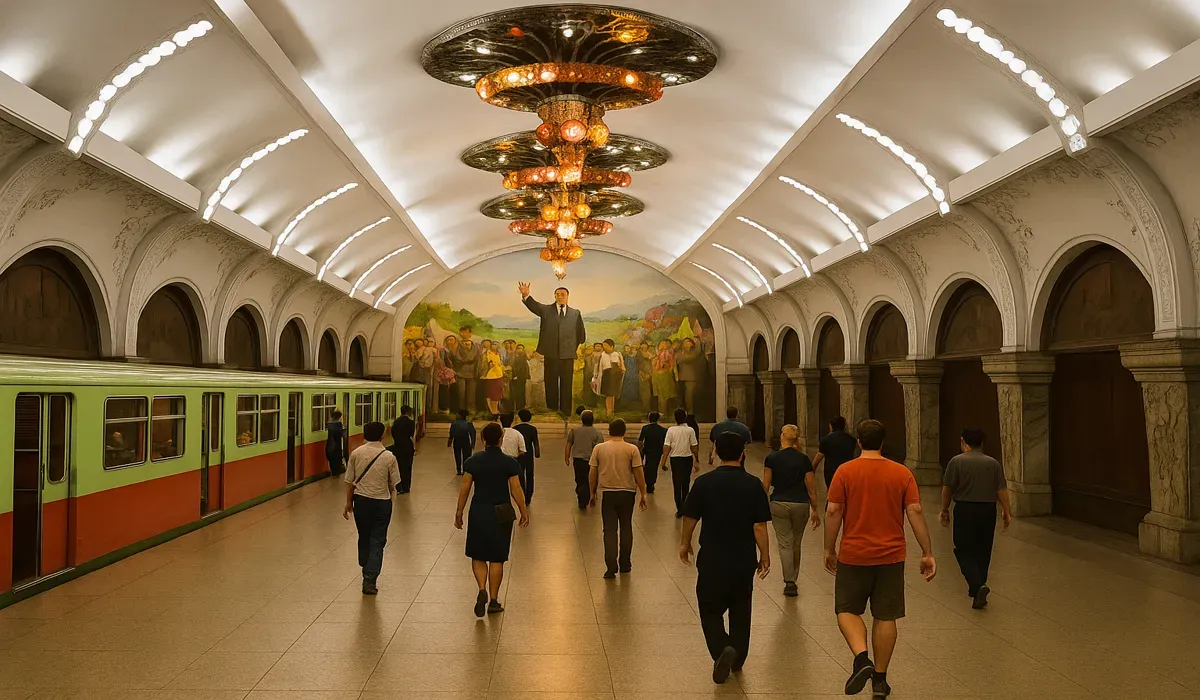
- Controlled Reopening: After COVID-19 border closures, gradual reopening for select nationalities is expected.
- Technological Tightening: Digital surveillance during tours may increase.
- Niche Travel Growth: Political and curiosity-driven tourism will continue to attract a limited audience.
- Ethical Debate Expansion: Responsible tourism discussions around funding authoritarian states will intensify.
- Greater Transparency: Tour agencies may begin disclosing more about safety and restrictions to travelers.
FAQs
Q1: Can tourists travel to North Korea independently?
A: No. All visits must be through government-approved guided tours.
Q2: What visa is required for tourist travel to North Korea?
A: A DPRK tourist visa or tourist card, arranged by a licensed travel operator.
Q3: Can U.S. citizens visit North Korea?
A: Not currently. U.S. passports are restricted for DPRK travel without government validation.
Q4: Is it safe to visit North Korea?
A: While crime is minimal, risks include detention or political conflict—making it high-risk travel.
Q5: What are the photography rules in North Korea?
A: Only approved locations can be photographed; others may result in confiscation or questioning.
Q6: Can tourists talk to locals?
A: Only under supervision. Independent conversation with citizens is prohibited.
Q7: How can I prepare ethically for travel?
A: Research the political context, follow all regulations, and avoid supporting exploitative tour operations.
Key Takeaways
- Can tourists travel to North Korea? Yes—but only through state-approved tours.
- Visas, permits, and supervision are mandatory.
- Independent travel is not allowed.
- Risks include legal penalties for minor violations.
- Ethical travel practices and awareness of implications are vital.
Conclusion
So, can tourists travel to North Korea?
Yes—but the experience is unlike any other. It’s structured, restricted, and closely monitored from start to finish. Travelers must join an official tour, follow guides, and obey every regulation.
For those drawn by curiosity or cultural intrigue, the DPRK offers a rare glimpse into one of the world’s most secretive societies. Yet, it demands preparation, compliance, and ethical reflection.
Before you go, evaluate your comfort level with the lack of independence—and always prioritize safety, legality, and respect.