Top Places to Visit in Brazil: A Journey Through Natural Wonders and Vibrant Culture
Explore the top places to visit in Brazil through a concise guide that highlights its natural wonders and vibrant culture, offering readers a clear starting point for planning an inspiring and memorable journey.
Introduction
Brazil is a country of immense diversity, offering travellers a rich tapestry of experiences. From the urban vibrancy of São Paulo and Rio de Janeiro to the awe-inspiring natural wonders of the Amazon Rainforest and Iguaçu Falls, Brazil is a destination that appeals to all senses. In this article, we explore the top places to visit in Brazil, blending historical insights with vivid descriptions of key attractions.
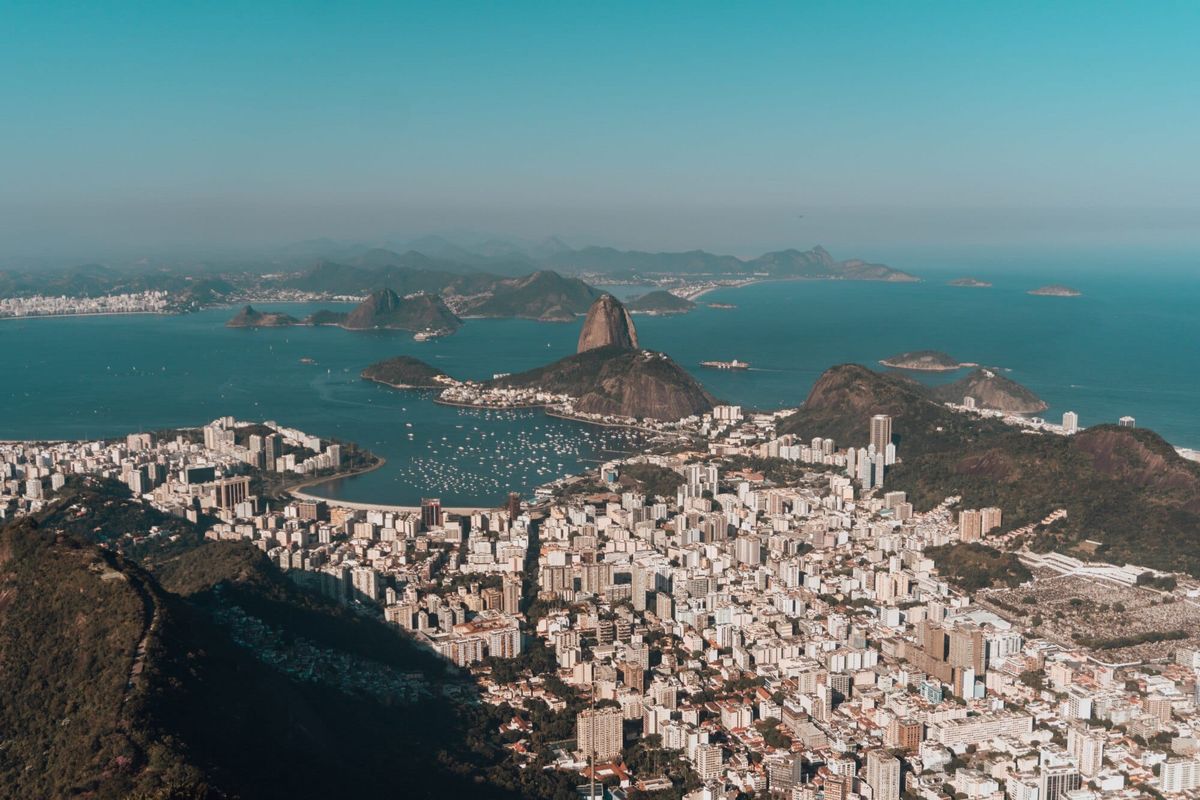
Rio de Janeiro: The Marvellous City
1. Christ the Redeemer

One of the New Seven Wonders of the World, Christ the Redeemer stands 30 meters tall on Mount Corcovado, symbolizing peace and welcome. Completed in 1931, this cultural icon offers breath taking views of Rio de Janeiro and the surrounding mountains. Visitors can reach the summit via train or hiking, making it a spiritual and scenic journey.
2. Sugarloaf Mountain

Rising 396 meters above the harbour, Sugarloaf Mountain provides stunning panoramic views of Rio’s skyline and coastlines. The cable car ride to the top offers a unique perspective of the city, and the peak is a perfect spot to enjoy a sunset over Rio.
3. Copacabana Beach

Copacabana is one of the world’s most famous beaches, known for its lively atmosphere and crescent-shaped coastline. Stretching 4 kilometers along the Atlantic, it’s the epicenter of Rio’s beach culture, attracting sunbathers, volleyball players, and party-goers alike. The beach is also the site of Rio’s renowned New Year’s Eve celebrations.
São Paulo: Brazil’s Urban Jungle
4. Avenida Paulista
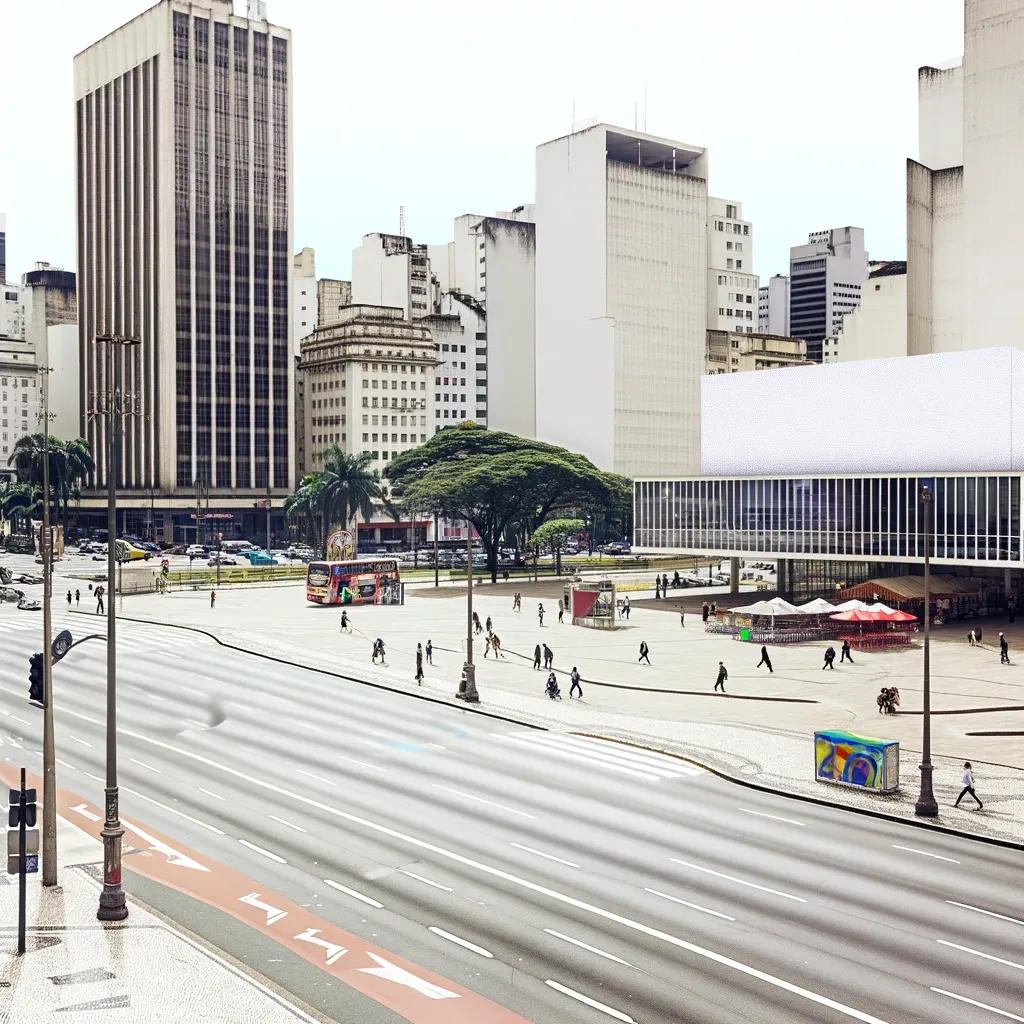
Avenida Paulista is São Paulo’s cultural and financial heart, home to the São Paulo Museum of Art (MASP), cultural center, and a mix of modern skyscrapers and historic buildings. This avenue is a symbol of São Paulo’s diversity, where art, business, and culture converge.
5. Ibirapuera Park

This urban oasis offers a green escape in the midst of São Paulo’s concrete jungle. Spanning over 158 hectares, Ibirapuera Park features museums, lakes, and walking paths, serving as the city’s cultural hub with attractions like the Museum of Modern Art and the Afro-Brazil Museum.
6. Mercado Municipal
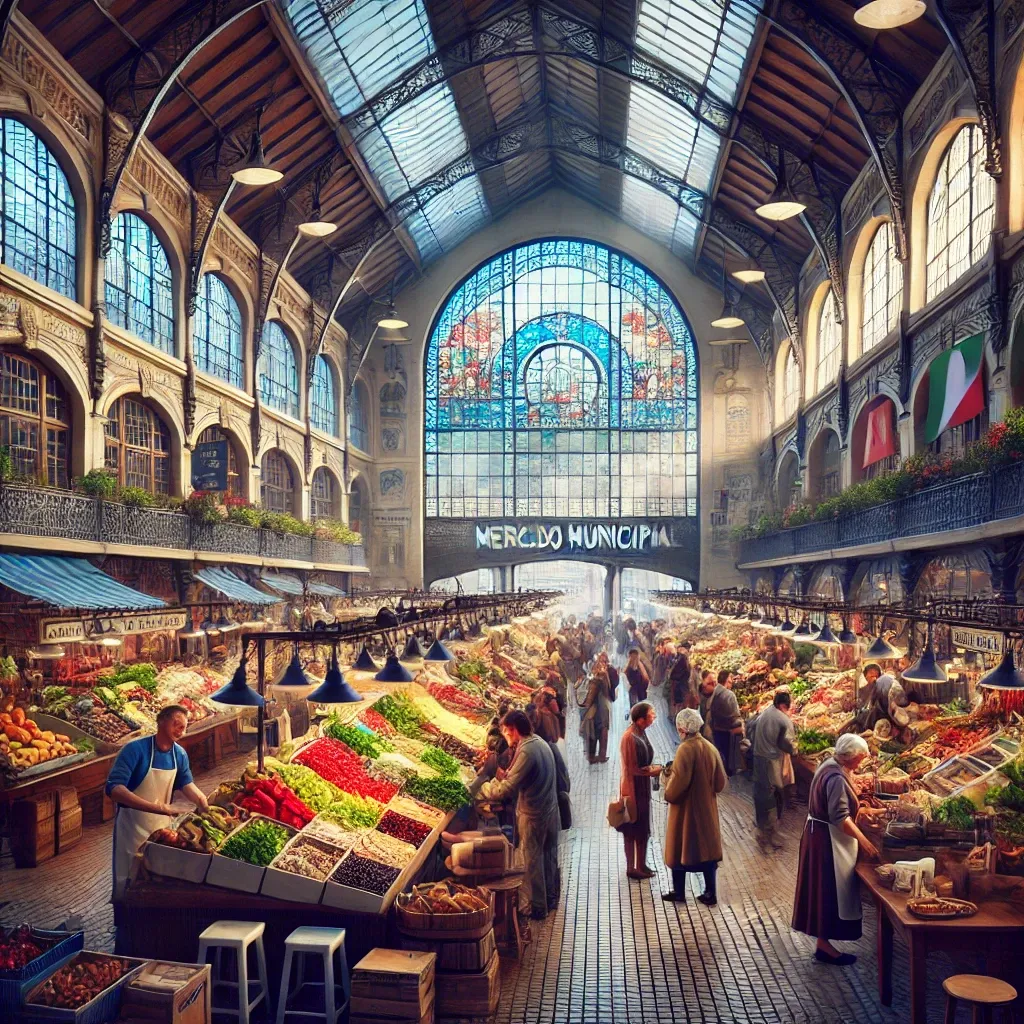
Known for its gourmet products, fresh produce, and iconic mortadella sandwich, Mercado Municipal is a must-visit for food lovers. The market is housed in a beautiful building with stained glass windows, offering a true taste of São Paulo’s culinary diversity.
Amazon Rainforest: The Lungs of the Earth
7. Manaus
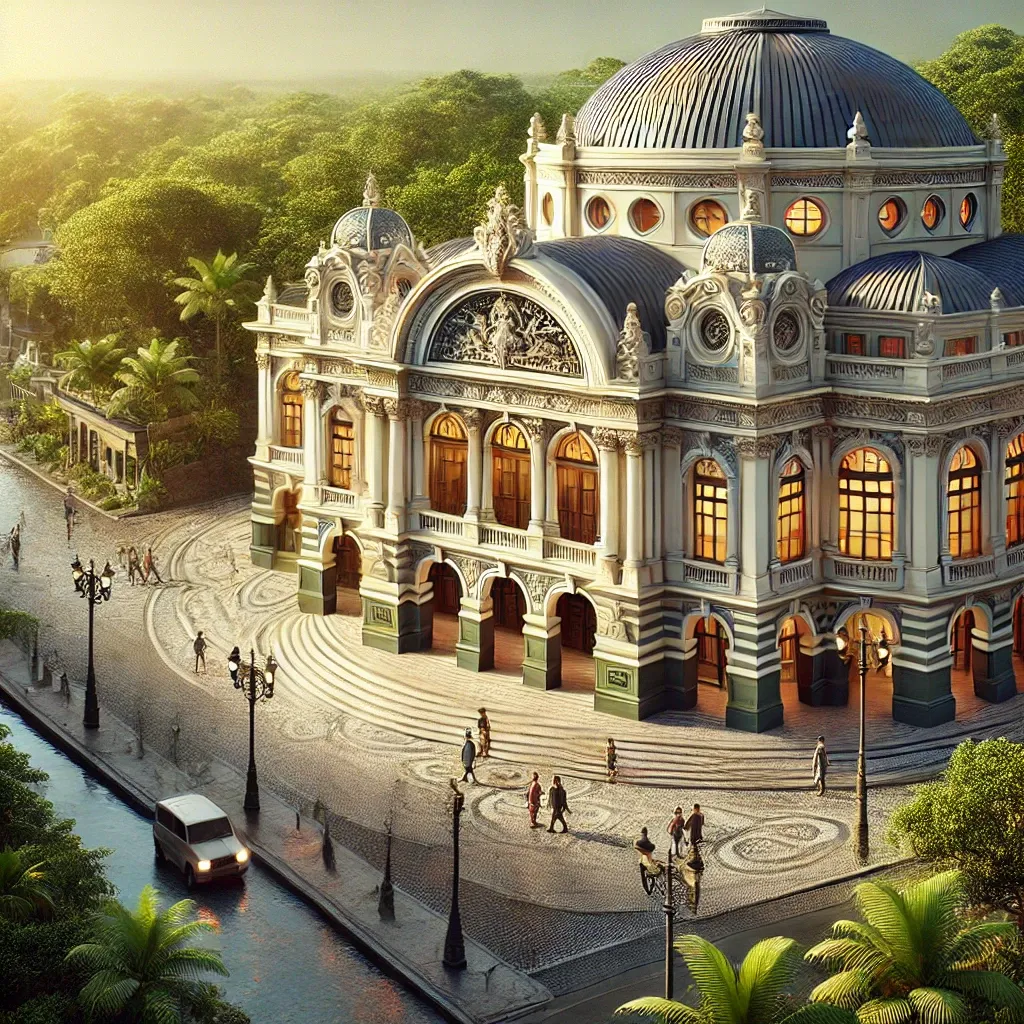
Manaus, the capital of Amazonas, is the gateway to the Amazon Rainforest. The Amazon Theatre, a symbol of the city’s rubber boom wealth, is a must-see. Manaus is the starting point for Amazon River cruises, providing an entryway into the world’s largest tropical rainforest.
8. Meeting of the Waters
This natural phenomenon occurs near Manaus, where the dark waters of the Rio Negro meet the sandy-colored Amazon River without mixing. The contrast is a stunning display of nature’s diversity, best experienced on a boat tour.
9. Anavilhanas Archipelago
Comprising over 400 islands in the Rio Negro, the Anavilhanas Archipelago offers a labyrinth of waterways rich in wildlife. It’s an ideal destination for eco-tourism, where visitors can kayak, hike, and explore the unique ecosystem of the Amazon.
Iguaçu Falls: Nature’s Spectacle
10. Iguaçu National Park
Home to the magnificent Iguaçu Falls, this UNESCO World Heritage site straddles the border between Brazil and Argentina. With 275 individual waterfalls, including the famous Devil’s Throat, Iguaçu Falls is one of the most awe-inspiring natural wonders in the world.
11. Itaipu Dam
The Itaipu Dam, one of the largest hydroelectric power plants globally, showcases human ingenuity. A tour of the dam includes an observation deck with panoramic views, highlighting the engineering marvel that provides power to much of Brazil and Paraguay.
12. Parque das Aves
Located near Iguaçu Falls, Parque das Aves is a bird sanctuary home to over 1,300 birds. The park focuses on conservation and offers visitors the chance to see toucans, macaws, and other exotic species up close, as well as learning about Brazil’s diverse ecosystems.
Salvador: The Heart of Afro-Brazilian Culture
13. Pelourinho
Pelourinho is the historic center of Salvador, known for its vibrant colonial architecture and cultural heritage. Once the center of Portuguese colonial administration, today it is a UNESCO World Heritage site and a hub of Afro-Brazilian culture, music, and dance.
14. Elevador Lacerda
Connecting Salvador’s lower city to the historic upper city, Elevador Lacerda offers stunning views of the Bay of All Saints. This iconic public elevator is a symbol of Salvador and a practical way to explore the city’s diverse districts.
15. Igreja de São Francisco
This Baroque church in Salvador is known for its ornate interior, featuring gilded woodwork and intricate carvings. The church, built in the 18th century, is a masterpiece of colonial Brazilian art and a must-visit for those interested in history and architecture.
FAQ
What is the best time to visit Brazil?
The best time to visit Brazil varies depending on the region. The dry season from May to September is ideal for visiting the Amazon and Pantanal, while December to March is perfect for beach destinations like Rio de Janeiro and Salvador.
Brazil is generally safe for tourists, but it’s important to take precautions. Stick to well-known tourist areas, avoid displaying valuables, and be cautious in crowded places. It’s also advisable to check travel advisories for specific regions.
What are some must-try foods in Brazil?
Must-try foods in Brazil include feijoada (a black bean stew with pork), pão de queijo (cheese bread), brigadeiro (a chocolate dessert), and churrasco (Brazilian barbecue). Regional dishes like acarajé in Bahia and tacacá in the Amazon are also worth trying.
Brazil has a well-developed transportation network, including domestic flights, buses, and taxis. In major cities like São Paulo and Rio de Janeiro, public transportation options such as the metro and buses are available. Renting a car is also an option for exploring more remote
areas.
Do I need a visa to visit Brazil?
Visa requirements for Brazil vary depending on your nationality. Citizens of many countries, including the U.S., Canada, and EU nations, do not need a visa for short stays. It’s best to check the specific requirements before traveling.
You May Also Like
- Romantic Train Journeys for Couples
- Travel During the Holidays
- Cruise Destinations Around the World
- Top 15 National Parks
- Plan a Digital Nomad Trip
- Travel to Remote Destinations
- Smooth Journey in 2025
- Destinations for Food Lovers
- Historical Sites
- Hidden Gems in Europe
- Cultural Festivals Around the World
- Getaways for Couples
- Solo Travel
- Traveling Alone as a Woman
- Budget Travel
- Ultimate Travel Packing
- Must-Visit Destinations Around the World
- Places to Visit in Brazil