The Most Famous Celebrity Endorsements of All Time That Shaped Pop Culture
Explore the most influential celebrity endorsements that transformed brands and reshaped pop culture. This breakdown highlights why these campaigns worked and how they continue to impact marketing today.

Introduction
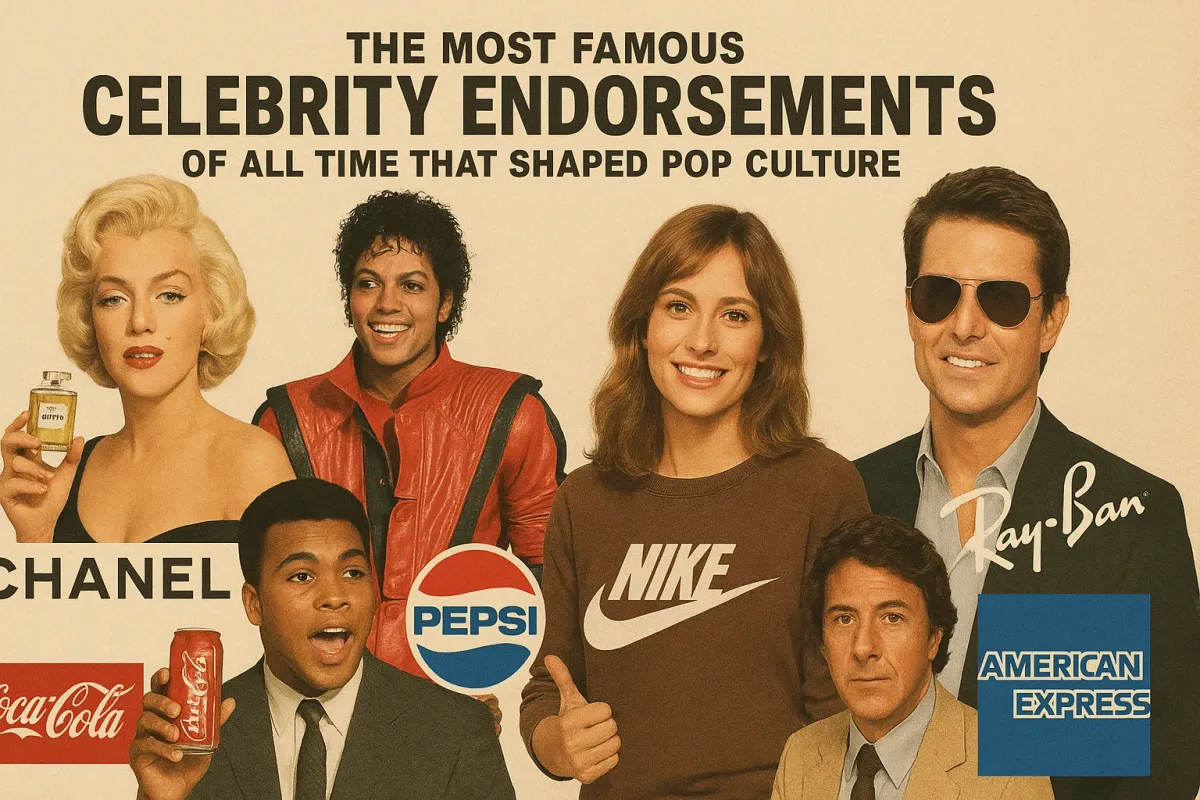
Celebrity endorsements have long been a powerful force in shaping consumer behavior and pop culture. From Michael Jordan’s iconic partnership with Nike to Beyoncé’s game-changing Pepsi campaigns, these collaborations have left an indelible mark on industries and audiences worldwide. In 2025, the influence of celebrity endorsements continues to thrive, blending authenticity with star power. This article dives into the most famous celebrity endorsements of all time, exploring their impact and why they resonate today. With insights into iconic celebrity brand partnerships and memorable celebrity ad campaigns, we’ll uncover what makes these endorsements unforgettable.
What Are the Most Famous Celebrity Endorsements of All Time?
Celebrity endorsements are strategic partnerships where stars promote products, leveraging their fame to drive sales. Some of the most iconic include:
- Michael Jordan and Nike: The Air Jordan line, launched in 1985, revolutionized sneaker culture, generating billions in revenue. The partnership’s success lies in Jordan’s authenticity as an athlete and Nike’s innovative marketing.
- Beyoncé and Pepsi: Since 2002, Beyoncé’s Pepsi campaigns, including her 2013 “Live for Now” ad, blended music and branding, reaching millions globally.
- George Clooney and Nespresso: Clooney’s suave persona boosted Nespresso’s premium image, with campaigns running since 2006 and contributing to a 20% annual sales growth in key markets.
These famous celebrity endorsements highlight how star power can transform brands. Curious about more examples? Check our related article on how celebrity endorsements influence marketing.
Why Do Iconic Celebrity Brand Partnerships Work?
The success of iconic celebrity brand partnerships stems from authenticity, alignment, and audience connection. According to a 2024 Nielsen study, 64% of consumers trust brands more when endorsed by a celebrity they admire. Key factors include:
- Authenticity: Stars like Taylor Swift, who partnered with Apple Music in 2015, resonate because they use the product themselves.
- Cultural Relevance: Rihanna’s Fenty Beauty, launched in 2017, disrupted the beauty industry by prioritizing inclusivity, earning $570 million in revenue by 2020.
- Emotional Appeal: David Beckham’s H&M campaigns (2012–2016) leveraged his charm, creating aspirational yet relatable ads.
These partnerships work because they align the celebrity’s image with the brand’s values, creating a seamless narrative that captivates audiences.
How Have Memorable Celebrity Ad Campaigns Shaped Trends?
Memorable celebrity ad campaigns don’t just sell products—they set trends. For instance:
- Oprah Winfrey and Weight Watchers: Oprah’s 2015 endorsement, coupled with her personal weight loss journey, boosted Weight Watchers’ stock by 20% in weeks.
- Kendall Jenner and Calvin Klein: Her 2016 #MyCalvins campaign went viral, driving a 13% increase in social media engagement for the brand.
- Cristiano Ronaldo and CR7: Ronaldo’s self-branded fashion line, launched in 2013, capitalized on his global soccer fandom, generating $100 million in sales by 2023.
These campaigns show how celebrities can amplify brand visibility and influence consumer preferences. Want to explore more marketing trends? Visit our guide on modern advertising strategies.
Are Famous Celebrity Endorsements Still Effective in 2025?
In 2025, famous celebrity endorsements remain a cornerstone of marketing, but their execution has evolved. Experts note that modern audiences prioritize transparency. A 2024 Kantar study found that 72% of Gen Z prefers endorsements from celebrities who share their values. Brands like Adidas, with their 2023 Billie Eilish collaboration, focus on sustainability to align with younger demographics. However, controversies like Kendall Jenner’s 2017 Pepsi ad highlight the risks of inauthentic campaigns. Success lies in genuine partnerships that reflect shared values and cultural moments.
Conclusion
The most famous celebrity endorsements of all time have redefined marketing, from Michael Jordan’s Air Jordans to Rihanna’s Fenty Beauty. These partnerships thrive on authenticity, cultural relevance, and emotional connection, shaping trends and consumer behavior. As brands navigate 2025, aligning with celebrities who embody their values is key. Explore more about celebrity influence in our article on brand marketing evolution and discover how these iconic campaigns continue to inspire.
FAQ
What makes a celebrity endorsement successful?
A successful endorsement aligns the celebrity’s image with the brand’s values, ensuring authenticity and audience connection, as seen in partnerships like Michael Jordan and Nike.
How do celebrity endorsements impact sales?
Endorsements can significantly boost sales, like Beyoncé’s Pepsi campaigns, which increased brand visibility, or Fenty Beauty’s $570 million revenue driven by Rihanna’s influence.
How do celebrity endorsements impact sales?
Endorsements can significantly boost sales, like Beyoncé’s Pepsi campaigns, which increased brand visibility, or Fenty Beauty’s $570 million revue driven by Rihanna’s influence.
Are celebrity endorsements still relevant in 2025?
Yes, but authenticity is crucial. Modern audiences, especially Gen Z, favor endorsements from celebrities who share their values, as shown in Billie Eilish’s Adidas collaboration.
What are some risks of celebrity endorsements?
Risks include inauthentic campaigns, like Kendall Jenner’s 2017 Pepsi ad, which faced backlash for tone-deaf messaging, highlighting the need for genuine partnerships.