The Health Benefits of Eating Seasonal Foods
Discover the numerous health benefits of eating seasonal foods, including enhanced nutrition, better flavor, and environmental sustainability.

Introduction
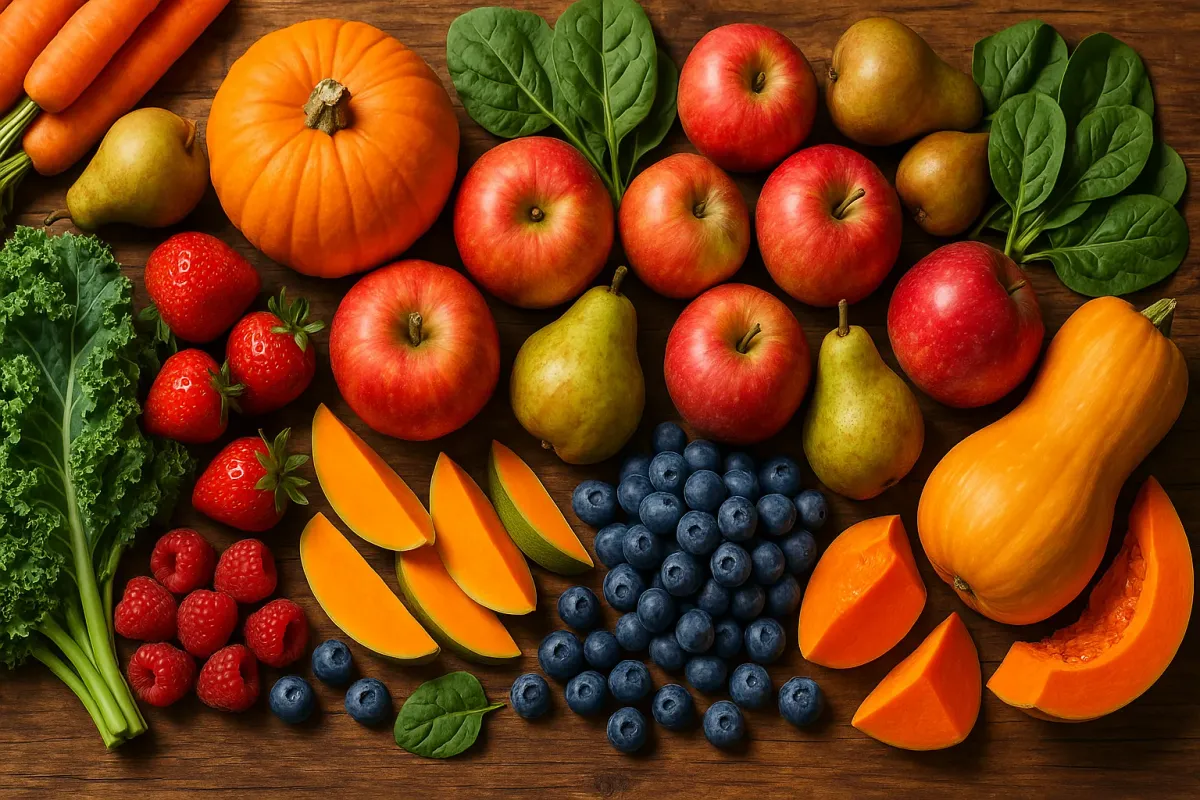
The health benefits of eating seasonal foods are more powerful than most people realize. Imagine walking through a bustling farmers’ market on a crisp autumn morning—the aroma of apples, the colors of pumpkins and squash, and the freshness of just-harvested produce. Eating with the seasons isn’t just a culinary trend—it’s a return to nature’s rhythm, offering nutrition, sustainability, and better taste.
Understanding Seasonal Foods and Their Importance
What is a seasonal healthy food?
Seasonal foods are harvested at their natural peak during specific times of the year. These include fruits, vegetables, grains, and even meats. The health benefits of eating seasonal foods are greatest when they are fresh, flavorful, and packed with nutrients.
Why are foods better in season?
Foods harvested in season tend to be more nutrient-dense because they are picked at their peak ripeness. They also often require fewer pesticides and other chemicals since they are grown in their natural environment. Additionally, seasonal foods are usually more affordable and have a smaller carbon footprint due to reduced transportation needs.
The Nutritional and Health Benefits of Seasonal Foods
Is in-season produce more nutritious?
Yes. Berries in summer, leafy greens in spring, and root vegetables in autumn deliver maximum vitamins and minerals. Shorter time between harvest and consumption preserves nutrients, ensuring you enjoy the health benefits of eating seasonal foods year-round.
What are the the health benefits of eating seasonal foods?
In-season vegetables are often richer in flavor and nutrients. They support your body’s natural needs throughout the year, such as providing hydration in the summer and more hearty, warming foods in the winter. Eating seasonally also ensures a diverse diet, as different fruits and vegetables are available at different times of the year.
What is the healthiest season?
While each season offers its own unique benefits, summer and autumn are particularly bountiful in terms of nutrient-rich produce. However, winter and spring also provide essential foods that support your body’s needs during colder months or as it transitions into warmer weather.
Practical Tips for Eating Seasonally
How does seasonal variation affect nutritional health?
Seasonal variation ensures that you’re consuming a wide range of nutrients throughout the year. For instance, citrus fruits in the winter provide a boost of vitamin C, while root vegetables in the autumn offer grounding and nourishing properties.
Should you eat more in winter or summer?
In winter, your body may crave more warming, dense foods that provide energy and comfort, such as root vegetables and grains. In contrast, summer calls for lighter, hydrating foods like fruits and leafy greens. Listening to your body’s signals and eating according to the season can help maintain balance and well-being.Listening to your body while embracing the health benefits of eating seasonal foods helps maintain natural balance.
What are the disadvantages of eating seasonally?
One potential disadvantage is the limited variety of foods during certain seasons, especially in winter. However, this can be mitigated by preserving foods or incorporating a mix of fresh and stored produce. Additionally, some people may find it challenging to adapt to seasonal eating if they’re used to having a wide variety of foods available year-round.
Environmental and Economic Benefits of Eating Seasonally
Is eating seasonally more sustainable?
Yes, eating seasonally is more sustainable. It reduces the carbon footprint associated with food production and transportation, as seasonal foods are often grown closer to where they are sold. This practice also supports local farmers and the economy, encouraging more sustainable farming methods.
What season has the best food?
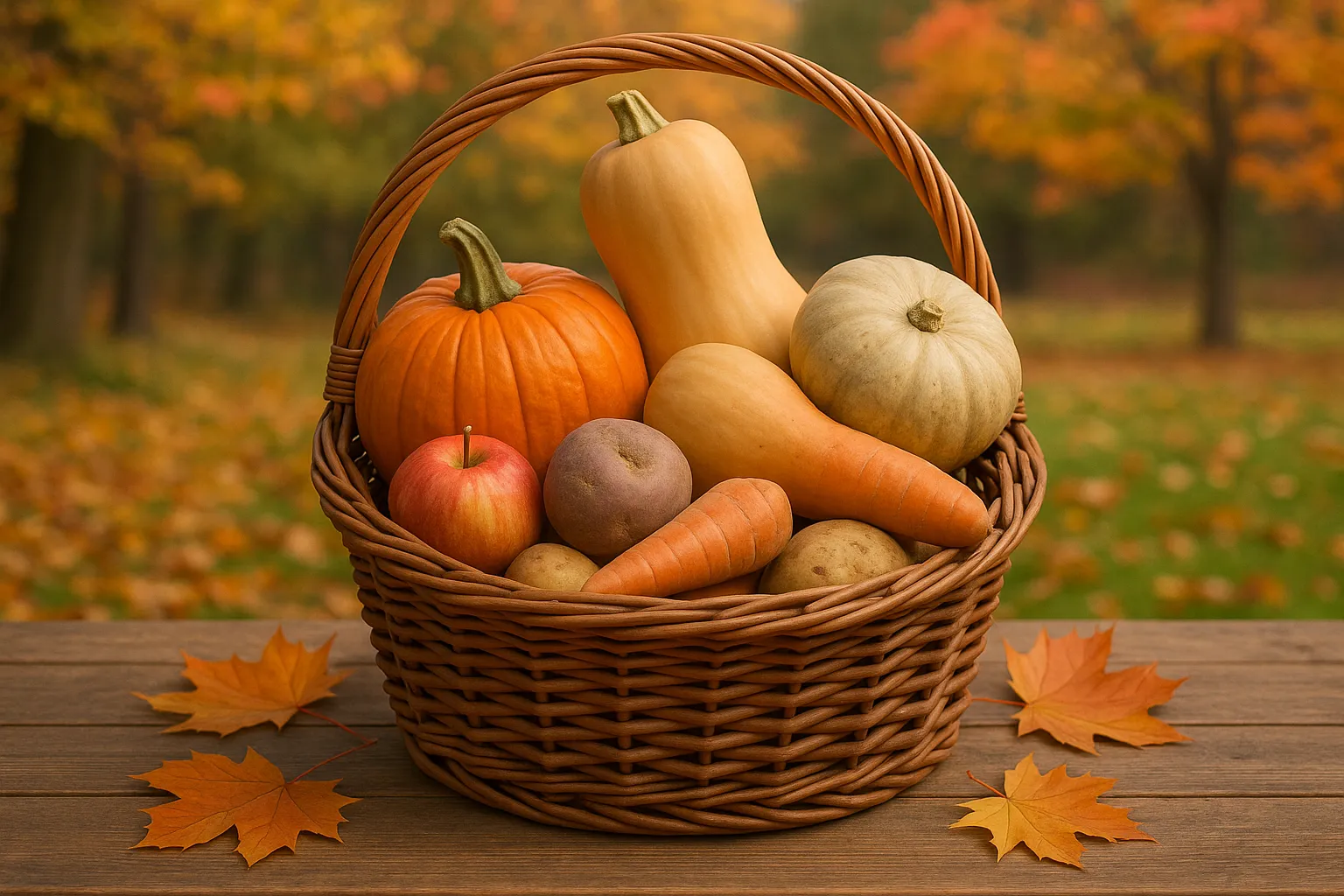
Each season offers its own unique culinary delights, from the crisp apples and pumpkins of autumn to the fresh berries and greens of summer. The “best” season for food ultimately depends on personal preferences and the specific region you live in.
Why are seasonal foods better for the environment?
They require fewer resources, less transportation, and result in lower greenhouse emissions. Truly, the health benefits of eating seasonal foods extend to the planet as well.
FAQs
What is a seasonal healthy food?
Seasonal healthy foods are those that are harvested at their peak during specific times of the year, offering maximum flavor and nutrition.
Why are foods better in season?
In-season foods are fresher, more flavorful, and often more nutritious because they are harvested at their peak ripeness.
What are the the health benefits of eating seasonal foods?
The health benefits of eating seasonal foods are more powerful than most people realize. In-season vegetables are nutrient-rich, support your body’s needs throughout the year, and are often more affordable and environmentally friendly.
Should you eat more in winter or summer?
Your body may require more warming, dense foods in winter and lighter, hydrating foods in summer. Eating seasonally helps meet these changing needs.
Is eating seasonally more sustainable?
Yes, eating seasonally reduces the environmental impact of food production and supports local economies.
What season has the best food?
Each season has its own culinary highlights, offering a variety of fresh, flavorful foods.
What are the disadvantages of eating seasonally?
Limited food variety in certain seasons can be a challenge, but this can be managed through preservation methods and mixing fresh with stored produce.
Conclusion
The health benefits of eating seasonal foods include better nutrition, sustainable living, and flavorful meals. By aligning your diet with nature, you enjoy fresher produce, save money, and support the environment. Whether it’s summer berries, autumn squash, winter citrus, or spring greens, seasonal eating is the healthiest way to nourish your body and protect the planet.
You May Also Like
- Omega-3 Fatty Acids
- Keto Diet
- Antioxidants in Preventing Disease
- Benefits of Eating Seasonal Foods
- Portion Control
- 25 Superfoods You Should Include in Your Diet
- Impact of Sugar on Your Health
- Understanding Macronutrients
- Plant-Based Diets
- Regular Physical Activity
- Natural Remedies for Common Ailments
- Healthy Work-Life Balance