How Taliban Foreign Minister’s Deoband Visit Became India’s Most-Talked Political Moment
Discover how the Taliban Foreign Minister’s Deoband visit became India’s most-talked political moment. This concise, research-driven teaser highlights the signals, reactions, and diplomatic implications reshaping national debate.

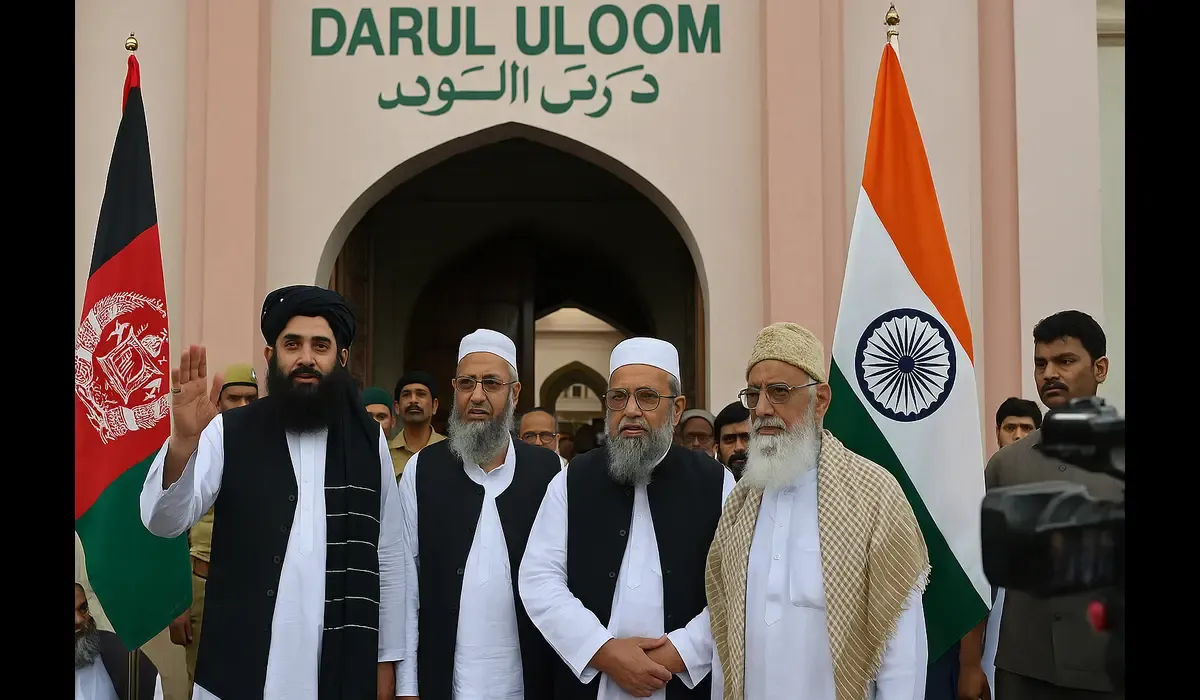
The Taliban Foreign Minister visit to Deoband UP news has generated widespread attention across India and the global diplomatic community. The visit marks a rare moment in Indo-Afghan relations, as the Taliban seeks to establish cultural and educational engagement through historic institutions like Darul Uloom Deoband.
Observers say the visit is both symbolic and strategic — symbolizing the Taliban’s intent to reshape its international image and explore soft diplomacy with India.
Latest Post
Quick Context: What the Taliban Foreign Minister Visit Means
The Taliban Foreign Minister visit to Deoband UP refers to the arrival of Amir Khan Muttaqi, Afghanistan’s acting Foreign Minister, to the prestigious Islamic seminary in Uttar Pradesh’s Saharanpur district. Darul Uloom Deoband, one of the most influential Islamic educational institutions in South Asia, has long played a role in shaping Islamic scholarship and global religious discourse.
Muttaqi’s visit is being viewed as part of Afghanistan’s broader diplomatic effort to engage with key cultural and religious entities in India after years of political distance.

$750 Amazon Gift Card
A $750 Amazon gift card may be available to select users. Checking eligibility is quick. You can check if you’re one of them.
Latest Update: Details of the Visit
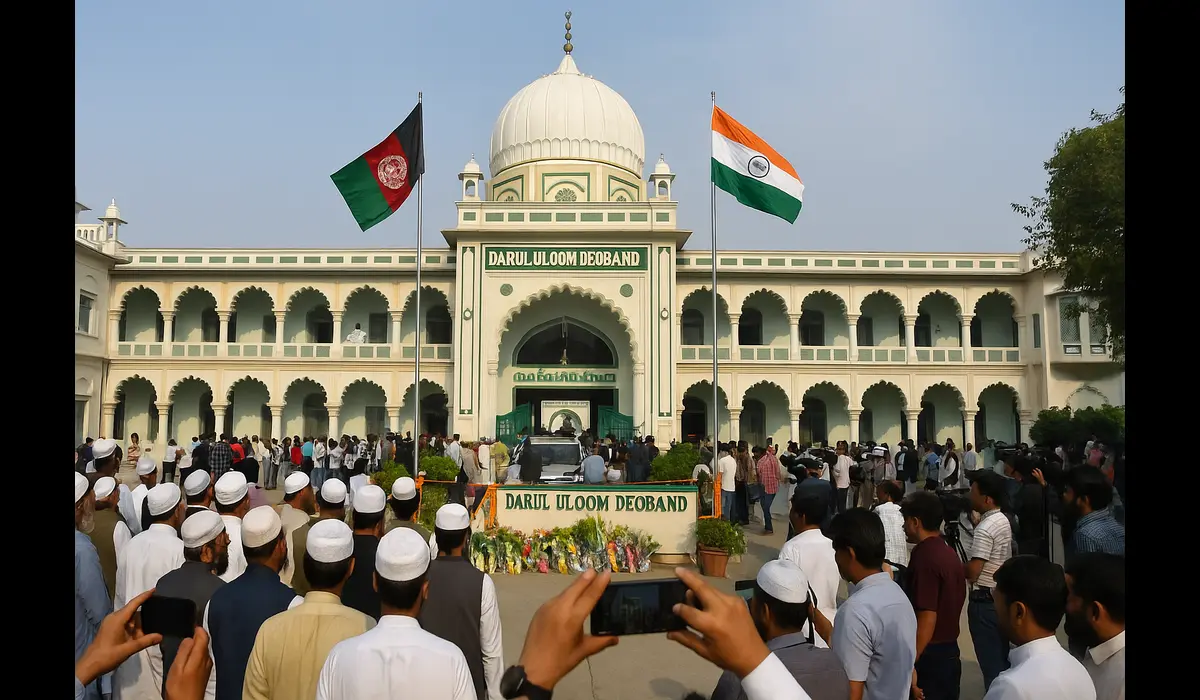
According to official sources, the Taliban Foreign Minister visit to Deoband UP began early this week under tight security arrangements. The visit included:
- Venue: Darul Uloom Deoband, Saharanpur, Uttar Pradesh
- Delegation: Senior officials from the Afghan Foreign Ministry and security aides
- Objective: Strengthen religious, educational, and cultural ties between the two nations
- Duration: One-day engagement followed by private diplomatic meetings in Delhi
While Indian officials maintained diplomatic discretion, the visit was reportedly facilitated through informal communication channels.
Key Highlights of the Visit
- Cultural Diplomacy: The visit emphasized cultural dialogue rather than political negotiation.
- Academic Exchange: Discussion centered around student mobility, language education, and shared heritage.
- Regional Stability Talks: Broader implications for South Asian peace and cooperation were briefly discussed.
- Symbolism: Deoband’s historical influence on Afghan scholars made the location significant.
Why the Visit Matters
The Taliban Foreign Minister visit to Deoband UP holds deeper significance beyond symbolic gestures. Analysts believe it reflects three major trends shaping South Asian diplomacy in 2025.
1. Reopening Diplomatic Channels
This visit marks the Taliban’s first high-level cultural contact in India since its return to power in 2021. It signals cautious outreach after years of diplomatic isolation.
2. Religious and Cultural Engagement
The Taliban Foreign Minister Deoband suggests an effort to reconnect with India’s Islamic institutions, known for theological moderation and scholarship — a contrast to the extremist image Afghanistan has battled internationally.
3. India’s Strategic Diplomacy
For India, this visit presents both opportunity and challenge. While New Delhi has not officially recognized the Taliban regime, maintaining limited engagement helps secure humanitarian and regional security interests.
Statements from Officials and Scholars
Sources close to the event report that Amir Khan Muttaqi met with senior faculty members at Darul Uloom Deoband, discussing shared Islamic scholarship and the importance of education in bridging global divisions.
A senior seminary scholar reportedly said, “Dialogue rooted in education is always welcome, provided it promotes peace and learning.”
No joint declaration was issued, aligning with India’s cautious diplomatic tone.
Expert Opinions
Political experts and South Asia analysts have offered mixed views on the Taliban Foreign Minister visit to Deoband UP:
- Positive Outlook: Some scholars interpret it as a step toward cultural diplomacy, an essential component of modern statecraft.
- Critical Perspective: Others caution against reading too much into symbolic gestures, arguing that Afghanistan’s internal human rights record remains under scrutiny.
- Neutral Assessment: Most analysts agree that the visit helps maintain open channels without implying formal recognition.
Reactions in India and Afghanistan
Indian Public Response
Social media and political circles reacted with curiosity and caution. While some saw it as a diplomatic milestone, others criticized the timing, questioning the Taliban’s motives.
Afghan Domestic View
In Afghanistan, the visit was portrayed as part of the government’s “regional reintegration” strategy — seeking recognition through peaceful and cultural outreach rather than direct politics.
Religious Community Reaction
Clerics and scholars in India’s theological circles welcomed dialogue but reiterated that Darul Uloom Deoband’s engagement should remain purely educational and apolitical.
What Happens Next
The Taliban Foreign Minister visit to Deoband UP may pave the way for:
- Cultural Exchange Programs: Possible student and research collaborations in Islamic studies.
- Humanitarian Dialogues: Talks on regional education and health initiatives.
- Track-II Diplomacy: Informal exchanges that may reduce mistrust between India and Afghanistan.
However, experts warn that long-term diplomatic relations depend on Afghanistan’s internal governance and India’s strategic calculus.

$750 Cash App Gift Card
Some users qualify for a $750 Cash App gift card. You can check if you qualify.
FAQs
Q1. Who visited Deoband from the Taliban?
Afghanistan’s acting Foreign Minister, Amir Khan Muttaqi, led the delegation.
Q2. What was the purpose of the visit?
To engage with religious scholars and strengthen cultural and educational ties.
Q3. Did India officially host the visit?
The visit occurred with logistical support and diplomatic coordination but without formal recognition.
Q4. How did Darul Uloom Deoband respond?
The seminary welcomed the discussion as an educational dialogue, maintaining a neutral stance on political matters.
Key Takeaways
- The Taliban Foreign Minister visit to Deoband UP highlights a new phase of cultural diplomacy in South Asia.
- The focus remained on education, heritage, and mutual understanding.
- India maintained a neutral but observant stance throughout.
- The event reflects both the potential and the complexity of India–Afghanistan relations.
Conclusion
The Taliban Foreign Minister visit to Deoband UP news marks a pivotal moment in regional diplomacy. While it doesn’t alter official policies, it reinforces the power of dialogue and soft engagement in modern international relations.
As South Asia continues to navigate evolving geopolitical realities, the visit stands as a reminder that even historical institutions can become venues for meaningful diplomatic conversations.