Will the Supreme Court’s Delhi Riots Bail Verdict Change Everything for Umar Khalid and Sharjeel Imam?
Will the Supreme Court’s Delhi riots bail verdict shift the trajectory for Umar Khalid and Sharjeel Imam is the question drawing national attention. This analysis explains the arguments, the stakes, and how the outcome could reshape the wider case.

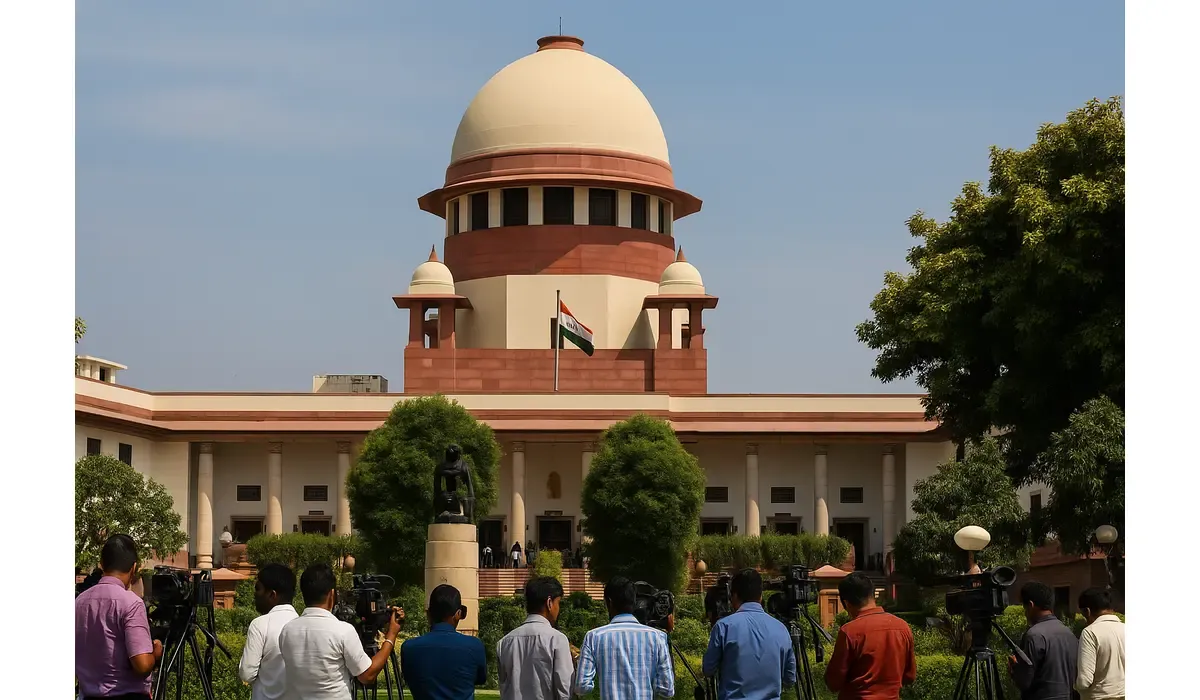
The Supreme Court hearing on Delhi riots bail pleas could become one of the most defining judicial moments of the decade. After years of legal back-and-forth, the apex court is finally set to deliver its order on whether Umar Khalid and Sharjeel Imam—two of the most prominent names in the 2020 Delhi riots case—will walk free or remain behind bars.
- Supreme Court reserves verdict on bail pleas of Umar Khalid and Sharjeel Imam.
- The hearing reopens the debate on UAPA bail standards and due process.
- Legal experts say this decision could reshape India’s anti-terror jurisprudence.
What Is the Supreme Court Hearing on Delhi Riots Bail Pleas?
The Supreme Court hearing on Delhi riots bail pleas refers to the ongoing proceedings examining bail requests by activists and scholars Umar Khalid and Sharjeel Imam, who were charged under the Unlawful Activities (Prevention) Act (UAPA) for alleged involvement in the 2020 Delhi riots conspiracy.
The petitions challenge prolonged incarceration and question whether the charges meet the stringent legal threshold for “terrorist activity” under the UAPA.

$750 Cash App Gift Card
Not everyone qualifies for this $750 Cash App gift card. Checking only takes a moment. You can check if you’re eligible.
Latest Update: What Happened in Court
In its most recent session, the Supreme Court bench of Justices Aravind Kumar and N.V. Anjaria heard final arguments from both sides.
- The defence argued that the accused have spent years in jail without trial and that there’s no direct evidence linking them to any violent act.
- The prosecution maintained that the accused “incited unrest” through orchestrated protests, making them part of a “larger conspiracy.”
- The court expressed concern over procedural delays and reprimanded Delhi Police for its slow responses and incomplete submissions.
The final order on the bail pleas is expected soon, and its outcome could carry far-reaching implications for how India interprets the UAPA in protest-related cases.
Key Details and Timeline
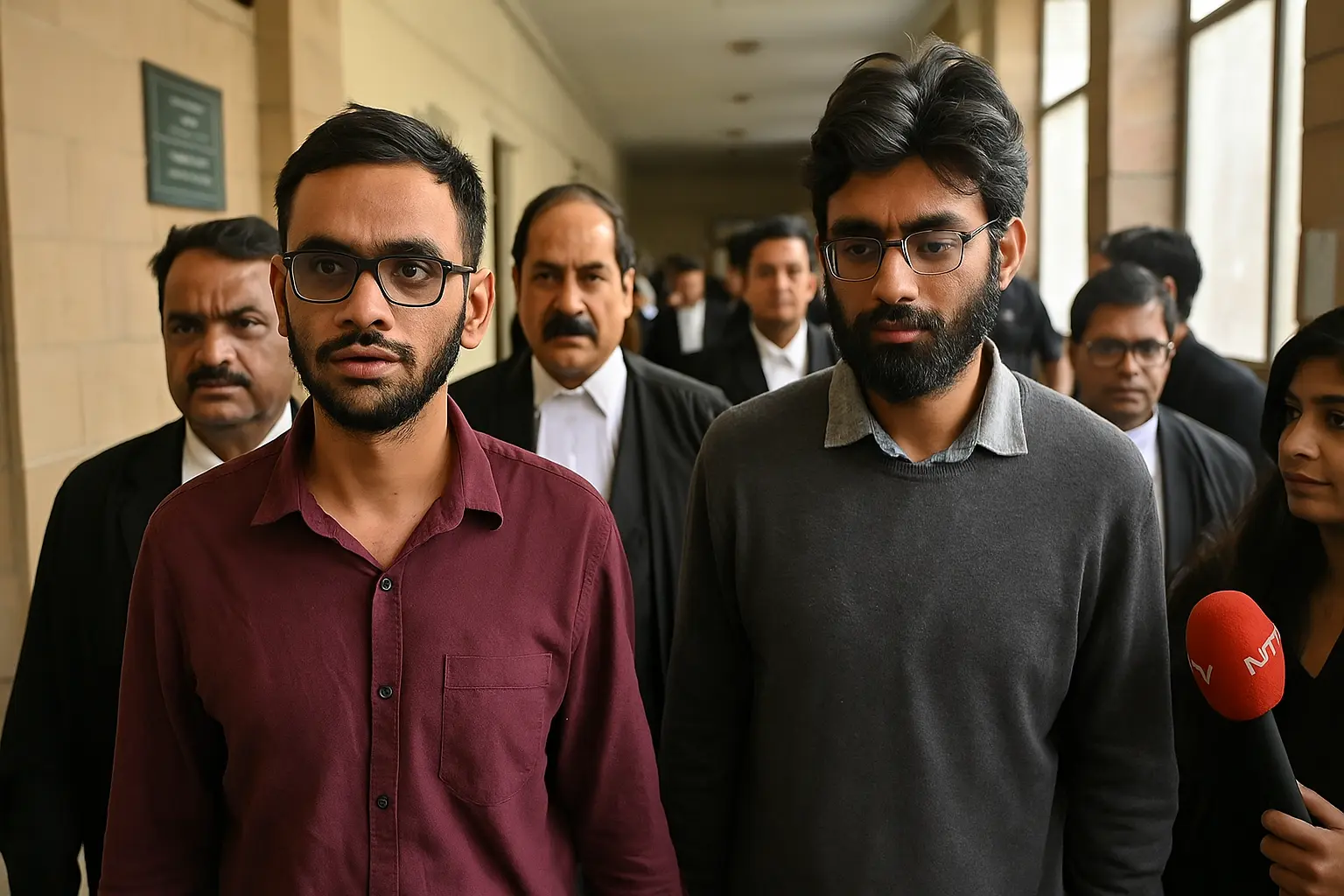
1. The Case Background
The 2020 Delhi riots erupted amid anti-CAA demonstrations, leading to over 50 deaths and widespread property damage. Police allege that Khalid, Imam, and others conspired to provoke the violence using speeches and social media networks.
2. The Legal Journey
- 2020: Arrests made under the UAPA.
- 2022: Delhi High Court denies bail, citing prima facie evidence of conspiracy.
- 2023–2025: Supreme Court hearings delayed multiple times due to procedural lapses.
- 2025: Final hearing concludes; verdict awaited.
3. Why This Matters Now
This case has become the litmus test for freedom of speech vs. national security, especially in a post-CAA protest environment.
Why It Matters: More Than Just Two Bail Orders
The Supreme Court hearing on Delhi riots bail pleas is about more than the fate of two individuals—it’s about the scope of dissent in a democracy.
If the Supreme Court grants bail, it could:
- Reinforce that protest is not terrorism.
- Curb the overuse of anti-terror laws against activists.
- Restore confidence in judicial timelines for under-trial prisoners.
If bail is denied, it could:
- Strengthen the state’s authority to use UAPA in politically sensitive cases.
- Raise fresh concerns over prolonged detention without trial.
For ordinary citizens, the judgment represents a mirror to India’s democratic ethos—how far can the right to dissent go before it’s considered a threat?
Expert Opinion: What Legal Scholars Say
Dr. Meera Nair, Constitutional Law Professor, National Law University:
“This case is critical because it examines whether dissent can be equated with conspiracy. The court’s decision will likely set the tone for future interpretations of the UAPA.”
Advocate Rohan Tiwari, Supreme Court Practitioner:
“Umar Khalid’s bail hearing has dragged on for years. If the court denies bail despite no direct act of violence, it risks normalising indefinite pre-trial detention.”
Senior Journalist Neha Menon, Legal Affairs Analyst:
“This verdict will influence how courts treat activists and academics accused in protest-linked cases. It’s a test of judicial independence under intense political scrutiny.”
Their insights underline that the Supreme Court hearing on Delhi riots bail pleas is not just procedural—it’s symbolic of India’s evolving balance between civil rights and state power.
Legal Implications: Setting a Precedent for UAPA Cases
1. Bail Standards Under UAPA
UAPA makes bail nearly impossible unless the court finds no prima facie case. The upcoming verdict could redefine how courts interpret this clause, especially when trials are delayed.
2. Freedom of Expression
This case may clarify whether speech-based offences can qualify as acts of terrorism when not directly linked to violence.
3. Judicial Accountability
With growing criticism of “justice delayed”, the Supreme Court’s stance will indicate whether it prioritises individual liberty or prosecutorial caution.
Impact on Future Cases
The verdict will not only affect Khalid and Imam but also other accused individuals in similar UAPA cases, such as student leaders and journalists.
It may influence:
- Police investigations — forcing greater evidence-based charges.
- Trial courts — re-evaluating how long detention can continue without trial.
- Public discourse — reigniting debates on sedition, dissent, and democracy.
Practical Takeaways for Readers
- Legal watchers: The verdict could reshape the future of UAPA enforcement.
- Civil rights advocates: Use this case as a benchmark for arguing bail in similar matters.
- Citizens: Understand that constitutional rights and state security laws are often in tension—this case sits right at that fault line.
- Students of law: Study this as a modern example of jurisprudence under Article 21 (Right to Life and Liberty).

$500 PayPal Gift Card
A $500 PayPal Gift card may be available to select users. Checking eligibility is quick. You can check if you’re one of them.
FAQs
Q1: What is the “Supreme Court hearing on Delhi riots bail pleas”?
It refers to the apex court’s ongoing examination of bail petitions filed by Umar Khalid and Sharjeel Imam in the 2020 Delhi riots conspiracy case.
Q2: Why are they charged under UAPA?
They are accused of orchestrating protests and speeches that allegedly incited riots, a claim they deny.
Q3: When will the verdict be delivered?
They are accused of orchestrating protests and speeches that allegedly incited riots, a claim they deny.
Q4: Why is this case considered historic?
It challenges the interpretation of UAPA in protest-related cases and redefines the boundaries between dissent and crime.
Key Takeaways
- The Supreme Court hearing on Delhi riots bail pleas could set a major precedent for how UAPA cases are handled.
- The verdict will balance liberty and law enforcement, shaping India’s democracy.
- Expert consensus suggests the court’s reasoning will be studied for decades in constitutional law circles.
Conclusion
The Supreme Court hearing on Delhi riots bail pleas is more than a case—it’s a crossroads for India’s democracy. The judgment will determine whether justice delayed becomes justice denied, or if the court can restore faith in the principle that every accused deserves a fair, timely trial.