5 Powerful Lessons from Air India’s Maharaja Mascot — How India’s Most Loved Icon Survived Modern Turbulence
See how the Air India Maharaja mascot endured decades of change with charm, strategy, and cultural relevance. This concise teaser highlights five powerful lessons that explain how India’s most iconic figure survived modern turbulence.

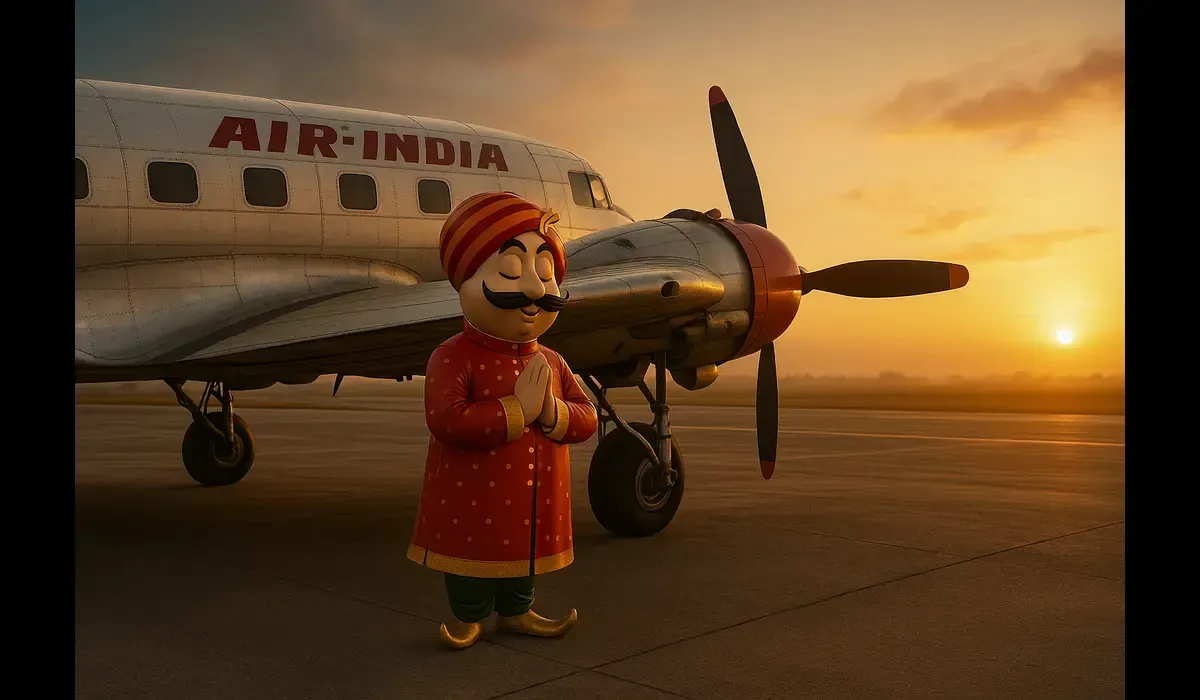
The Air India Maharaja mascot is more than just a logo — it’s a cultural icon that has represented Indian hospitality, elegance, and charm for over seven decades. First sketched in 1946, this bowing turbaned figure has witnessed India’s aviation evolution — from propeller planes to Dreamliners — and continues to be a global symbol of traditional luxury and warmth.
Unlike modern corporate mascots designed for minimalism, the Maharaja embodies storytelling, personality, and humor — values that have helped Air India stand out on the world stage.
- The Air India Maharaja mascot was created in 1946 by designer Bobby Kooka and artist Umesh Rao.
- It represents Indian royalty, charm, and customer service excellence.
- Despite modernization and rebranding, the Maharaja remains central to Air India’s legacy.
What Is the Air India Maharaja Mascot?
The Air India Maharaja mascot is the airline’s symbolic ambassador — a cartoonish yet elegant royal figure with a curled moustache, turban, and a bowing gesture. Designed originally to humanize Air India’s brand, the Maharaja reflected a blend of humor and hospitality that resonated with both Indian and international travelers.
A Royal Identity with a Modern Purpose
In the post-independence era, India needed symbols of pride and sophistication. Air India, as the national carrier, used the Maharaja to project Indian warmth and luxury — combining regal grace with friendly humility.
Today, even after multiple ownership changes, the Maharaja endures as a bridge between Air India’s glorious past and its reimagined future under the Tata Group.
Why the Air India Maharaja Mascot Matters
The Maharaja mascot is one of the most enduring brand identities in global aviation — akin to Ronald McDonald or the Michelin Man. Its importance extends beyond marketing; it represents:
- Brand Heritage: The Maharaja embodies Air India’s rich history and cultural identity.
- Emotional Connection: Generations of travelers associate it with nostalgia and trust.
- Tourism Symbolism: The mascot helped shape India’s global image in the 1950s–70s as a land of royal hospitality.
- Cultural Continuity: Amid global branding trends, the Maharaja remains distinctly Indian.
Who Created the Air India Maharaja Mascot?
The Visionary Duo: Bobby Kooka and Umesh Rao
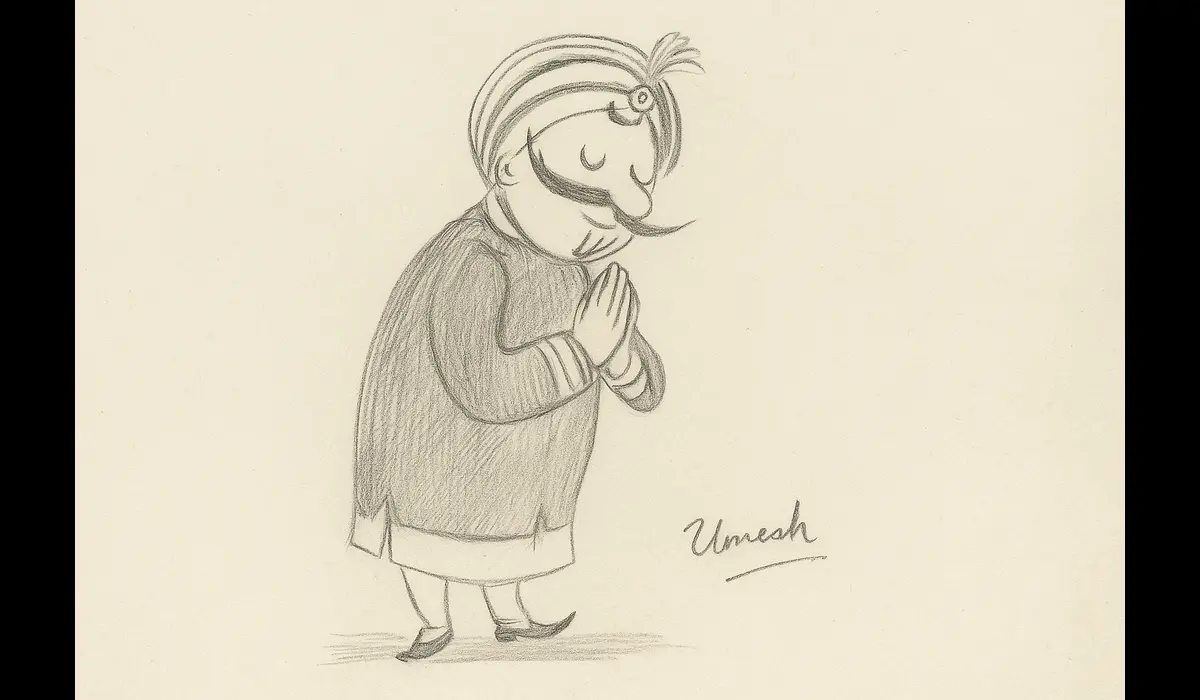
The Air India Maharaja was born in 1946, conceived by Bobby Kooka, then Commercial Director of Air India, and brought to life by Umesh Rao, an artist from J. Walter Thompson (JWT).
Their goal was simple yet visionary: to create a mascot that could make Air India more relatable and memorable in international markets.
Kooka infused wit and humor into Air India’s advertising, portraying the Maharaja in countless roles — from a Parisian lover to a skiing enthusiast — giving the brand both personality and global charm.
How Did the Air India Maharaja Mascot Evolve Over the Years?
1940s–1960s: The Golden Era
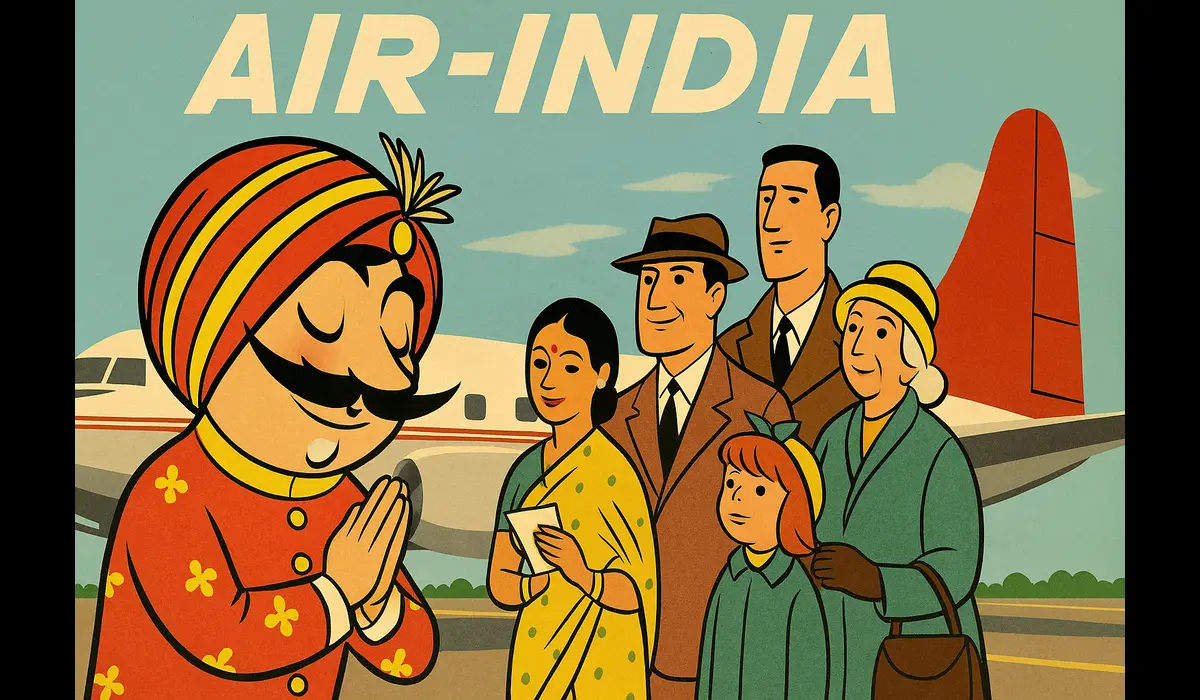
The Maharaja became the face of Indian aviation — gracing posters, menus, and souvenirs. He symbolized luxury travel aboard Air India’s iconic “Palace in the Sky.”
1970s–1990s: The Cultural Ambassador
During India’s international expansion, the mascot appeared in humorous, relatable contexts — a witty traveler with a royal heart.
2000s–2010s: Facing Modernization
With competition rising, Air India attempted a visual refresh, briefly toning down the Maharaja’s presence. However, public sentiment and nostalgia led to his revival.
2020s–Present: Revival Under Tata Group
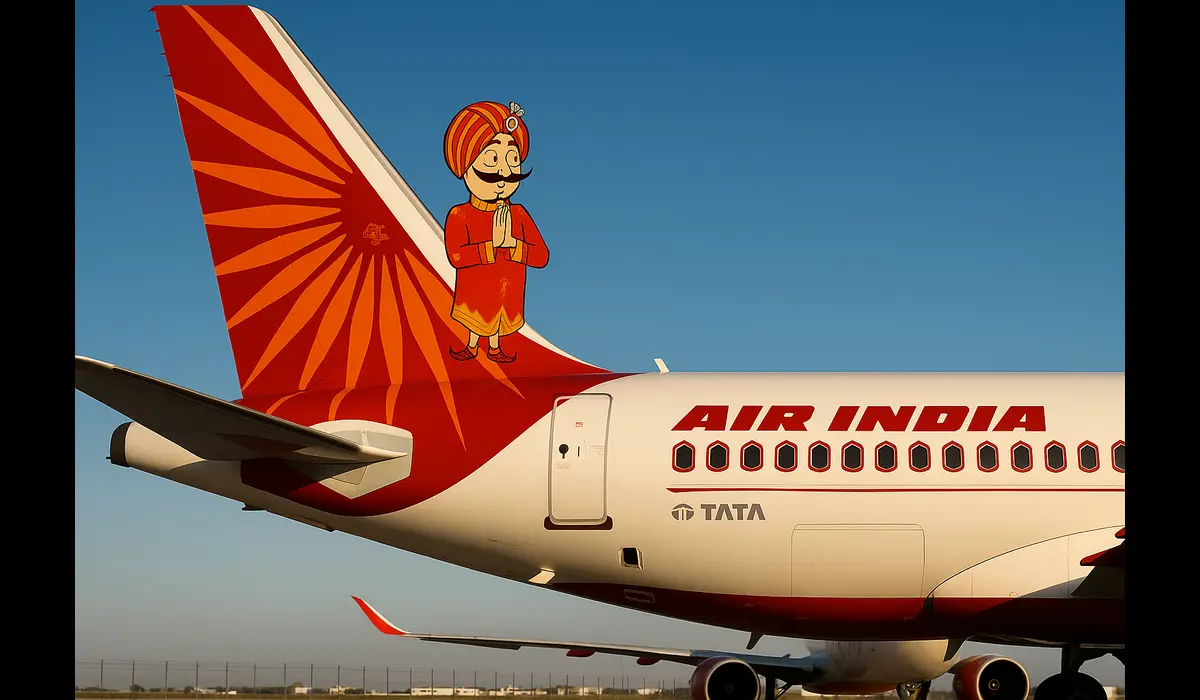
Post-2022, the Maharaja was reintroduced as a “modern royal,” blending vintage aesthetics with digital sophistication. His updated look appears across aircraft liveries, lounges, and digital media.
How Does the Air India Maharaja Reflect Indian Culture?
The mascot encapsulates the Atithi Devo Bhava (Guest is God) philosophy — portraying India’s commitment to hospitality.
From his folded hands to his gentle smile, every element of the design signifies:
- Grace: Symbolizing respect and humility.
- Tradition: Reflecting India’s regal past.
- Warmth: Inviting travelers with open-hearted service.
In an industry often perceived as transactional, the Maharaja humanized Air India — making travel feel personal.
The Marketing Magic of the Air India Maharaja
Humor and Storytelling
The Maharaja’s charm lay in his versatility — he appeared as a musician, golfer, or monk, depending on the destination.
Global Appeal
Air India’s witty print ads featuring the Maharaja were acclaimed internationally for their creativity.
Timeless Visual Identity
Even as modern airlines adopted minimalist logos, Air India retained a mascot with emotional depth — a rarity in aviation branding.
Case Study: The Maharaja’s Role in Air India’s Rebranding (2022–2025)
With the Tata Group reclaiming Air India, a new identity was unveiled — modern, sleek, and digital-first. Yet, the Maharaja was preserved as the brand’s cultural anchor.
Expert Insight:
Brand strategist Harish Bijoor notes, “The Maharaja is not just nostalgia — it’s an intangible brand asset. Retaining it while modernizing the airline reflects brand maturity.”
The Maharaja now appears in subtle, stylized ways — embossed on menus, crew uniforms, and premium lounges — preserving legacy while embracing innovation.
Common Misconceptions About the Air India Maharaja
- He Represents Royalty Alone:
The Maharaja is not a symbol of privilege but of Indian hospitality. - He’s Outdated:
Modern iterations have reimagined him with contemporary elegance. - He’s Only for Marketing:
The mascot influences Air India’s service ethos — from greetings to in-flight experience.
Future of the Air India Maharaja Mascot
As Air India repositions itself globally, the Maharaja is evolving for the digital age — appearing in animation, 3D modeling, and AI-driven personalization.
Predicted trends include:
- AR/VR Experiences: Interactive storytelling featuring the Maharaja as a virtual host.
- Sustainability Messaging: The mascot symbolizing eco-conscious aviation.
- Merchandising Expansion: Limited-edition collectibles for loyal customers.
FAQs About Air India’s Maharaja Mascot
Q1. When was the Air India Maharaja mascot created?
It was created in 1946 by Bobby Kooka and Umesh Rao.
Q2. What does the Air India Maharaja represent?
It represents Indian hospitality, humor, and royal service excellence.
Q3. Has Air India changed the Maharaja design?
Yes, it’s been modernized over time but retains its core identity.
Q4. Why is the Maharaja important to Air India’s brand?
It connects Air India’s rich history to its modern rebranding journey.
Q5. Is the Maharaja still used today?
Yes. The Tata Group reaffirmed the mascot’s place in Air India’s brand identity.
Key Takeaways
- The Air India Maharaja mascot is one of the world’s oldest airline brand icons.
- Conceived in 1946, it symbolizes India’s royal warmth and humor.
- Despite modernization, it remains central to Air India’s identity.
- The mascot bridges tradition and transformation under the Tata Group.
- The Maharaja continues to inspire emotional loyalty among travelers.
Conclusion: The Timeless Reign of Air India’s Maharaja
The Air India Maharaja mascot stands as a testament to the power of storytelling in branding. From the golden age of aviation to the digital skies of 2025, this regal yet humble figure remains Air India’s most enduring ambassador.