Steps by Nara Lokesh to build quantum hub
Discover how the quantum hub initiative led by Nara Lokesh aims to position Andhra Pradesh at the forefront of advanced technology. This analysis outlines the strategic steps driving innovation, investment, and long-term ecosystem growth.

Introduction
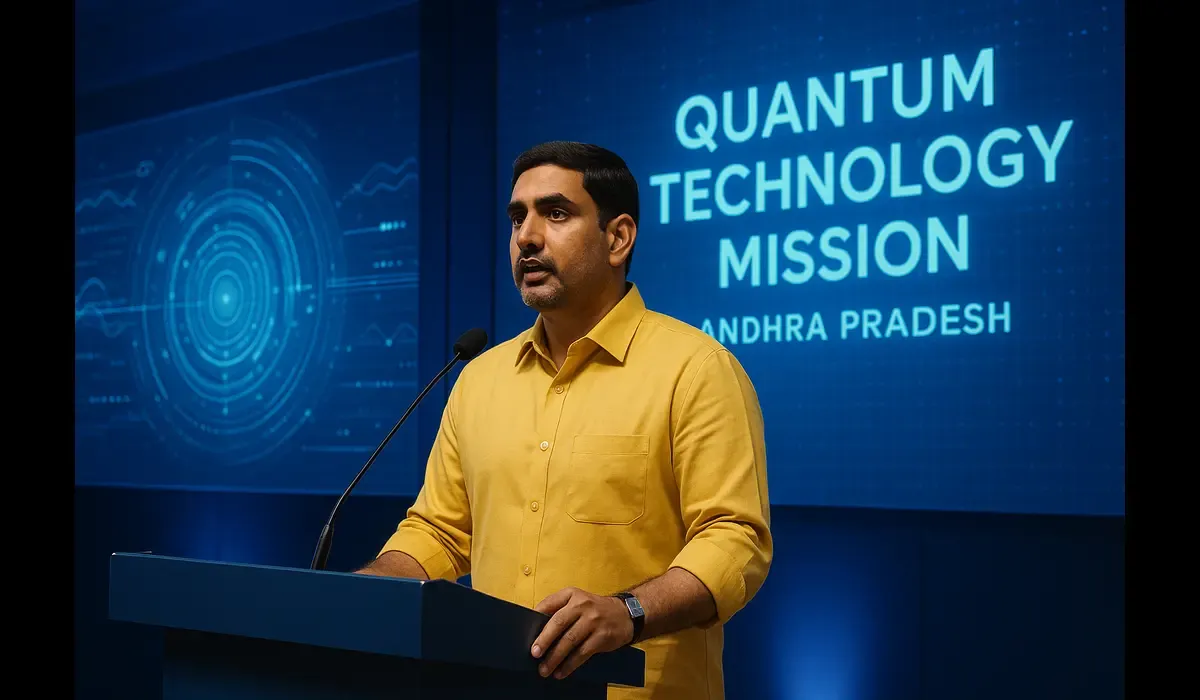
Steps by Nara Lokesh to build India’s quantum technology hub are becoming a focal point in national tech discourse. As Andhra Pradesh aims to lead quantum innovation, his blueprint holds weight in shaping the future.
In this article, we explore how Lokesh is executing that vision — from strategic policies to infrastructure and partnerships — and what it means for India’s quantum ambitions.

$500 PayPal Gift Card
A $500 PayPal gift card may be available to select users. Checking eligibility is quick. You can check if you’re one of them.
What Does “Quantum Technology Hub” Mean?
A quantum technology hub refers to a geographic ecosystem combining research labs, quantum hardware, startups, education centers, and supporting infrastructure to foster innovation in quantum computing, sensing, and communication.
In India, such a hub would align with the National Quantum Mission (NQM), which allocates ₹6,000+ crore to develop quantum research and applications from 2023 to 2030–31.
Lokesh’s actions aim to localize that national ambition in Andhra Pradesh, particularly in Amaravati.
Key Moves: Latest Updates from Lokesh’s Quantum Visio
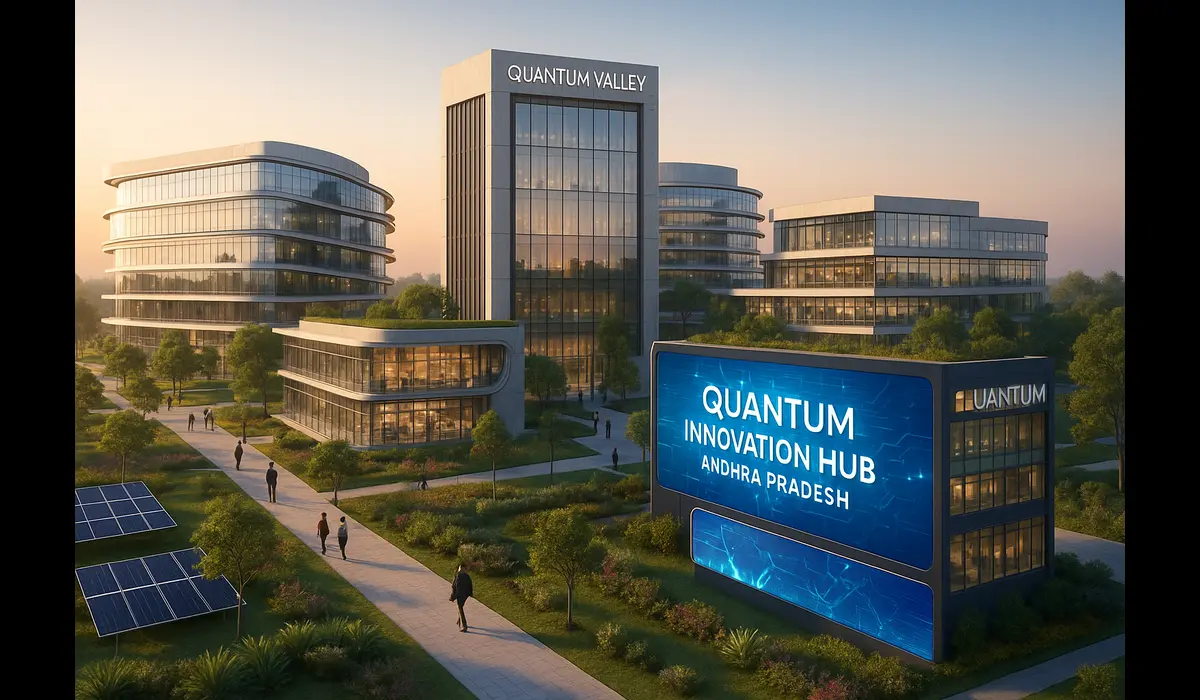
Launching “Quantum Valley” in Amaravati
In 2025, Lokesh revealed plans for South Asia’s first “Quantum Valley” in Amaravati. This involves:
- A dedicated quantum computing centre
- Research parks, startup incubators, and innovation infrastructure
- Timeline to go live by January 2026 with a 158-qubit quantum computer as a showpiece
Google Data Centre Pact & AI Infrastructure
Lokesh is also embedding quantum ambition within a larger digital infrastructure push. Andhra Pradesh will host a 1 GW hyperscale data centre campus in Vizag, in partnership with Google, helping to anchor AI workloads and backend support.
This dual focus—classical data infrastructure plus quantum—strengthens the broader ecosystem.
Tying into National Quantum Mission
Lokesh is leveraging central support under the National Quantum Mission (NQM). Andhra Pradesh will aim to access NQM funds to build quantum hubs, research centres, and infrastructure.
By aligning state projects with national policy, Lokesh increases legitimacy and resource access.
Detailed Steps & Components in the Blueprint
Infrastructure & Physical Assets
- Quantum Computing Centre: Core facility hosting quantum hardware and testbeds. Amaravati’s Quantum Valley will anchor this.
- Research Parks & Incubators: Zones to house startups, R&D firms, chip fabrication units.
- Power & Cooling Infrastructure: Quantum systems require ultra-stable electricity, cryogenics, and cooling systems.
- Connectivity Backbone: High-bandwidth fiber, low-latency networks, and data links to national and international nodes.
Talent & Education
Lokesh plans to integrate new degree and training programs in collaboration with IITs, IIITs, and foreign universities, to build deep-tech human capital.
Outreach, scholarships, and bootcamps may nurture the next generation of quantum engineers.
Partnerships & Alliances
- Public-private partnerships (Google, global quantum firms) to bring hardware, software, and funding.
- Collaboration with central agencies and other states working on quantum.
- Engaging multinational and Indian quantum startups to set up labs within Quantum Valley.
Demonstration Projects
Building a 158-qubit quantum computer in Amaravati as a flagship project is meant to signal ambition and capability.
Those demonstration platforms enable early experiments in cryptography, sensing, simulation, etc.
Funding & Governance
- A dedicated Quantum Innovation Fund may underwrite startups, research grants, and capital projects.
- Governance structure combining state, academia, and private entities ensures oversight, IP protection, and commercial scale.
Phased Deployment
Lokesh envisions a multi-phase rollout:
- Core quantum centre and demo machine
- Spin-off startups and incubators
- Scaling hardware manufacturing, materials, and global tie-ins
The approach is gradual to manage risk and validate each stage before expansion.
Why This Matters: Impact on India & Andhra Pradesh
National Tech Leadership
If successful, Andhra Pradesh could lead India’s quantum ambitions—moving from theory to practical systems. Lokesh’s steps could position India more credibly in global quantum competition.
Economic & Job Growth
Quantum R&D and manufacturing could generate high-value jobs, especially for engineers, scientists, and tech entrepreneurs in Andhra Pradesh.
Downstream Technologies
Quantum advances will impact cryptography, optimization, materials science, simulation, and beyond. A local hub accelerates downstream industrial innovation.
Balanced Growth Strategy
Lokesh’s approach links quantum infrastructure with broader digital investments—AI data centres, tech campuses, and state development across regions. This reduces the risk that quantum becomes an isolated “ivory tower” asset.
What Readers Should Do / Watch For
- Track announcements of procurement, vendor selection, and founding partners within the Quantum Valley.
- Monitor talent programs and academic partnerships—whether universities in AP roll out new quantum courses.
- Evaluate funding rounds in AP-based quantum startups—are they attracting serious capital?
- Watch hardware milestones—whether the 158-qubit quantum computer comes online as pledged.
If you follow India’s tech policy, keep an eye on Andhra Pradesh as a potential quantum frontier.

$750 Amazon Gift Card
Not everyone qualifies for this $750 Amazon gift card. Checking only takes a moment. You can check if you’re eligible.
FAQs
Q: What are the “steps by Nara Lokesh to build India’s quantum technology hub”?
This refers to Lokesh’s articulated blueprint: infrastructure investment, partnerships, talent programs, flagship quantum hardware, and alignment with national policy.
Q: Will Quantum Valley in Andhra Pradesh become India’s top quantum centre?
It has strong potential. With first-mover advantage, state backing, and central alignment, it could lead in quantum development, though competition from other states exists.
Q: What is the National Quantum Mission’s role?
The NQM is the central government’s ₹6,000 crore program to support quantum tech from 2023 to 2030–31. Lokesh is ensuring state projects align with NQM to secure funding.
Q: When will the quantum hub start delivering?
Lokesh has targeted January 2026 for initial operations of the 158-qubit computer in Amaravati.
Conclusion
The steps by Nara Lokesh to build India’s quantum technology hub mark a bold effort to drive India’s next wave of deep-tech growth. Through infrastructure, talent, partnerships, and flagship quantum hardware, he is constructing more than a lab—he’s aiming for a full-fledged ecosystem. The coming years will test whether vision translates to capability.