Starlink Satellites Explained Simply: Purpose, Movement, and Impact
Starlink satellites are part of a low Earth orbit network that delivers internet without ground cables or towers. This article explains what they are, why they appear in lines, how they move, and how they improve connectivity in remote and underserved areas.


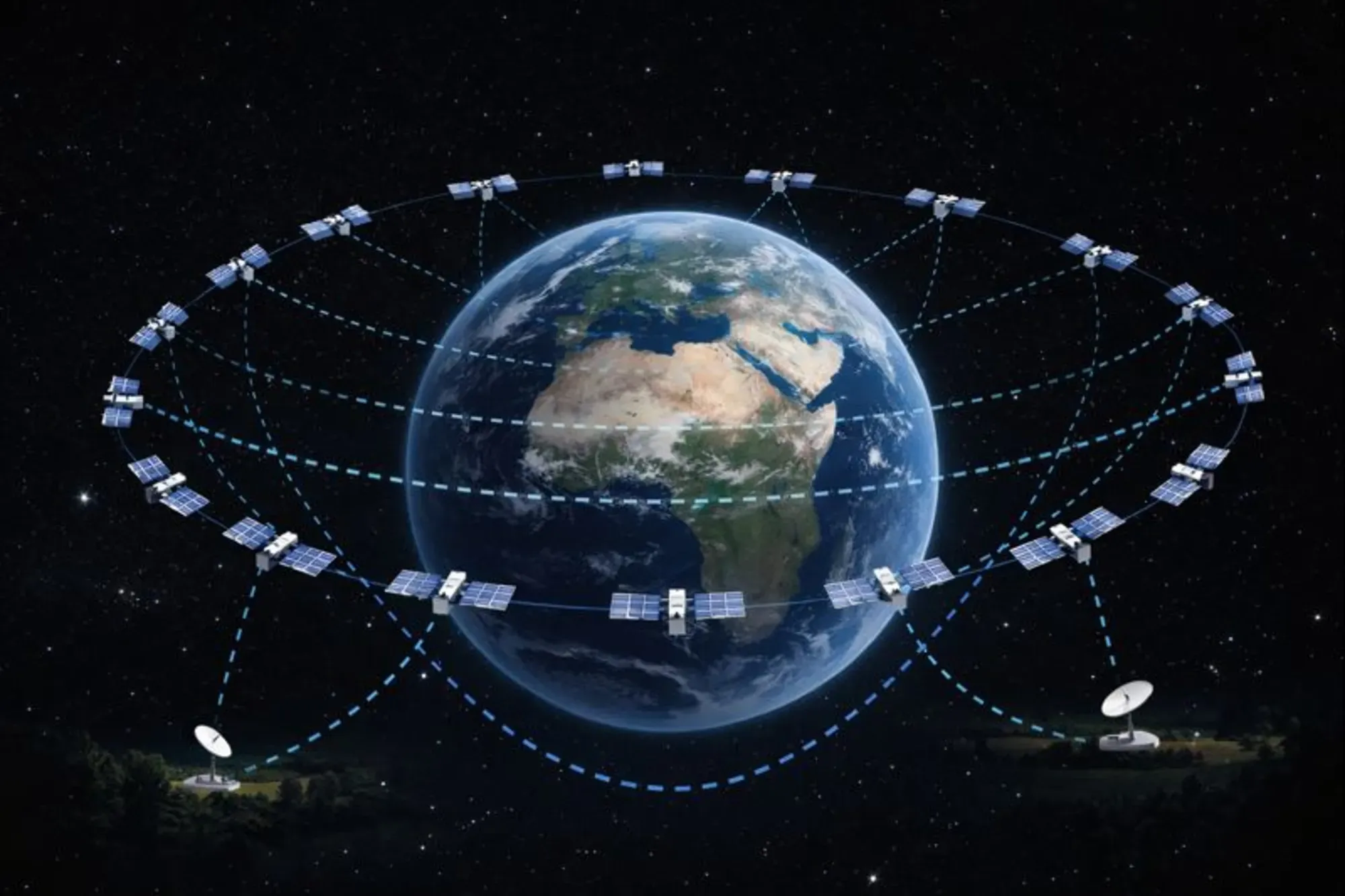
Starlink is a large satellite constellation designed to deliver internet access from space to locations around the world. It is operated by Starlink Services, LLC, a subsidiary of SpaceX, the American aerospace manufacturer behind reusable rocket technology. Starlink satellites orbit much closer to Earth — in low Earth orbit (LEO) — compared with traditional geostationary satellites. This proximity reduces signal delay (latency) and, combined with a dense network of satellites plus ground stations, supports robust data transmission for modern internet use. A constellation is a group of satellites working as a coordinated system to provide continuous coverage over the planet, ensuring that at any given time, multiple satellites are visible from any point on Earth.
What Is the Significance of This
Connectivity needs have shifted dramatically in recent years, with increased reliance on remote work, digital services, video communication, and cloud-based applications. Traditional broadband systems — which depend on ground cables and infrastructure — struggle in remote, rural, or economically disadvantaged regions.
Starlink matters now because it:
- Bypasses terrestrial infrastructure: Satellites deliver signals directly to users without relying on fiber or cable.
- Offers low latency broadband: LEO placement results in significantly lower signal delay than older satellite systems. Typical Starlink latency is around 20–40 milliseconds, much lower than gigabyte-range latencies seen in geostationary satellite internet.
- Expands access globally: With thousands of satellites deployed, Starlink provides internet where traditional options are limited or unavailable.
What it does not solve or replace:
- Does not match the speed or stability of fiber where fiber exists.
- Performance can vary with weather, terrain, and network congestion.
- Equipment and service costs are higher than some terrestrial options.
Key Points About Starlink Satellites
How many Starlink satellites are there now?
- As of December 19, 2025, the constellation includes about 9,357 satellites in orbit, with 9,347 working — tracked by independent astronomer Jonathan McDowell and recorded in real satellite tracking data.
- Crowd-sourced tracking (KeepTrack.space) shows 10,727 satellites launched, with 9,305 currently in orbit and 9,357 working as of mid-December 2025.
- SpaceX routinely launches multiple satellites per mission (typically 27–60 per Falcon 9 flight), and by early January 4, 2026, an additional 29 Starlink satellites were deployed.
These figures mean that just under ten thousand Starlink satellites were operational in orbit at the end of 2025 — a reliable snapshot from tracking data, not an approximate or ranged estimate.
When can you see the Starlink satellites?
Starlink satellites are most visible:
- Shortly after sunset or before sunrise
- Within days of launch, before they reach operational altitude
During this period, satellites reflect sunlight while the ground is dark, making them clearly visible to the naked eye.
Clear takeaway: Visibility is temporary and linked to launch timing and orbital adjustment, not everyday operation.
NEW 🇮🇷 — Starlink satellites over Iran pic.twitter.com/FWBu0Yu4kA
— UK Report (@UK_REPT) January 6, 2026
Why are Starlink satellites seen in a line?
After launch, satellites are released together and initially travel along the same orbital path.
Before spreading out, they form a straight “train” in the night sky.
Each satellite later uses onboard propulsion to move into its assigned position.
This alignment phase is normal and short-lived.
Clear takeaway: The line formation is part of deployment, not a permanent configuration.
What is the purpose of Starlink satellites?
Each Starlink satellite functions as a moving data relay:
- User terminals send signals upward to the nearest satellite
- Data is routed either to a ground station or via laser inter-satellite links
- Information then reaches the global internet backbone
Because satellites orbit at roughly 550 km altitude, round-trip signal delay is far lower than traditional geostationary satellites.
Measured performance data:
- Typical latency: 20–40 milliseconds
- Typical download speeds (real-world): 50–200 Mbps, depending on region and load
Clear takeaway: Starlink is engineered to deliver usable broadband, not just basic connectivity.
Comparisons / Alternatives
This comparison shows that Starlink fills coverage gaps rather than replacing all internet technologies.
| Technology | Orbital / Physical Distance | Typical Latency |
|---|---|---|
| Fiber broadband | Ground-based | <10 ms |
| Mobile 4G/5G | Ground-based towers | 20–50 ms |
| GEO satellite internet | ~35,786 km | 500–700 ms |
| Starlink (LEO) | ~550 km | 20–40 ms |
This comparison shows why Starlink behaves more like terrestrial broadband than traditional satellite internet.
Future Trends / Predictions
Based on filings and launch behavior:
SpaceX is approved to deploy up to 12,000 satellites, with applications for more
Newer satellites include laser cross-links to reduce dependence on ground stations
Orbital altitudes are being adjusted slightly lower to improve safety and reduce debris risk
The long-term direction is a denser, more efficient constellation rather than simply adding coverage.
Real-World Scenarios or Examples
Remote Connectivity Scenario
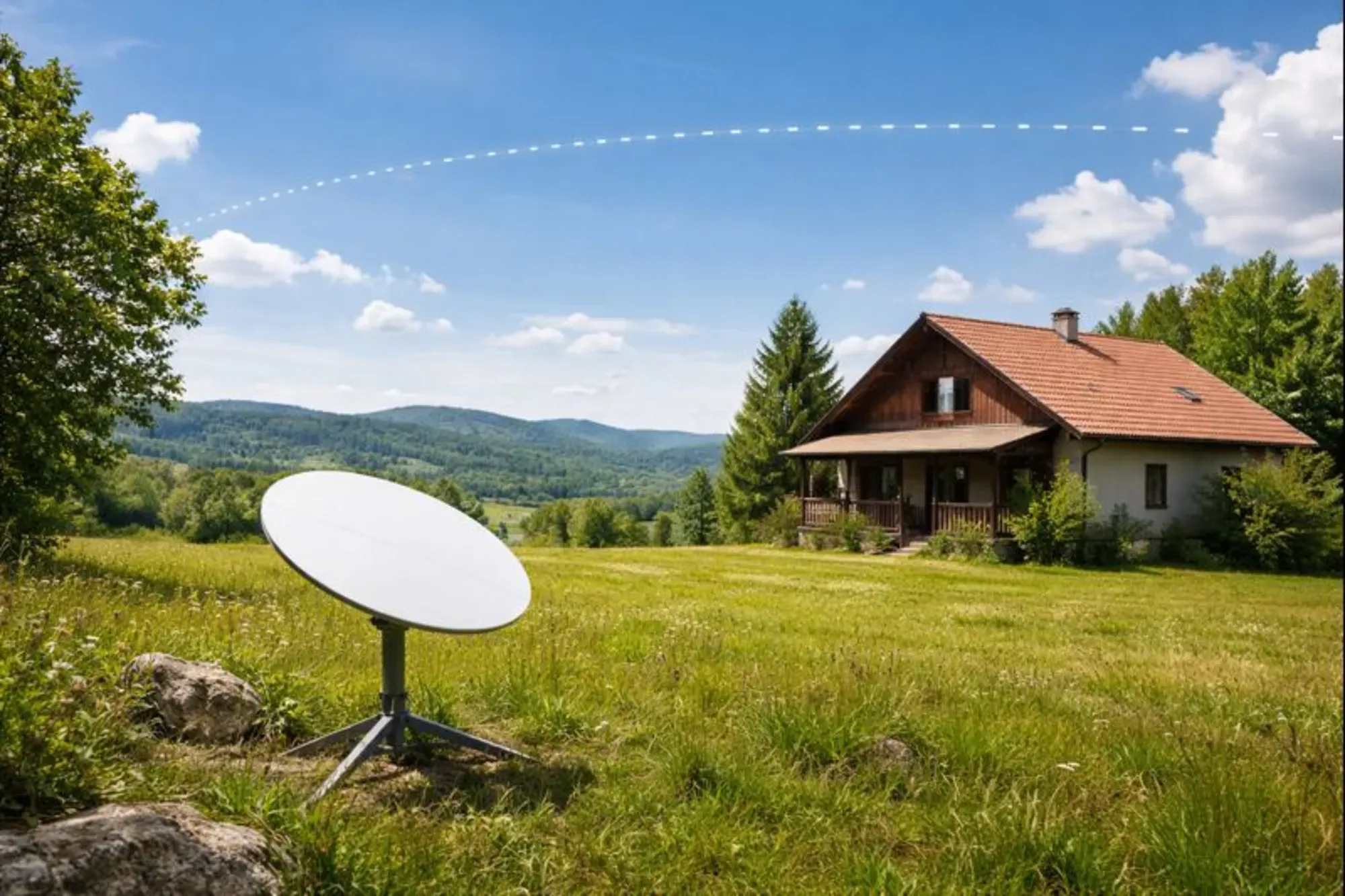
A rural household without fiber or reliable mobile coverage uses Starlink for work and education. Performance is consistent enough for daily needs, even though speeds fluctuate.
Common Misunderstanding
Some users expect urban fiber performance. Once they understand Starlink’s role as an access solution rather than a premium upgrade, expectations align with reality.
Quick Understanding Summary
Starlink is a low Earth orbit satellite network operated by SpaceX that delivers broadband internet without ground infrastructure. As of late 2025, about 9,347. satellites are active in orbit. Satellites may appear in lines shortly after launch, but this is temporary. The system provides lower latency than traditional satellite internet and expands access in underserved areas, with performance shaped by weather and network demand.
User Real Review / Expert Perspective
User Review – Alex M., Rural Australia
Alex switched to Starlink after unstable fixed wireless service. Video calls became reliable, though heavy rain occasionally reduced speed.
Expert Perspective – Satellite Communications Analyst
Researchers note that low Earth orbit reduces latency but requires continuous satellite replacement and careful space traffic management to remain sustainable.
 Deepak Singh
FAQs
How many Starlink satellites are working right now?
About 9,347 active satellites as of December 2025.
Why do they disappear after a few days?
They move to higher operational orbits and become less reflective.
Is Starlink faster than fiber?
No. Fiber remains faster and more stable where available.
Do Starlink satellites stay in orbit forever?
No. They are designed to deorbit safely at end of life.
Is coverage global?
Coverage is expanding, but capacity varies by region.
Conclusion
Starlink satellites represent a structural shift in how internet access is delivered.
By combining thousands of low Earth orbit satellites with continuous launches and upgrades, the system provides measurable, real-world connectivity where traditional infrastructure cannot easily reach.