Simple Navratri Snacks You Can Make in 15 Minutes
Discover simple Navratri snacks you can make in 15 minutes with easy, fasting-friendly recipes that deliver great flavor. This concise guide helps readers whip up quick festive treats without hassle.

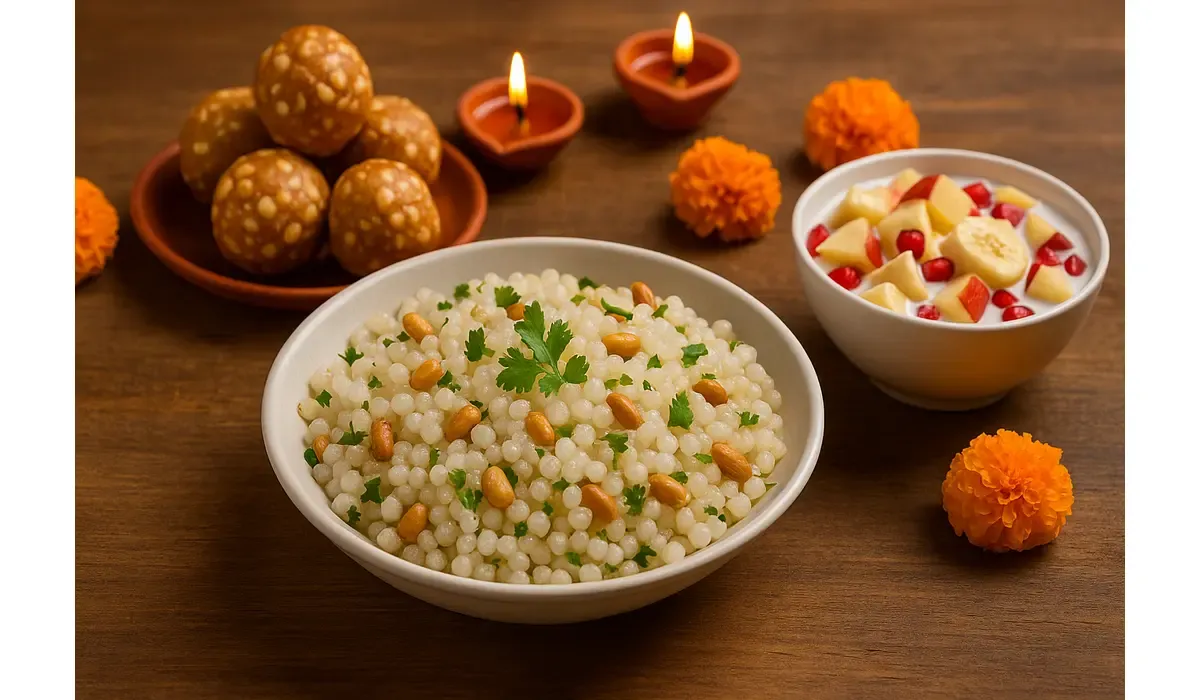
Simple Navratri snacks are the secret to enjoying festive fasting without long hours in the kitchen. For nine sacred days, millions of devotees across India and the world honor Goddess Durga with devotion, prayer, and fasting. The sattvic diet followed during this time means avoiding regular grains, onion, and garlic. Instead, vrat-friendly ingredients like sabudana, kuttu flour, singhara flour, potatoes, peanuts, fruits, and dairy take center stage. Yet, even with these restrictions, the craving for something flavorful and quick never goes away.
Did you know that over 50 million people in India observe Navratri fasting every year? For many, food is not just about following religious customs but also about connecting with family traditions. Mothers pass down recipes like sabudana khichdi or peanut ladoos, and younger generations often look for faster, healthier alternatives that fit their modern schedules.
The beauty of Navratri is that it blends devotion with celebration. After a day of fasting and prayers, evenings are spent at garba and dandiya nights, where energy is essential. No one wants to spend hours in the kitchen before heading out. That’s where quick, tasty, and simple Navratri snacks come in—they’re a blessing for busy households and a lifesaver when you want to stay energized without compromising on vrat rules.
Whether you’re preparing snacks for your family before evening puja, sharing a platter with friends, or packing something light before work, these snack ideas will keep your celebrations vibrant, healthy, and hassle-free.
What Are Simple Navratri Snacks?
Simple Navratri snacks are light, vrat-approved recipes prepared using a special set of ingredients like sabudana (tapioca pearls), kuttu (buckwheat flour), singhara (water chestnut flour), potatoes, peanuts, fruits, and dairy. Unlike regular snacks that rely on wheat, rice, refined flour, onion, or garlic, these festive recipes strictly follow the sattvic diet prescribed during fasting.
The foundation of these snacks lies in traditional fasting rules, where food is meant to be pure, light, and energizing. The philosophy is simple—while the body fasts, the mind should remain focused on devotion, meditation, and prayer. Heavy, oily, or tamasic (low-vibration) foods are avoided to help maintain balance and inner calm. Instead, vrat-friendly ingredients are chosen for their ability to sustain energy, improve digestion, and nourish the body without making one feel sluggish.
During Navratri, food is more than just a necessity—it is a symbol of devotion. By eating sattvic snacks, devotees purify not just their body but also their thoughts, aligning themselves spiritually with the nine days dedicated to Goddess Durga.
Regional Flavor Variations
- North India: Popular snacks include aloo tikki, sabudana khichdi, and kuttu pakoras.
- Maharashtra: Sabudana vada and peanut chutney are festive staples.
- Gujarat: Farali dhokla and rajgira sheera make their way into vrat platters.
- South India: Coconut-based sweets and fruit bowls often dominate the menu.
Despite these regional differences, the essence remains the same—light, sattvic, and nourishing recipes that can be prepared quickly.
Why They Stand Out
- Quick to make: Most recipes take 10–15 minutes, fitting modern lifestyles.
- Nutritious: Potatoes, peanuts, and fruits provide instant energy.
- Festive & flavorful: Even with dietary restrictions, the taste never takes a backseat.
In short, simple Navratri snacks bridge the gap between spiritual discipline and culinary delight, ensuring that fasting is not just about abstaining but also about celebrating food in its purest form.
Why Do Simple Navratri Snacks Matter?
Fasting during Navratri isn’t just spiritual—it has health benefits too. Research shows intermittent fasting helps improve digestion, regulate blood sugar, and increase energy levels. Simple Navratri snacFasting during Navratri is not just a ritual—it’s a practice rooted in health, discipline, and devotion. The nine days of prayer and celebration call for foods that are light on the stomach yet full of energy, and that’s where simple Navratri snacks play a key role. They matter because they strike the perfect balance between tradition and convenience, keeping the festive spirit alive without weighing you down.
1. Save Time in Busy Modern Lifestyles
In today’s world, where work, family, and celebrations all demand attention, spending hours in the kitchen is not always possible. Quick 15-minute recipes like sweet potato chaat or peanut ladoo make it easier to stay true to fasting traditions without stress. They ensure you can enjoy puja rituals and still head to garba nights energized.
2. Provide Essential Nutrition and Energy
Navratri fasting often involves long gaps without heavy meals, making energy-rich snacks a must. Ingredients like peanuts, potatoes, and sabudana are loaded with healthy carbs, fats, and proteins. A bowl of sabudana khichdi or a handful of peanut ladoos can power you through late-night prayers or dancing sessions.
3. Maintain Cultural and Spiritual Traditions
Every family has its own set of vrat recipes passed down for generations. By preparing these snacks, you’re not only nourishing your body but also preserving age-old customs. Whether it’s the kuttu pakoras of North India or sabudana vadas of Maharashtra, each dish reflects regional traditions and keeps cultural roots alive.
4. Encourage Community Bonding
Food during Navratri is rarely eaten alone. Simple snacks are shared at puja gatherings, family get-togethers, and community feasts. Offering a plate of vrat-friendly tikki or a fruit bowl creates warmth, togetherness, and joy. These moments of sharing remind us that Navratri is as much about community spirit as it is about devotion.
A Balance of Devotion and Convenience
In today’s fast-paced world, these snacks ensure that you can honor traditions without compromise. They let you celebrate with devotion, enjoy flavors guilt-free, and still have time for what truly matters—spending moments in prayer, with family, and in festive joy.
What Are the Best Simple Navratri Snacks You Can Make in 15 Minutes?
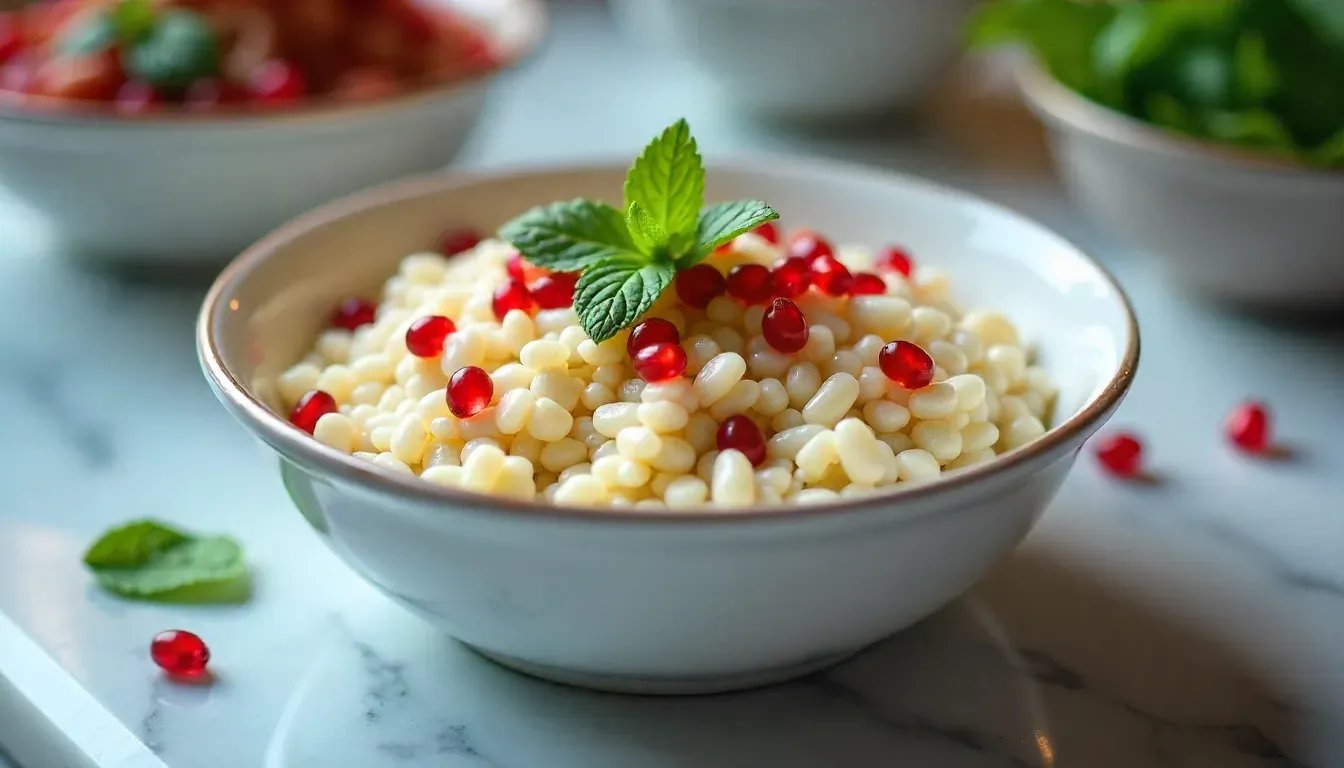
1. Sabudana Khichdi (Quick Version)
A light stir-fry with soaked sabudana, peanuts, green chili, and sendha namak. Perfect for morning or evening vrat meals.
2. Kuttu Dosa with Coconut Chutney
Made from buckwheat flour, this dosa is crispy, quick, and delicious when paired with coconut chutney.
3. Singhara Flour Cheela
A protein-packed pancake using singhara flour, grated potato, and mild spices.
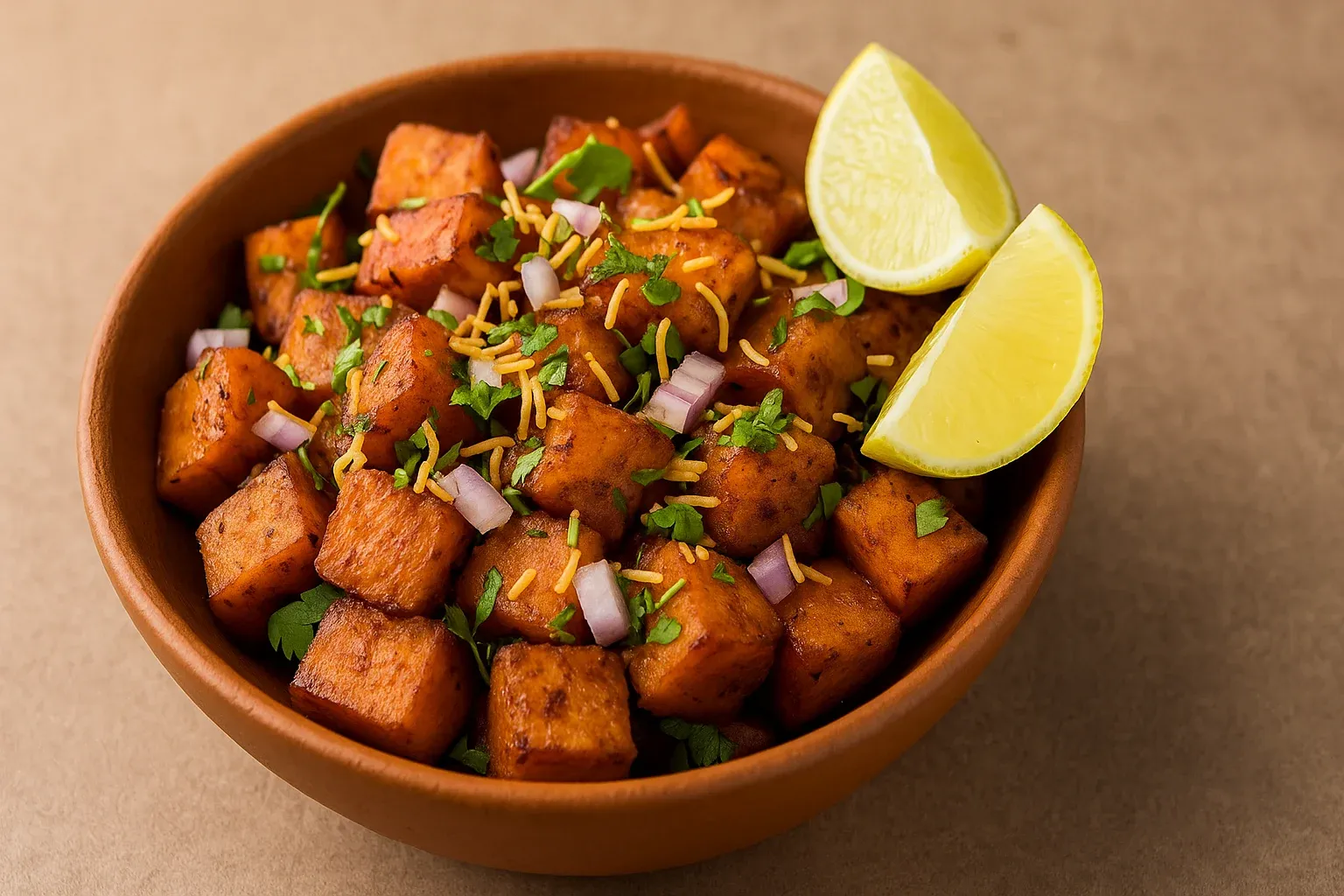
4. Sweet Potato Chaat
Boiled shakarkandi tossed with lemon, rock salt, and a hint of green chili.
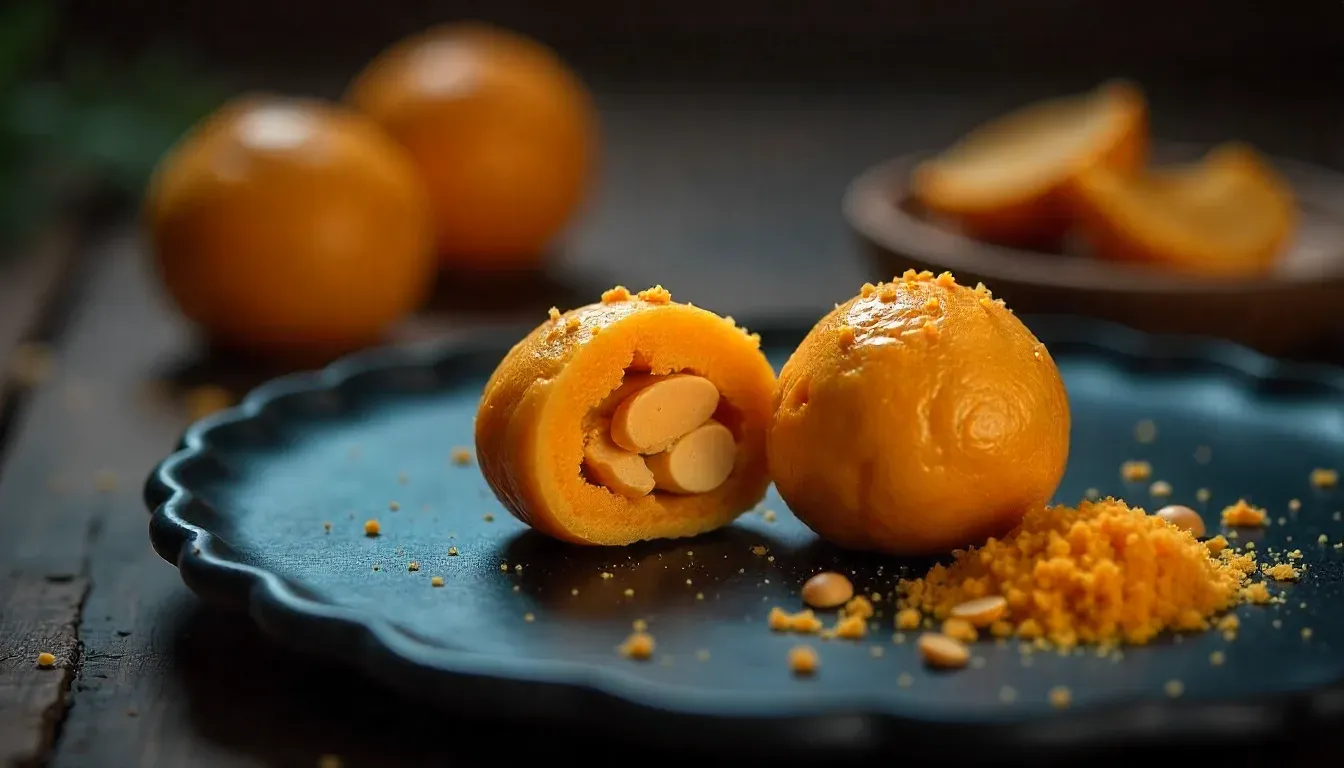
5. Peanut Ladoo
Roasted peanuts ground with jaggery make for a sweet, energy-boosting snack.
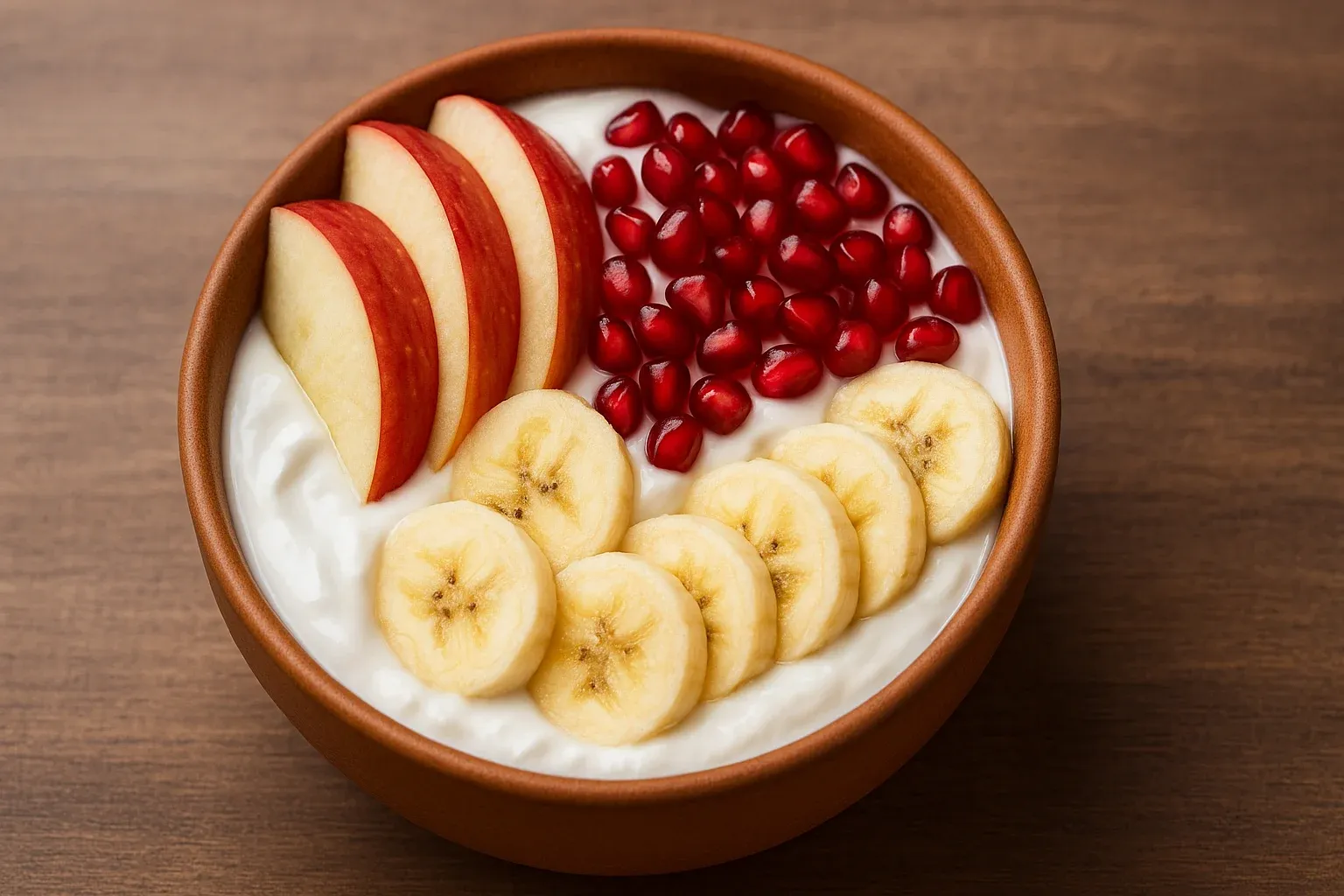
6. Fruit Yogurt Bowl
Seasonal fruits with chilled curd, honey, and chopped nuts. Refreshing and hydrating.
7. Aloo Tikki (Vrat Style)
Crispy shallow-fried potato patties, best served with mint chutney.
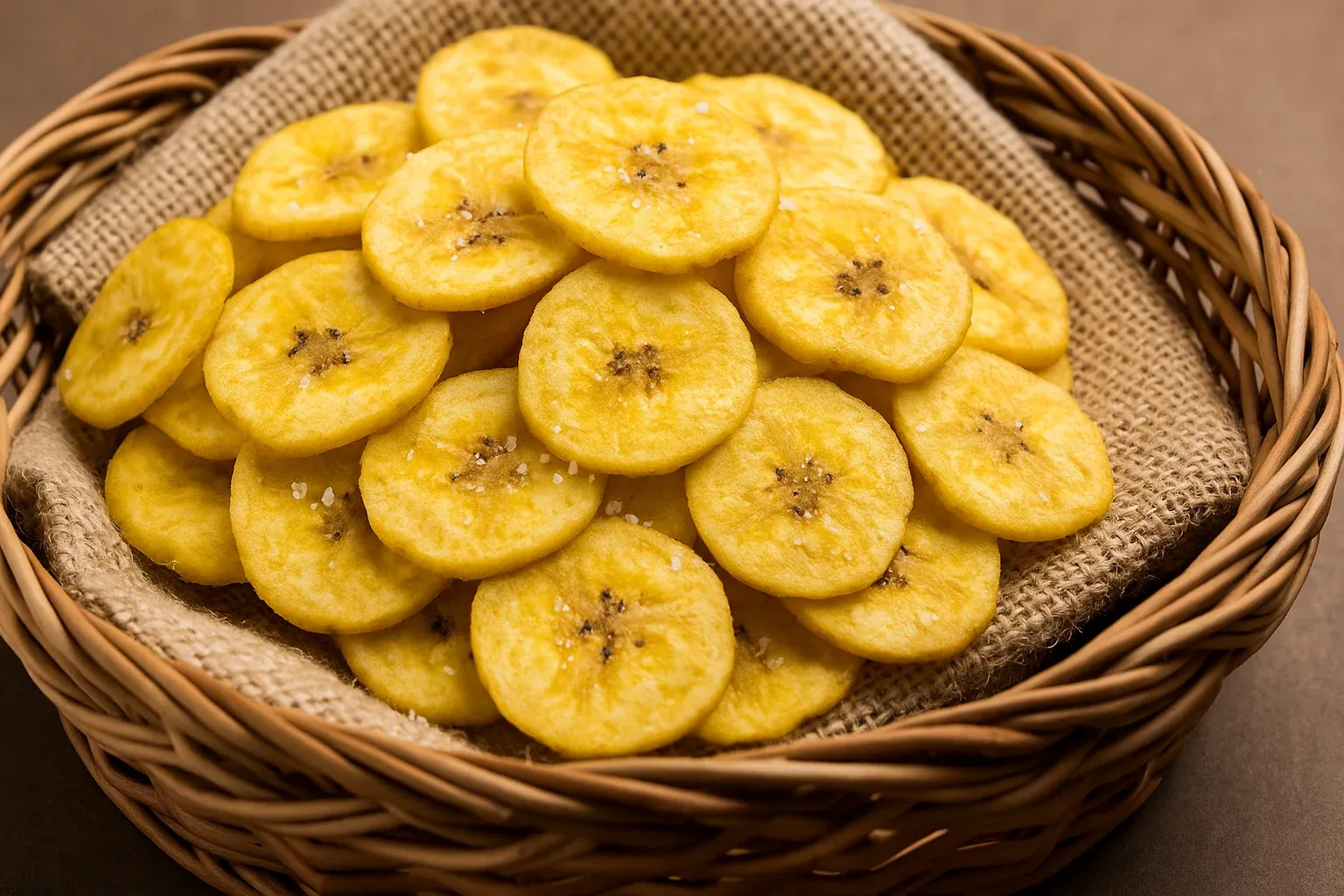
8. Banana Chips
Quick-fried or air-fried raw banana slices with sendha namak. Crunchy and addictive.
How Can You Prepare These Snacks in Under 15 Minutes?
The trick lies in pre-prep and smart cooking methods:
- Soak sabudana overnight → cuts down cooking time.
- Keep vrat flours ready → store kuttu and singhara flour in airtight jars.
- Use minimal chopping → stick to easy vegetables like potatoes and sweet potatoes.
- Rely on stir-frying or pan-frying → faster than deep-frying.
- Batch prep chutneys → store mint or coconut chutney for 2–3 days.
By following these hacks, even beginners can whip up festive recipes in no time.
Step-by-Step Guide: Making Peanut Ladoo in 12 Minutes
- Roast 1 cup peanuts in a pan.
- Remove skin and grind coarsely.
- Heat ½ cup jaggery with 2 tsp ghee until melted.
- Mix peanuts and jaggery well.
- Shape into small balls while warm.
Result: High-protein, naturally sweet ladoos that store well for 3–4 days.
Common Mistakes to Avoid with Navratri Snacks
- Over-soaking sabudana → leads to sticky clumps.
- Using regular salt → always use sendha namak.
- Deep-frying repeatedly → oil becomes heavy and indigestible.
- Over-spicing → vrat food should remain light and sattvic.
- Skipping hydration → fasting with heavy fried food can cause fatigue.
Expert Insights: Nutritionists on Navratri Snacks
Health experts agree that fasting during Navratri should not come at the cost of nutrition. In fact, it’s an opportunity to give the digestive system a reset while nourishing the body with wholesome, sattvic foods.
Nutritionist Dr. Shweta Sharma explains:
“Navratri snacks should balance taste and nutrition. Including peanuts, yogurt, and fruits prevents energy dips during fasting. The goal is not to overload on fried snacks but to choose foods that provide steady energy for prayers, rituals, and festive activities like garba.”
Survey Data Supports the Shift
According to a 2024 FSSAI survey, 62% of Indians observing fasts said they preferred light meals with nuts, fruits, and dairy over heavy fried snacks. This signals a growing cultural shift where health awareness blends seamlessly with traditional fasting practices.
Expert Tips for Better Snacking
- Combine proteins with carbs: Pair sabudana (carbs) with peanuts (protein) for lasting energy.
- Stay hydrated: Add fruit bowls and yogurt to keep digestion smooth.
- Limit fried foods: Save pakoras and tikkis for occasional treats, balancing them with steamed or air-fried options.
- Use ghee wisely: A teaspoon in ladoos or khichdi boosts satiety and aids digestion without being heavy.
- Portion control matters: Even vrat snacks can lead to fatigue if overconsumed—keep portions light and frequent.
Why This Matters
As more people celebrate the Navratri Festival 2025, nutritionists emphasize the importance of smart choices. By choosing wholesome, sattvic, and lighter recipes, devotees can stay energized for both devotion and celebration—without compromising their health.
Future Trends in Navratri Snacks
The way we prepare and enjoy fasting food is evolving with modern lifestyles. While the essence of Navratri remains rooted in devotion and tradition, changing dietary preferences and busy schedules are shaping how people approach vrat-friendly recipes. Here are some emerging trends to watch for during the Navratri Festival 2025 and beyond:
1. Air-Fried Vrat Snacks → Healthier, Less Oily
Health-conscious devotees are moving away from deep-frying and turning to air fryers. Air-fried sabudana vadas, banana chips, or aloo tikkis retain the crunch and taste while cutting down oil intake. This not only makes fasting lighter on the stomach but also aligns with modern wellness goals.
2. Packaged Vrat Mixes → Instant Convenience
Urban families increasingly rely on ready-to-cook vrat kits like kuttu dosa mix, rajgira sheera packets, or sabudana khichdi kits. These pre-mixes save time, especially for working professionals, students, or anyone living away from home. They also ensure authenticity by keeping vrat-approved ingredients intact.
3. Fusion Vrat Recipes → Tradition Meets Creativity
Younger generations are experimenting with fusion recipes, blending traditional vrat ingredients with global flavors. Imagine a rajgira smoothie bowl topped with fruits, a singhara flour pizza base, or peanut butter ladoos. These innovations allow fasting foods to appeal to both elders and millennials, making them exciting for everyone at the dining table.
4. Eco-Friendly Packaging → Sustainable Festive Choices
With rising awareness about sustainability, many brands and households are shifting toward eco-friendly containers and biodegradable packaging for festive foods. Clay bowls for chaat, banana leaves for serving, and recyclable snack packs are becoming popular, making celebrations not just devotional but also earth-friendly.
5. Smart Kitchens and Gadgets for Faster Cooking
From electric choppers to multi-purpose air fryers, modern kitchens are enabling devotees to prepare snacks in minutes. This reflects how tradition and technology can coexist—keeping food sattvic while saving precious time.
6. Balanced Eating with Nutritional Focus
Nutritionists predict a rise in high-protein vrat snacks such as peanut ladoos, yogurt bowls with nuts, and roasted makhana mixes. As fasting becomes a conscious health practice for many, these snacks help maintain energy and balance during the nine days of devotion.
FAQs on Simple Navratri Snacks
What are the best simple Navratri snacks for beginners?
Peanut ladoo, sweet potato chaat, and banana chips are the easiest.
Can I eat dosa during Navratri fasting?
Yes, if made with kuttu or singhara flour instead of rice.
Which simple Navratri snacks are protein-rich?
Peanut ladoo, singhara cheela, and yogurt bowls.
How can I avoid sticky sabudana khichdi?
Soak sabudana with just enough water and drain before cooking.
Are fruits considered Navratri snacks?
Yes, fruits and yogurt combinations are widely consumed.
What is the quickest vrat-friendly salty snack?
Banana chips with sendha namak.
Can I prepare simple Navratri snacks in advance?
Yes, ladoos and chutneys can be stored for 2–3 days.
Are dairy products allowed in Navratri fasting?
Yes, milk, yogurt, and paneer are vrat-friendly.
Do simple Navratri snacks help in weight control?
Light snacks like fruit bowls and roasted peanuts aid portion control.
What’s the healthiest 15-minute Navratri snack?
Fruit yogurt bowl with honey and nuts.
Which oil is best for frying vrat snacks?
A11. Groundnut or ghee is recommended for better digestion.
Can kids enjoy simple Navratri snacks?
Yes, ladoos, fruit bowls, and tikki are kid-friendly.
Key Takeaways
- Simple Navratri snacks can be made in just 15 minutes with smart prep.
- Pre-soaking sabudana, keeping vrat flours handy, and preparing chutneys in advance ensure you spend less time cooking and more time enjoying prayers and festivities.
- Staple ingredients like sabudana, peanuts, potatoes, and vrat flours are the foundation of festive cooking.
- These versatile ingredients can be transformed into khichdi, tikkis, dosas, ladoos, and more, offering both variety and nutrition throughout the nine days of fasting.
- Avoid over-frying and stick to light, sattvic flavors for better digestion.
- Fasting foods are meant to refresh, not weigh you down. Shallow-frying, pan-roasting, or air-frying are healthier choices that retain flavor without excess oil.
- Balance taste with nutrition, as experts recommend.
- Nutritionists suggest combining energy-rich foods like potatoes with protein-packed peanuts and hydrating fruits to maintain stamina during long fasting hours and energetic garba nights.
- Future food trends for Navratri snacks lean toward quick, fusion, and eco-friendly options.
- Expect to see air-fried sabudana vadas, fusion vrat smoothie bowls, and even ready-to-make vrat snack kits packaged in sustainable materials—keeping traditions intact while adapting to modern lifestyles.
- Community bonding remains at the heart of Navratri snacks.
- Whether it’s sharing fruit bowls at puja gatherings or offering ladoos during aarti, these recipes symbolize togetherness, devotion, and the joy of celebrating Navratri with loved ones.
- Simple Navratri snacks in 2025 are about honoring tradition with modern ease.
- By combining time-saving techniques with traditional flavors, you can celebrate the Navratri Festival 2025 with energy, devotion, and delicious food on your plate.
Conclusion
Celebrating the Navratri Festival 2025 doesn’t mean sacrificing taste or spending hours in the kitchen. With the right ingredients and quick methods, simple Navratri snacks can be both nourishing and delicious in just 15 minutes. These vrat-friendly recipes not only save time but also keep you energized for prayers, puja rituals, and long evenings of garba.
As you prepare for your next puja or garba night during the Navratri Festival 2025, remember—snacking smart is the key to staying energized and connected to tradition. A simple bowl of sabudana khichdi can keep you full before evening prayers, a handful of crunchy banana chips makes for the perfect on-the-go vrat snack, and a refreshing fruit yogurt bowl provides hydration after hours of dancing.
These recipes prove that fasting doesn’t have to feel restrictive. Instead, it can be a celebration of light, nourishing, and flavorful foods that honor devotion while fitting into modern lifestyles. Each bite adds not just energy, but also festive joy to your plate—reminding us that Navratri is as much about community, culture, and togetherness as it is about personal discipline.
So, the next time you plan your fasting menu, choose simple Navratri snacks that are quick to prepare, rich in flavor, and aligned with sattvic traditions. With the right balance of taste and nutrition, your fasting days can be filled with devotion, vitality, and celebration.