How to Secure Your SaaS App in 5 Simple Steps
Learn how to secure your SaaS app in five simple, actionable steps with insights on authentication, data protection, and threat prevention. This concise guide helps teams strengthen security without complexity.

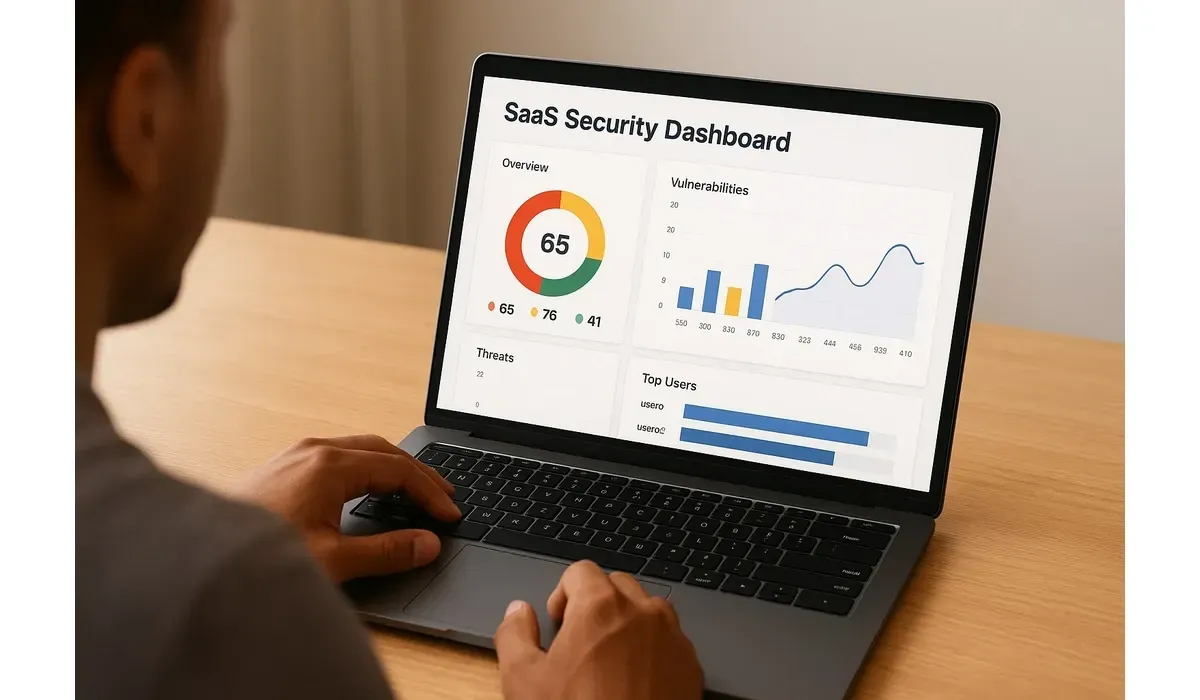
secure your SaaS app run the digital world, powering everything from CRMs to project management. But with convenience comes risk. A single vulnerability can expose sensitive data, damage reputation, and cost millions.
If you run or manage a SaaS product, here’s a clear five-step guide to secure your SaaS app and keep users safe.
Step 1: Enable Strong Authentication
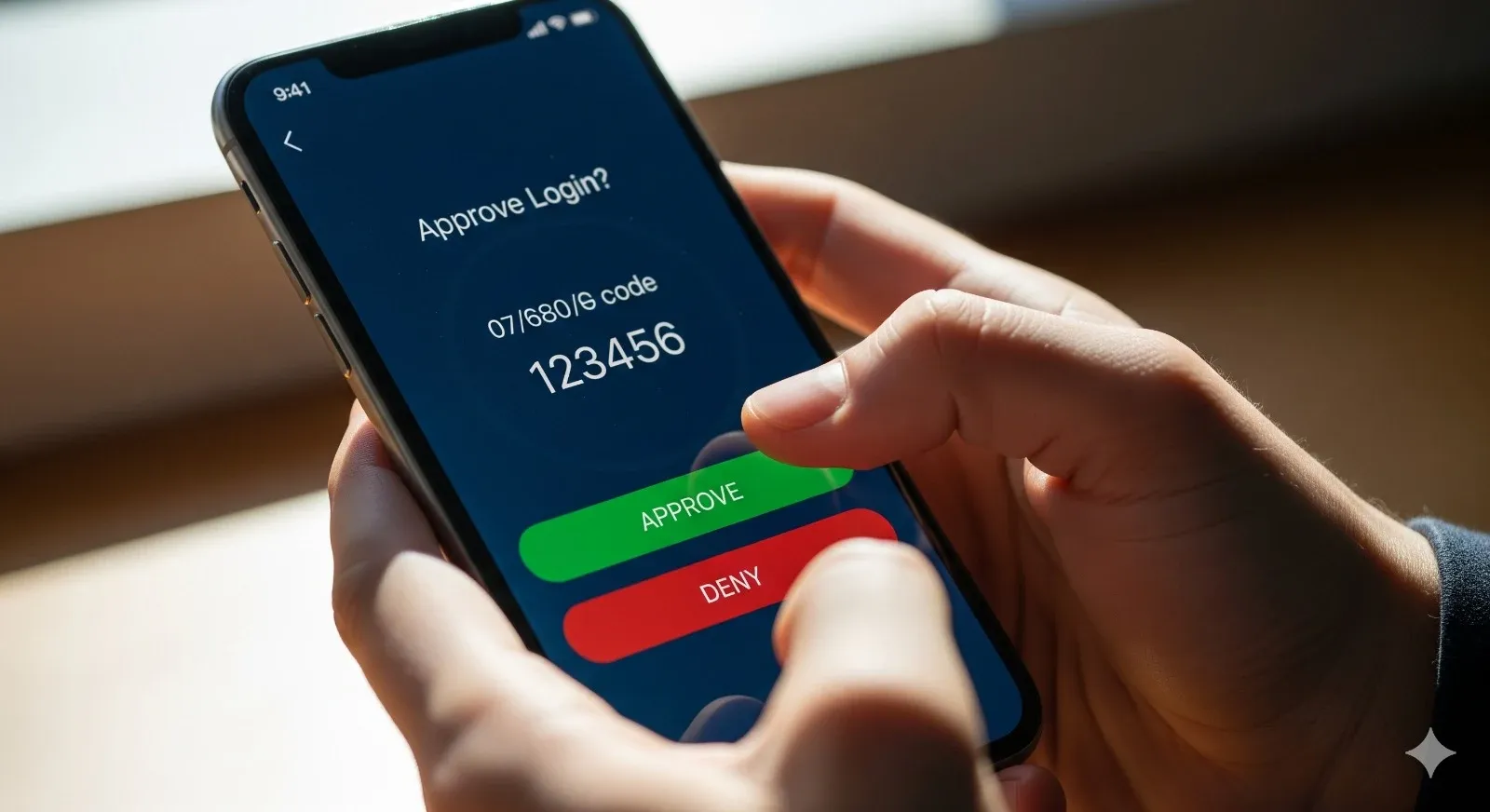
Weak passwords are one of the top causes of breaches. To secure your SaaS app, multi-factor authentication (MFA) is no longer optional.
Why It Matters:
- 80% of data breaches stem from compromised credentials (Verizon DBIR, 2023).
- MFA reduces risk by requiring extra verification, such as SMS codes or authenticator apps.
Tools That Help:
- Auth0
- Okta
Step 2: Encrypt Data at Rest and in Transit
Data is the heart of your SaaS app. If it’s not encrypted, hackers can easily intercept or steal it.
How It Works:
- At Rest: Encryption keeps stored data safe.
- In Transit: SSL/TLS protocols secure data moving between users and servers.
Tools: AWS KMS, Azure Key Vault. Always use HTTPS and rotate encryption keys.
Step 3: Regular Security Audits and Vulnerability Scans
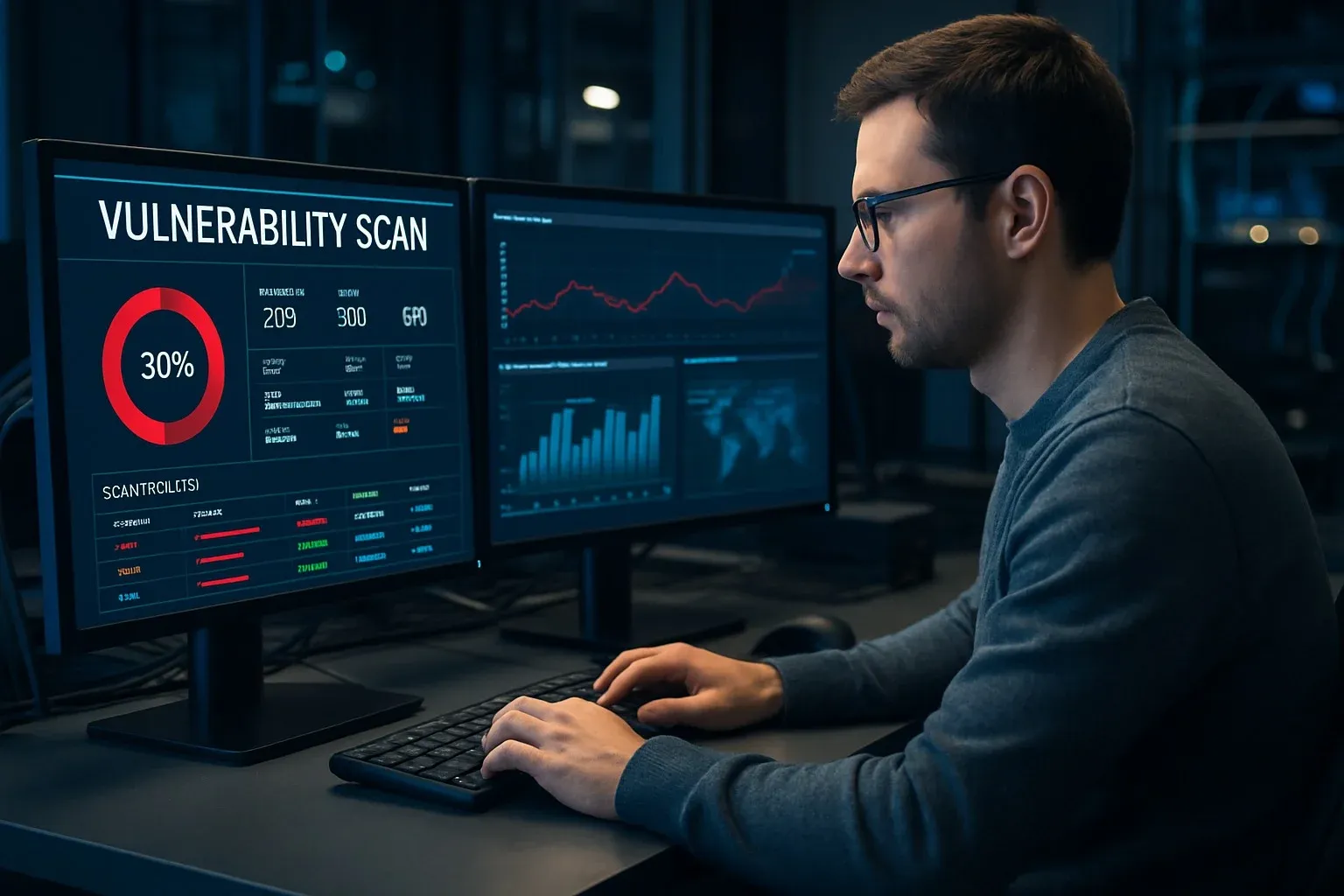
To secure your SaaS app long-term, ongoing monitoring is essential.
Tools for Audits:
- Snyk
- Qualys
Tip: Schedule quarterly penetration tests with external experts.
Step 4: Implement Role-Based Access Control (RBAC)
Not every user needs access to all data. Role-based access ensures least privilege use.
Benefits of RBAC:
- Reduces insider threats
- Prevents accidental exposure of sensitive data
- Simplifies compliance with GDPR and SOC
- Tools: Okta, OneLogin
Step 5: Monitor and Respond with AI-Powered Security Tools
Threats evolve fast. AI-powered monitoring can help detect unusual activity before damage occurs.
Popular Options: CrowdStrike Falcon, Splunk Security Cloud
Mini Comparison of Security Tools
| Tool | Best For | Pros | Cons | Pricing |
| Auth0 | Authentication | Easy integration, secure | Pricing increases with users | Starts Free |
| AWS KMS | Data Encryption | Scalable, trusted | AWS lock-in | Pay-as-you-go |
| Snyk | Vulnerability Scans | Developer-friendly | Limited free tier | Free + Paid |
| Okta | Identity & Access | Robust, enterprise-ready | Complex setup for small teams | Paid Plans |
| CrowdStrike Falcon | AI Threat Detection | Real-time, advanced AI | Premium pricing | Paid Plans |
Why Securing Your SaaS App Matters
Cybercrime costs are expected to hit $10.5 trillion annually by 2025 (Cybersecurity Ventures). SaaS apps store critical business and personal data—making them a prime target.
FAQs: Secure Your SaaS App
Q: What’s the fastest way to secure your SaaS app?
A: Start with MFA and encryption.
Q: Do small SaaS startups need advanced security?
A: Yes—hackers target smaller apps because they often lack security teams.
Q: How often should I audit my SaaS app?
A: At least quarterly, with continuous monitoring.
Q: Can AI completely prevent security breaches?
A: No, but AI tools improve detection and response times.
Bottom Line
To secure your SaaS app, follow five essentials: enable MFA, encrypt data, audit regularly, apply RBAC, and monitor with AI.
With the right apps and software, even small teams can implement enterprise-level security.