Samsung Galaxy Watch8 Antioxidant Tracking: A Game-Changing Health Sensor Explained
Samsung Galaxy Watch8 antioxidant tracking introduces a breakthrough sensor that offers deeper insight into your body’s cellular health. This analysis explains how it works, what the readings mean, and why it could redefine personal wellness in 2025.

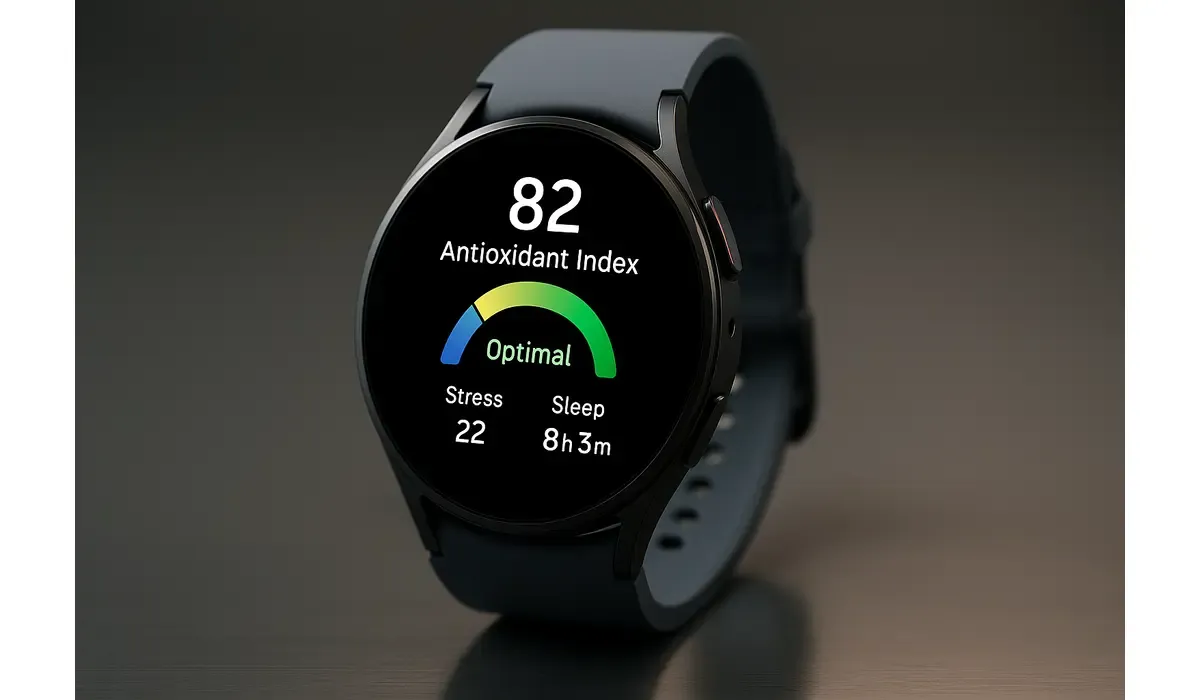
The Samsung Galaxy Watch8 antioxidant tracking feature is unlike anything we’ve seen in wearables before. For the first time, a smartwatch can estimate your body’s antioxidant levels — and it does it in seconds.
This isn’t another heart rate or sleep stat; it’s a glimpse into how your diet and lifestyle affect your cellular health. Could this be the start of nutrition-based wellness tracking from your wrist?
- Samsung introduces Antioxidant Index, a world-first smartwatch sensor.
- Measures carotenoids through your skin for instant results.
- Aims to motivate users to eat better and monitor oxidative stress levels.
What Is the Samsung Galaxy Watch8 Antioxidant Tracking Feature?
In simple terms, the Samsung Galaxy Watch8 antioxidant tracking system measures your body’s antioxidant status using light-based technology. Instead of relying on blood tests, the watch uses optical sensors to detect carotenoid levels — compounds found in fruits and vegetables that reflect your body’s antioxidant strength.
By analyzing this data, Samsung’s Antioxidant Index gives you a score between 0 and 100, showing whether your antioxidant status is low, moderate, or optimal.

$500 Walmart Gift Card
A $500 Walmart gift card may be available to select users. Checking eligibility is quick. You can check if you’re one of them.
Latest Update: The Tech Behind the Antioxidant Index
Samsung debuted this feature in the Galaxy Watch8 series, combining hardware and software innovation through its BioActive Sensor 5.0 and One UI 8 Watch.
Key Technical Highlights
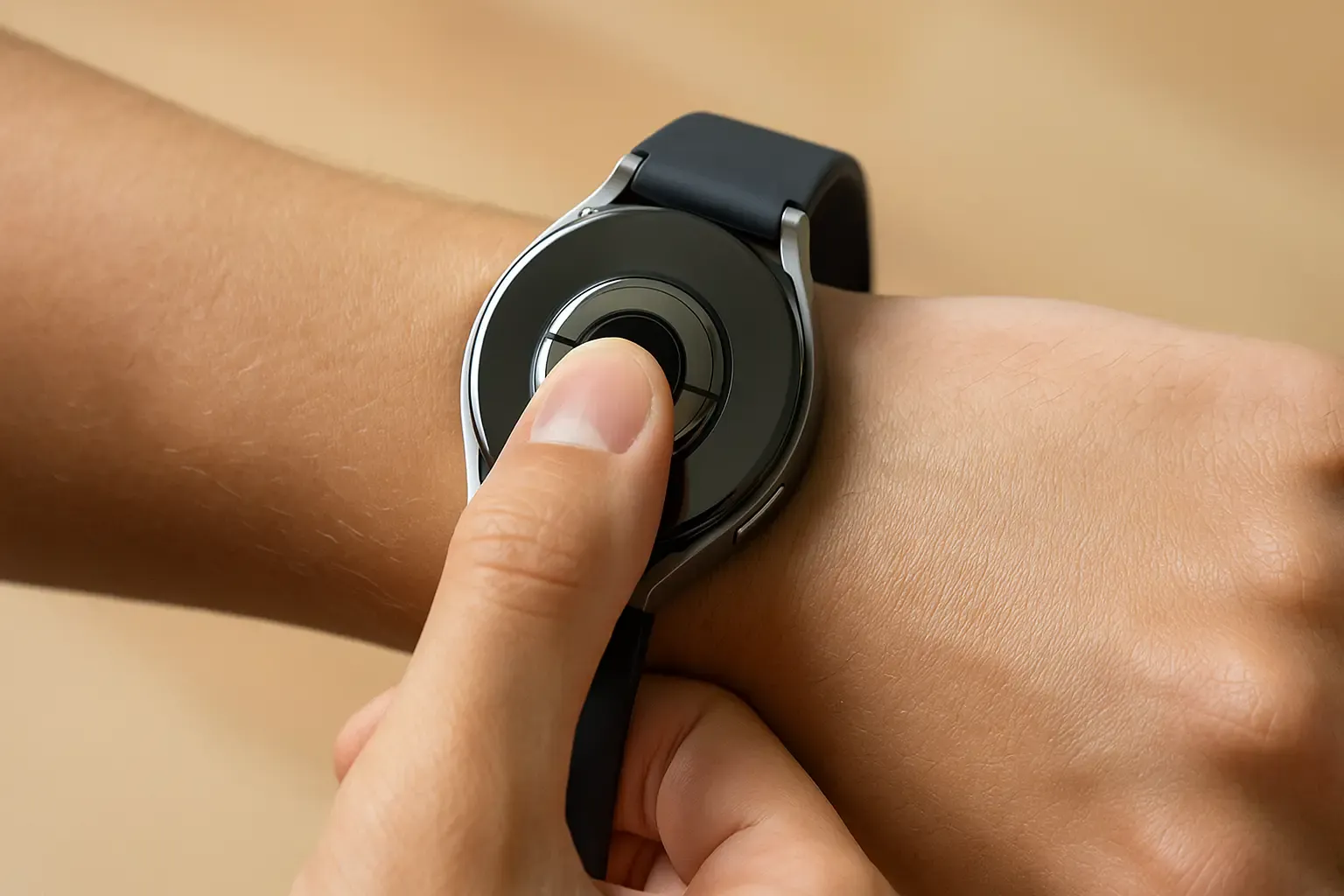
- Optical Sensor Technology: The smartwatch emits specific wavelengths of light into your skin and detects how carotenoids reflect it.
- Manual Reading: Users must place their thumb on the back sensor for around 5 seconds to get a reading.
- Scoring System: Results appear as an Antioxidant Index score with color codes — blue (low), yellow (moderate), and green (optimal).
- Lifestyle Integration: Samsung Health tracks changes over time, correlating them with activity, diet, and stress data.
- Compatibility: Exclusive to the Galaxy Watch8 and Watch8 Ultra models for now.
This feature doesn’t just quantify a number — it paints a holistic picture of how well your lifestyle protects your cells from oxidative stress.
Why This Feature Matters
The inclusion of antioxidant tracking marks a pivotal shift in wearable health innovation. While most smartwatches measure what’s happening to you — heart rate, steps, or calories — the Galaxy Watch8 measures what’s happening inside you.
3 Reasons It’s a Breakthrough
- Bridges Nutrition and Wearables: Until now, no smartwatch linked dietary quality to measurable data.
- Encourages Preventive Wellness: By highlighting oxidative stress, users can take steps before health issues escalate.
- Moves Beyond Fitness: Samsung positions itself at the intersection of lifestyle and longevity — a powerful differentiator from Apple and Fitbit.
However, Samsung clarifies that this is not a diagnostic tool, but rather a wellness indicator. Think of it as a mirror reflecting your nutritional habits — not a medical exam.
Expert Insight: What Reviewers Are Saying
Early testers and reviewers describe the Samsung Galaxy Watch8 antioxidant tracking feature as “ambitious yet exciting.” While the readings aren’t medical-grade, they represent a major leap toward truly personalized health tech.
- The Verge noted the technology “feels like a preview of the future of digital nutrition.”
- TechRadar praised the concept but highlighted that results can vary depending on skin tone, hydration, and environmental light.
- Engadget emphasized the motivational aspect: users felt inspired to improve their diet after tracking their antioxidant score.
In short, it’s not perfect — but it’s visionary.
Comparisons: How It Stands Out
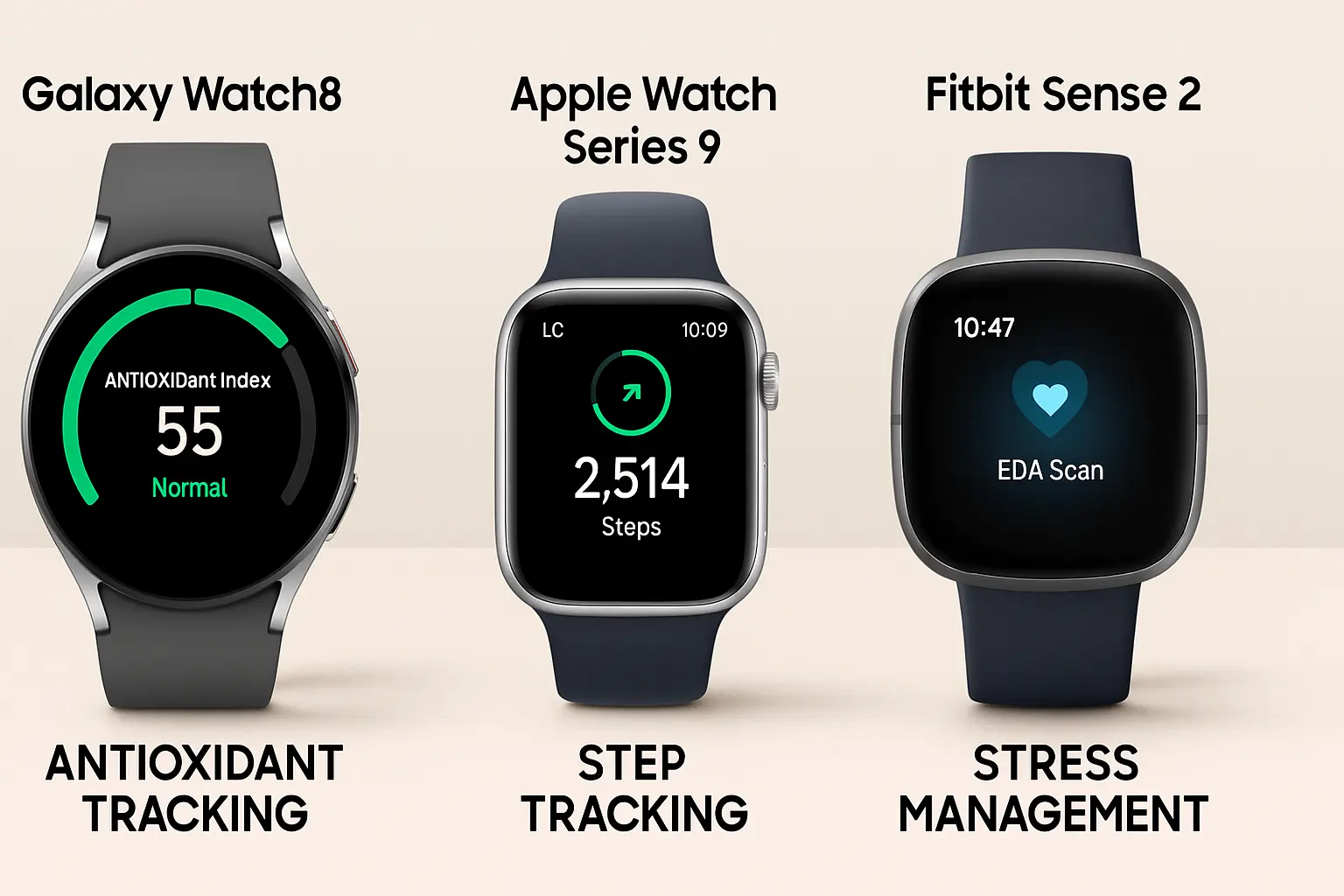
| Feature | Galaxy Watch8 | Apple Watch Series 9 | Fitbit Sense 2 |
|---|---|---|---|
| Antioxidant Tracking | Yes (Antioxidant Index) | No | No |
| Carotenoid Detection | Optical sensor-based | No | No |
| Blood Oxygen (SpO₂) | yes | yes | yes |
| ECG & Stress Monitor | yes | yes | yes |
| Nutritional Feedback | (via Antioxidant Index) | No | No |
Clearly, Samsung has pulled ahead in the bio-nutritional space — a frontier even Apple hasn’t tapped yet.
How to Use the Antioxidant Tracking Feature
Follow these steps for the most accurate reading:
- Make sure your hands are clean and dry.
- Open the Samsung Health app on your Galaxy Watch8.
- Select Antioxidant Index from the menu.
- Place your thumb lightly on the sensor for about 5 seconds.
- Wait for your score — displayed instantly on-screen.
Samsung recommends testing at the same time daily, ideally before meals, for consistency.
Practical Takeaways for Users
- Use your Antioxidant Index score as motivation, not judgment.
- Increase consumption of carotenoid-rich foods (carrots, tomatoes, spinach, bell peppers).
- Track weekly changes; aim for steady improvement, not perfection.
- Combine antioxidant tracking with sleep, stress, and activity data for complete wellness insights.
- Always remember: this is a lifestyle guide, not a medical device.

$750 Cash App Gift Card
A $750 Cash App gift card may be available to select users. Checking eligibility is quick. You can check if you’re one of them.
FAQs
Q1: How accurate is Samsung Galaxy Watch8 antioxidant tracking?
It’s a wellness feature, not a lab test. The watch uses light to estimate carotenoid levels — results are indicative but not diagnostic.
Q2: Can the feature detect vitamin deficiencies?
No, it can’t detect specific vitamins. It provides a general measure of antioxidants in your body.
Q3: Does the Galaxy Watch8 antioxidant tracking work on darker skin tones?
Samsung claims the new sensor compensates for skin tone variation, but results may slightly differ between individuals.
Q4: How often should I check my antioxidant score?
Daily or weekly checks are ideal. Samsung suggests consistency for tracking improvements over time.
Key Takeaways
- The Samsung Galaxy Watch8 antioxidant tracking feature introduces the world’s first on-wrist Antioxidant Index.
- It uses optical sensors to assess skin carotenoid levels in under five seconds.
- While not diagnostic, it empowers users to understand diet quality and oxidative balance.
- Samsung is positioning the Watch8 as a bridge between fitness tracking and personalized nutrition.
Conclusion
The Samsung Galaxy Watch8 antioxidant tracking feature signals a new era in wellness tech — one that connects the food you eat with the health data you wear. It’s not just about counting steps anymore; it’s about understanding how your daily habits affect your body at the cellular level.
Samsung has opened the door to a future where smartwatches could measure not only heartbeats but also health resilience itself.