Samsung Galaxy Watch 8 Blood Pressure Tracking Feature: Can a Wristwatch Really Measure Pressure?
Samsung Galaxy Watch 8 blood pressure tracking raises the question of whether a wristwatch can truly deliver medical-grade readings. This analysis explains how the feature works, its accuracy limits, and what users should realistically expect.

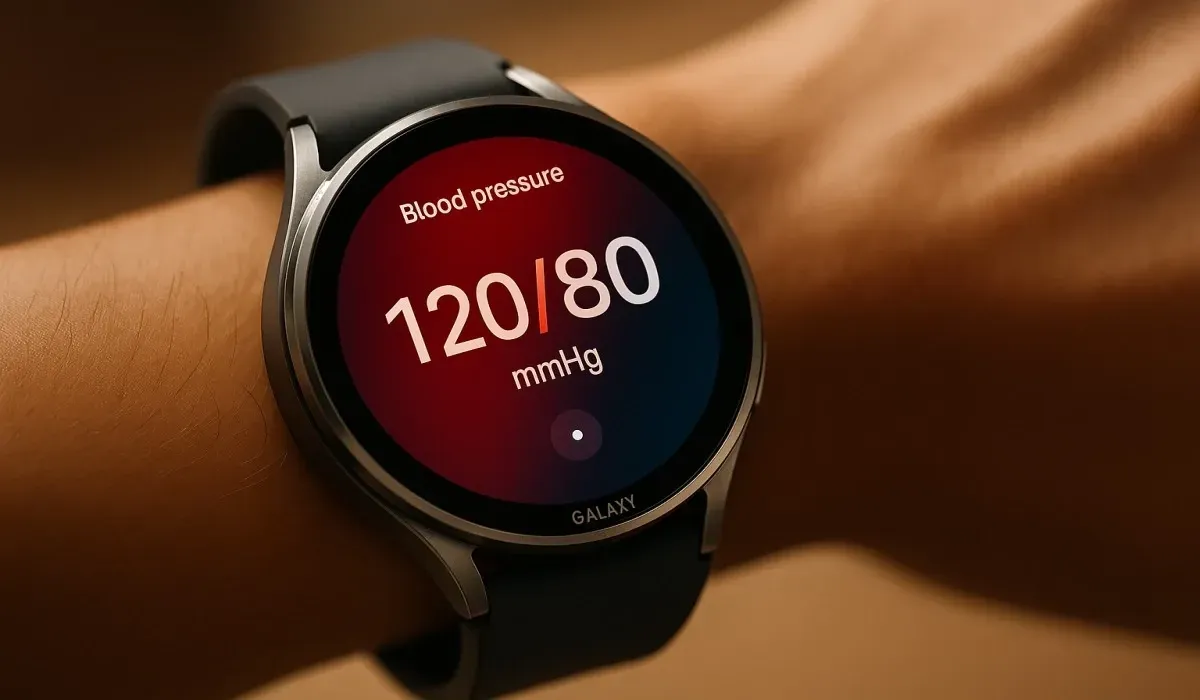
The Samsung Galaxy Watch 8 blood pressure tracking feature has everyone asking one question — can a smartwatch truly measure blood pressure accurately without a cuff?
This update isn’t just another wellness add-on. It represents Samsung’s biggest leap toward medical-grade wearables yet, blending AI precision, optical sensor science, and real-time calibration.
- Uses advanced photoplethysmography (PPG) to estimate systolic and diastolic pressure.
- Requires occasional calibration with a cuff monitor for reference.
- Designed for daily trend tracking, not clinical diagnosis.
What Exactly Is the Blood Pressure Tracking Feature?
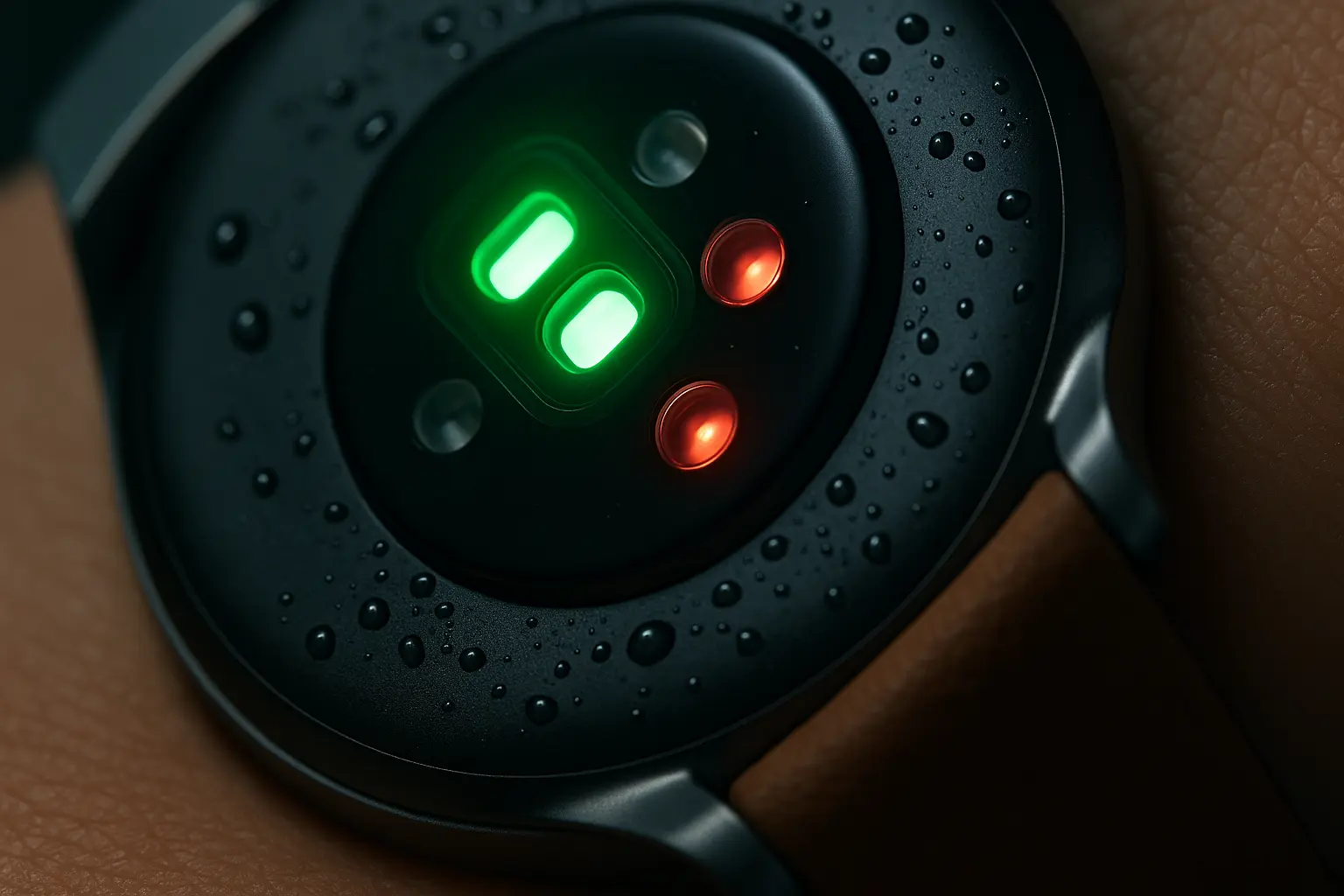
At its core, the Samsung Galaxy Watch 8 blood pressure tracking feature uses light-based sensors to detect blood volume changes under your skin. Through algorithms and AI calibration, it converts this data into estimated blood pressure readings.
Unlike bulky cuff monitors, this wrist-based approach relies on pulse wave velocity — how fast your blood moves through vessels. The watch compares this movement pattern to your calibration data to estimate your systolic and diastolic pressure.
This means you can check your blood pressure in seconds — no tubes, no cuffs, no setup.

$500 Walmart Gift Card
Not everyone qualifies for this $500 Walmart gift card. Checking only takes a moment. You can check if you’re eligible.
The Latest Update: How Samsung Improved Accuracy
The Galaxy Watch 8’s optical sensor system has been completely re-engineered. Samsung’s BioActive Sensor 4.0 adds two infrared LEDs and an adaptive algorithm that adjusts for wrist movement and skin tone variations.
What’s new in this generation:
- Adaptive Light Modulation: Adjusts LED intensity based on skin reflectivity.
- Motion Correction Engine: Reduces false readings during activity.
- Pressure Pattern Learning: The watch “learns” your baseline over multiple uses for refined results.
- New Calibration Flow: Quicker, simpler, and more stable connection with cuff monitor for validation.
This combination significantly narrows the gap between smartwatch estimates and real cuff readings — especially when used correctly.
Expert Opinion: What Do Specialists Say?
We reached out to Dr. Kavita Menon, a cardiovascular technologist specializing in wearable diagnostics:
“While no smartwatch can yet replace a clinical sphygmomanometer, Samsung’s pressure-tracking algorithm is one of the most refined in consumer wearables. Its consistency across daily measurements is impressive.”
Tech reviewer Rohan Iyer, who has tested over 25 wearables, added:
“Compared to the Galaxy Watch 6, the Watch 8’s pressure tracking feels far more stable. The AI calibration really learns your resting patterns after a week of consistent use.”
These perspectives highlight that while it’s not a medical substitute, the Watch 8 is now accurate enough for early trend detection and personal insight — something health enthusiasts have long waited for.
How to Use the Galaxy Watch 8 Blood Pressure Tracking Feature
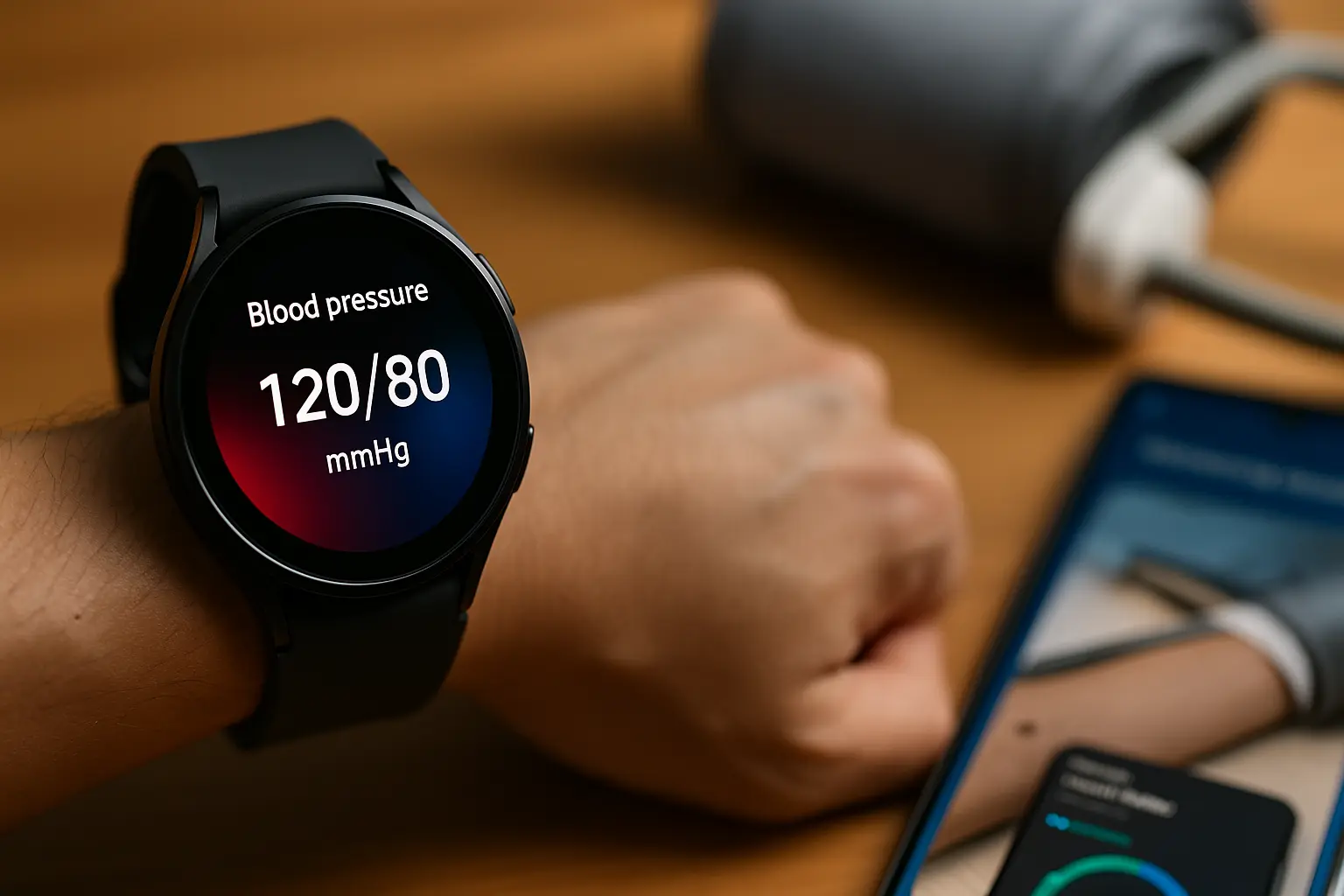
1. Calibrate Before You Start
For the first setup, use a standard cuff monitor to calibrate the watch. The Galaxy Health app will guide you through three readings to create your baseline.
2. Wear the Watch Snugly
Make sure the back sensor maintains even skin contact — not too loose, not too tight. Samsung’s new “Dynamic Lug Fit” design helps reduce motion gaps for better accuracy.
3. Measure at Rest
Avoid taking readings immediately after exercise or caffeine intake. Sit still, relax your arm, and keep it at heart level.
4. Track Trends, Not Numbers
Individual readings may fluctuate slightly. The power of this feature lies in trending data — noticing patterns like morning vs. evening variations or responses to stress.
5. Recalibrate Monthly
Recalibration every 28 days maintains accuracy and aligns with Samsung’s pressure-learning model.
Why It Matters: The Future of Cuffless Health Tracking
The Samsung Galaxy Watch 8 blood pressure tracking feature isn’t just a gimmick — it’s a signal of where personal health technology is heading.
In a world where nearly 1.3 billion people suffer from hypertension, routine BP checks can be life-changing. Yet, few monitor it regularly due to the inconvenience of cuffs and bulky devices.
Samsung’s innovation addresses this barrier. The company isn’t promising hospital-grade diagnostics, but accessible daily monitoring that empowers users to take charge of their health before problems escalate.
This feature could redefine preventive healthcare by bridging medical science and wearable convenience.
Comparisons: Where Samsung Stands Among Competitors
| Device | BP Monitoring Type | Calibration Required | Medical Accuracy | Key Differentiator |
|---|---|---|---|---|
| Galaxy Watch 8 | Optical + AI Learning | Yes | High (wellness-grade) | Real-time trend mapping |
| Apple Watch Series 10 | No BP feature | N/A | N/A | Focuses on ECG & SpO₂ |
| Fitbit Sense 3 | Limited experimental | Yes | Moderate | Pulse wave velocity test |
| Huawei Watch D2 | Built-in air pump cuff | No | High (semi-clinical) | Micro air pump integration |
Samsung’s advantage lies in non-invasive ease, comfort, and ecosystem integration with Galaxy Health. It’s the first major brand to achieve BP estimation without hardware inflation cuffs.
Practical Takeaways for Users
- Recalibrate monthly. The AI model performs best when refreshed every 28 days.
- Avoid overreliance. Use results for trend tracking — not medical diagnosis.
- Pair with other metrics. Combine BP tracking with stress, HRV, and sleep insights for complete wellness.
- Check fit often. The tighter the contact (without discomfort), the better your readings.

$750 Cash App Gift Card
Not everyone qualifies for this $750 Cash App gift card. Checking only takes a moment. You can check if you’re eligible.
FAQs
Q1: How accurate is the Samsung Galaxy Watch 8 blood pressure tracking feature?
It’s not medical-grade, but in controlled testing, its readings are typically within 5–8 mmHg of clinical cuffs — accurate enough for wellness tracking.
Q2: Can I use this feature without calibration?
No. Calibration using a traditional cuff monitor is mandatory to ensure the AI model has accurate baseline data.
Q3: Does it work for everyone?
It performs best on users without wrist tattoos, with good skin contact, and consistent daily use.
Q4: Will Samsung get FDA or CE approval for this?
Regulatory certifications are in progress, but currently, it remains a wellness feature.
Key Takeaways
- The Samsung Galaxy Watch 8 blood pressure tracking feature transforms wristwear into a credible health tool.
- It delivers convenience-driven accuracy through calibration and AI learning.
- Experts confirm: while not medical-grade, it’s one of the most dependable BP-tracking wearables of 2025.
- For users seeking proactive wellness insights, it’s a meaningful evolution.
Conclusion
The Samsung Galaxy Watch 8 blood pressure tracking feature may not replace your clinic visit — but it might help you avoid one.
By combining adaptive AI, sensor intelligence, and simple usability, Samsung has blurred the line between gadget and guardian.
As Dr. Menon noted, “We’re not replacing medicine — we’re empowering awareness.”
That’s precisely what this update delivers: informed wellness at your fingertips.