Why Salon and Spa Service Charges Are Rising Post GST Updates
Salon and spa service charges are rising post GST updates, leaving customers wondering what changed behind the scenes. This breakdown explains the revised tax structure, its impact on pricing, and why the industry is adjusting now


The salon and spa service charges rising post GST updates is puzzling: the GST rate on beauty and wellness services dropped sharply, yet many salons and spas raised charges instead of lowering them. Why the disconnect?
- The GST rate fell to 5% for beauty & wellness services, but input-tax credit (ITC) was withdrawn.
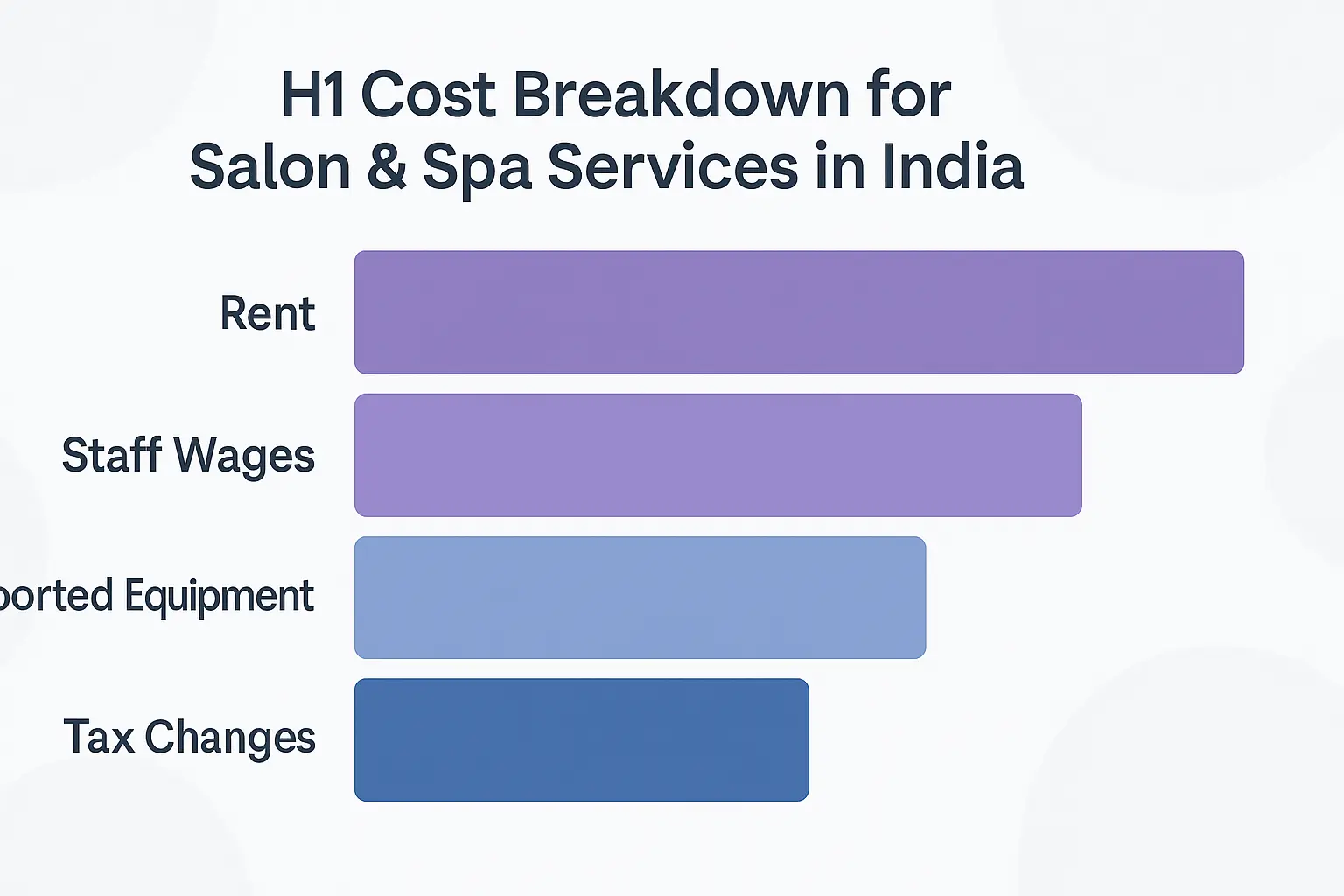
- Rising rents, imported equipment costs and skilled staff wages are pushing price hikes.
- Consumers may face higher bills even though tax rates fell.
What Are Salon and Spa Service Charges Rising Post GST Updates?
“Salon and spa service charges rising post GST updates” refers to the phenomenon where beauty parlours, spas and wellness centres raise their fees after the 2025 revision of Goods and Services Tax (GST) in India.
Latest Update: GST Changes & Industry Response
In September 2025 the GST Council reduced the tax rate on salon, spa and wellness services from 18% to 5%. However, this rate came without the ability to claim input tax credit (ITC) on supporting purchases and services.
Strikingly, industry reports show many salons and wellness centres raised their service charges by 10 %–20% despite the tax cut.

$750 Amazon Gift Card
Not everyone qualifies for this $750 Amazon gift card. Checking only takes a moment. You can check if you’re eligible.
Details / Key Facts Behind the Price Hikes
Reduced Input Tax Credit (ITC) Impact
Previously salons and spas could claim ITC on materials, equipment, salon interiors and utilities. The updated GST regime restricts ITC for these non-core services. As a result, although the nominal tax rate falls, many input costs become non-deductible.
Rising Operational Costs
- Many urban salons face steep rent increases in premium zones.
- Import-heavy equipment (spa beds, aesthetic machines) became costlier due to currency fluctuation.
- Skilled therapists, beauticians and wellness staff demand higher pay to retain talent.
Compliance & Service Classification
The classification change means salons and spas are now clearly marked under wellness services with full compliance obligations. This raises accounting, licensing and regulatory costs—costs that are passed on to customers.
Consumer Behaviour Shift
Post-pandemic, consumers expect premium experiences—luxury interiors, spa menus, customised treatments. Salons responding to this trend invest more in ambience, training and service add-ons, and factor these into their pricing.
Why It Matters / Reader Impact
When salon and spa service charges rise post GST updates, the direct impact falls on the consumer. Here’s how:
- Budget blow for routine treatments – regular facials, massages and haircuts become costlier.
- Accessibility gap – those on tighter budgets may skip treatments or choose lower-end providers.
- Value perception shift – consumers expect visible improvements in service quality when fees climb.
For the beauty-wellness industry, this shift signals that tax policy and cost pressures are reshaping services from everyday treats to premium experiences.
Comparisons / Alternatives
Here are some service models and how pricing is evolving after the GST update:
| Service Type | Pre-GST Revision Fee | Post-Revision Fee Trend | Key Reason |
|---|---|---|---|
| Basic haircut | ₹400–₹600 | ₹450–₹700 | Rent & staff cost rise |
| Spa facial (60 min) | ₹2,000–₹3,000 | ₹2,400–₹3,500 | Equipment import & ambience |
| Wellness package (day) | ₹6,000–₹8,000 | ₹7,500–₹10,000 | Premium offering & service mix |
Alternative: adopt monthly membership or wallet-plans to offset cost increases.
Evidence / Expert Opinion
Industry experts note that although the nominal GST rate fell, the removal of ITC plays a major role in pricing dynamics. One salon owner remarked that the tax relief didn’t reach the consumer because input costs surged and credit benefits vanished.
Analysts emphasise that consumers should expect modest price drops, if any, when taxes fall—but may see price rises when underlying costs increase.
Dr. Meera Bhandari, Economist at the India Wellness Council, explains:
“The GST revision appears consumer-friendly on paper, but the removal of input tax credit changes the game. Salons and spas operate on thin margins. When they can no longer offset taxes on imports, equipment, or interior design costs, those expenses get passed on to the customer. It’s a structural price correction rather than profiteering.”
Arjun Patel, CEO of UrbanAura Spas, adds:
“Post-GST revision, we’re facing a 15% rise in backend costs — from imported facial machines to essential oils. Even electricity bills and maintenance services are now taxed differently. We had no choice but to adjust service charges. The focus now is on delivering luxury experiences that justify higher pricing.”
Neeta Sharma, founder of Belle & Bliss Salon Chain, offers a consumer-centric view:
“Many clients think we’re overcharging, but we’re simply realigning to survive. Staff training, global-grade hygiene, and ambiance upgrades all cost more today. If we didn’t increase prices, we’d compromise on quality — and that’s not an option in 2025’s competitive beauty market.”
Practical Takeaways: What Consumers Should Do
- Ask for itemised bills showing service cost and tax separately.
- Explore membership or loyalty plans – these may lock in rates before further increases.
- Compare multiple salons — not all may pass on savings from tax revision.
- Inspect treatment value: check if the higher fee brings even better service (trained staff, advanced equipment).

$500 PayPal Gift Card
Some users qualify for a $500 PayPal gift card. You can check if you qualify.
FAQs
Q1. Why are salon and spa service charges rising post GST updates?
Because although the GST rate fell, input tax credits were removed and operational costs increased.
Q2. Will the GST cut to 5% not make salons cheaper?
Not necessarily; the removal of ITC and rising indirect costs mean the savings may not be passed on fully.
Q3. How much have fees increased?
Industry reports suggest 10 %-20 % jumps in many salons and spas despite the tax reduction.
Q4. Should I change salon if charges go up?
You may switch or negotiate: look for bundled offers, loyalty deals or smaller independent salons.
Key Takeaways
- Salon and spa service charges rising post GST updates reflect cost pressures more than tax savings.
- A tax rate drop to 5% did not guarantee lower consumer bills due to removal of ITC.
- Consumer awareness and service transparency matter more than ever in the beauty-wellness space.
Conclusion
In the end, the salon and spa service charges rising post GST updates story is not just about taxes—it’s about how businesses absorb cost shifts and how consumers experience them. As fees climb, savvy customers will ask harder questions about value, transparency and service quality.