9 Game-Changing Lessons Indian Chefs Are Learning from the Explosive Rise of American BBQ Culture
Discover how the rise of American BBQ culture is reshaping culinary creativity in India. This expert-backed guide outlines nine powerful lessons Indian chefs are adopting to elevate flavor, technique, and modern dining experiences.

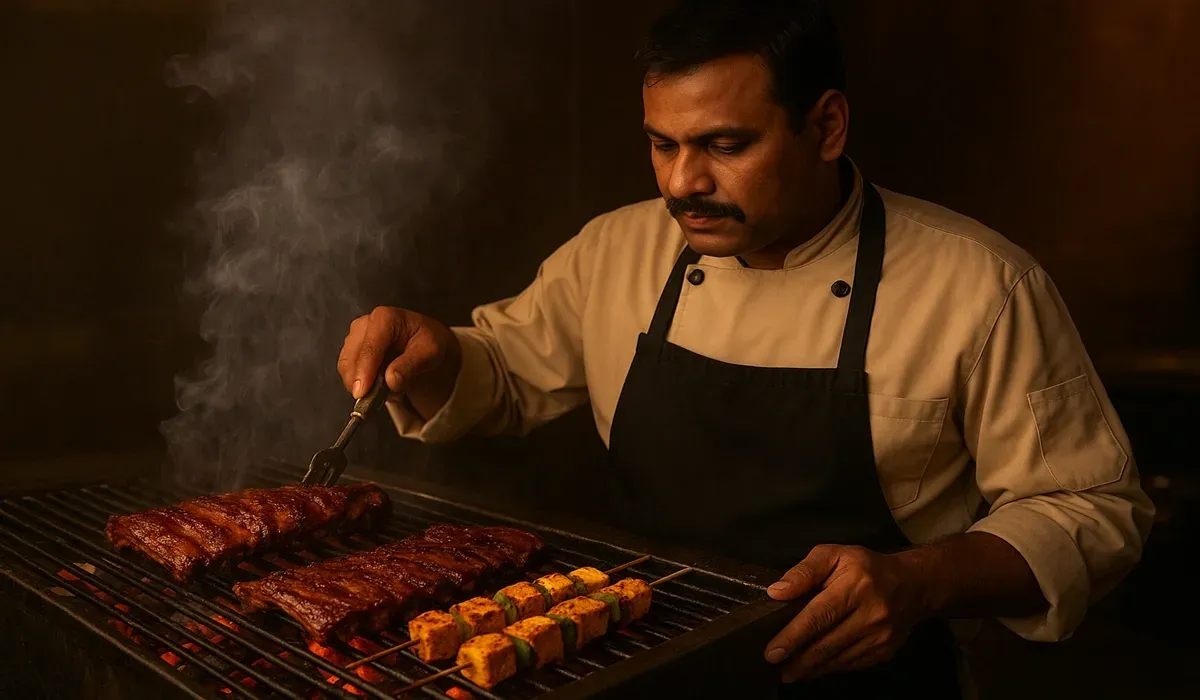
American BBQ culture is no longer just a Western summer tradition; it’s become a global food movement that’s catching fire across India. From smoky ribs in Mumbai to pulled pork sandwiches in Delhi, BBQ joints and grill fests are reshaping Indian dining habits. The aroma of slow-cooked meat, rich sauces, and charred perfection is giving Indian street food a tough competitor.
- American BBQ culture has inspired India’s growing love for grilled and smoked cuisine.
- Fusion dishes and local adaptations make BBQ accessible to vegetarian and non-vegetarian diners alike.
- The BBQ trend highlights India’s openness to global flavors while celebrating traditional spices.
What Is American BBQ Culture?
American BBQ culture refers to the social, culinary, and regional traditions of grilling and smoking meat over wood or charcoal. Unlike simple grilling, BBQ is about slow cooking at low temperatures, creating tender, flavorful dishes like ribs, brisket, and pulled pork.
BBQ isn’t just food — it’s an experience built around family gatherings, competitions, and regional pride. In the U.S., regions such as Texas, Memphis, Kansas City, and Carolina each have distinct sauces, rubs, and smoking styles that define their local identity.
Why American BBQ Culture Matters to India
India’s food culture thrives on community dining and bold flavors — both align with BBQ’s essence. The rise of American BBQ culture here shows India’s readiness to embrace new dining formats while preserving its own spice legacy.
- Shared Experience: Like Indian tandoors, BBQ brings people together around heat and flavor.
- Urban Appetite: Millennials crave global authenticity mixed with local comfort.
- Culinary Innovation: Indian chefs are reinventing BBQ with paneer skewers, spiced wings, and regional marinades.
- Health & Balance: Grilling offers a cleaner cooking method versus deep-frying, appealing to fitness-conscious consumers.
How Did American BBQ Culture Become Popular in India?
American food chains, travel exposure, and pop culture accelerated BBQ’s arrival in India. Over the last decade, BBQ Nation-style buffets and independent smokehouses have brought grilled dining to the masses.
Urban customers began associating BBQ with premium experiences, weekend outings, and global sophistication. Today, cities like Bengaluru, Hyderabad, and Pune host BBQ festivals that rival international standards.
The 10 Pillars of American BBQ Culture and What India Learns from Them
1. The Art of Slow Cooking
American BBQ relies on patience. The “low and slow” technique turns even tough cuts tender. Indian chefs now apply this to lamb, mutton, and even jackfruit.
2. Smoke as a Flavor
Smoky wood (oak, hickory, mesquite) defines American BBQ. India’s counterpart? Charcoal and local hardwoods that infuse regional aroma.
3. Regional Identity Matters
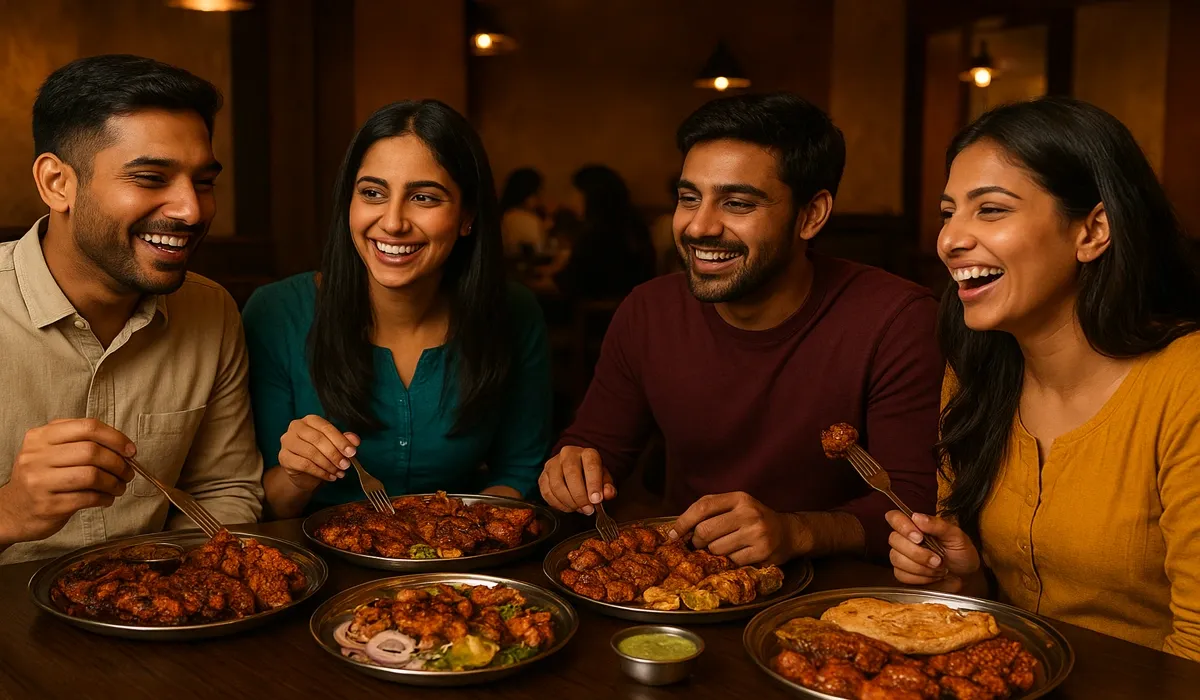
From Texas brisket to Carolina pulled pork, every U.S. region has its BBQ signature. Similarly, Indian states are developing their own BBQ identity — from Lucknow’s smoked kebabs to Goa’s spice-grilled seafood.
4. The Sauce Spectrum
In American BBQ, sauce defines loyalty. Sweet, tangy, or spicy — it’s a flavor code. Indian versions now feature masala rubs, curry infusions, and smoky chutneys.
5. Community and Celebration
Both cultures treat food as a bonding ritual. American backyard BBQs and Indian open-air cookouts share that same energy of togetherness.
6. Fusion Experimentation
Chefs in India blend BBQ with local classics: BBQ-paneer tikka tacos, smoked dal makhani, and BBQ butter chicken. These hybrid dishes attract Gen Z foodies.
7. Meat Alternatives on the Grill
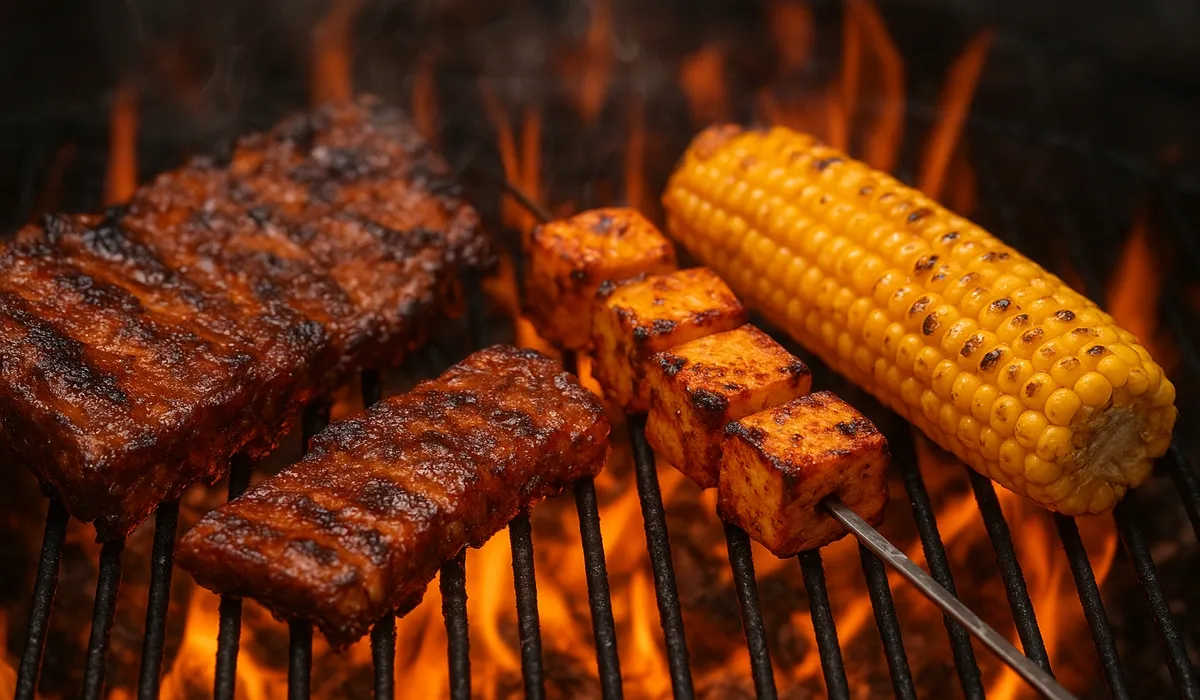
Vegetarian BBQ options — mushrooms, tofu, baby corn, paneer — ensure inclusivity in a largely non-meat Indian demographic.
8. Craftsmanship Over Convenience
Unlike fast food, BBQ rewards craftsmanship. Artisanal sauces, wood selection, and marination time show how slow food can beat instant dining trends.
9. Rise of BBQ Startups and Franchises
Indian entrepreneurs are creating local BBQ brands combining global techniques with regional tastes — think smoked masala wings or spicy biryani-barbecue bowls.
10. Influencer and Pop-Culture Boost
Cooking shows, YouTube pitmasters, and social media have glamorized BBQ in India. Visual appeal — juicy ribs, glaze drips, grill marks — drives curiosity and adoption.
How Can Indian Chefs Master American BBQ Techniques?
- Start with the Right Equipment: Use charcoal smokers, offset grills, or electric smokers adapted for Indian kitchens.
- Select Local Woods: Mango, teak, or coconut husk offer rich, smoky flavors suited to Indian spices.
- Balance Heat and Time: Keep temperatures between 110–135°C for tender results.
- Experiment with Rubs: Combine paprika, cumin, and Kashmiri chili for an Indian-style dry rub.
- Master the Resting Period: Let meat rest after smoking to retain moisture and depth.
Common Mistakes When Adapting American BBQ in India
- Over-Smoking Food: Excess smoke can overpower Indian spice notes.
- Skipping Rest Time: Rushing kills texture and flavor balance.
- Using the Wrong Wood: Softwoods like pine release resin and ruin the taste.
- Ignoring Local Preferences: Not all Indian diners like overly sweet BBQ sauces.
- Neglecting Hygiene in Open Grills: Safety and cleanliness build brand trust.
Expert Views and Case Studies
Chef Arjun Malhotra, culinary consultant in Bengaluru, says:
“India’s BBQ evolution mirrors its coffee revolution — a niche concept turned mainstream. The secret lies in blending global technique with regional emotion.”
A 2024 market report from the Indian Restaurant Association noted that BBQ-format dining grew 27% year-on-year, fueled by Tier-2 city expansion and digital food content.
BBQ festivals in Hyderabad and Gurugram now attract more than 50,000 visitors annually, proving BBQ’s shift from novelty to culture.
FAQs
Q1. What makes American BBQ culture unique?
A1. Its focus on low-temperature smoking, sauce diversity, and regional identity sets it apart from regular grilling.
Q2. Why is American BBQ culture becoming popular in India?
A2. It combines flavor, community, and modern dining aesthetics — aligning with India’s growing appetite for global food experiences.
Q3. Can vegetarians enjoy BBQ culture?
A3. Absolutely. Indian chefs use paneer, mushrooms, and soya as smoky, protein-rich BBQ alternatives.
Q4. What’s the difference between Indian tandoor and American BBQ?
A4. Tandoor uses direct clay oven heat; BBQ relies on indirect smoke and slower cooking.
Q5. How can restaurants bring American BBQ culture to Indian cities successfully?
A5. Localize menus, train staff in slow-cooking techniques, and maintain brand storytelling rooted in authenticity.
Key Takeaways
- American BBQ culture thrives on slow cooking, craftsmanship, and community spirit.
- India’s adoption proves how global culinary ideas evolve into local movements.
- Vegetarian BBQ and fusion innovations ensure inclusivity.
- The next growth phase will see BBQ cafes in smaller Indian cities.
- BBQ’s success in India reinforces one truth — smoky flavors unite cultures.
Conclusion
From Texas smokehouses to Indian rooftops, American BBQ culture has ignited a new culinary fire. It’s no longer about imitation but innovation — combining charred perfection with desi spice and shared joy. As Indian diners crave both authenticity and adventure, BBQ represents the best of both worlds: slow-cooked, soul-deep, and universally satisfying.