Why PM Modi Says Nehru Stopped Sardar Patel From Uniting Kashmir
Why PM Modi says Nehru stopped Sardar Patel from uniting Kashmir has reignited a long-standing historical debate. This analysis breaks down the claim, the archival context, and why the remark is drawing sharp political reactions today.

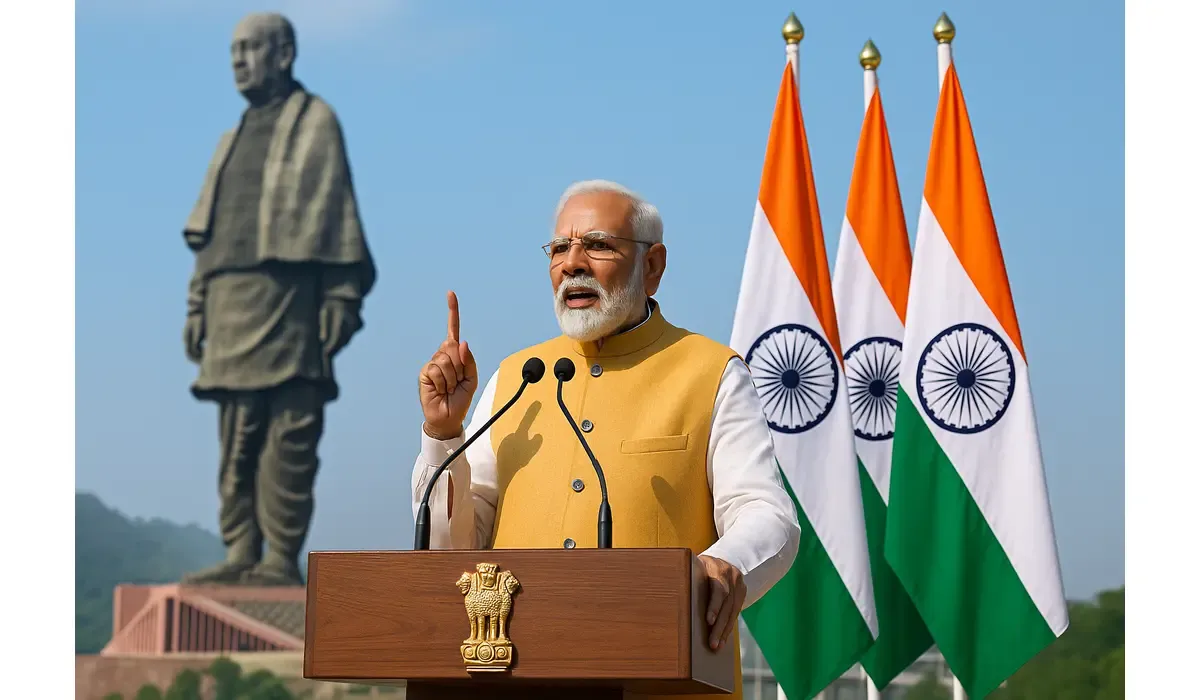
The Rashtriya Ekta Diwas: PM Modi says Nehru stopped Sardar Patel from uniting entire Kashmir remark has stirred political discussion and historical reflection. At the National Unity Day event, Narendra Modi claimed that Vallabhbhai Patel aimed to integrate all of Kashmir soon after independence—but his vision was blocked by Jawaharlal Nehru.
- The remark adds fuel to the debate over Kashmir’s special status and constitutional history.
- Historian commentary divides on how accurate the claim is based on archival material.
- For citizens, the statement raises questions about national unity, legacy, and policy continuity.
Definition / Quick Context
Rashtriya Ekta Diwas, or National Unity Day, is observed annually on 31 October to honour Sardar Patel’s role in India’s integration.
Latest Update / Main News
During the 2025 observance at Statue of Unity, Modi said:
“Sardar Patel wanted to unite the entire Kashmir, just as he did with other princely states. But Nehru ji stopped his wish from being fulfilled. Kashmir was divided, given a separate Constitution and a separate flag—and the nation suffered for decades because of Congress’ mistake.”
This claim is noteworthy because it directly challenges legacy narratives used by previous governments about Kashmir’s constitutional path.

$750 Amazon Gift Card
Not everyone qualifies for this $750 Amazon gift card. Checking only takes a moment. You can check if you’re eligible.
Details / Key Facts
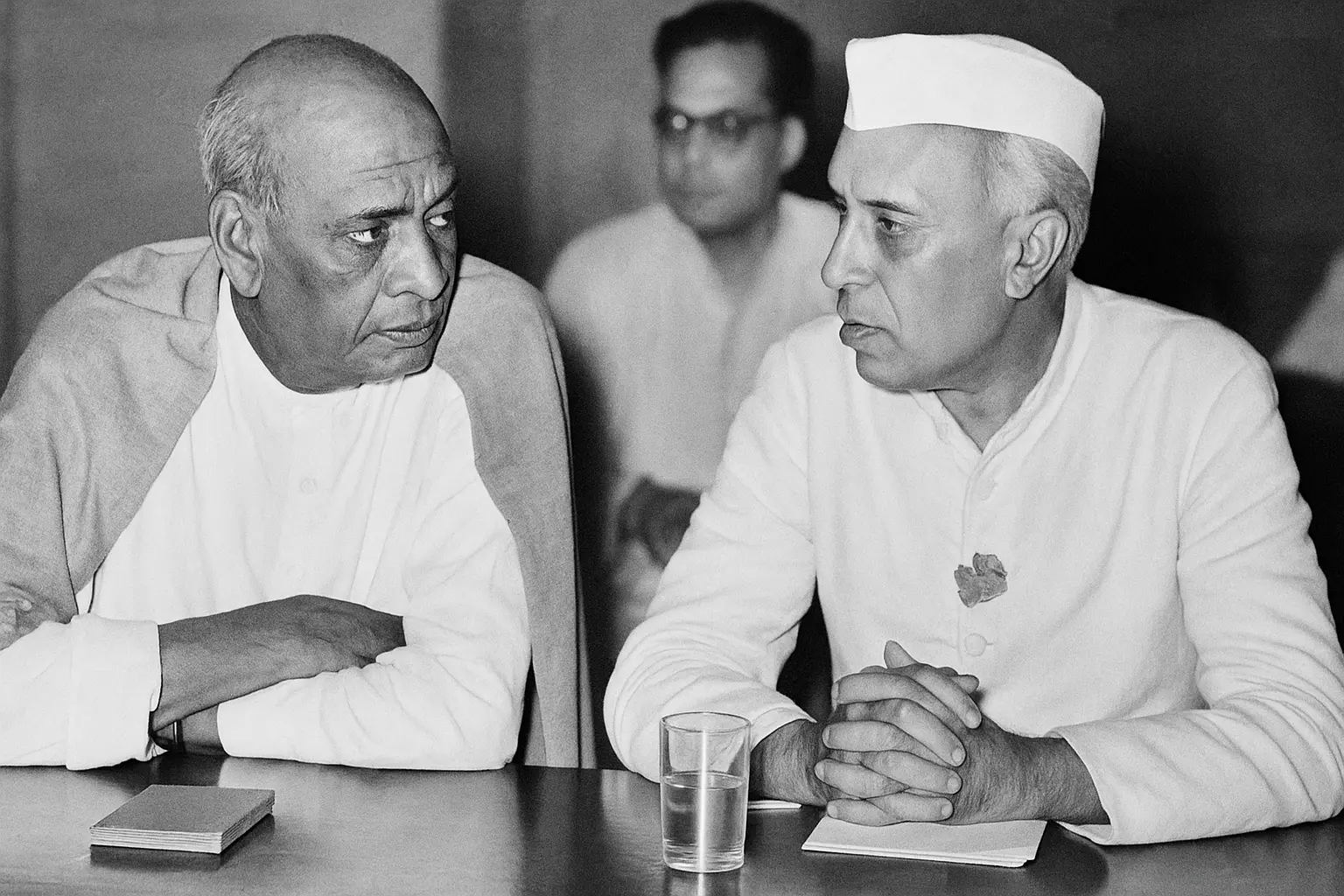
Historical Claim
Patel, the first Home Minister of India, oversaw the integration of over 550 princely states in 1947–48. Modi’s assertion suggests Patel also sought to integrate Kashmir completely at that time. Meanwhile, Nehru and other contemporaries maintained that the geopolitical reality and special status of Kashmir (under Article 370) required caution.
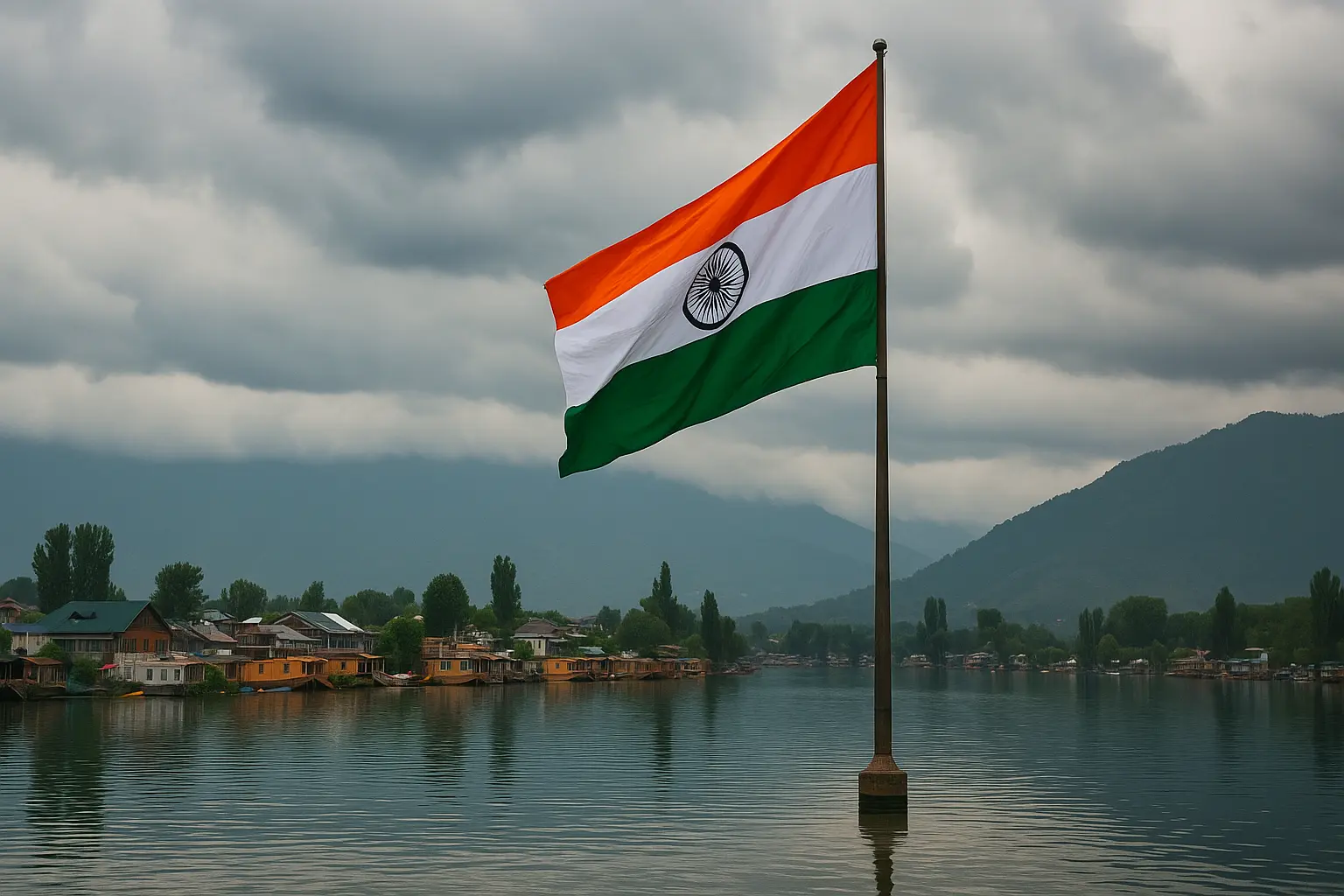
Constitutional Status of Kashmir
Under Article 370 (granted in 1954), Kashmir had its own constitution, flag and autonomy. Modi’s statement suggests that this arrangement was a “mistake” and that it stemmed from policy choices immediately after independence.
Political Implications
By making these comments on Rashtriya Ekta Diwas, Modi tied national unity, Patel’s legacy and contemporary politics together. It signals the BJP’s emphasis on narrative of full integration and sovereignty.
Why It Matters / Reader Impact
The statement has layered significance for New Delhi, India’s polity and the public:
- Legacy reconsideration: With Patel and Nehru being iconic leaders, the remarks invite revisionist historical discourse and may affect how textbooks, memorials and public memory are framed.
- National unity discourse: By linking Kashmir’s integration to national unity celebrations, the government reinforces a message that territorial integrity and constitutional uniformity go hand-in-hand.
- Electoral and ideological relevance: As politics in India often invokes history, claims like these shape public perception of past governments and current priorities.
Evidence / Expert Opinion
Historians and constitutional scholars have weighed in. Professor Suchitra Sen, from the Indian Institute of Advanced Studies, says:
“While Patel was unquestionably a key figure in integrating princely states, the claim that Nehru deliberately blocked Kashmir integration is more interpretive than strictly evidence-based. Archival documents show both leaders worked in a complex context.”
Legal scholar Dr. Rajan Menon adds:
“Modi’s framing ties Rashtriya Ekta Diwas to Kashmir policy. It is as much a political statement as a historical one—inviting citizens to view national unity through the lens of territorial integration.”
Comparisons / Historical Alternatives
- Patel’s Integration Model (1947–48): Rapid accession of princely states using Instruments of Accession, political pressure, and diplomacy.
- Kashmir Strategy (1950s): Constitutional autonomy under Article 370, a separate flag and state constitution.
- Current BJP Narrative: Post-2019 revocation of Article 370 signifies completion of integration mission.
Practical Takeaways / What Readers Should Do
- Review multiple perspectives on India’s early constitutional history to understand different narratives.
- Reflect on the meaning of national unity beyond symbolism—consider how governance, identity and policy interact.
- Monitor how textbooks, media and public commemorations evolve following such high-profile statements.
- Expect continued political emphasis on Kashmir and national integrity ahead of major elections.

$750 Cash App Gift Card
A $750 Cash App gift card may be available to select users. Checking eligibility is quick. You can check if you’re one of them.
FAQs
Q1: What is Rashtriya Ekta Diwas?
It is National Unity Day, celebrated on 31 October to honour Sardar Patel’s contributions to the integration of India.
Q2: What did PM Modi say on Rashtriya Ekta Diwas about Kashmir?
He stated that Sardar Patel had sought to unite Kashmir fully, but Nehru prevented it.
Q3: Did Nehru oppose Kashmir’s integration?
Historical records show Nehru supported Kashmir’s accession but favoured autonomy under Article 370—whether that equals “blocking” is debated.
Key Takeaways
- The statement by Modi links Rashtriya Ekta Diwas with a bold claim about Patel-Nehru dynamics over Kashmir.
- It reframes parts of 1940s–50s Indian constitutional history into current political discourse.
- Citizens should view the claim as part of a larger narrative about national unity and policy realignment.
Conclusion
The Rashtriya Ekta Diwas: PM Modi says Nehru stopped Sardar Patel from uniting entire Kashmir remark isn’t just rhetoric—it’s a pointer to how India’s past, present and future are being woven together. As citizens reflect on national unity, this statement invites a deeper look at history, leadership and the meaning of “One India”.