7 Real-Life Solutions That Transform Post-Polio Syndrome Management
Explore real-life solutions that transform post-polio syndrome management and improve daily living. This concise, research-backed guide highlights practical strategies, supportive therapies, and expert insights to help patients maintain strength and independence.

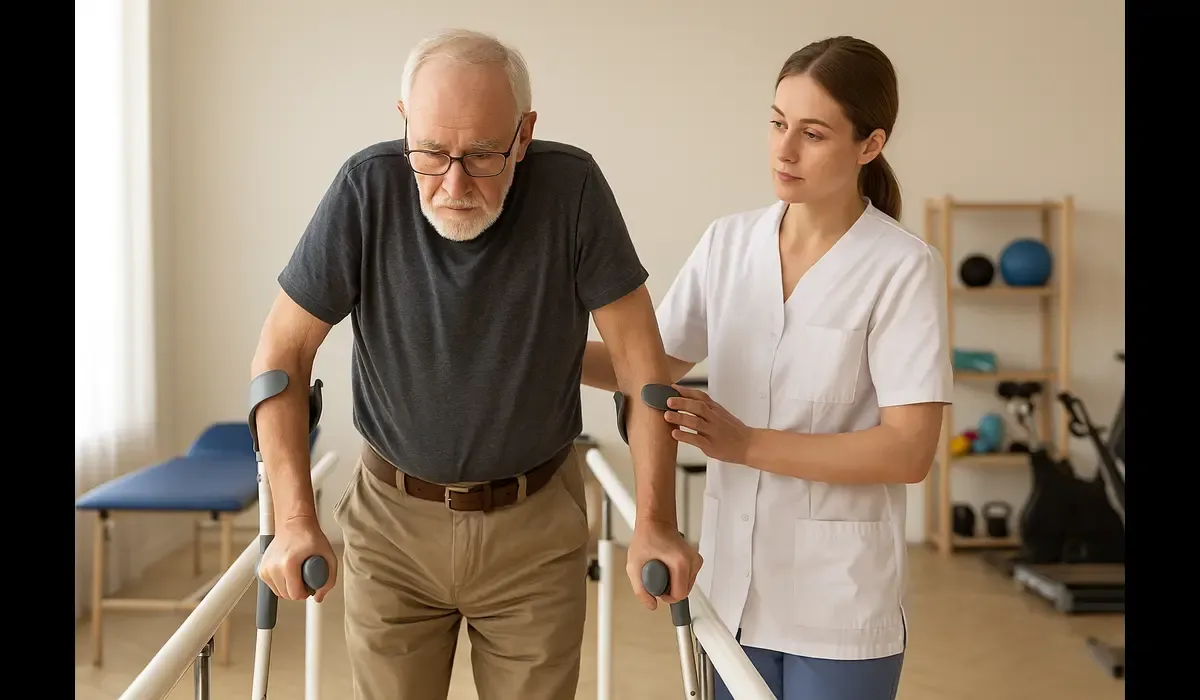
Post-polio syndrome symptoms often appear decades after recovery from polio, affecting up to 40% of survivors worldwide. Understanding these symptoms early can significantly improve management and quality of life.
- Affects people who recovered from polio years ago.
- Causes fatigue, muscle weakness, and pain.
- Treatments focus on rehabilitation and symptom control.
Quick Context
Post-polio syndrome (PPS) is a neurological condition that occurs years—often 15 to 40 years—after the initial poliovirus infection. It leads to progressive muscle weakness, fatigue, and pain, even in muscles that previously recovered. Unlike recurrent polio, PPS is non-contagious and results from the degeneration of nerve cells that compensated during recovery.

$500 PayPal Gift Card$500 PayPal Gift Card
Some users qualify for a $500 PayPal gift card. You can check if you qualify.
Common Post-Polio Syndrome Symptoms
Recognizing post-polio syndrome symptoms early helps prevent complications. The most reported symptoms include:
- Progressive Muscle Weakness: Often in legs, arms, or muscles used for breathing and swallowing.
- Extreme Fatigue: A major hallmark symptom, often worsened by physical activity.
- Muscle and Joint Pain: Due to overuse and uneven strain on weakened muscles.
- Sleep Disorders: Breathing difficulties and sleep apnea are frequent in advanced cases.
- Cold Intolerance: Many patients experience heightened sensitivity to cold temperatures.
- Cognitive Changes: Difficulty concentrating, mild memory lapses, and depression.
- Respiratory and Swallowing Issues: In severe cases, weakened chest and throat muscles affect daily functioning.
How Post-Polio Syndrome Differs from Polio Relapse
| Aspect | Post-Polio Syndrome | Polio Relapse |
|---|---|---|
| Cause | Degeneration of motor neurons | Reactivation of poliovirus |
| Onset | 15–40 years after recovery | Shortly after initial infection |
| Contagious | No | Yes |
| Treatment Focus | Rehabilitation and energy conservation | Antiviral and supportive therapy |
Causes and Risk Factors
While the exact cause of PPS remains uncertain, experts suggest the following mechanisms and risk factors:
- Overuse of Surviving Motor Neurons: During initial recovery, surviving neurons sprouted new nerve endings to compensate for lost ones. Over time, these extensions break down due to overuse.
- Aging: Natural motor neuron loss due to aging may accelerate PPS onset.
- Severity of Initial Infection: Individuals with severe polio are more likely to develop PPS.
- Lifestyle Stressors: Physical overexertion, chronic stress, or illnesses can trigger symptom progression.
Latest Research and Medical Insights
Recent studies, including those from the National Institute of Neurological Disorders and Stroke (NINDS), emphasize early detection and symptom-specific interventions. No single diagnostic test confirms PPS, but neurologists use electromyography (EMG) and muscle strength testing to rule out other conditions.
Clinical trials are exploring neuroprotective agents and non-invasive brain stimulation as potential therapies, though current treatment remains supportive and rehabilitative.
Post-Polio Syndrome Treatment Options
There is no cure for post-polio syndrome, but a multidisciplinary approach can help manage symptoms effectively.
1. Physical Therapy and Exercise
- Goal: Maintain mobility without overexerting muscles.
- Approach: Low-impact exercises like swimming, water aerobics, or stationary cycling.
- Caution: Overworking muscles can worsen weakness; therapy must be tailored to the patient’s limits.
2. Assistive Devices
- Braces, canes, and mobility scooters reduce strain on weakened limbs.
- Respiratory aids may be needed for breathing difficulties.
- Ergonomic furniture and orthotics enhance comfort and posture.
3. Medications
- Pain Management: Nonsteroidal anti-inflammatory drugs (NSAIDs) for joint and muscle pain.
- Fatigue Relief: Amantadine or modafinil may be prescribed under supervision.
- Sleep Disorders: Treated using CPAP devices for apnea or mild sedatives.
4. Occupational Therapy
- Helps modify daily routines and work tasks.
- Focuses on energy conservation, body mechanics, and task adaptation.
5. Psychological Support
- Chronic fatigue and loss of independence can lead to depression.
- Cognitive-behavioral therapy (CBT) and support groups play vital roles in coping.
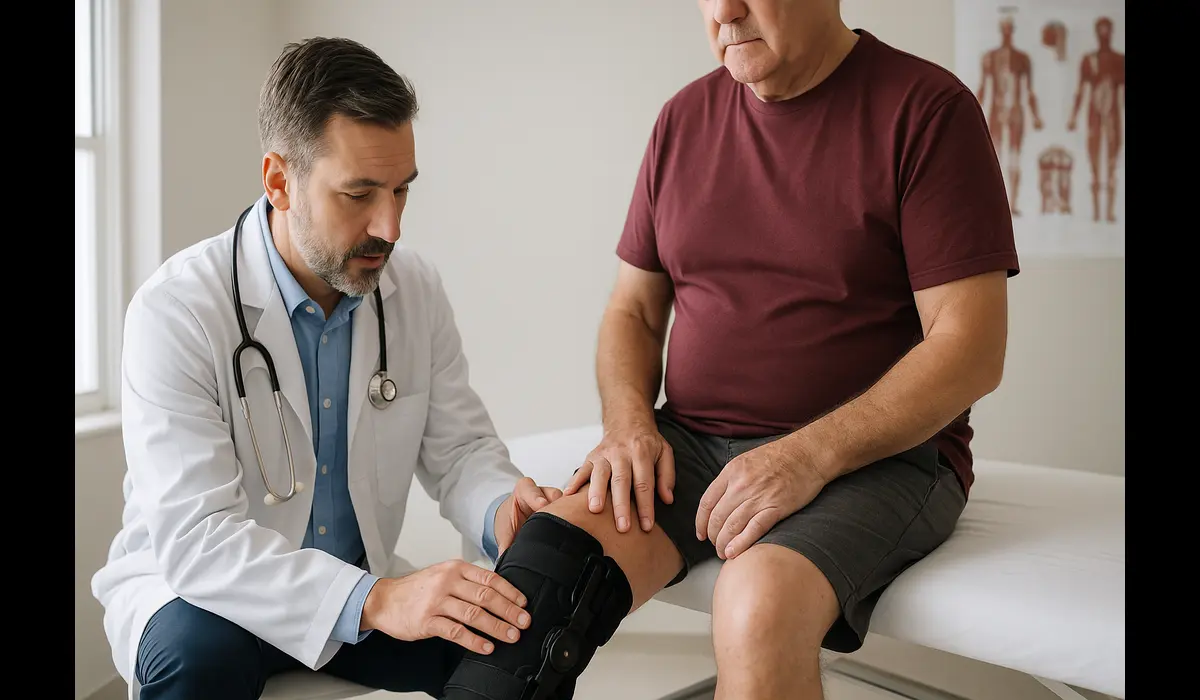
Managing Life with Post-Polio Syndrome
Living with post-polio syndrome requires strategic lifestyle adjustments:
- Balance Rest and Activity: Plan short activities followed by rest periods.
- Avoid Overexertion: Listen to your body’s limits; fatigue signals should guide activity levels.
- Prioritize Nutrition: High-protein diets and hydration help muscle recovery.
- Regular Checkups: Routine neurologic and respiratory assessments prevent progression.
Expert Opinions
According to Dr. Julie Silver, a rehabilitation specialist at Harvard Medical School, “Post-polio syndrome doesn’t mean your life stops. The key is managing energy and finding adaptive ways to live fully.”
Experts stress early recognition of post-polio syndrome symptoms as critical for slowing decline.
Practical Takeaways
- Identify post-polio syndrome symptoms early—muscle weakness, pain, and fatigue are red flags.
- Engage in supervised physical therapy instead of self-directed exercise.
- Use assistive tools to maintain independence and prevent strain.
- Prioritize mental well-being—seek support for fatigue and anxiety.

$500 Walmart Gift Card$500 Walmart Gift Card
Some users qualify for a $500 Walmart gift card. You can check if you qualify.
FAQs
1. What are the earliest post-polio syndrome symptoms?
Early symptoms include muscle fatigue, reduced endurance, and unexplained pain, often in muscles previously affected by polio.
2. Can post-polio syndrome be cured?
No, but symptom-based treatment can significantly improve function and comfort.
3. How is post-polio syndrome diagnosed?
Through exclusion—neurologists use physical exams, EMG, and medical history to confirm PPS and rule out other conditions.
4. What exercises are safe for post-polio syndrome patients?
Low-impact activities such as swimming or yoga under physiotherapist supervision are best.
Key Takeaways
- Post-polio syndrome symptoms often appear decades later and progress slowly.
- Early diagnosis and multidisciplinary treatment can extend independence.
- Proper rest, therapy, and mental health care form the foundation of long-term management.
Conclusion
Post-polio syndrome symptoms can be life-altering but manageable with timely care and adaptive strategies. The condition underscores the importance of sustainable rehabilitation and self-awareness in polio survivors.