7 Real Impacts of North Korea’s Political Climate on Tourism – The Good, The Bad, and The Forbidden
Explore how North Korea’s political climate quietly shapes who can enter, what travelers see, and how the state controls every step. This concise analysis reveals the real risks, rare opportunities, and hidden restrictions influencing its tightly managed tourism landscape.

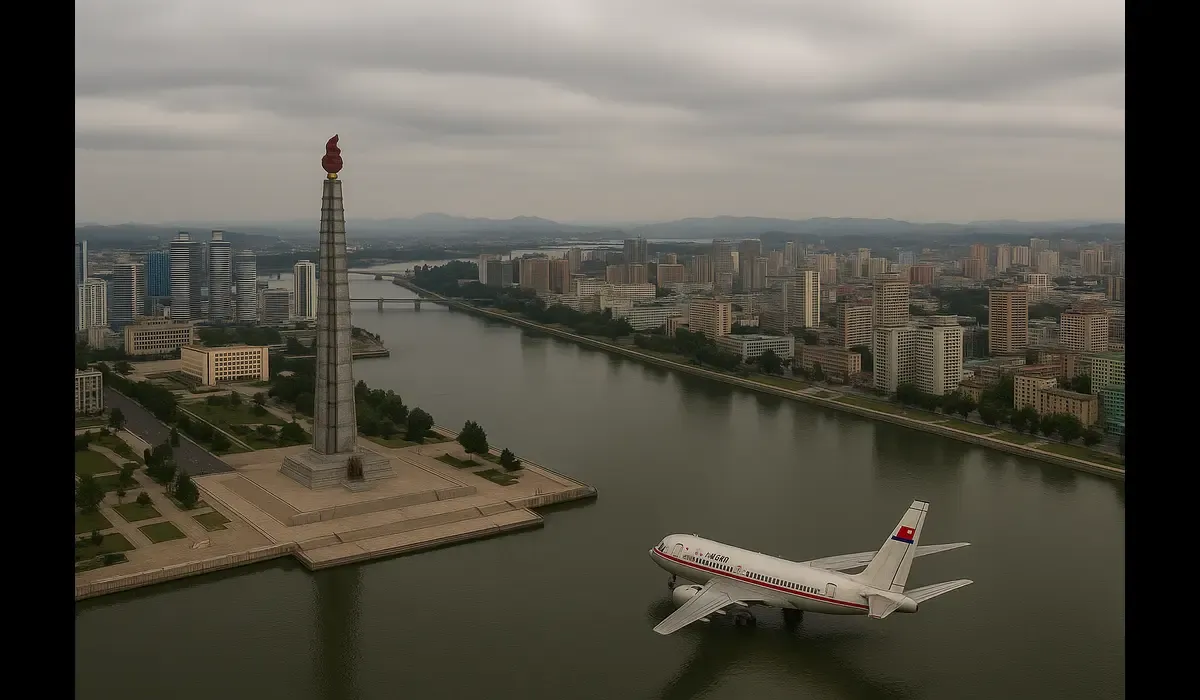
The political climate in North Korea tourism defines everything — who can enter, what they can see, and how they are shown it.
Unlike most destinations, the DPRK (Democratic People’s Republic of Korea) doesn’t view tourism purely as an economic sector. It treats it as a state-managed instrument of ideology, diplomacy, and control.
Over the decades, changes in global politics — from sanctions to diplomatic summits — have either opened or closed North Korea’s narrow tourism window. The result: one of the most unusual and politically influenced tourism models in the world.
- Tourism in North Korea is entirely shaped by its political environment and foreign relations.
- Government control defines every tourist route, guide interaction, and itinerary.
- International sanctions, diplomacy, and propaganda strategy directly impact visitor access.

$500 Walmart Gift Card
Not everyone qualifies for this $500 Walmart gift card. Checking only takes a moment. You can check if you’re eligible.
What Is the Political Climate in North Korea Tourism?
North Korea’s tourism is not a free market or leisure industry. It is a politically engineered mechanism controlled by the government to serve diplomatic and economic goals under extreme regulation.
Historical Background
Since its founding in 1948, North Korea has maintained strict isolation. Tourism began cautiously in the 1980s through bilateral cooperation with China, later expanding in the early 2000s to Western visitors.
However, each phase of openness was followed by retrenchment whenever political tension rose — such as after nuclear tests or international sanctions.
State Control Structure
- Supervised Tourism: Every trip is arranged by the Korean International Travel Company (KITC), a government entity.
- Guide Presence: Tourists are always accompanied by at least two guides and one driver.
- Restricted Geography: Only Pyongyang, Kaesong, Myohyang, and certain cultural sites are open.
- Propaganda Function: Tours emphasize ideological unity, economic achievements, and leadership reverence.
Tourism in the DPRK therefore reflects the political narrative rather than local culture.
Why the Political Climate Matters
1. Economic Strategy Under Sanctions
Tourism provides one of the few legitimate sources of foreign currency for North Korea. However, heavy sanctions limit infrastructure and international transactions, making tourism both vital and fragile.
2. Diplomatic Leverage
The DPRK uses tourism as soft diplomacy — a rare way to project its image globally and maintain selective engagement with foreign citizens.
3. Ideological Presentation
Tours are tightly scripted to showcase national achievements while hiding poverty or dissent, serving as political theater for outsiders.
4. International Relations
Relations with China, Russia, and the U.S. directly affect who can visit and when. A single political incident can suspend tourism instantly.
How Does the Political Climate Shape North Korea Tourism?
Tourist Entry Regulation
All foreign tourists must enter under state-approved programs. Political conditions determine:
- Whether borders are open.
- Which nationalities can enter.
- Which itineraries are permitted.
During diplomatic standoffs or sanctions tightening, tourism halts completely.
State Narrative and Messaging
Tours are designed to reinforce political messages — self-reliance (Juche), loyalty, and national unity. Museums and monuments highlight state history from an ideological perspective, not historical balance.
Impact of Global Sanctions
Sanctions restrict:
- International banking for tour operators.
- Fuel supply for domestic transport.
- Construction of new hotels or airports.
Thus, tourism capacity is politically capped even when demand exists.
Case Example
After the 2018 Singapore Summit between Kim Jong-un and Donald Trump, North Korea briefly encouraged more Western tourists. But when diplomatic talks collapsed, the tourism window narrowed again.
How Does International Politics Affect North Korea Tourism?
1. Relations with China
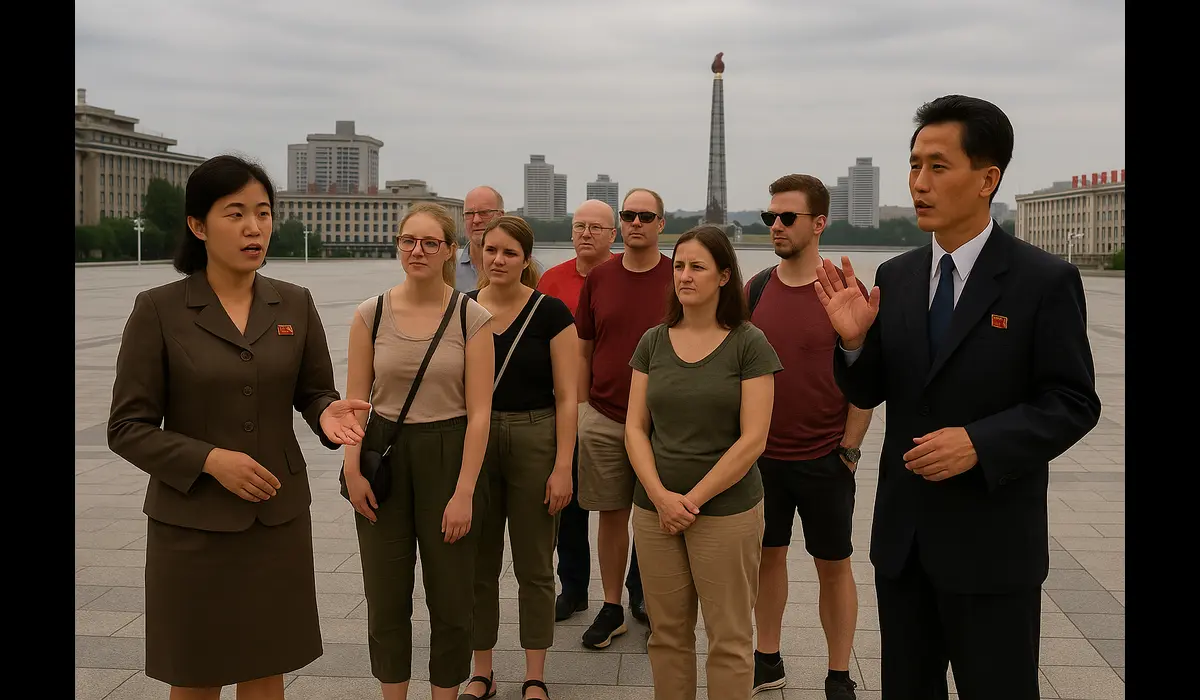
China accounts for over 80% of all DPRK tourists. Any change in Beijing–Pyongyang relations immediately shifts travel volume. For instance:
- During COVID-19, China’s border closure halted all DPRK tourism.
- Improved bilateral ties later reopened limited group tours.
2. Relations with Russia
Moscow supports limited cultural exchange tourism, especially from Vladivostok. Political alignment allows selective Russian tour groups access even when Westerners are restricted.
3. Western Sanctions
U.S. and EU sanctions block most Western travel agencies from direct operations. American citizens are currently prohibited from entering DPRK under U.S. law.
4. Geopolitical Events
- Missile tests → border tightening.
- Diplomatic negotiations → temporary openings.
- Leadership anniversaries → controlled festival tours for propaganda.
Political Framework Behind DPRK Tourism
| Political Factor | Tourism Effect | Example |
|---|---|---|
| Sanctions Policy | Limits international transactions | UN trade sanctions after 2017 nuclear test reduced tourism funding |
| Diplomatic Relations | Determines access for certain countries | Friendly nations like China allowed; U.S. banned |
| Domestic Propaganda Goals | Shapes tour content | Emphasis on monuments and socialist success |
| Leadership Stability | Impacts internal policy | Smooth succession in 2011 led to renewed tours in 2013 |
| Security Tensions | Causes closures or travel bans | DMZ incidents often suspend tourism temporarily |
Step-by-Step: How Political Climate Impacts Tourism Operations
Step 1 – Policy Authorization
The North Korean Cabinet approves annual tourism quotas and routes based on diplomatic context.
Step 2 – Foreign Agency Licensing
Foreign travel operators must renew licenses each year through the KITC, subject to political approval.
Step 3 – Tour Approval
Each itinerary and visitor list undergoes government screening.
Step 4 – On-Ground Management
Guides, drivers, and hotels coordinate via the Ministry of State Security, ensuring visitors follow pre-approved schedules.
Step 5 – Post-Tour Reporting
After each trip, agencies submit visitor reports for internal review. Negative publicity may lead to future bans.
Common Misconceptions About North Korea’s Tourism Climate
Myth 1: Tourism is Independent of Politics
False. Every travel policy decision originates from state politics, not market demand.
Myth 2: Sanctions Stop All Tourism
Incorrect. Tourism is one of the few legal economic activities exempt from direct sanctions, but still indirectly affected.
Myth 3: Tourists See Real Life in North Korea
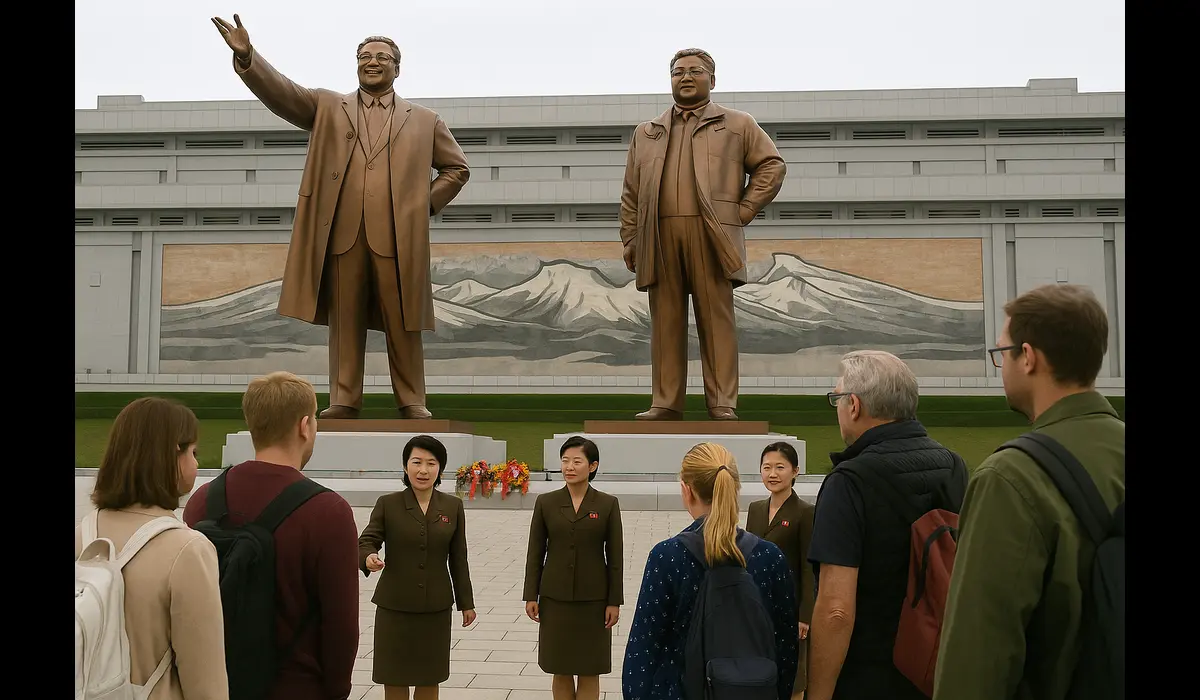
False. Most tours are staged within curated zones showing only model facilities and monuments.
Myth 4: It’s Unsafe to Visit
Partly false. Legal guided tours operate safely under strict supervision, though political risks remain high.
Myth 5: Tourism Revenue is Minor
Not true. Despite small numbers, tourism provides vital foreign cash inflow to a sanctioned economy.
Case Studies: Political Shifts and Tourism Trends
Case Study 1 – The 2018 Summit Effect
After high-level diplomatic meetings between North Korea and the U.S., international curiosity spiked. Chinese tour operators reported a 40% increase in inquiries.
However, when talks failed, enthusiasm collapsed — illustrating how diplomacy directly drives tourism demand.
Case Study 2 – The 2008 Kaesong Shooting
A tragic incident at the Mount Kumgang resort (a joint North–South venture) led to South Korea banning all tourism cooperation. The site remains closed to this day.
Case Study 3 – Pandemic Border Closure
In 2020, North Korea sealed its borders for nearly four years. The complete suspension of tourism shows the regime’s absolute control over movement regardless of economic loss.
Expert Insights
Dr. Hyun Park, professor of East Asian Studies, notes:
“Tourism in North Korea functions as a mirror of its political priorities. When the leadership seeks legitimacy or currency, borders open slightly. When it fears exposure or instability, they close instantly.”
Tour Operator Insight:
A Beijing-based DPRK agency representative stated anonymously:
“Tourism is never about leisure here; it’s about presentation. Everything is political — from your guide’s speech to the direction of your camera.”
Future Outlook: What Lies Ahead for North Korea Tourism?
1. Gradual Re-Engagement with China
North Korea is likely to reopen to limited Chinese group tours first, boosting foreign exchange income.
2. Digital Surveillance Expansion
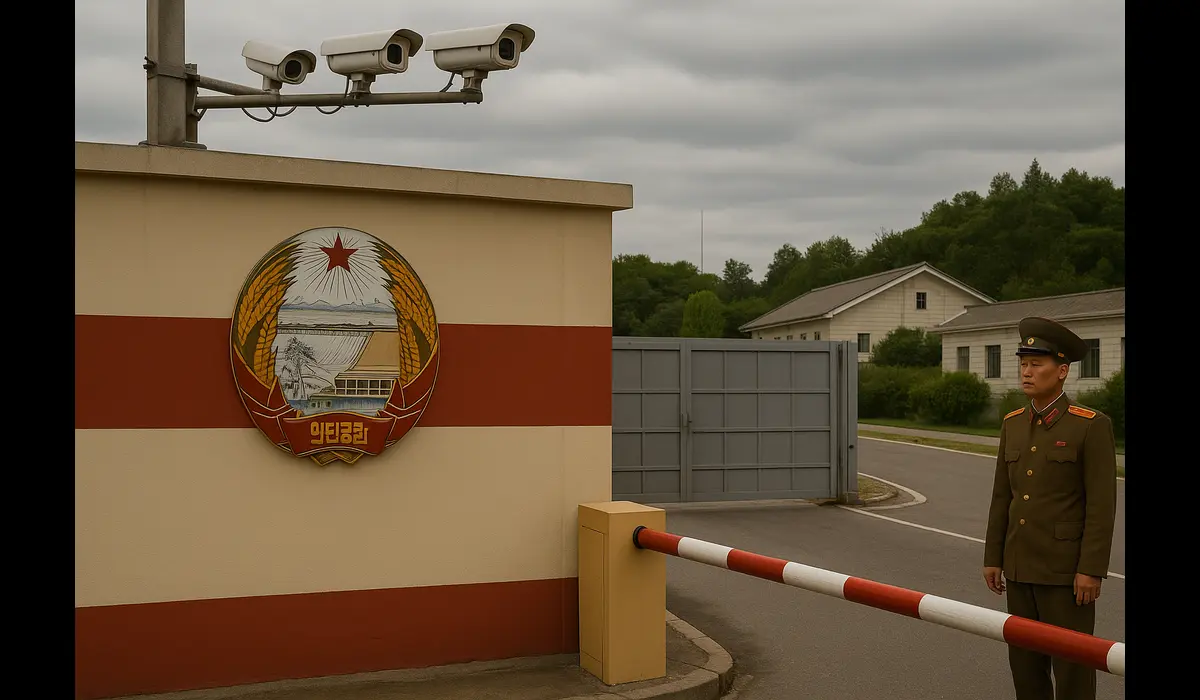
As the DPRK modernizes, digital tracking of tourists (via controlled mobile devices) will become standard.
3. Political Stability Equals Tourism Growth
Periods of diplomatic calm may see the re-emergence of Western curiosity tours.
4. Global Sanction Adaptation
The DPRK may develop barter-based or crypto-supported transactions to sustain limited tourism revenue.
5. Ethical Tourism Evolution
Future agencies will emphasize responsible cultural interaction and transparency in reporting.

$500 PayPal Gift Card
Not everyone qualifies for this $500 PayPal gift card. Checking only takes a moment. You can check if you’re eligible.
FAQs
Q1: How does the political climate affect tourism in North Korea?
A: It determines border openings, tour availability, and which countries can legally send visitors.
Q2: Is tourism used as propaganda in North Korea?
A: Yes. Tours are carefully curated to reinforce state ideology and control foreign perceptions.
Q3: Are tourists safe despite the political situation?
A: Generally, yes—provided they strictly follow guide instructions and avoid rule violations.
Q4: How do international sanctions impact tourism?
A: Sanctions restrict payment systems, infrastructure development, and international marketing but don’t fully ban tourism.
Q5: Can the political climate improve tourism in the future?
A: If diplomatic relations normalize, limited tourism could expand as a soft-power and revenue channel.
Q7: What role do guides play in political tourism?
A: They are both cultural interpreters and state monitors, ensuring that visitors conform to approved behavior.
Key Takeaways
- The political climate in North Korea tourism dictates every aspect of travel — from visas to itineraries.
- Tourism serves as economic relief and propaganda, not leisure.
- Sanctions and diplomacy directly influence access and interest.
- Tour guides and agencies are political tools, not private businesses.
- The future of DPRK tourism depends on global diplomacy, not market trends.
Conclusion
The political climate and its impact on North Korea tourism reveal that this industry is unlike any other. It’s not about sightseeing or culture; it’s about state control, messaging, and survival.
Tourism in North Korea exists at the crossroads of politics and economics, serving as both a diplomatic channel and ideological showcase. While the possibility of greater openness remains distant, understanding how politics shapes every step of DPRK tourism helps travelers, policymakers, and scholars navigate this complex space responsibly.