Why Plague in California Demands Our Attention in 2025
Learn why the plague in California is drawing renewed concern in 2025 through verified public health data and expert analysis. This research-driven update explains real risks, transmission patterns, and what residents should know right now.

Introduction
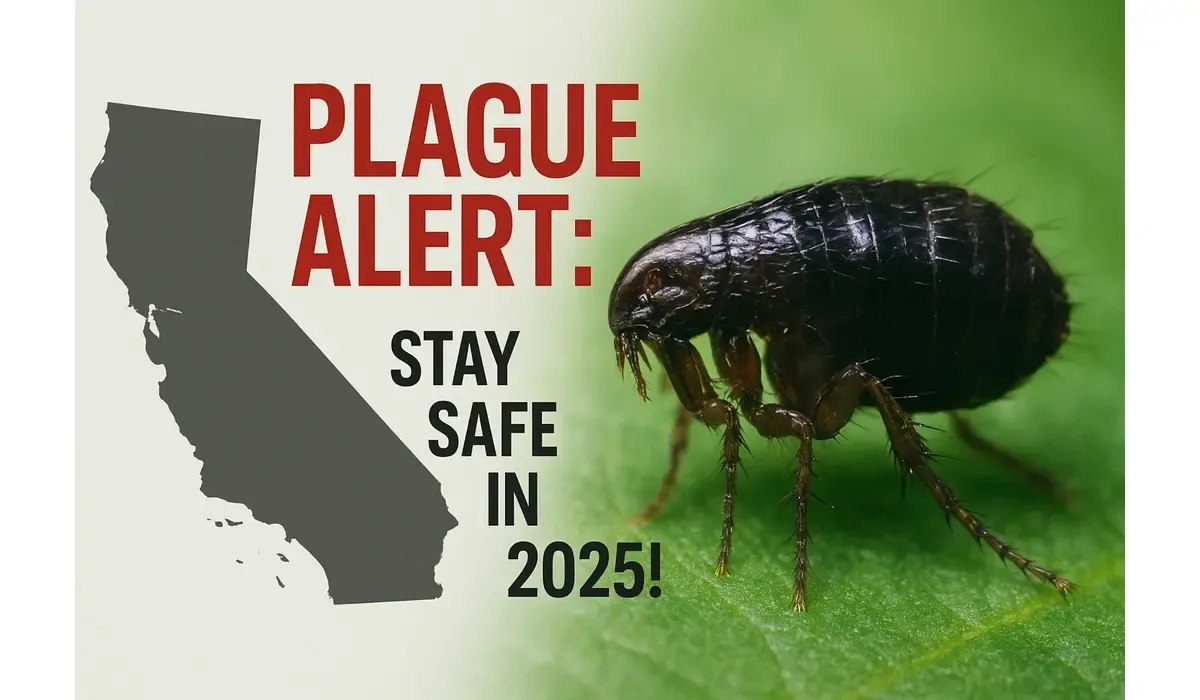
In 2025, Plague in California has moved from a distant historical concern to a very real public health headline. Recent confirmed cases near popular destinations like Lake Tahoe and Yosemite are reminding us that this ancient disease is still present in parts of the western United States. While modern medicine makes plague treatable, the sudden rise in reported exposures is raising new questions about wildlife, environmental conditions, and traveler safety. For Californians—and the millions of tourists who visit the state’s national parks each year—these developments demand closer attention than ever before.
What Is Plague in California and Why Is It Trending in 2025?
Plague in California isn’t new. It’s endemic in wild rodents like squirrels and chipmunks. The bacterium Yersinia pestis spreads via fleas. Humans get infected through bites or handling sick animals. In 2025, attention spiked with a confirmed case in El Dorado County. The patient, bitten while camping in South Lake Tahoe, is recovering at home. This echoes past incidents. In 2020, another Tahoe case occurred. From 2021 to 2024, 41 rodents tested positive for plague exposure in the area.
Why the buzz now? Social media amplifies plague outbreak in California 2025 news updates. Users share alerts rapidly. Experts note climate change may expand rodent habitats, increasing risks. Warmer temperatures aid flea survival. This trends among researchers studying outbreaks. It prompts discussions on zoonotic diseases—those jumping from animals to humans.
Emotional weight hits home. Imagine a family hike turning perilous. Knowledge demystifies fear. For teachers, it’s a teachable moment on history meeting modernity. Check our guide on zoonotic diseases for deeper insights.
Is There a Plague Outbreak in California 2025? Latest News Updates
No widespread outbreak exists. But isolated cases persist. Plague outbreak in California 2025 news updates focus on the Tahoe incident. Officials investigate flea sources. Four rodents tested positive this year in the Tahoe Basin. An Arizona man died from plague in July 2025, heightening awareness.
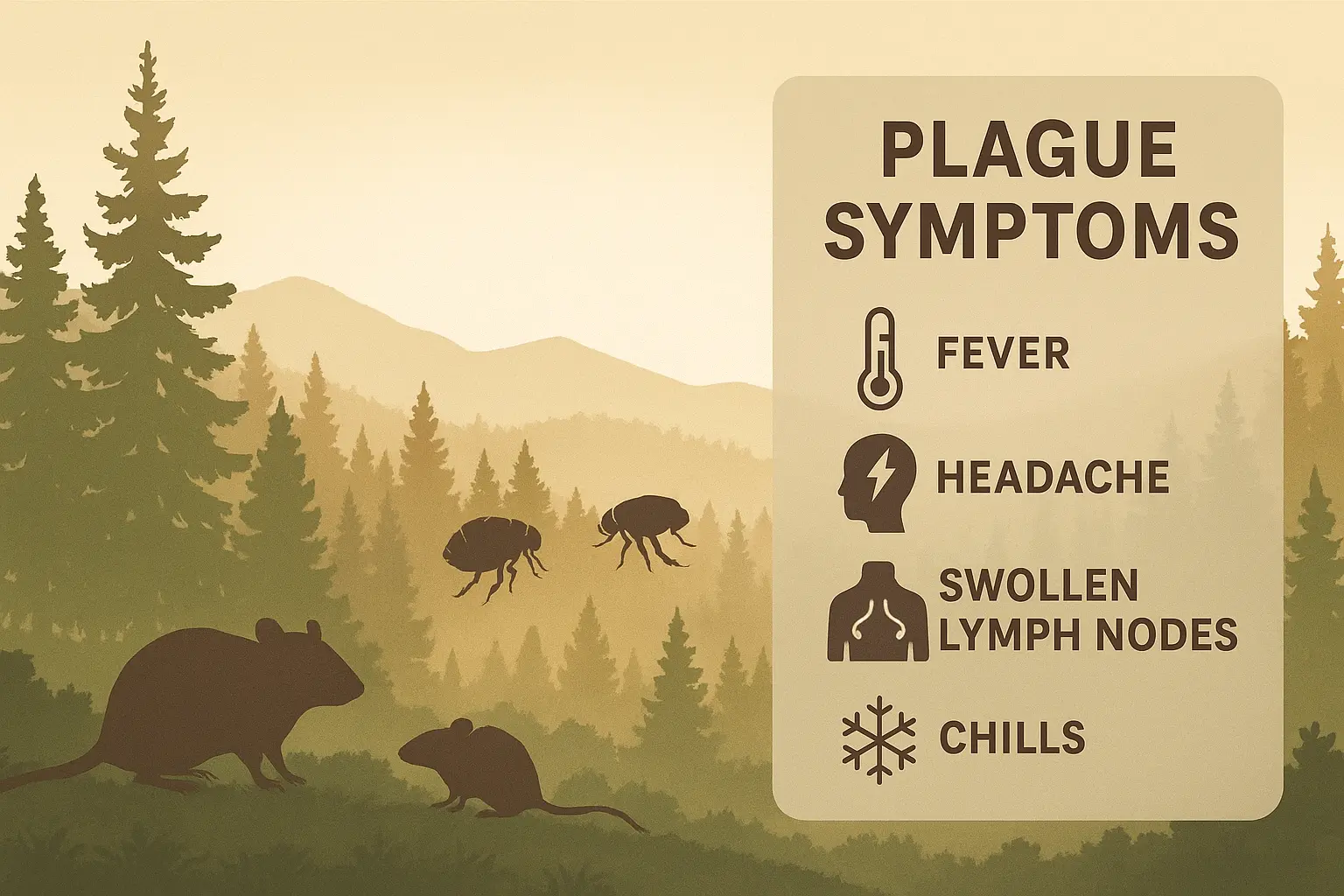
Plague forms vary. Bubonic is common, causing swollen lymph nodes. Septicemic affects blood. Pneumonic hits lungs and spreads person-to-person—rare in the U.S. Symptoms emerge within two weeks: fever, chills, weakness. Early antibiotics cure it effectively.
For USA audiences over 35, sharing news educates. Researchers use these updates for studies. No panic needed—risk is low. But vigilance matters in rural areas. Explore outbreak tracking tools for real-time data.
How Can You Prevent Plague in California During Outdoor Activities?
Prevention is key. Avoid wild rodents. Don’t feed squirrels or chipmunks. Keep pets leashed; use flea control. Wear long pants, tuck into boots. Apply DEET repellent on socks.
In plague outbreak in California 2025 news updates, officials stress these steps. Camp away from burrows. Never touch dead animals. Cats are susceptible; they can transmit to owners. Report sick rodents to health departments.
This empowers educators and students. Share tips on social media. It builds community resilience. For researchers, data from surveillance—like CDPH’s rodent monitoring—fuels studies. Link to our wildlife health resources for more.
Emotional resonance: Nature’s beauty hides risks. Awareness turns fear into action, safeguarding adventures.
What Are the Long-Term Implications of Plague in California for Public Health?
Plague signals broader issues. Climate shifts may increase cases. Rodent populations grow in warmer climes. Urban expansion encroaches on habitats.
Public health responds with surveillance. CDPH tests rodents yearly. Education campaigns target hikers, campers. For over-35 demographics, this ties to lifelong learning.
Plague outbreak in California 2025 news updates highlight success: Early detection saved the Tahoe patient. It inspires researchers. Global parallels exist—in Africa, cases number thousands.
Trust in science matters. Vaccines aren’t routine, but antibiotics work. This fosters hope amid concern.

Conclusion
Plague in California endures as a reminder of nature’s unpredictability in 2025. From the recent Tahoe case to ongoing rodent surveillance, it calls for awareness and prevention. By sharing plague outbreak in California 2025 news updates, educators, teachers, and researchers empower communities. Early treatment saves lives; simple precautions protect them. Stay informed—your actions shape a safer future.
– Frequently Asked Questions
Is there plague in California?
Yes, plague in California is endemic in wild rodents, with rare human cases like the 2025 Tahoe incident. See our section on plague trends.
What are the symptoms of plague?
Symptoms include fever, chills, weakness, and swollen lymph nodes, appearing within two weeks. Plague outbreak in California 2025 news updates emphasize early antibiotic treatment.
How do you get plague?
Mainly from infected flea bites or handling sick animals. Avoid rodents to prevent plague in California.
Is plague contagious?
Only pneumonic plague spreads person-to-person via droplets; bubonic forms do not. No U.S. spread in over a century.
When was the last plague case in California?
The latest was in August 2025 in South Lake Tahoe. Prior: 2020 in El Dorado County.
How to prevent plague?
Use DEET, avoid wild animals, control pet fleas. Link to prevention tips.
Is plague deadly?
Untreated, yes—but antibiotics cure it if caught early, as in recent plague outbreak in California 2025 news updates.