Pakistan Afghanistan Peace Talks in Doha 2025: What’s at Stake?
Explore how the Pakistan Afghanistan peace talks in Doha 2025 could reshape regional security, diplomatic ties, and future cooperation. This analysis breaks down the key stakes, emerging pressures, and what both nations stand to gain—or lose.

Introduction
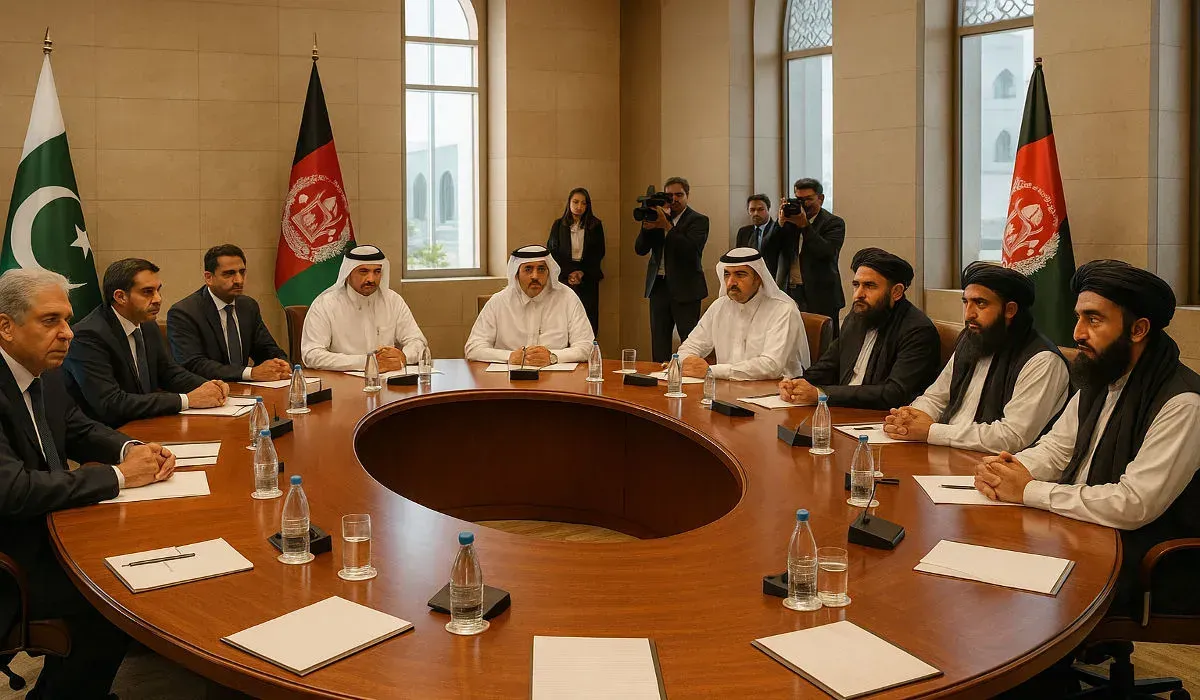
Pakistan Afghanistan peace talks in Doha 2025 mark a critical moment. A week of intense border fighting—dozens killed, hundreds wounded—has driven both neighbours to the negotiating table.
- high-level delegations met in Doha on October 18 to salvage a fragile cease-fire.
- They face entrenched issues: militant safe havens, disputed borders, and deep mistrust.

$750 Amazon Gift Card
Some users qualify for a $1000 Walmart gift card. You can check if you qualify.
What are the Pakistan Afghanistan peace talks in Doha 2025?
These talks are formal negotiations between the governments of Pakistan and Afghanistan—led by senior defence and foreign officials—convened in Doha, Qatar, to address cross-border violence, terrorism, and the shared 2,600-km frontier.
Latest Update: What Happened in Doha?
- On October 17, both sides extended a 48-hour cease-fire ahead of talks in Doha. Reuters+1
- On October 18, Pakistani Defence Minister Khawaja Muhammad Asif and Afghan Defence Minister Mullah Muhammad Yaqoob led their delegations in Doha.
- The agenda: immediate measures to end cross-border terrorism, restore stability along the frontier. Pakistan emphasised militants from Afghan soil attacking Pakistan; Afghanistan denied harbouring them and decried air-strikes by Pakistan.
- Stakes are high: this is the worst bout of violence between the neighbours since 2021.
Key Facts & Context
Nature of the Border Conflict
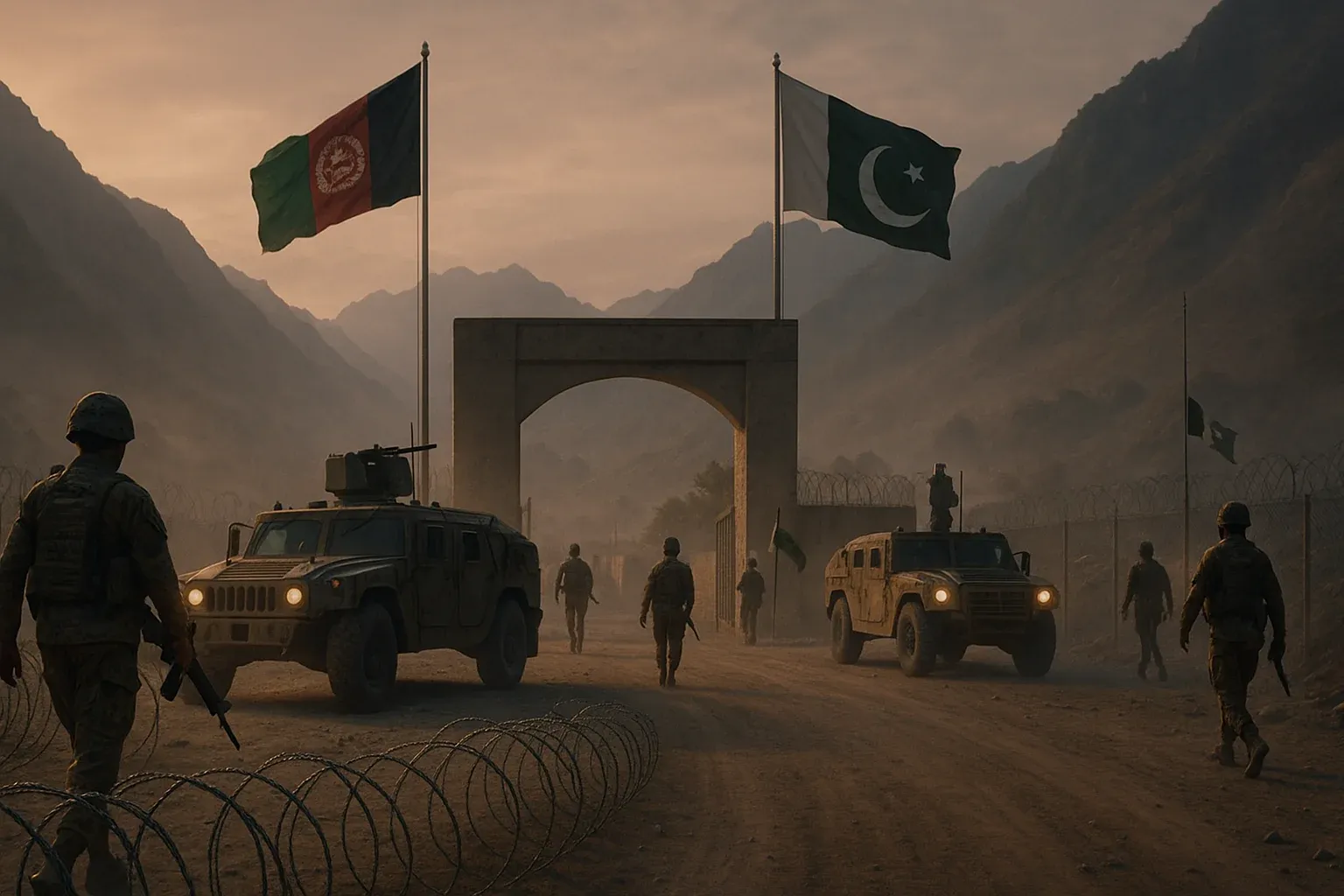
The Afghanistan-Pakistan border, often known as the Durand Line (which Afghanistan does not fully recognise), has long been volatile. Cross-border attacks, air-strikes, accusations of safe havens for militants all compound the tension.
Motives and Participants
- Pakistan seeks an end to militancy emanating from Afghan territory, particularly groups like the Tehrik‑e‑Taliban Pakistan (TTP).
- Afghanistan (under the Taliban administration) must balance its own claims of sovereignty with international pressure and domestic dynamics.
- Qatar is the mediator; China and other regional actors also watch closely.
Why Now?
- A surge in violence: clashes, civilian casualties, closure of border crossings. Reuters+1
- Sport and diplomacy impacted: Afghanistan’s withdrawal from a cricket series after three players were killed raised regional alarm.
Why It Matters / Reader Impact
These talks matter because:
- Regional stability: Pakistan and Afghanistan both sit at key junctions in South Asia. A breakdown in relations affects not just them but neighbours and broader trade, security links.
- Militant and terrorist risk: Without effective agreements, cross-border militancy may grow, threatening both states and beyond.
- Human cost and refugee flows: Civilian casualties, displacement, border closures disrupt lives and economies.
- Global diplomacy: Many powers (including China, Gulf states) have strategic interests in the region; successful talks may signal a shift toward deeper engagement.
Comparisons & Alternatives
| Scenario | What It Looks Like | Implication |
|---|---|---|
| Successful deal | Border security mechanisms, joint patrols, intelligence sharing | Stabilisation, renewed trade |
| Partial deal | Verbal commitments, short-term cease-fire without structure | Temporary relief, risk of relapse |
| Breakdown | Return to strikes, cross-border attacks, diplomatic rift | Regional escalation, humanitarian fallout |
Expert Insights
Analysts note Pakistan’s traditional strategy of dual engagement (with the Taliban and other militant groups) is now under strain. The Afghan government and Taliban both push back on Pakistan’s claims of safe havens. Meanwhile, the extension of the cease-fire ahead of talks could be a tactical pause rather than a strategic shift.
Practical Takeaways: What Readers Should Do
- Watch for concrete agreements: Instead of lofty rhetoric, look for instruments detailing border monitoring, incident protocols, joint mechanisms.
- Track spill-over effects: Border peace affects trade routes, refugees, local economies—readers in regional business or travel sectors should monitor for changes.
- Be aware of human rights implications: Civilian casualties and displacement from cross-border fire are part of this story; supporting credible reporting matters.
- Consider the broader context: This is not just bilateral; China, Gulf states, and global powers are stakeholders. What they do influences outcomes.

$750 Cash App Gift Card
Some users qualify for a $750 Cash App gift card. You can check if you qualify.
FAQs
Q: What are the Pakistan Afghanistan peace talks in Doha 2025 trying to achieve?
They aim to halt violence, establish mechanisms to manage the border, and address Pakistan’s concerns about militant attacks originating from Afghan territory.
Q: Who is leading the Pakistan Afghanistan peace talks in Doha 2025?
Pakistan’s Defence Minister Khawaja Muhammad Asif and Afghanistan’s Defence Minister Mullah Muhammad Yaqoob lead the delegations under Qatari mediation.
Q: How recent is the conflict prompting these talks?
The talks follow the worst border clashes since 2021, including air-strikes, ground engagements and hundreds of casualties over a week
Q: Can ordinary citizens feel any effect of these talks?
Yes. If sustained, the talks may ease border closures, improve trade routes, and reduce civilian risk in border districts.
Conclusion
The Pakistan Afghanistan peace talks in Doha 2025 offer a critical window to transform a cycle of conflict into structured diplomacy. With border violence spiking, mutual accusations deepening and regional stakes rising, the outcome of these talks could reshape South Asia’s security architecture. What’s your take?