5 Powerful Insights from the Pakistan Afghanistan Ceasefire Agreement 2025: A Fragile Peace or a Real Turning Point?
Discover powerful insights from the Pakistan–Afghanistan ceasefire agreement 2025—revealing whether it marks a fragile peace or a true turning point. This concise, research-driven breakdown highlights key terms, regional stakes, and the challenges ahead.

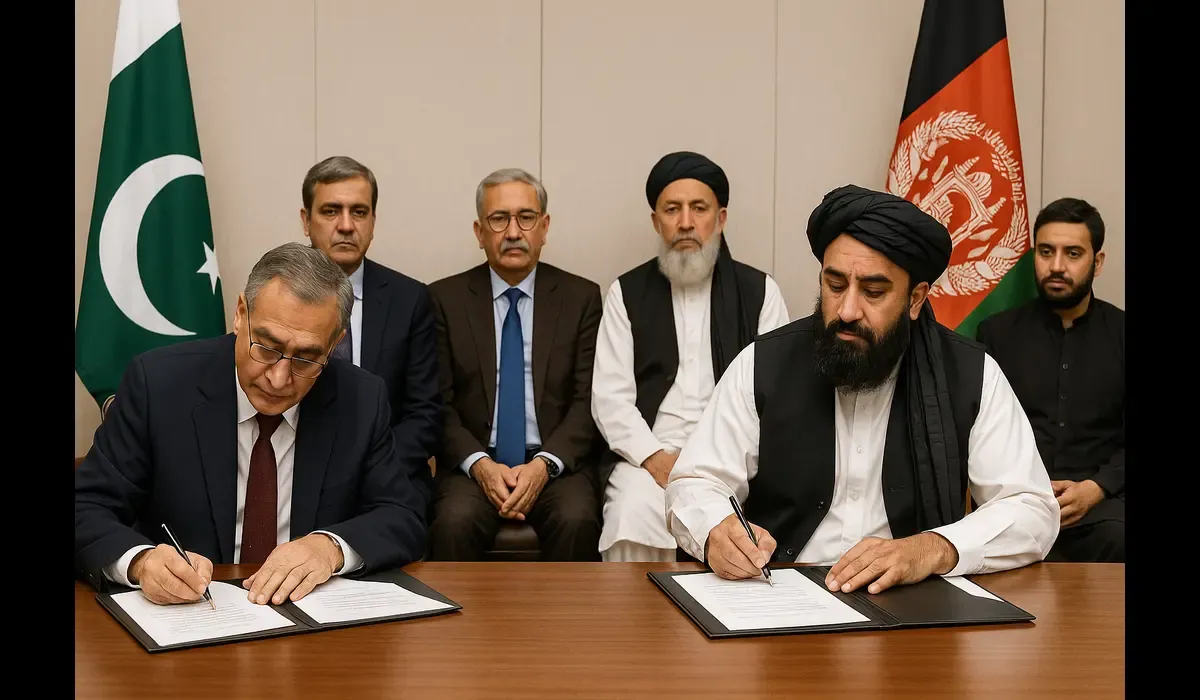
The Pakistan Afghanistan ceasefire agreement 2025 has ended weeks of deadly border clashes that had threatened to destabilize the region further. After mounting casualties and economic disruption along the Durand Line, both nations have now agreed to suspend military action and reopen diplomatic channels.
- Ceasefire followed more than a week of cross-border firing.
- Qatar and regional mediators facilitated the dialogue.
- Both sides pledged to respect territorial boundaries and reduce troop deployment.
Quick Context
The Pakistan Afghanistan ceasefire agreement 2025 refers to the formal commitment between Islamabad and Kabul to halt all military hostilities and reinitiate diplomatic cooperation after intense border confrontations earlier this month.
Latest Post
Latest Update
The agreement was signed in Doha following three days of negotiations mediated by Qatar and representatives from the Organization of Islamic Cooperation (OIC). Both Pakistan and Afghanistan agreed to an immediate ceasefire, the creation of a joint border monitoring committee, and resumption of trade and humanitarian assistance through key border points such as Torkham and Chaman.
The ceasefire went into effect at midnight on October 18, 2025. Troop movements along contested zones were frozen, and both governments issued statements expressing their commitment to “regional peace and stability.”

$500 Walmart Gift Card$500 Walmart Gift Card
Some users qualify for a $500 Walmart gift card. You can check if you qualify.
Key Facts
1. Timeline of Escalation
Clashes began in early October when cross-border shelling intensified following alleged militant movements along the Durand Line. Pakistan accused Afghan-based groups of cross-border infiltration, while Afghanistan’s administration claimed Pakistan violated its airspace.
2. Mediation by Qatar and Regional Diplomacy
Qatar, which has hosted several rounds of Afghan peace talks in recent years, played a central role in brokering the Pakistan Afghanistan ceasefire agreement 2025. Diplomats from Iran, China, and Turkey also supported the mediation efforts.
3. Terms of the Agreement
- Both nations will halt military operations along the border.
- A joint verification committee will monitor violations.
- Cross-border trade and humanitarian routes will reopen.
- Civilian evacuations from high-conflict areas will be prioritized.
4. Humanitarian Relief Measures
The agreement also includes provisions for humanitarian corridors. Aid agencies are allowed to operate in affected regions, ensuring food and medical supplies reach displaced families.
5. Future Dialogue Commitments
The foreign ministers of both countries are scheduled to meet again in November 2025 to finalize a longer-term border management framework.
Why It Matters
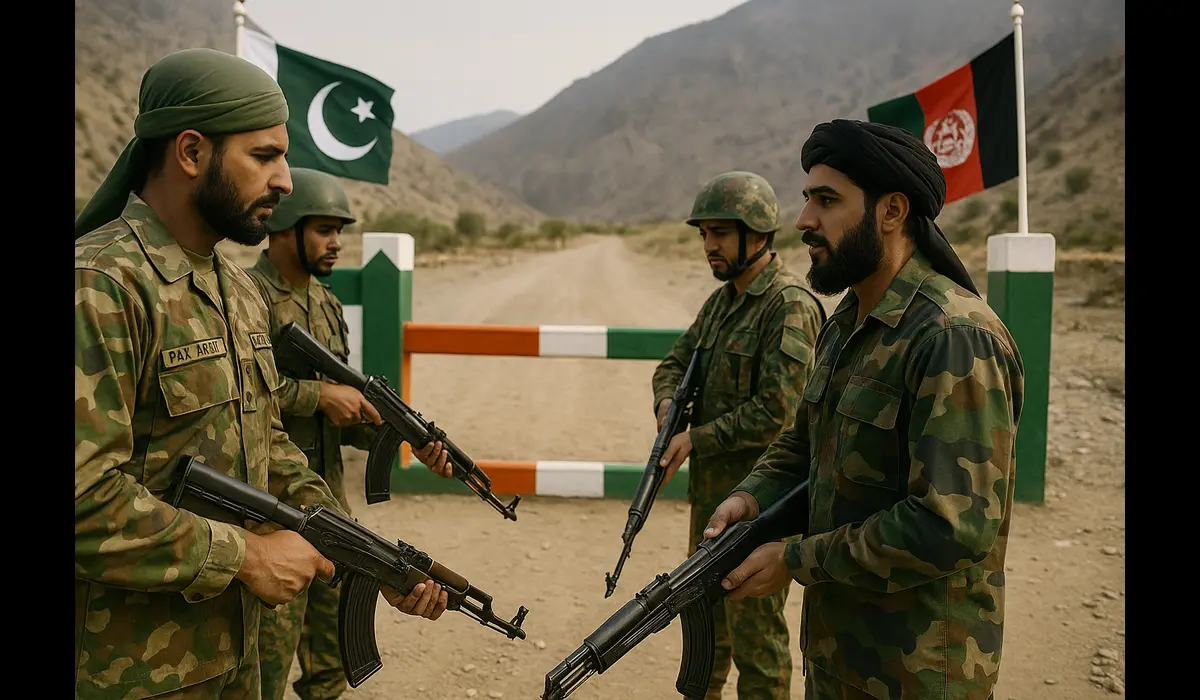
The Pakistan Afghanistan ceasefire agreement 2025 marks one of the most significant diplomatic breakthroughs in years for South Asia. The decision to de-escalate military tensions benefits not only both nations but also regional trade and security.
- Economic Impact: The reopening of border routes is expected to restore bilateral trade worth millions of dollars in daily exchange.
- Security Stability: Reduced hostilities along the Durand Line allow both sides to reallocate resources toward counter-terrorism and border management.
- Regional Diplomacy: The ceasefire’s success could strengthen the position of regional mediators and promote long-term peace initiatives across South and Central Asia.
Expert Commentary
Analysts believe that while the truce represents progress, deep mistrust remains. The success of the Pakistan Afghanistan ceasefire agreement 2025 will depend on strict monitoring, mutual restraint, and continued diplomatic engagement.
Security experts note that similar ceasefires have collapsed in the past due to violations by local militias and lack of enforcement. However, the current agreement has stronger international oversight mechanisms, increasing the chances of sustainability.
Practical Takeaways
- This is not a peace treaty — it’s a truce. The ceasefire halts violence but doesn’t resolve deeper political disputes.
- Border vigilance remains crucial. Both countries are maintaining security forces at observation posts.
- Trade reopening will take time. Customs and transport systems along the Durand Line will resume gradually.
- Diplomatic engagement is ongoing. Further discussions are scheduled to prevent future escalation.

$750 Amazon Gift Card$750 Amazon Gift Card
Not everyone qualifies for this $750 Amazon gift card. Checking only takes a moment. You can check if you’re eligible
FAQs about Pakistan Afghanistan ceasefire agreement 2025
Q1: What is the Pakistan Afghanistan ceasefire agreement 2025 about?
It is a bilateral truce to end recent border hostilities and reopen trade and humanitarian channels.
Q2: Who mediated the agreement?
Qatar led the talks, supported by OIC representatives and regional powers such as China and Turkey.
Q3: When did the ceasefire start?
It came into effect at midnight on October 18, 2025, following three days of negotiations in Doha.
Q4: Does the ceasefire include all militant groups?
Both governments agreed to restrain armed factions under their control, but independent militant activity remains a risk.
Q5: How does it affect regional stability?
The truce reduces immediate tensions, allowing for restoration of trade and diplomatic dialogue, benefiting South Asian security overall.
Key Takeaways
- The Pakistan Afghanistan ceasefire agreement 2025 ends a week of cross-border fighting.
- Mediated by Qatar, it focuses on de-escalation, humanitarian aid, and border security.
- The truce could pave the way for broader peace talks, though mistrust remains.
- Regional actors see this as a positive signal for South Asian stability.
Conclusion
The Pakistan Afghanistan ceasefire agreement 2025 offers a rare moment of hope amid years of mistrust and conflict. Whether this truce evolves into a lasting peace depends on both nations’ political will and their commitment to implementing border control measures. For now, it is a critical pause that the region desperately needed.