India’s Economic Leap: What Nirmala Sitharaman’s 3rd-Largest Economy Claim Really Means
India’s economic leap toward becoming the world’s 3rd-largest economy takes shape as Nirmala Sitharaman outlines key drivers behind the projection. This analysis explores the numbers, the strategy, and what the claim means for growth ahead.

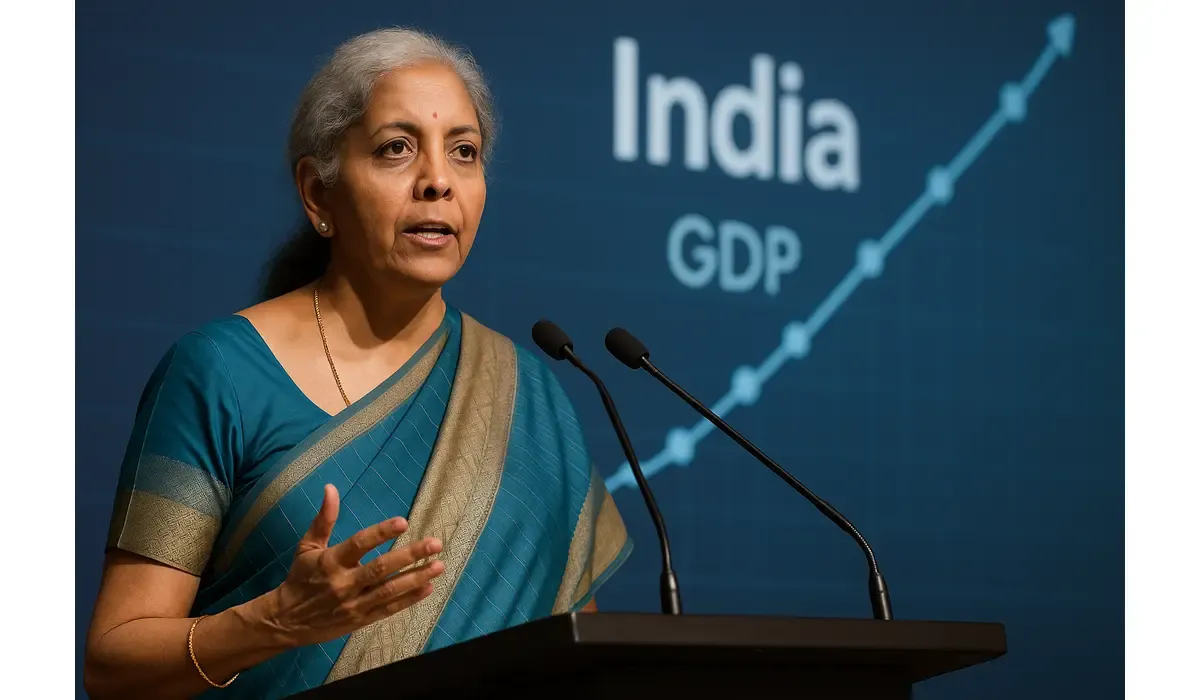
When Finance Minister Nirmala Sitharaman Predicts India’s Rise to 3rd-Largest Economy, it wasn’t just optimism—it was a declaration of confidence backed by numbers, reforms, and shifting global tides.
Can India really overtake Japan and Germany within the next two years? Experts say yes—and the data supports it.
- India is projected to become the world’s 3rd-largest economy by 2027.
- Policy reforms, manufacturing, and technology are key drivers.
- Experts believe India’s domestic demand and young workforce make this goal realistic.
- Challenges like inflation and global slowdown remain—but momentum is strong.
What Nirmala Sitharaman Actually Said
Finance Minister Nirmala Sitharaman, during a recent business forum in Delhi, confidently stated that India will soon become the world’s 3rd-largest economy, surpassing both Germany and Japan.
She emphasized that India’s economic fundamentals remain strong despite global uncertainties. Citing robust GDP growth above 7% and a rising investment climate, Sitharaman pointed to technology, digital governance, and manufacturing reforms as core enablers of India’s rapid ascent.
Her statement reflects a growing consensus among economists that India’s transformation from an emerging market to a global powerhouse is not just probable—but inevitable.

$750 Amazon Gift Card
A $750 Amazon gift card may be available to select users. Checking eligibility is quick. You can check if you’re one of them.
Key Economic Facts and Growth Drivers Nirmala Sitharaman Predicts India’s Rise to 3rd-Largest Economy
Here’s a breakdown of what’s fueling this historic shift:
1. Unprecedented GDP Momentum
- India’s GDP currently stands around $3.9 trillion, making it the fifth-largest globally.
- With an annual growth rate between 6.5% and 7.2%, India is on track to cross $5 trillion by FY2027.
- The IMF and World Bank have repeatedly called India the fastest-growing major economy.
2. Manufacturing and ‘Make in India’ 2.0
- India’s manufacturing output has expanded due to production-linked incentive (PLI) schemes.
- Electronics, automobiles, and pharmaceuticals lead the export surge.
- The domestic industrial base is expected to contribute 25% of GDP by 2026.
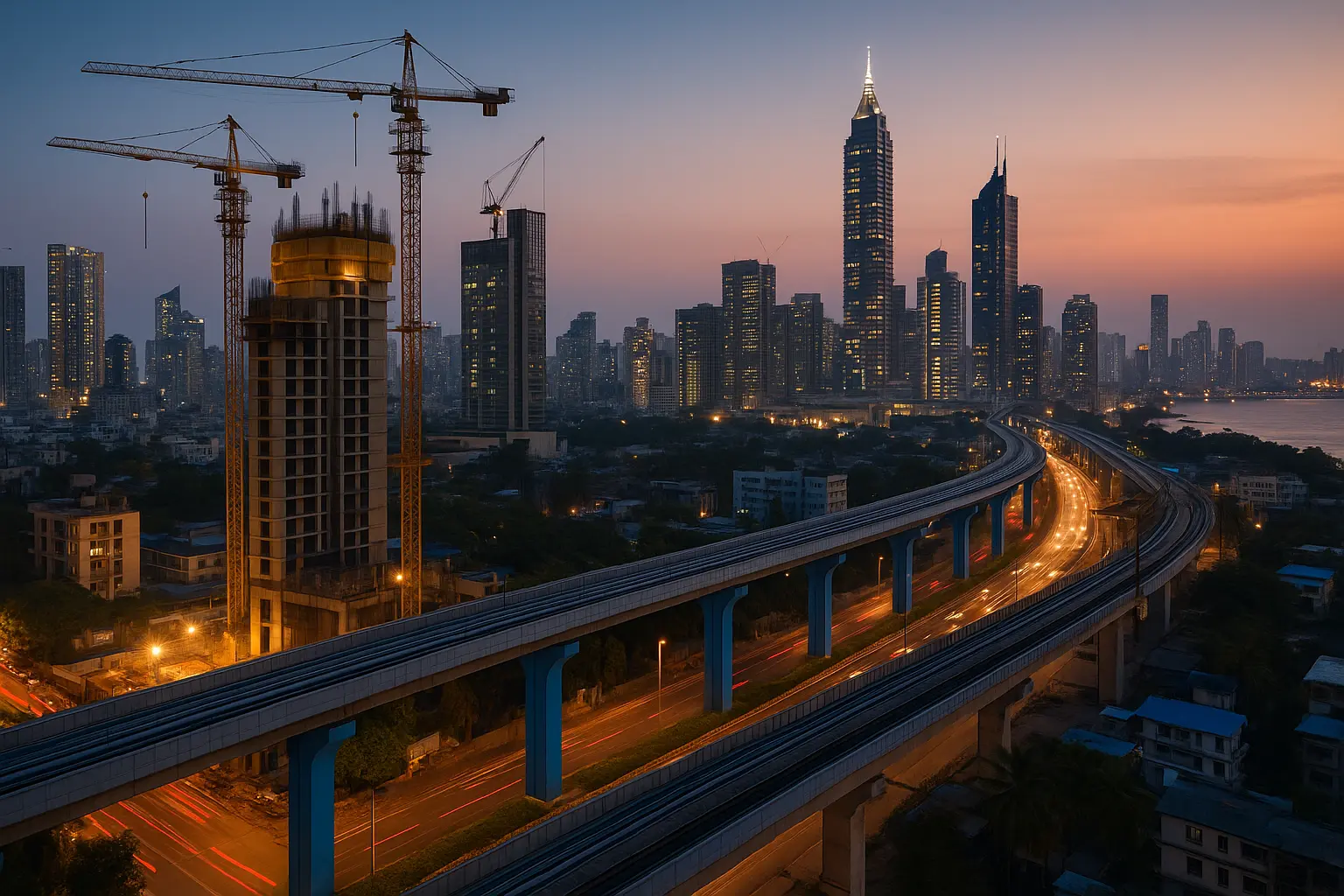
3. Rising Tech and AI Integration
- AI, digital payments, and automation are driving efficiency across industries.
- India processes 46% of global digital payments, leading the fintech revolution.
- Adoption of AI in logistics, health, and agriculture could add $500 billion to GDP by 2030.
4. Youth Workforce Advantage
- Over 65% of India’s population is below 35.
- This demographic dividend fuels innovation, consumption, and long-term economic resilience.
5. Infrastructure and Capital Inflow
- Record-high foreign direct investment (FDI) of $83 billion in FY2025.
- Massive infrastructure upgrades in roads, airports, and renewable energy enhance productivity.
Why This Matters: The Global Shift in Economic Power
If India rises to the world’s third position, the global economic hierarchy will look drastically different.
The United States and China will retain the top two spots, but India’s emergence means:
- A new Asian powerhouse balancing global trade equations.
- Higher investor confidence in India’s financial markets.
- Strategic leverage in global policy decisions—from climate to defense.
For everyday Indians, it translates to more jobs, higher wages, and stronger purchasing power.
Expert Opinions on India’s Economic Surge
Dr. Ananya Deshmukh, Economist, Centre for Policy Growth:
“Nirmala Sitharaman’s statement isn’t just rhetoric. The data aligns. India’s manufacturing base is expanding, exports are rising, and consumer confidence is at a decade high. This combination creates sustained upward momentum.”
Ravi Menon, Global Markets Strategist, observes:
“Foreign investors now see India as a long-term growth engine, not a volatile emerging market. Its demographic scale, tech ecosystem, and stable governance model give it a distinct edge over competitors.”
Prof. Rajesh Iyer, Economist, adds:
“Becoming the world’s third-largest economy is both symbolic and structural. It redefines India’s influence in trade negotiations and global institutions like the G20 and WTO.”
Challenges India Still Faces
While optimism is high, experts warn of headwinds that could slow progress:
- Rural Employment Gaps – Urban sectors are booming, but rural employment remains inconsistent.
- Global Uncertainty – Geopolitical conflicts or oil price spikes could impact growth.
- Fiscal Deficit Management – Balancing welfare spending with fiscal prudence will be critical.
- Education & Skill Gaps – Sustaining innovation requires investment in education and research.
Still, with strategic reforms and sustained governance stability, these challenges appear manageable.
How This Impacts You
Whether you’re an entrepreneur, investor, or working professional, this economic shift has direct implications:
- Entrepreneurs: Expect rising demand across consumer and tech sectors.
- Investors: Long-term potential in infrastructure, banking, and manufacturing.
- Professionals: Growing job opportunities in AI, data, logistics, and clean energy.
- Students: The future workforce will thrive in innovation-driven industries.
India’s climb will ripple through every sector, redefining what it means to be part of a “developing” nation.
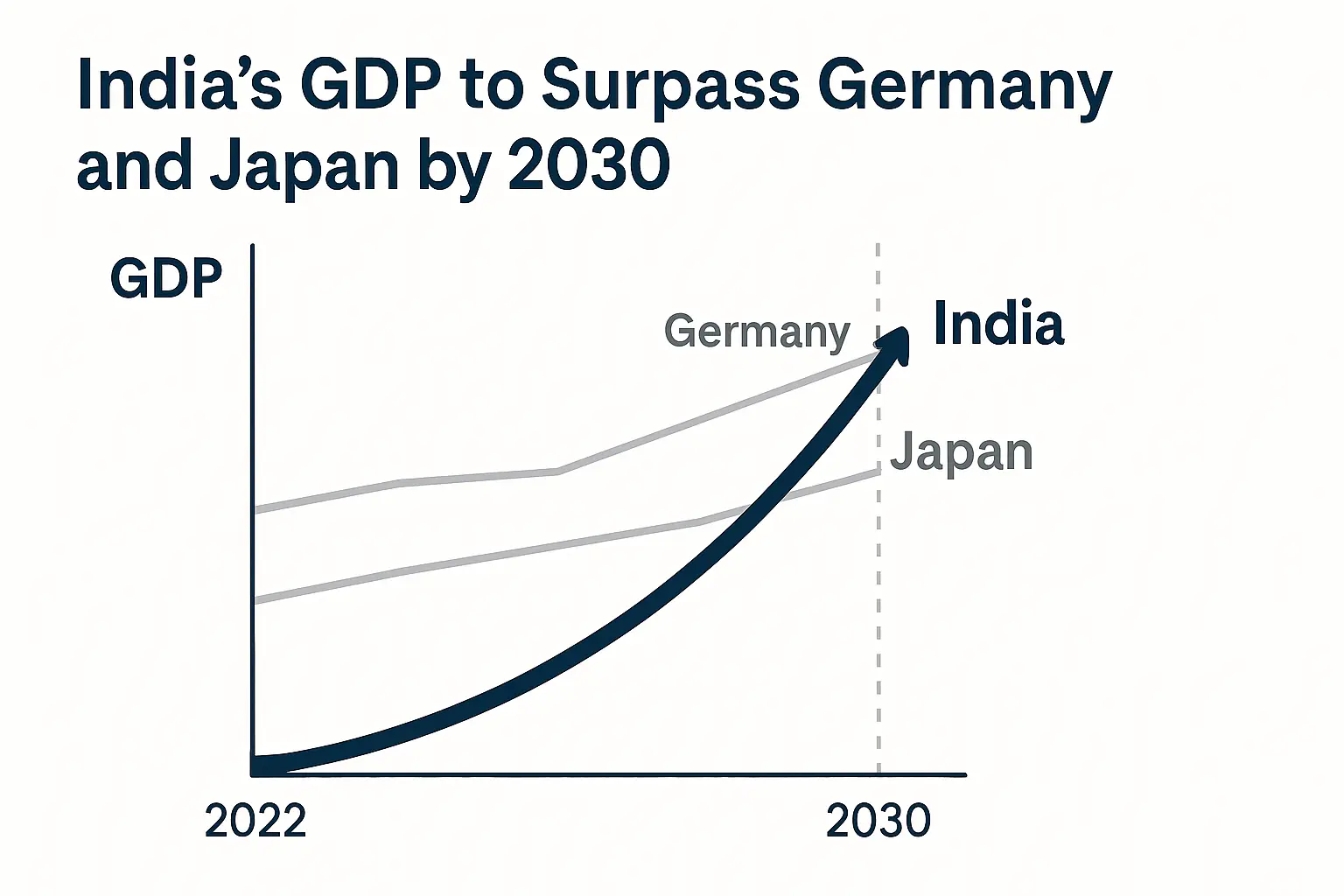
Comparing India’s Growth Trajectory
| Country | GDP (2025 est.) | Growth Rate | Global Rank 2025 | Forecast 2027 |
|---|---|---|---|---|
| United States | $26.3 trillion | 2.1% | 1 | 1 |
| China | $17.8 trillion | 4.7% | 2 | 2 |
| Japan | $4.2 trillion | 1.2% | 3 | 4 |
| Germany | $4.4 trillion | 1.1% | 4 | 5 |
| India | $3.9 trillion | 7.0% | 5 | 3 |
By 2027, India is projected to overtake Japan and Germany, cementing its position as a global economic leader.

$500 Walmart Gift Card
Some users qualify for a $500 Walmart gift card. You can check if you qualify.
FAQs
Q1: When will India officially become the 3rd-largest economy?
Most projections point to FY2027–28, depending on global stability and domestic growth momentum.
Q2: What reforms contributed to this rise?
Key reforms include GST implementation, PLI schemes, digital infrastructure expansion, and banking system consolidation.
Q3: What role does technology play?
Technology and AI are India’s catalysts—enhancing efficiency, governance, and employment creation.
Q4: Will this benefit the average citizen?
Yes. Higher GDP leads to stronger industries, job creation, and improved living standards across sectors.
Key Takeaways
- Nirmala Sitharaman’s declaration aligns with credible global forecasts.
- India’s robust reforms and youthful workforce make its ascent sustainable.
- Challenges exist, but the trajectory is upward and accelerating.
- Global influence and economic resilience are set to define India’s next decade.
Conclusion
The statement—“Nirmala Sitharaman: India will soon be the world’s 3rd-largest economy”—is not just political optimism; it’s an economic reality in motion.
With strong fundamentals, strategic reforms, and visionary leadership, India’s rise is reshaping the global economic order.
The next few years won’t just define India’s position in world rankings—they’ll define how the world sees India.