New GST Rates on Food Items, Big Impact
See how the new GST rates on food items are reshaping household budgets, essential pricing, and consumer choices. A concise, insight-focused preview for readers tracking cost-of-living changes in 2025.

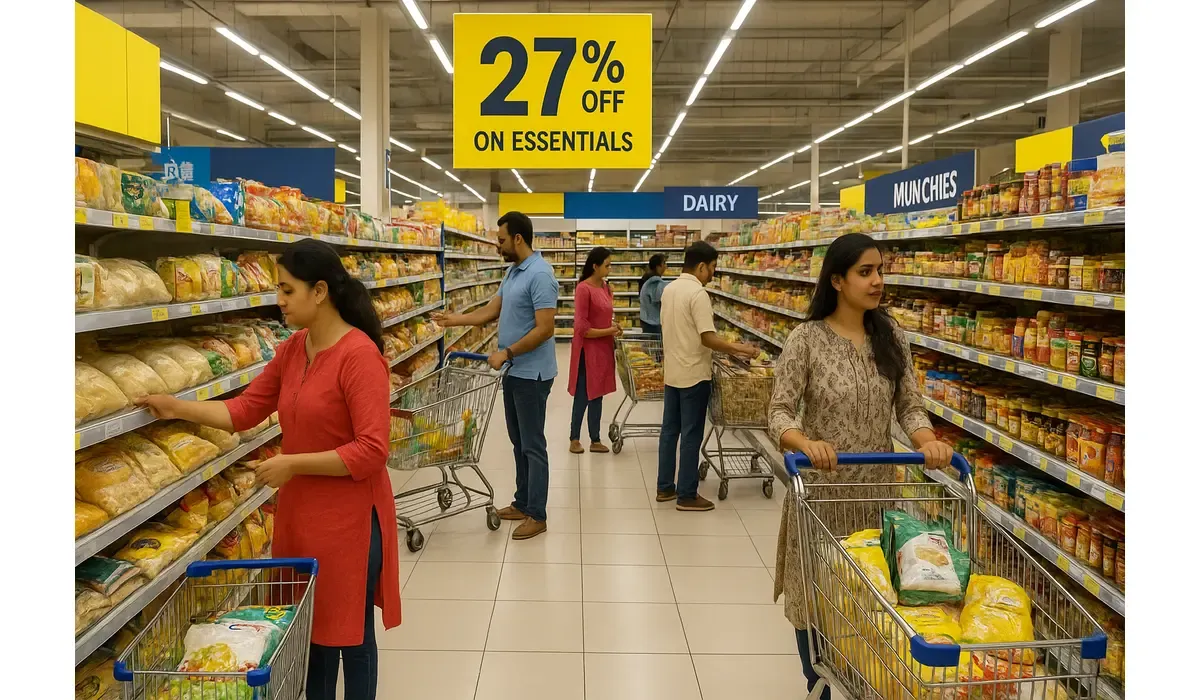
New GST rates on food items take effect from September 22, 2025, shaking up how your grocery bill is taxed. Many staples, snacks, and dairy products will now fall under lower tax slabs, giving relief to consumers.
- Essential foods like roti, paneer move to zero or 5% GST
- Luxuries and sugary items may attract 40% slab
Latest Update: What Has Changed?
- The GST Council abolished the old 12% and 28% slabs for most goods. Now, only 5% and 18% (plus a new 40% “sin/luxury” slab) remain for most products.
- Many food items earlier taxed at 12% or 18% are now moved to 0% or 5%.
- Items like UHT milk, roti, paneer, khakhra, some bakery products, and packaged snacks see reduced or zero taxation.
- On the flip side, sugar-laced beverages, aerated drinks, and certain luxury food & drink items now fall into the 40% slab.
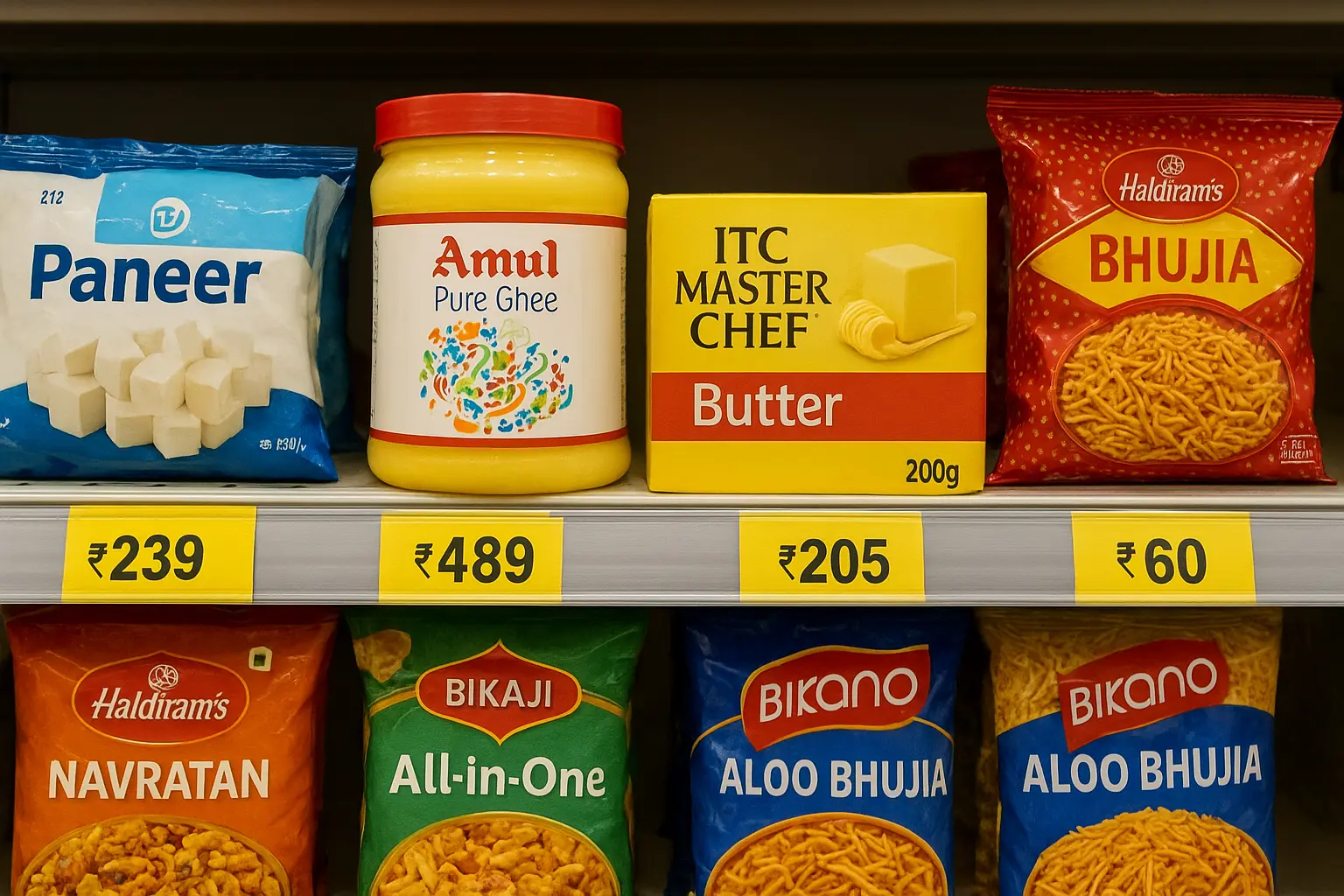
Key Changes for Food Items & What You’ll Pay
Which Items Are Now 0%
- Roti, paratha, khakhra
- Paneer, chhena
- UHT (ultra-high temperature) milk
- Some bakery base items
Items at 5% Rate
- Butter, ghee, cheese & dairy spreads
- Dry fruits, nuts, packaged namkeens
- Chocolates, baked goods, pasta, condiments

$500 PayPal Gift Card
A $500 PayPal Gift card may be available to select users. Checking eligibility is quick. You can check if you’re one of them.
Items at 40% (Luxury / Sin Foods)
- Aerated drinks, sugary beverages
- Some flavored drinks, caffeinated drinks
- Food items with excessive sugar or flavor additives
Items Remaining at 18%
- Branded processed foods not eligible for cuts
- Some ready-to-eat meals
- Items not shifted into 0% or 5%
Why This Change Matters (Impact on You)
- Lower grocery bills for staples. If you regularly buy roti, paneer, or snacks, you’ll likely see a drop.
- Greater tax clarity. Fewer slabs make it easier to understand what you pay for.
- Consumer pushback & checks. Authorities are monitoring whether vendors pass on the benefit.
For example, in Karnataka, dairy products from KMF (milk, ghee, butter) were priced lower in stores from September 22 following the GST cuts.
Comparison: Before vs After for Common Foods
| Food Item | Old GST Rate | New Slab | Effect on Price |
|---|---|---|---|
| Paneer / Chhena | 5% | 0% | Small but meaningful cut |
| Namkeens / Snacks | 12% or 18% | 5% | Noticeable relief |
| Aerated Drinks | 28% + cess | 40% | Much higher tax burden |
| Butter / Ghee | 12%–18% | 5% | Moderate savings |
| Branded processed goods | 18% | Some remain 18%, others shift | Mixed impact |
Evidence & Expert Commentary
- The government’s factsheet lists food items, dairy, bakery goods among those that benefit from the new regime.
- Tax analysts believe the rationalization simplifies compliance and pushes more items into the merit (5%) category.
- However, some critics warn that if sellers don’t pass on tax cuts, consumers may not benefit fully. Recent news reports show consumers flagging unchanged prices.

What You Can Do (Practical Tips)
- Check your bills closely. Compare before and after rates for your regular purchases.
- Hold sellers accountable. If you see higher taxes than allowed, report via consumer helplines. The Times of India
- Prefer packaged items with clear tax labels. To avoid ambiguity at checkout.
- Adjust your budget. Some items drop more than others — allocate savings wisely.

$500 Walmart Gift Card
A $500 Walmart gift card may be available to select users. Checking eligibility is quick. You can check if you’re one of them.
FAQs
Q1: Will new GST rates on food items reduce my entire grocery bill?
It depends on what you buy. Staples and dairy may drop, but luxury or sugary foods might still be high-taxed under 40%.
Q2: Does this change apply to restaurants / eating out?
No. GST on restaurant services has separate norms beyond just food goods.
Q3: When did these new GST rates on food items take effect?
They became effective from September 22, 2025 under the GST 2.0 reforms.
Q4: Will sellers always pass on the benefit of new gst rates on food items?
Not automatically. Government agencies are monitoring compliance, and consumers can complain if benefits aren’t passed along.
Key Takeaways
- The new gst rates on food items simplify slabs and cut tax burdens on many staples.
- Many food items move into 0% or 5% slabs, while some sugary items now attract 40%.
- Consumers must check bills and hold sellers accountable for correct taxation.
Conclusion
The new GST rates on food items mark one of the most significant tax reforms in India’s recent history. While most essential goods are now more affordable, vigilance is needed to ensure that savings reach the consumer. What’s your take — have you seen price drops already? Share your experience below.