Tight Race in Bihar: NDA vs Grand Alliance Battle Deepens

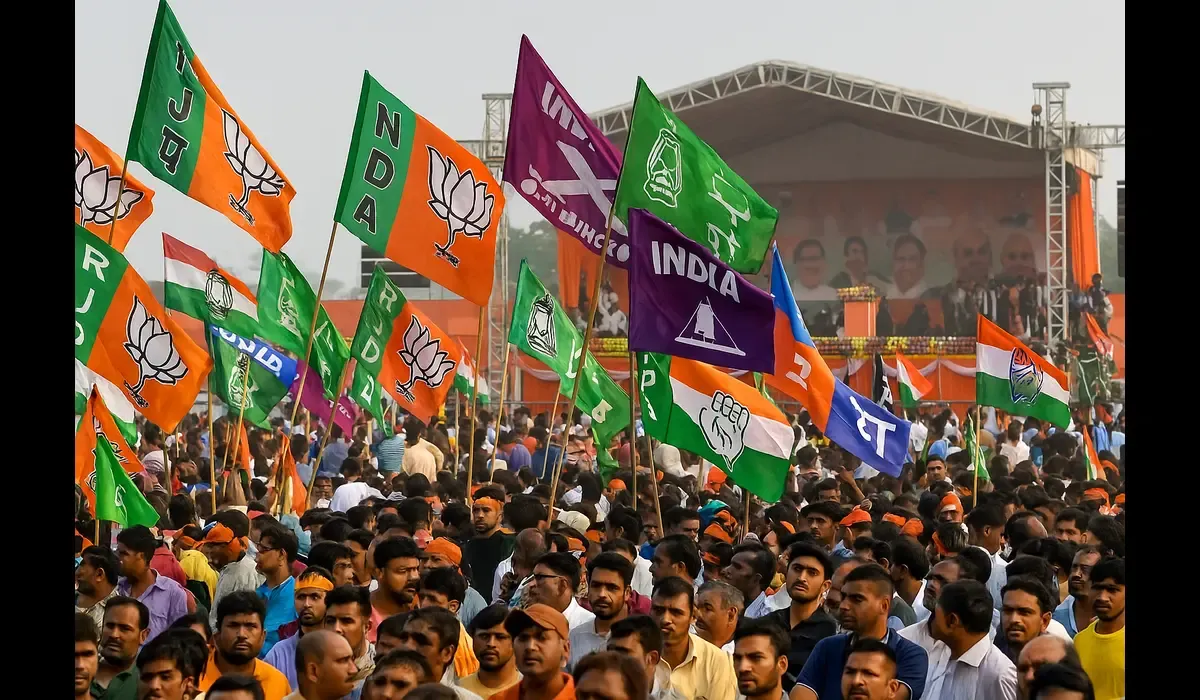
The NDA vs Grand Alliance Bihar election analysis has become one of the most closely watched political narratives ahead of the 2025 state polls. Bihar, a state known for its unpredictable electoral swings, is witnessing a renewed battle between the ruling National Democratic Alliance (NDA) and the opposition-led Grand Alliance (Mahagathbandhan).
The contest is not just political—it’s social, economic, and deeply emotional. The outcome will determine whether Chief Minister Nitish Kumar’s legacy endures or if the opposition can rewrite Bihar’s political script.
- NDA vs Grand Alliance Bihar election analysis shows close margins in several districts.
- Caste alliances, youth sentiment, and unemployment will shape the final outcome.
- The 2025 Bihar election may redefine leadership dynamics in North India.
Latest post
What Is the NDA vs Grand Alliance Bihar Election Battle?
The NDA vs Grand Alliance Bihar election is a direct political showdown between two major coalitions:
- National Democratic Alliance (NDA): Led by the BJP, JD(U), and smaller allies.
- Grand Alliance (Mahagathbandhan): Comprising RJD, Congress, CPI(ML), and left factions.
Both camps are contesting for 243 assembly seats, but the real fight is over a few swing constituencies where caste equations and local leadership hold decisive sway.
Latest Update: Bihar Election 2025 Landscape
The Election Commission has tentatively scheduled the Bihar elections for late November 2025. Campaigns are in full swing, with rallies, social media outreach, and booth-level mobilization dominating party strategies.
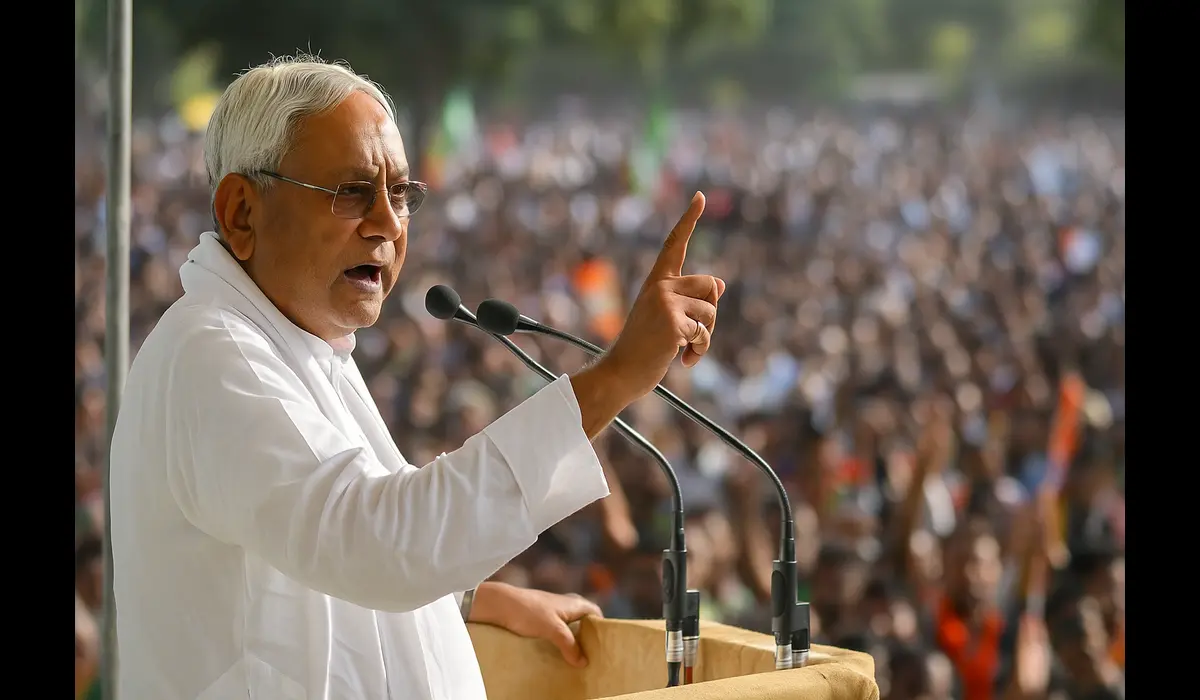
Nitish Kumar remains the NDA’s central face, while Tejashwi Yadav leads the Grand Alliance, projecting himself as the youth alternative. Recent surveys show a neck-to-neck contest:
- NDA: 42–45% projected vote share
- Grand Alliance: 41–44% projected vote share
- Others/Independents: 10–12%
These figures highlight the competitive nature of Bihar’s multi-cornered electoral dynamics.
Key Factors Driving the NDA vs Grand Alliance Bihar Election Analysis
1. Leadership Image and Experience
Nitish Kumar, serving multiple terms, continues to draw respect for his administrative experience. However, anti-incumbency and fatigue among urban voters could test his popularity.
Tejashwi Yadav, on the other hand, appeals to younger demographics and unemployed graduates, presenting himself as a fresh voice against stagnation.
2. Caste and Community Equations
Caste remains Bihar’s strongest political axis.
- NDA relies on EBCs, upper castes, and Kurmis.
- Grand Alliance banks on Yadavs, Muslims, and Dalits.
New voter alignments, especially among Mahadalits and women, could determine the final swing.
3. Governance and Infrastructure
The NDA emphasizes roads, electricity, and welfare delivery. Critics, however, argue that job creation and education lag behind. The Grand Alliance has promised “Rozgar Guarantee,” focusing on employment generation.
4. Youth and Digital Outreach
Both coalitions are leveraging social media to connect with young voters. Memes, micro-videos, and targeted WhatsApp campaigns dominate 2025’s digital war room.
Why It Matters for Bihar and Beyond
- Political Symbolism: Bihar often sets the tone for Hindi heartland politics. The result could influence national strategies ahead of the 2026 general elections.
- Governance Direction: A victory for NDA means policy continuity, while a Grand Alliance win would signal a populist shift toward welfare-driven governance.
- Coalition Stability: The outcome will also decide Nitish Kumar’s political longevity and whether regional alliances remain viable in a polarized landscape.
Comparative Analysis: NDA vs Grand Alliance
| Category | NDA Strengths | Grand Alliance Strengths |
|---|---|---|
| Leadership | Nitish Kumar’s administrative credibility | Tejashwi’s youth appeal |
| Caste Base | EBCs, upper castes, Mahadalits | Yadav-Muslim-Dalit base |
| Development Narrative | Infrastructure, electricity, welfare schemes | Jobs, education, social equality |
| Weakness | Anti-incumbency, rural discontent | Leadership inexperience, internal rifts |
| Digital Campaign | Strong BJP digital backbone | Youth-driven social media campaigns |
Expert Opinions
Political analyst Sunita Sinha: “The NDA’s challenge isn’t leadership—it’s reconnecting with young voters frustrated by job scarcity.”
Election researcher Prashant Jha: “The Grand Alliance has emotional momentum but lacks the ground-level machinery that NDA perfected over two decades.”
Sociologist Dr. R.K. Tiwari: “This election will show if Bihar’s caste-based voting is finally giving way to development-based preferences.”
Practical Takeaways for Voters
- Assess Local Candidates: Performance at the constituency level often outweighs party image.
- Track Manifestos: Compare employment, education, and women’s welfare promises.
- Verify Campaign Claims: Fact-check data on governance and expenditure before forming opinions.
- Engage Peacefully: Participate actively but avoid misinformation and polarization.
FAQs
Q1: What is the key focus of the NDA vs Grand Alliance Bihar election analysis?
A: It examines how leadership, caste, and governance factors influence Bihar’s 2025 election outcome.
Q2: Who are the main contenders?
A: The NDA (BJP + JD(U)) and the Grand Alliance (RJD + Congress + Left).
Q3: What issues matter most to voters?
A: Jobs, infrastructure, caste representation, and education reforms dominate this election.
Q4: When will the Bihar elections take place?
A: The state election is expected in late November 2025, with results anticipated by December.
Key Takeaways
- The NDA vs Grand Alliance Bihar election analysis shows an evenly poised contest.
- Leadership charisma and youth mobilization may decide the winner.
- Caste remains influential but no longer singularly decisive.
- Bihar’s outcome could influence North India’s political direction.
Conclusion
The NDA vs Grand Alliance Bihar election analysis reveals a fierce, unpredictable race defined by generational change and shifting voter expectations. Both sides are strategizing relentlessly—one banking on stability, the other promising transformation.
As Bihar braces for an intense political showdown, the only certainty is that this election will shape not just state politics but India’s federal future.