Mumbai Air Quality After Diwali 2025 AQI 212 Shows Light and Shadows of Celebration
Discover how Mumbai air quality after Diwali 2025 dropped to an AQI of 212, revealing both the light and shadows of celebration. This concise, research-driven update highlights pollution spikes, health concerns, and what the data means for the city.

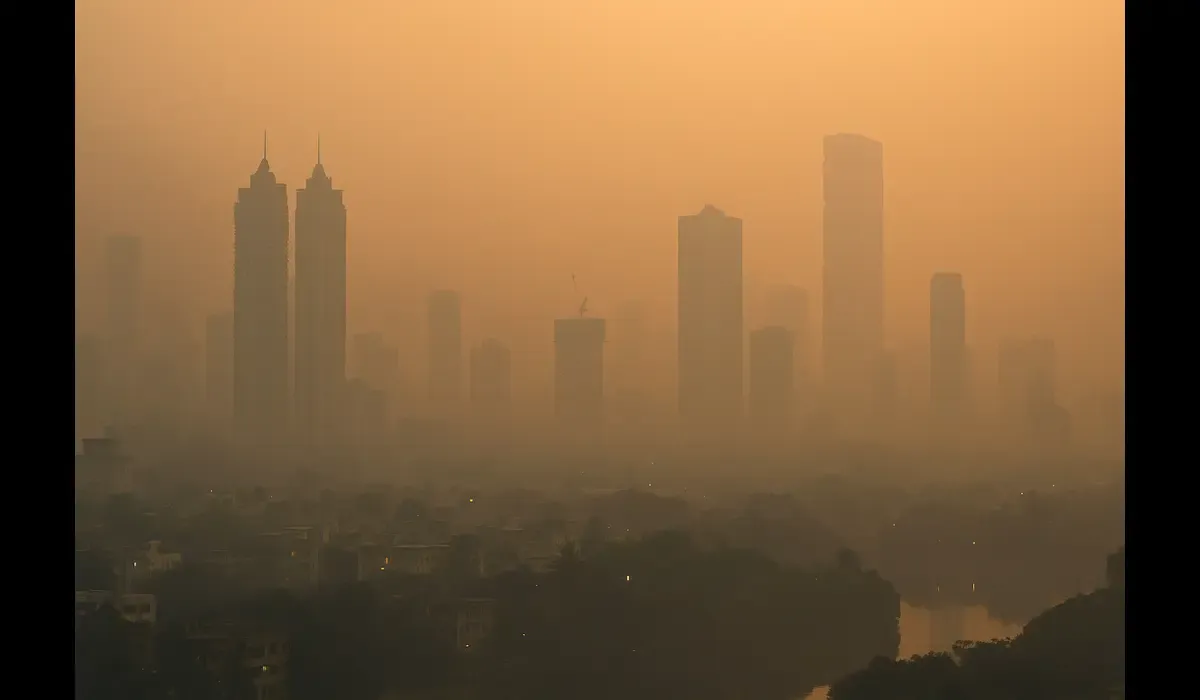
The Mumbai air quality after Diwali 2025 AQI 212 report has raised concern among residents and environmental authorities. Following Diwali night celebrations, the city woke up to a dense layer of smog, pushing the Air Quality Index (AQI) to 212, categorised as “poor.”
The thick haze blanketed key parts of the city, reducing visibility and causing discomfort among citizens. Calm winds, lingering humidity, and overnight fireworks were the main contributors.
- Mumbai recorded AQI 212, a “poor” category reading.
- Several areas crossed 300, entering “very poor” levels.
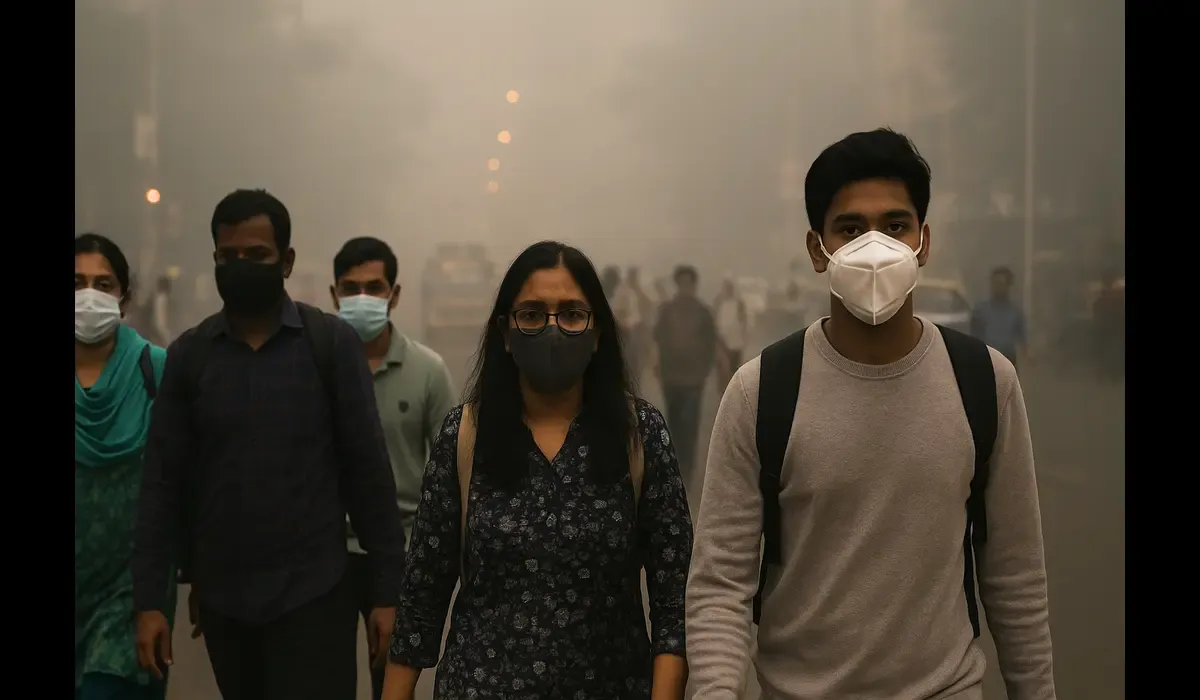
- Citizens advised to limit outdoor activity and use protective masks.
Quick Context
Mumbai air quality after Diwali 2025 AQI 212 refers to the post-Diwali atmospheric condition in Mumbai, where excessive firecracker use and stagnant air led to a spike in pollution, resulting in a hazardous morning-after smog.

$750 Amazon Gift Card $750 Amazon Gift Card
Some users qualify for a $750 Amazon gift card. You can check if you qualify.
Latest Post
Latest Update
On October 21, 2025, Mumbai’s average AQI stood at 212, officially marked as “poor” on the national scale.
Areas such as Bandra Kurla Complex (BKC), Colaba, and Mazgaon recorded readings above 300, crossing into the “very poor” zone.
Visibility fell sharply across the Eastern and Western suburbs, with haze persisting until late morning.
Authorities from the Maharashtra Pollution Control Board (MPCB) noted that a combination of low wind speeds, humidity, and night-long fireworks intensified the pollution load.
Key Facts
1. What AQI 212 Means
An AQI of 212 is classified as “poor.” Prolonged exposure can cause breathing issues, coughing, or irritation in the eyes and throat. Sensitive groups like children, the elderly, and asthma patients are most at risk.
2. Area-Wise Readings
- Bandra Kurla Complex: AQI ~375 (very poor)
- Colaba: AQI ~346 (very poor)
- Mazgaon: AQI ~309 (very poor)
- Malad West: AQI ~290 (poor)
- Chembur: AQI ~280 (poor)
3. Causes of Pollution Spike
- Firecracker Smoke: Sulphur dioxide, nitrogen oxides, and particulate matter released from crackers accumulated overnight.
- Stagnant Weather: Weak winds and moisture trapped pollutants near the ground.
- Pre-Existing Emissions: Vehicle exhaust and construction dust had already raised baseline AQI levels before Diwali.
4. Meteorological Influence
A temperature inversion during the night prevented pollutant dispersion, forming a dense smog layer that lingered until sunlight and mild sea breeze began to disperse it by late morning.
Why Mumbai air quality after Diwali Matters
The Mumbai air quality after Diwali 2025 AQI 212 issue is a warning about the city’s fragile air ecosystem. Despite being coastal, Mumbai’s geography can trap pollutants when wind conditions are stagnant.
- Health Risk: AQI levels above 200 are harmful even for healthy individuals. Hospitals reported increased cases of cough, sore throat, and mild asthma symptoms.
- Environmental Impact: Diwali emissions significantly offset months of environmental progress.
- Behavioral Lesson: The data demonstrates that responsible celebration is essential for urban air management.
Comparisons
| Year | Average Post-Diwali AQI | Category | Trend |
|---|---|---|---|
| 2023 | 185 | Moderate–Poor | Improving |
| 2024 | 198 | Poor | Slight rise |
| 2025 | 212 | Poor–Very Poor | Worsened |
The table shows that despite awareness campaigns, air quality deteriorated slightly in 2025 due to extensive firecracker usage and unfavourable weather conditions.
Expert Analysis
Environmental specialists classify the Mumbai air quality after Diwali 2025 AQI 212 event as a “weather-pollution convergence.”
Even though the coastal breeze provides some natural ventilation, the timing of fireworks during low wind activity magnified particulate concentration.
Public health experts advise staying indoors during peak pollution hours (midnight–8 a.m.) and avoiding outdoor workouts until AQI levels drop below 150.
Practical Takeaways
- Limit Exposure: Stay indoors early morning or late night when AQI is highest.
- Wear Protective Masks: Use N95 or equivalent masks outdoors.
- Ventilate Wisely: Keep windows closed during heavy smog hours.
- Promote Green Diwali: Choose earthen diyas and LED lights instead of crackers.
- Monitor AQI Daily: Use government air quality apps to plan outdoor activities.

$500 Walmart Gift Card$500 Walmart Gift Card
Some users qualify for a $500 Walmart gift card. You can check if you qualify.
FAQs about Mumbai air quality after Diwali
Q1. What is the meaning of Mumbai air quality after Diwali 2025 AQI 212?
It refers to the “poor” air quality recorded in Mumbai the day after Diwali, caused by pollution and stagnant weather.
Q2. Why did AQI rise so sharply?
Because of large-scale firecracker emissions, calm winds, and high humidity that trapped smoke near the ground.
Q3. Is AQI 212 dangerous?
Yes, especially for children, elders, and those with breathing difficulties. Short-term exposure can irritate the lungs and throat.
Q4. How can citizens help reduce pollution?
Avoid firecrackers, carpool, support eco-friendly celebrations, and adopt sustainable lifestyle practices.
Key Takeaways
- The Mumbai air quality after Diwali 2025 AQI 212 situation confirms that air pollution remains a recurring post-festival concern.
- Calm winds and humidity trapped pollutants across major residential and commercial areas.
- Collective awareness and responsible celebration are vital for improving future air quality outcomes.
Conclusion
The Mumbai air quality after Diwali 2025 AQI 212 data serves as a reminder that even one night of uncontrolled celebration can undo months of environmental progress. While traditions hold cultural importance, sustainable celebration ensures clean air for the next generation.