Why Modern SUVs Can’t Maximize Comfort, Safety, and Efficiency All at Once
This article explains how modern SUVs are designed to balance comfort, safety, and efficiency, why these goals often conflict, and how manufacturers manage trade-offs without focusing on specific brands or buying decisions.

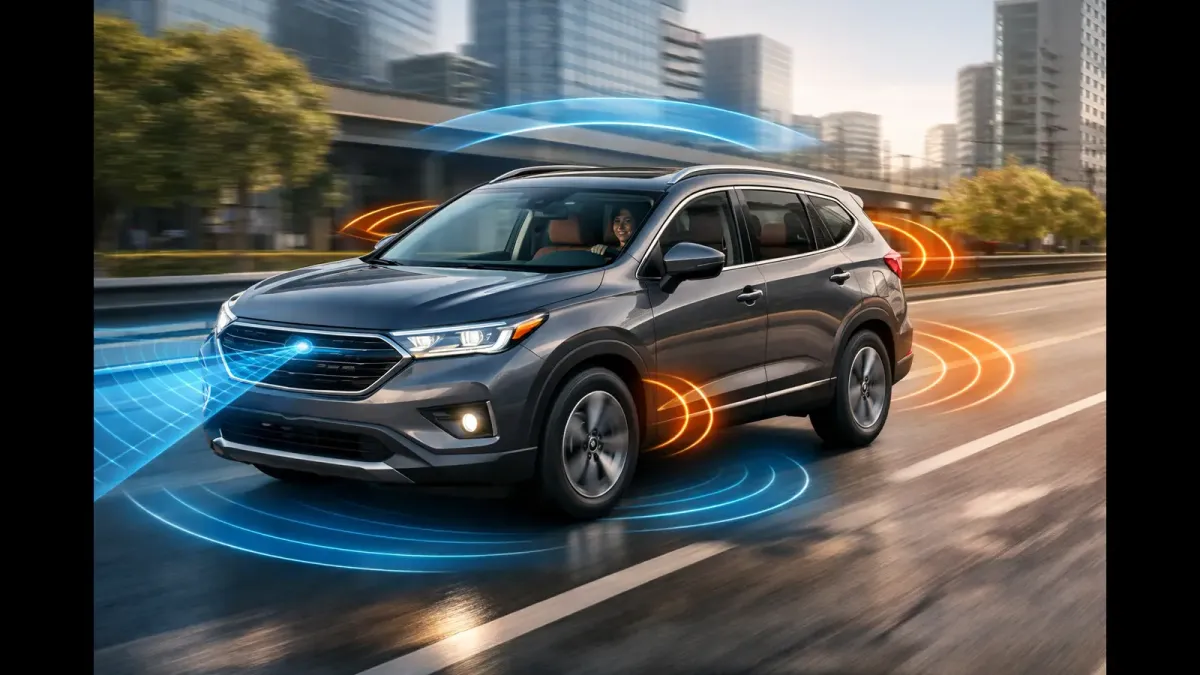
The Real Question Behind This
Many people notice that modern SUVs feel more comfortable, safer, and more fuel-efficient than older models, yet they also hear complaints that SUVs are heavier and less efficient than smaller cars. This creates confusion about what SUVs are really designed to do. The real question is how one vehicle can meet these competing expectations at the same time. Understanding this balance makes modern SUV design much clearer.
What This Means
Balancing comfort, safety, and efficiency in modern SUVs means designing a vehicle where none of these goals fully dominates the others. Comfort relates to ride quality, seating, noise control, and cabin usability. Safety includes crash protection, driver-assistance systems, and vehicle stability. Efficiency refers to how effectively the SUV uses fuel or electricity relative to its size and purpose. These elements are connected because improving one often affects the others.

$500 PayPal Gift Card$500 PayPal Gift Card
Some users qualify for a $500 PayPal gift card. You can check if you qualify.
Why This Matters Today
SUVs have shifted from being niche utility vehicles to everyday family and urban transport. Roads are more crowded, fuel costs fluctuate, and safety expectations are higher than before. At the same time, emissions rules and efficiency standards are stricter. What has changed is not the basic idea of an SUV, but the level of balance expected from it. What has remained stable is that no SUV can maximize comfort, safety, and efficiency equally without trade-offs.
How This Works in Practice
Comfort as a Design System
Comfort is shaped by suspension tuning, seat design, cabin insulation, and interior layout. Softer suspensions improve ride comfort but can reduce handling stability. Thicker insulation lowers noise but adds weight, which affects efficiency. Designers aim for comfort that feels stable rather than soft.
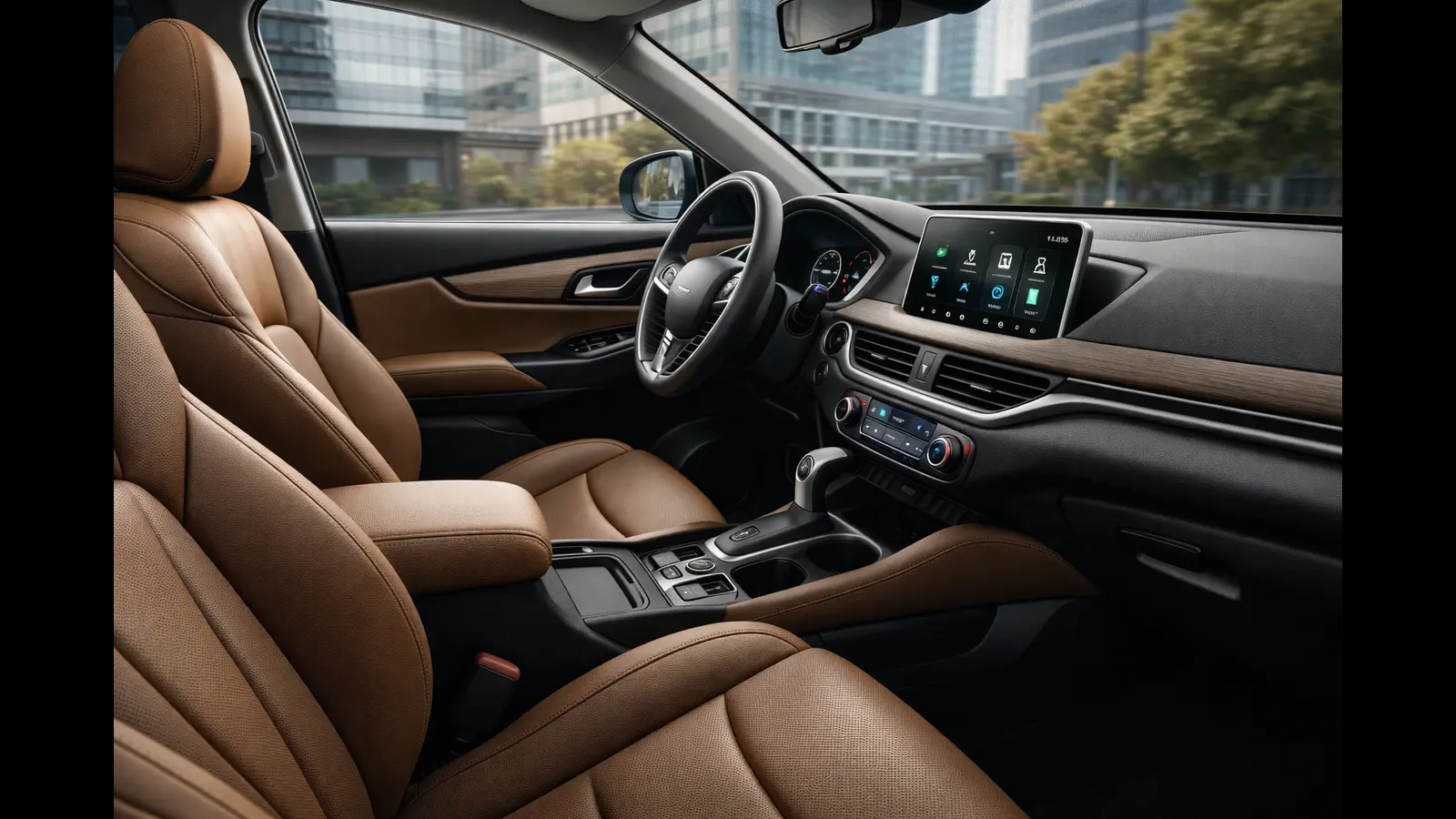
Safety as Structural and Electronic Layers
Safety works through physical structure and electronic systems. Stronger body frames protect occupants but increase mass. Electronic aids like stability control and collision alerts improve safety without major weight penalties. The balance comes from combining structure with software rather than relying on strength alone.
Efficiency as Controlled Compromise
Efficiency depends on engine tuning, transmission behavior, aerodynamics, and vehicle weight. SUVs are taller and heavier by nature, so efficiency gains come from reducing drag, improving power delivery, and managing energy use. Efficiency does not mean matching small cars, but reducing unnecessary losses.
How These Elements Interact
When comfort increases weight, efficiency drops. When safety adds sensors and reinforcements, complexity rises. Modern SUVs balance these forces by distributing improvements rather than pushing one area to extremes. The takeaway is that balance is intentional, not accidental.
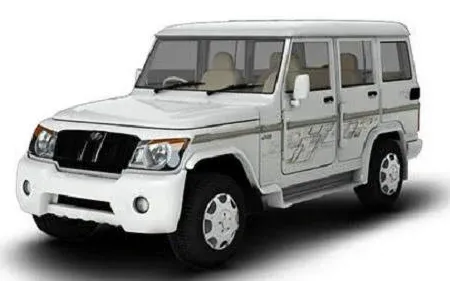
New, Diesel/petrol | Fully Autonomous, Bluetooth Connectivity, Onboard Coffee Maker, Dual Monitors, Backup Camera, Eight-speed Automatic Transmission
You'll also have a full complement of modern amenities including a backup camera, bluetooth connectivity, and an eight-speed automatic transmission. Drive your challenger today. An suv is a type of car that is a sport utility vehicle. These vehicles are popular because they are the perfect size for transporting children and other passengers and they have four-wheel drive. The future of transportation is here! The jaxa car is the perfect vehicle for your commute. This car is designed to take the stress out of your morning commute. With an onboard coffee maker, refrigerator, and a built-in office space, you'll be the envy of all your coworkers. It also has two monitors that display your navigation and phone screens. With a fully autonomous design, you can work on your way to work without having to pay attention to the road.
Real-World Scenarios or Examples
A family driving long distances may notice that their SUV feels stable at highway speeds while remaining quiet inside. This comfort comes from insulation and suspension tuning, while safety systems quietly correct small steering errors. Efficiency is preserved through optimized gear ratios and aerodynamic shaping rather than raw engine power.
In city driving, another driver may assume SUVs are inefficient due to size, yet observe reasonable fuel use. This happens because modern SUVs manage engine output and shut down unnecessary systems when conditions allow. Understanding this reduces confusion about why SUVs behave differently than expected.
Quick Understanding Summary
Modern SUVs balance comfort, safety, and efficiency by managing trade-offs rather than maximizing one goal. Comfort relies on suspension and interior design, safety combines structure with electronics, and efficiency focuses on reducing losses rather than eliminating size. These elements interact constantly, creating vehicles that feel stable, secure, and practical without fully prioritizing any single outcome.
Common Mistakes to Avoid
One common mistake is assuming comfort automatically reduces safety, when many comfort features also improve driver control. Another is believing efficiency means matching smaller cars, rather than optimizing within SUV limits. Some people also misunderstand safety systems as replacements for structure, when they are designed to support it, not replace it.

$750 Cash App Gift Card$750 Cash App Gift Card
Not everyone qualifies for this $750 Cash App gift card. Checking only takes a moment. You can check if you’re eligible.
 Deepak Singh
FAQs
Why can’t SUVs be as efficient as small cars?
SUVs are larger and heavier, which increases energy use. Efficiency improvements focus on reducing losses, not eliminating size.
Do comfort features always reduce fuel efficiency?
Not always. Some comfort improvements, like better aerodynamics and smarter climate control, can support efficiency.
Are modern SUVs safer mainly because of technology?
Technology plays a large role, but structural design and stability remain equally important.
Why do SUVs feel more stable than older models?
Improved suspension geometry, wider tracks, and electronic stability systems contribute to this feeling.
Is balance the same across all SUVs?
No. Balance varies by design intent, but the underlying principles remain consistent.
Conclusion
Modern SUVs are designed around balance rather than extremes. Comfort, safety, and efficiency influence each other, and understanding these interactions explains why SUVs behave the way they do today. The key is recognizing that modern SUV design is about controlled trade-offs, not perfect optimization.