Lyme Disease Treatment Explained
This clear guide to Lyme Disease Treatment explains proven therapies, recovery timelines, and what patients can realistically expect. Backed by medical research, it breaks down early vs. late-stage care for better treatment decisions.

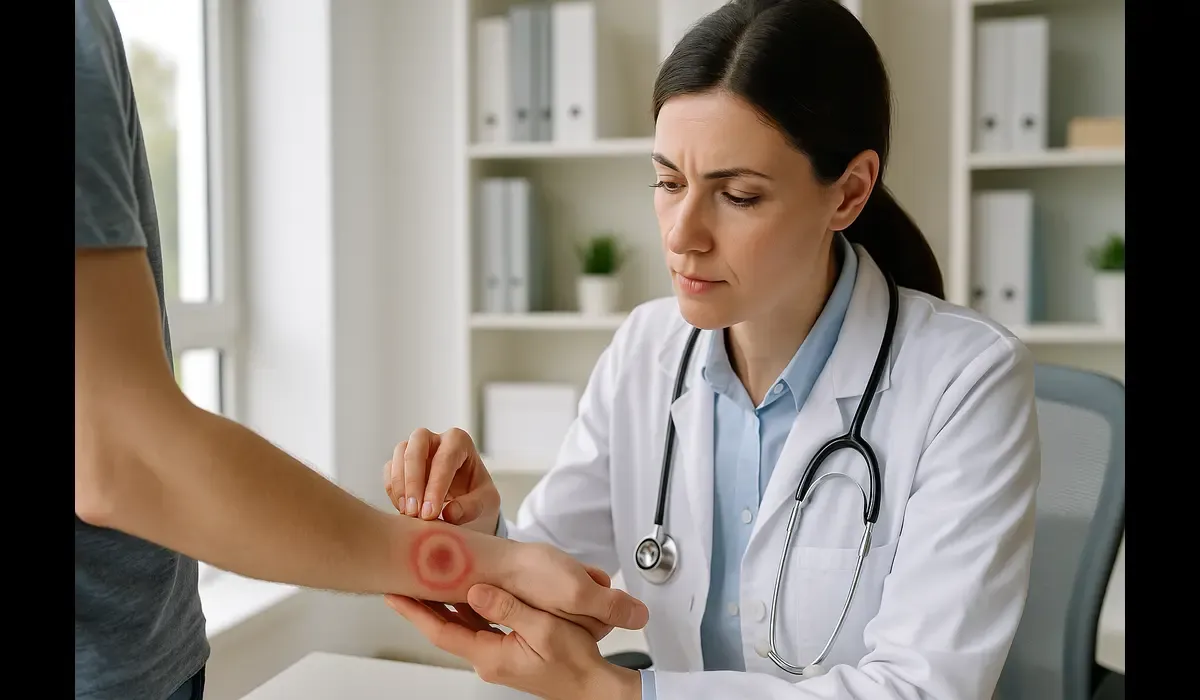
Lyme disease is one of the fastest-growing vector-borne illnesses in the United States. According to the CDC, nearly 476,000 Americans are diagnosed and treated for it each year. If left untreated, Lyme disease can cause lasting health complications. In this guide, we’ll break down Lyme disease treatment, what works best at each stage, and what recovery looks like.
What Is Lyme Disease?
Lyme disease is caused by the bacterium Borrelia burgdorferi, transmitted through the bite of infected black-legged ticks (commonly called deer ticks). Early detection is crucial because treatment is most effective in the initial stages.
Common Early Symptoms
- Red rash (often in a “bull’s-eye” shape)
- Fever and chills
- Fatigue
- Muscle and joint aches
- Swollen lymph nodes
How Lyme Disease Treatment Works
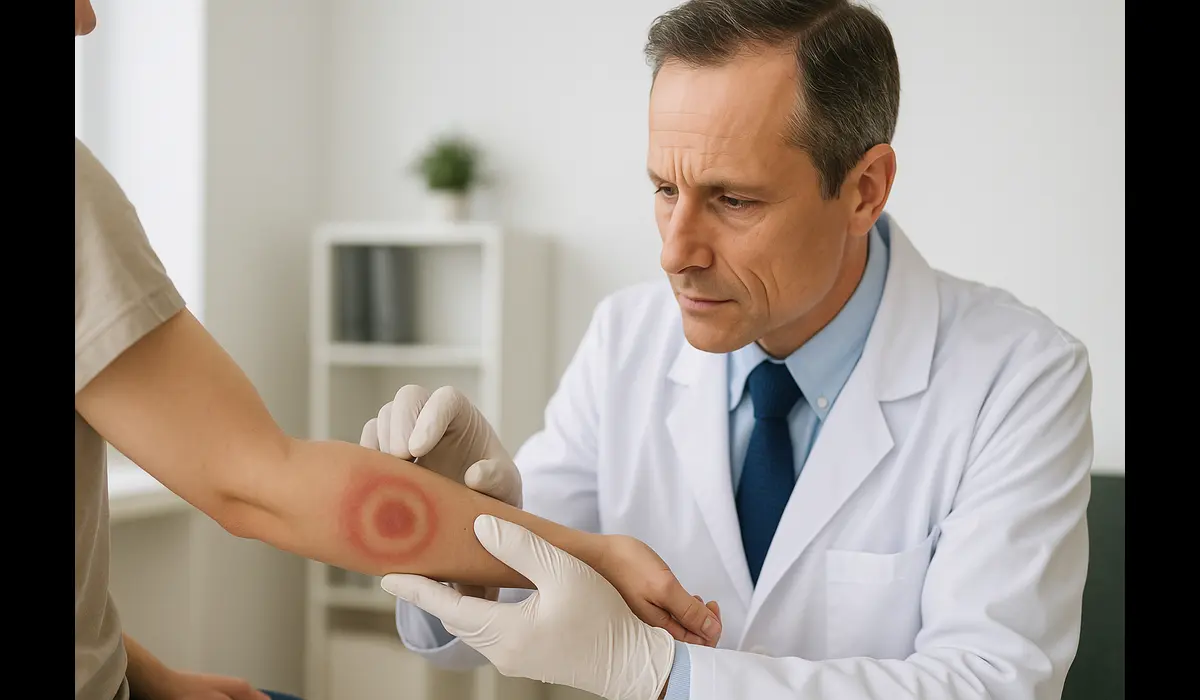
The primary treatment for Lyme disease is antibiotics. The choice and duration of treatment depend on the stage of infection and severity of symptoms.
First-Line Antibiotics
- Doxycycline: Most commonly prescribed; effective for adults and children over 8.
- Amoxicillin: Used for younger children and pregnant women.
- Cefuroxime axetil: An alternative for those allergic to doxycycline or amoxicillin.
Typical treatment lasts 10–21 days, but early treatment often leads to a full recovery.
Early Lyme Disease Care
If Lyme disease is caught within the first weeks of infection, antibiotics almost always work. Early care reduces the risk of chronic symptoms.
Steps for early Lyme disease care:
- Visit a doctor immediately after noticing symptoms or tick bite.
- Begin prescribed antibiotics as directed.
- Stay hydrated and rest to support immune recovery.
- Monitor symptoms closely during treatment.
Chronic Lyme Treatment: What If It Persists?
Some patients report lingering fatigue, joint pain, or neurological issues even after antibiotics. This condition is known as Post-Treatment Lyme Disease Syndrome (PTLDS).
Managing Chronic Symptoms
- Pain management through physical therapy or medication
- Cognitive therapy for memory and concentration issues
- Supportive care for sleep and mental health
Currently, extended antibiotic use is not recommended by the CDC due to lack of evidence. Instead, treatment focuses on managing symptoms and improving quality of life.
Lyme Disease Recovery Timeline

Recovery varies from person to person. While many recover in weeks, others may need months to feel fully well.
Typical Recovery Stages:
- Weeks 1–3: Symptoms improve with antibiotics.
- Month 1–2: Fatigue and mild aches may linger.
- Month 3+: Most patients feel back to normal; some may still need supportive care.
Preventing Future Tick Bites
The best defense against Lyme disease is prevention.
Prevention Tips:
- Use EPA-approved insect repellent.
- Wear long sleeves and pants in wooded areas.
- Shower soon after being outdoors.
- Check your body for ticks, especially scalp, underarms, and behind knees.
- For prevention resources, explore the EPA’s insect repellent guide.
FAQs on Lyme Disease Treatment
Q1: How long does Lyme disease treatment take?
Most cases resolve within 10–21 days of antibiotics. Recovery may take longer if symptoms persist.
Q2: Can Lyme disease come back after treatment?
No, if properly treated, the infection does not return. Lingering symptoms are usually PTLDS, not reinfection.
Q3: What happens if Lyme disease goes untreated?
Untreated Lyme can spread to the heart, nervous system, and joints, causing serious complications.
Q4: Are natural remedies effective for Lyme disease?
There is no scientific evidence that natural remedies cure Lyme. Antibiotics remain the only proven treatment.
Bottom Line:
Lyme disease treatment works best when started early. If you suspect infection, seek medical help right away. Timely care ensures faster recovery and prevents complications.