Inside Kumar Sanu’s Landmark Voice Imitation Lawsuit: 5 Shocking Details That Could Change the Industry
Discover five shocking details inside Kumar Sanu’s landmark voice imitation lawsuit that could reshape artist protection in India. This concise, analysis-driven teaser highlights the allegations, legal stakes, and industry-wide implications.

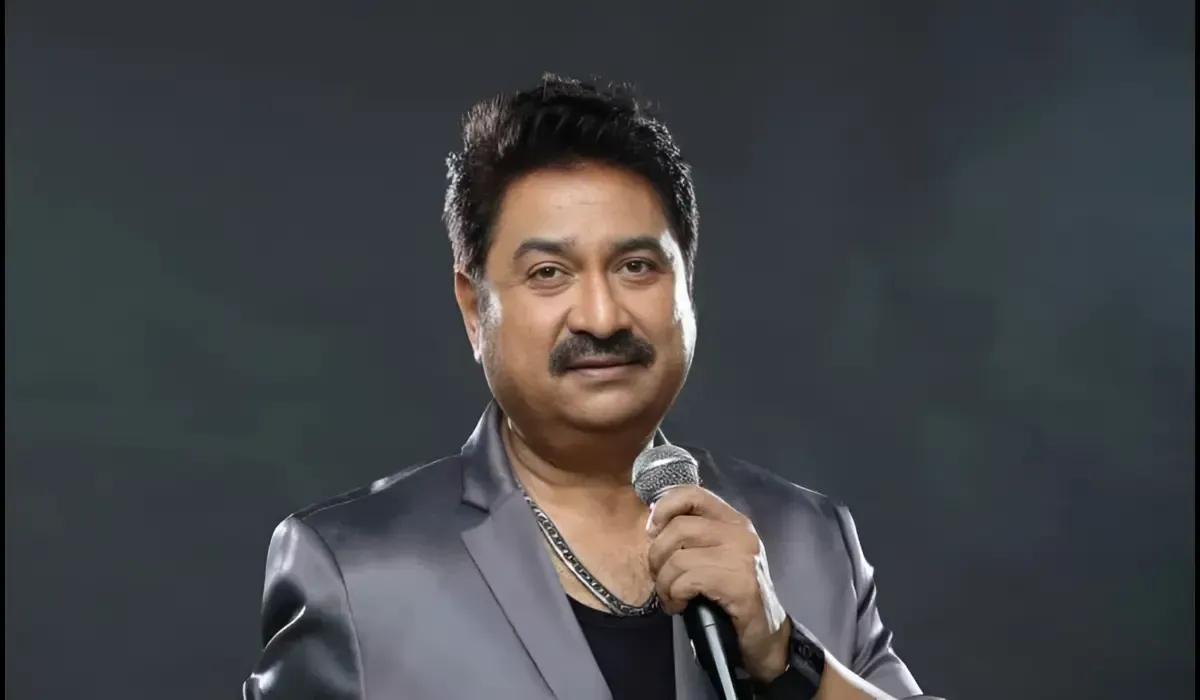
Kumar Sanu copyright and voice imitation lawsuit has brought into sharp focus the legal challenges posed by AI and voice cloning in India. The veteran playback singer has petitioned the Delhi High Court claiming unauthorized use of his voice, likeness, and persona in AI-generated content.
- Kumar Sanu seeks protection of personality rights
- The case deals with AI voice cloning, image morphing, false endorsements
- It may set precedent for celebrity rights in the digital era
What Is the Lawsuit?
This lawsuit is a legal action filed by Kumar Sanu in the Delhi High Court to protect his personality and publicity rights. He alleges that third parties are misusing his name, voice, singing style, likeness, and images without permission — especially via AI-generated content.
Latest Post
Latest Updates on the Case
- The petition was filed in October 2025, seeking interim relief from the court.
- It asks the court to restrain unauthorized commercial exploitation of his persona, including using voice clones, AI-generated singing, and face morphing.
- The next hearing is scheduled for October 13, 2025, before Justice Manmeet Pritam Singh Arora.

$750 Amazon Gift Card$750 Amazon Gift Card
Some users qualify for a $750 Amazon gift card. You can check if you qualify.
Details & Key Claims in the Suit
Personality & Publicity Rights
Kumar Sanu plea emphasizes his right to publicity, which covers control over name, voice, image, likeness, and performances. He claims third parties have used his voice and persona commercially without consent.
AI Voice Cloning & Imitation
A key allegation is that AI-generated voice models mimic his singing style, technique, and vocal mannerisms — tantamount to imitation without authorization.
Moral Rights under Copyright Law
The suit argues that such misuse also violates his moral rights (rights of integrity and attribution) under the Indian Copyright Act, which protect an author’s relationship with their work.
Dilution, False Endorsement & Passing Off
Sanu states that these AI voice clones and morphed images can mislead audiences into believing false endorsements or associations. He claims it leads to brand dilution and deception.
Digital Platforms & Monetization
The petition mentions that these unauthorized uses generate ad revenue on platforms like YouTube, Instagram, Facebook, exploiting his persona for profit.
Why It Matters
- Precedent for Celebrity Rights in AI Era — How courts interpret this will affect all public figures.
- AI Ethics & Regulation — The case may push for stronger statutory safeguards against deepfakes and voice cloning.
- Platform Liability — It raises questions about how much responsibility YouTube, Instagram, and other platforms should bear.
- Moral Rights Enforcement — Demonstrates real-world application of moral rights in India’s copyright law.
Comparison: This Case vs Global Precedents
- In the U.S., cases like Bette Midler vs. Ford (1988) and Robin Thicke/Pharrell vs. Marvin Gaye show earlier celebrity rights suits.
- But Kumar Sanu’s case is among India’s first major suits about AI voice cloning.
- Global approach: Many countries are drafting laws around deepfake and synthetic media specifically.
Expert Opinions & Legal Perspectives
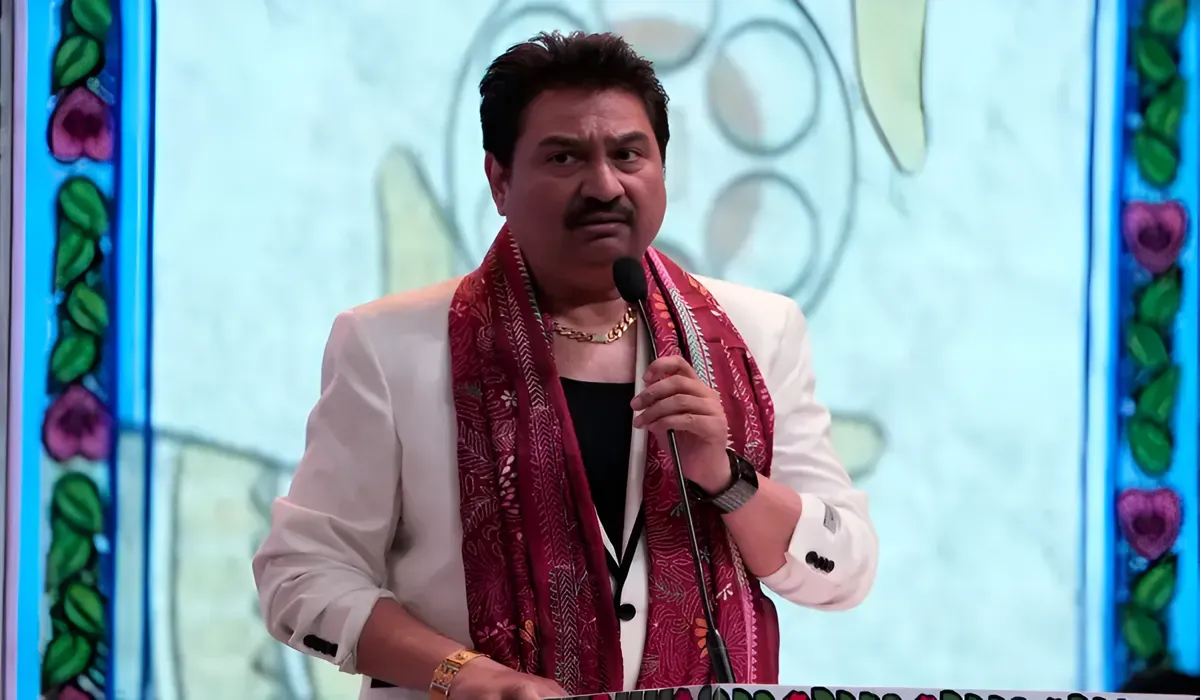
Entertainment law experts say this petition could form a benchmark for India’s persona protection jurisprudence. Some caution the challenge will be in proving confusion or harm. Others note that AI defenders may argue fair use or transformative content.
What Stakeholders Should Do
- Public Figures & Artists: Audit your online presence and take action if voice/image misuse appears.
- Platforms: Proactively detect and remove unauthorized AI-generated content to avoid being complicit.
- Legislators: Accelerate laws around synthetic media and personality rights.
- Users: Be careful about sharing cloned-voice content — it can be unethical or even illegal.

$750 Cash App Gift Card$750 Cash App Gift Card
Some users qualify for a $750 Cash App gift card. You can check if you qualify.
FAQs
Q1. What is the Kumar Sanu copyright and voice imitation lawsuit about?
It’s a petition to protect his voice, image, and persona from unauthorized AI imitation and commercial exploitation.
Q2. Is voice cloning illegal in India currently?
Not explicitly in all cases; this lawsuit may push courts to define boundaries under copyright and personality rights.
Q3. Can Sanu be awarded damages?
If the court finds infringement, he may be entitled to damages, injunctions, and removal orders.
Q4. Does this affect all celebrities?
Yes — the ruling could serve as precedent for protecting digital identity across the entertainment industry.
Key Takeaways
- The Kumar Sanu copyright and voice imitation lawsuit is a landmark case in India’s digital rights space.
- It challenges AI misuses of voice clones, image morphing, and unauthorized endorsements.
- The case invokes moral rights, personality rights, and copyright law.
- Its outcome may influence AI regulation, platform liability, and artist protections.
Conclusion
At its core, the Kumar Sanu copyright and voice imitation lawsuit isn’t just about one artist — it’s about protecting identity in the age of AI. As deepfake and synthetic media grow, judicial clarity is essential to safeguard creators’ rights.